

The refractory materials industry continues to evolve rapidly in 2024, driven by innovations in manufacturing processes and heightened demand from high-temperature industrial sectors. Among these materials, corundum refractory bricks stand out for their exceptional heat resistance, mechanical strength, and chemical durability. This article delves into the core technical attributes of corundum bricks, exploring how advancements in sintering and fusion technologies influence their performance and export potential in critical markets such as metallurgy, glassmaking, and ceramics.
Corundum refractory bricks are primarily characterized by a high aluminum oxide (Al₂O₃) content, typically exceeding 90%. This elevated alumina concentration is pivotal in achieving superior refractory properties:
These attributes address critical pain points such as thermal shock resistance, corrosion from acidic or basic slags, and physical wear, all of which are common challenges in industrial furnaces and kilns.
A nuanced understanding of the differences between sintering and fusion manufacturing processes highlights product performance distinctions crucial to engineers and procurement specialists.
| Process | Characteristics | Performance Impact |
|---|---|---|
| Sintering | Cold pressing raw materials then heating below melting point to bond particles | Good mechanical strength with controlled porosity; suitable for general high-temperature applications |
| Fusion (Fused Cast) | Melting raw materials at >2000°C, then casting to form a dense, glassy microstructure | Exceptional density, minimal porosity, and superior corrosion resistance, ideal for aggressive environments |
Selection between these techniques hinges on operational requirements: fusion products often command premium pricing but deliver longer service life in acidic slags found in glass production, whereas sintered bricks balance cost and performance for metallurgical furnaces dealing with basic slags.
Metallurgy: Corundum bricks provide an effective lining against wear and oxidation in blast furnaces, converter linings, and electric arc furnaces. Their ability to withstand rapid temperature cycling reduces maintenance downtime, bolstering productivity.
Glass Manufacturing: The fusion-cast corundum bricks' chemical inertness and thermal shock resistance make them ideal for furnace crown and sidewall linings, where exposure to molten glass demands unmatched corrosion resilience.
Ceramics Industry: Furnaces used for sintering and firing benefit from the bricks’ superior wear resistance and high-temperature stability, ensuring uniform heat distribution and product quality.
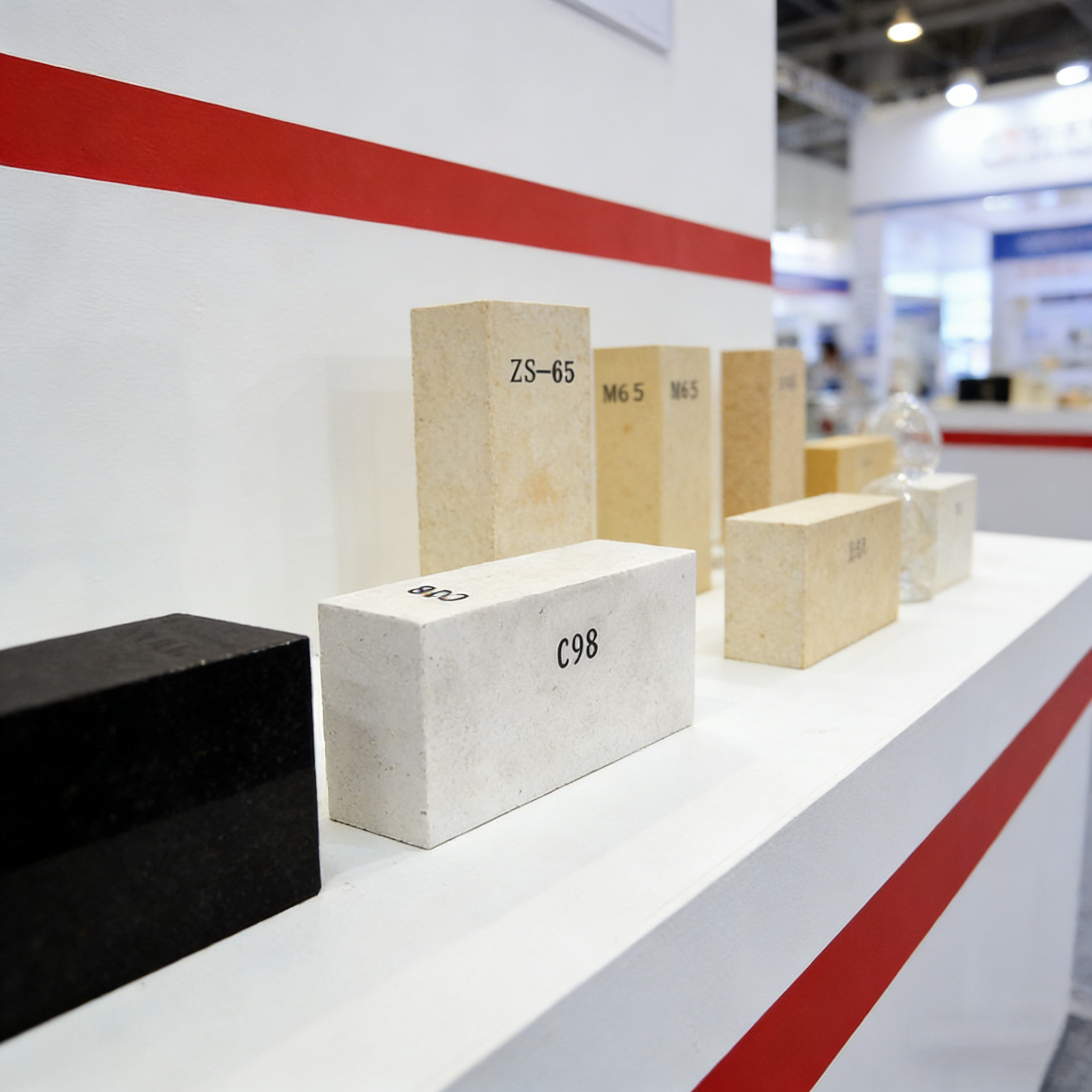
New production technologies have stimulated global demand for high-performance refractory bricks. According to industry reports, the global refractory market is expected to grow at a compound annual growth rate (CAGR) of approximately 5.7% through 2027, with Asia-Pacific and Europe leading consumption.
Enhanced technical specifications, driven by innovations in fusion casting and quality control, allow suppliers to penetrate emerging industrial regions in Southeast Asia and Latin America. Exporters focusing on value-added custom solutions—tailored to specific furnace designs and operating conditions—gain competitive advantage and improve client retention.
Key success factors for exporters include: robust quality assurance backed by data, flexible logistics aligned with project timelines, and consultative sales approaches that address precise technical challenges.
| Property | Sintered Corundum Brick | Fusion-Cast Corundum Brick |
|---|---|---|
| Al₂O₃ Content (%) | 92 - 94 | 95 - 97 |
| Cold Crushing Strength (MPa) | 90 - 120 | 110 - 140 |
| Apparent Porosity (%) | 12 - 15 | 2 - 4 |
| Maximum Service Temperature (°C) | 1750 - 1850 | 1900 - 2050 |

 471
|
471
|
 corundum refractory bricks
sintering process
melting process
high - temperature wear - resistant materials
refractory brick selection
402
|
alumina refractory bricks
glass melting furnace lining
high temperature耐火材料
fused alumina brick
sintered alumina brick
141
|
Corundum refractory bricks
High alumina content
Refractoriness of 1700°C
Wear resistance
Sintering and melting processes
77
|
corundum refractory brick
high alumina brick comparison
refractory material performance
metallurgical furnace lining
alumina content above 90%
117
|
alumina refractory bricks
high-temperature refractory materials
sintered refractory bricks
fused refractory bricks
high alumina bricks
corundum refractory bricks
sintering process
melting process
high - temperature wear - resistant materials
refractory brick selection
402
|
alumina refractory bricks
glass melting furnace lining
high temperature耐火材料
fused alumina brick
sintered alumina brick
141
|
Corundum refractory bricks
High alumina content
Refractoriness of 1700°C
Wear resistance
Sintering and melting processes
77
|
corundum refractory brick
high alumina brick comparison
refractory material performance
metallurgical furnace lining
alumina content above 90%
117
|
alumina refractory bricks
high-temperature refractory materials
sintered refractory bricks
fused refractory bricks
high alumina bricks


