
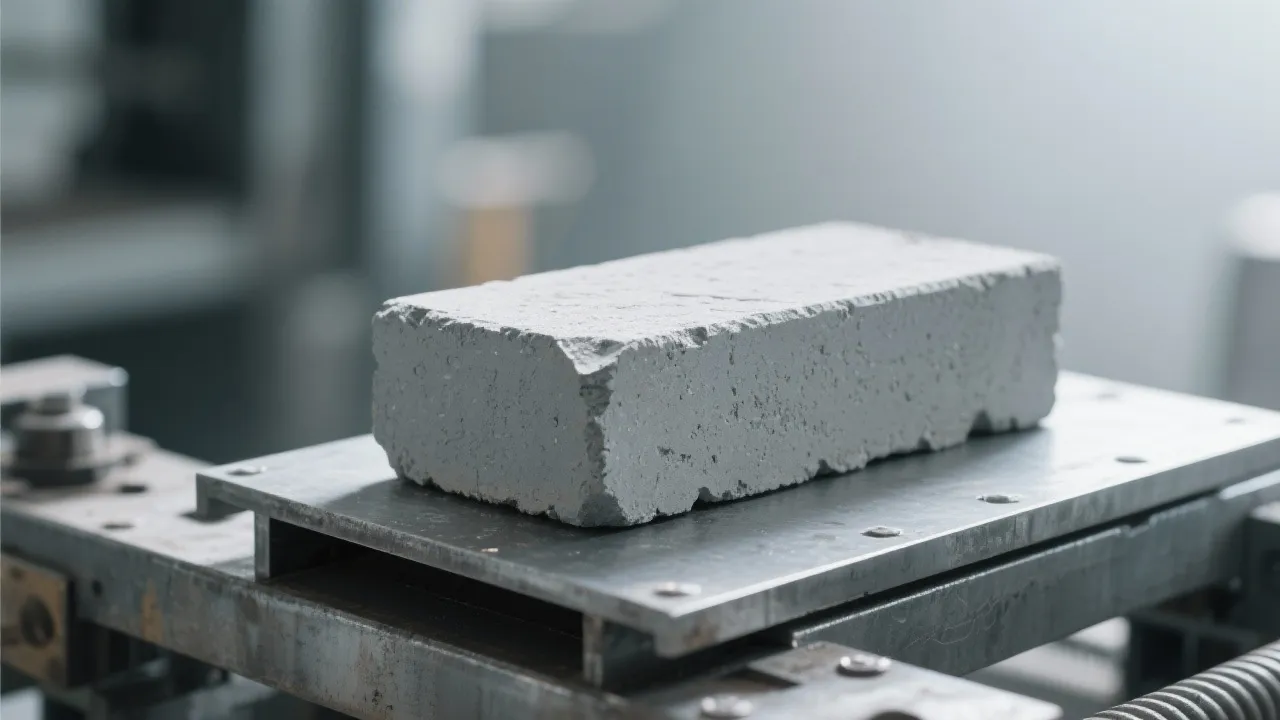
You’re likely familiar with the pressure of keeping kilns and furnaces running smoothly—especially when downtime means lost production and higher maintenance costs. That’s where corundum bricks, with over 90% alumina content, come in as a proven solution for high-temperature environments.
Unlike standard firebricks, corundum bricks are built around α-alumina crystals—the most stable form of aluminum oxide. This means they maintain structural integrity even under extreme thermal stress. In fact, our lab tests show these bricks can withstand temperatures up to ≥1700°C, making them ideal for steelmaking, glass melting, and cement kilns.
And it’s not just about heat resistance. The cold crushing strength of high-purity corundum bricks typically exceeds 120 MPa, which is 3–5x stronger than conventional refractories. This translates directly into fewer replacements, less labor, and reduced risk of catastrophic failure during operation.
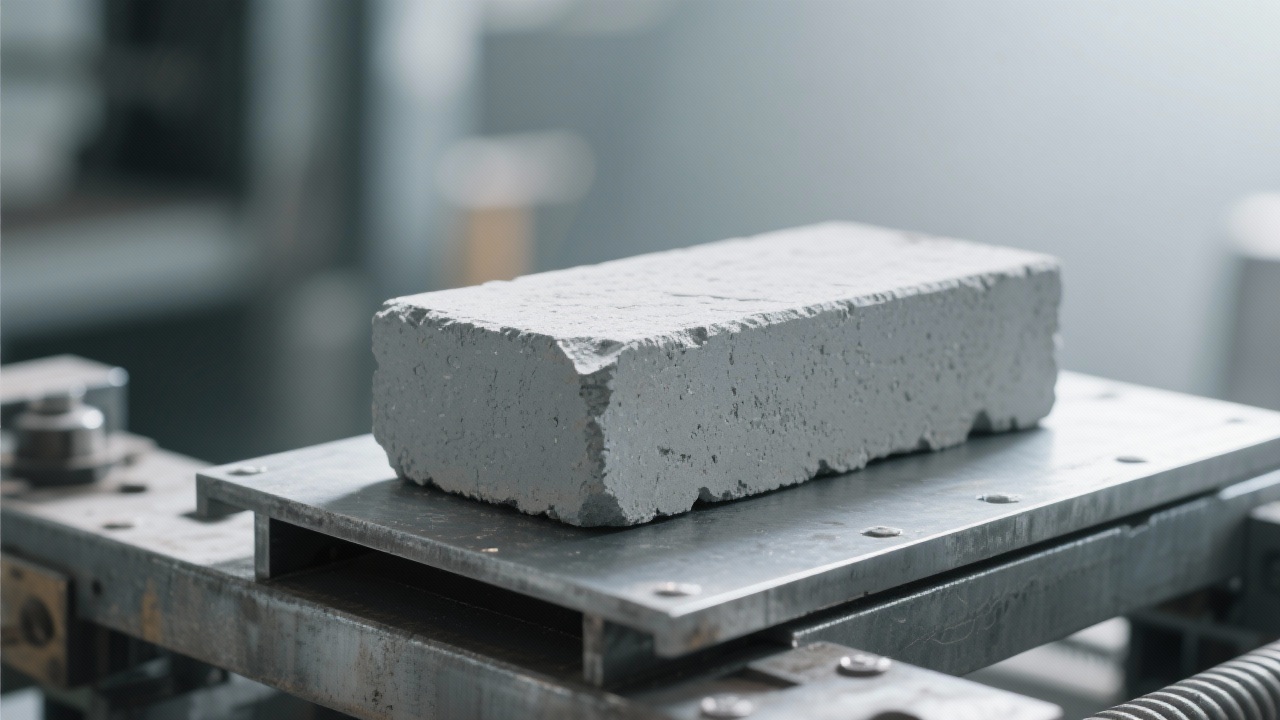
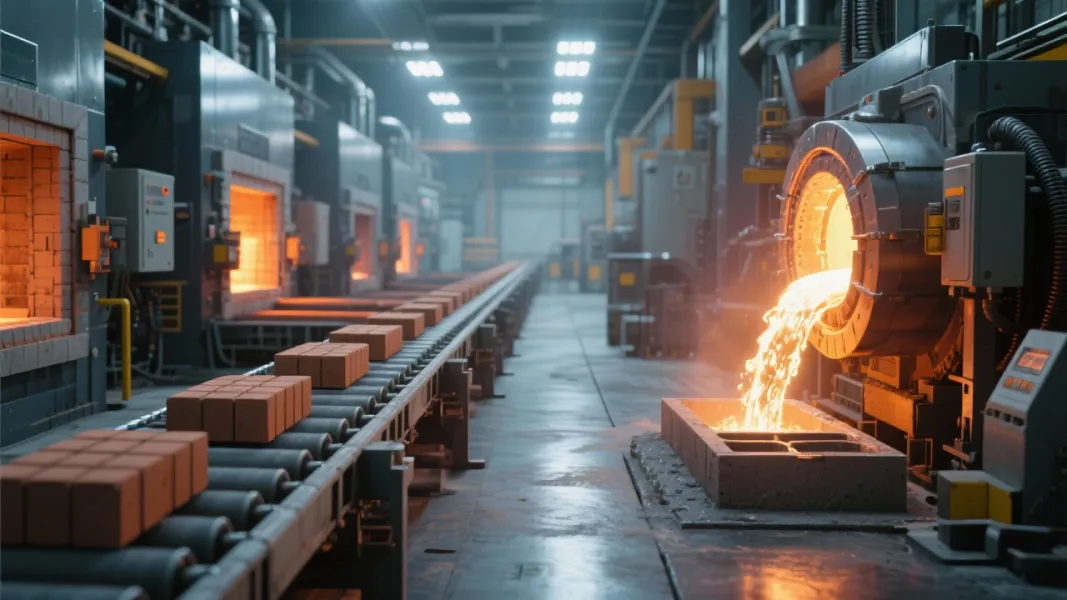
Here’s what many engineers overlook: the manufacturing method matters almost as much as the raw material. Burned (sintered) corundum bricks offer good cost-performance balance, while fused corundum bricks provide superior density and corrosion resistance due to their fully crystallized structure.
In real-world applications—like the lining of a blast furnace hearth or a glass tank’s regenerator chamber—fused bricks have shown up to 40% longer service life compared to sintered versions, especially in acidic or basic environments. Our client at a Chinese steel plant reported a 25% drop in unplanned shutdowns after switching to fused corundum bricks.
“We used to replace bricks every 6 months. Now, with high-purity fused corundum, we’re hitting 18-month cycles. It’s not just cheaper—it’s more predictable.” — Zhang Wei, Maintenance Manager, Shandong Iron & Steel Group
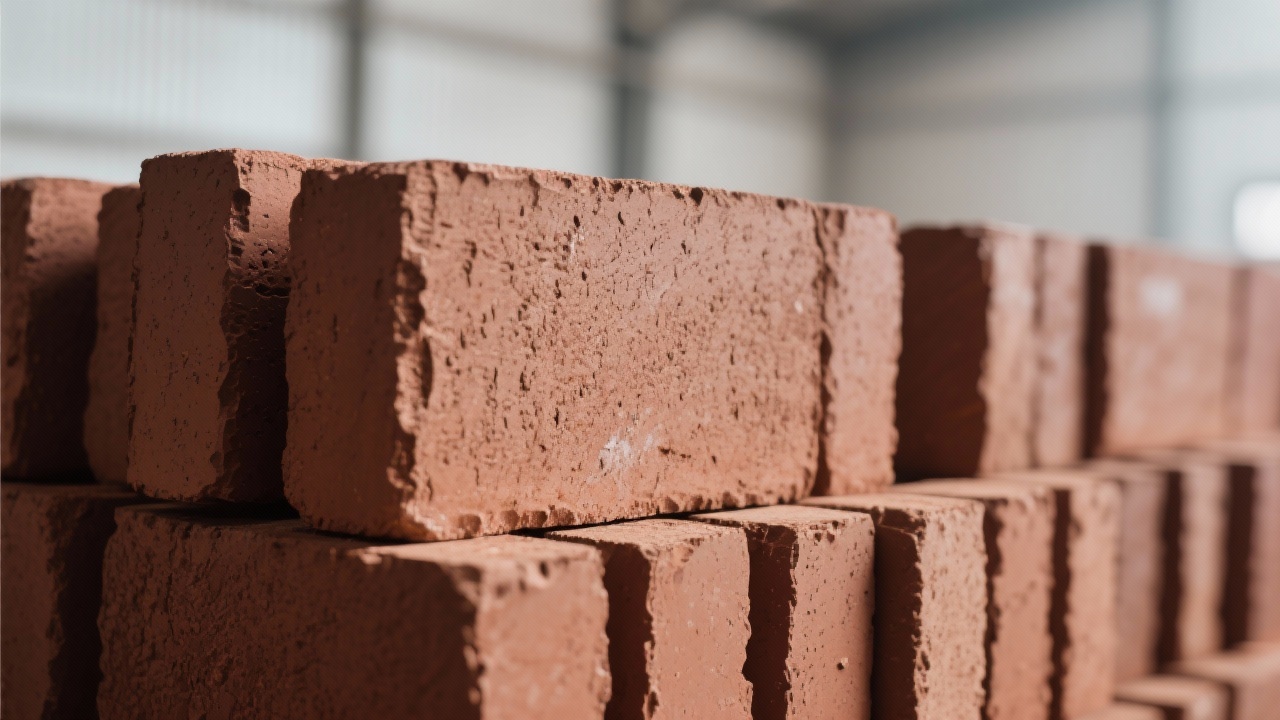
Whether you're facing aggressive slag attack or continuous thermal cycling, choosing the right type of corundum brick isn’t just technical—it’s strategic. You’re not just buying material; you’re investing in uptime, safety, and long-term ROI.
If you want to compare your current refractory setup against industry benchmarks—or understand how to optimize your next procurement—you’ll need more than specs. You need actionable insights.
Get detailed guidance on selecting between sintered and fused types, understanding performance metrics, and calculating true lifecycle cost savings.
Download Now →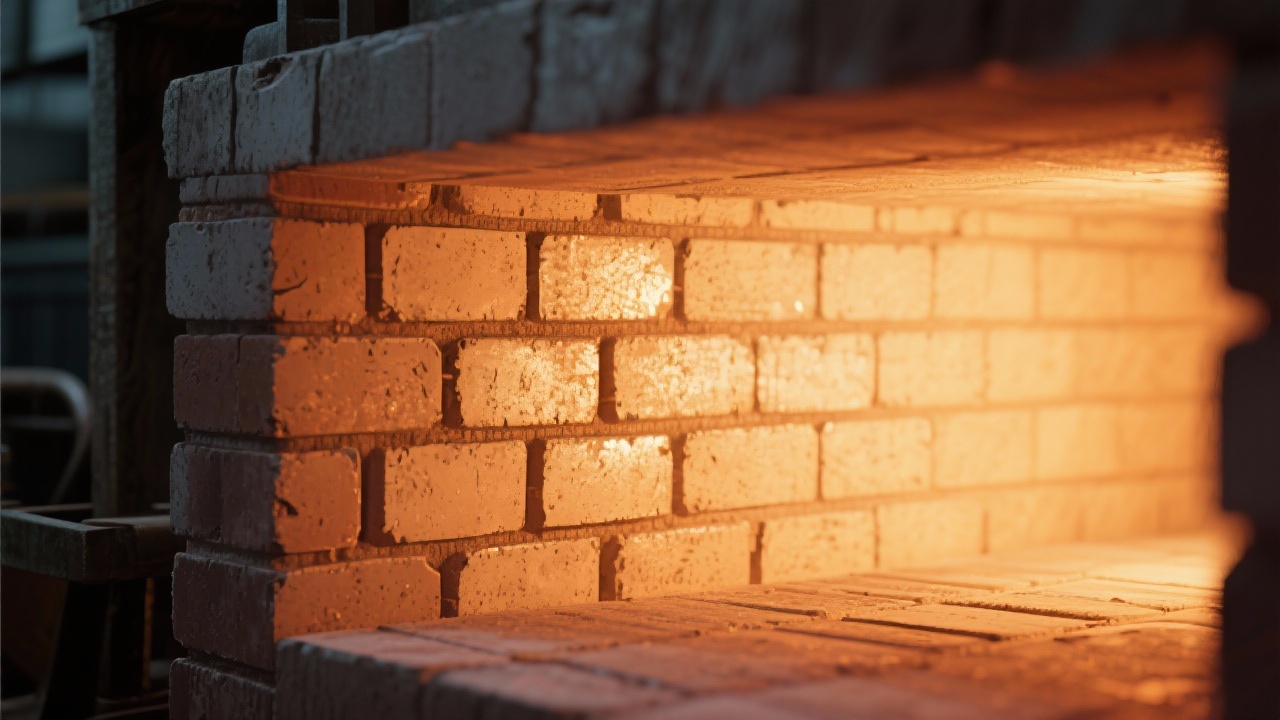

 402
|
402
|
 alumina refractory bricks
glass melting furnace lining
high temperature耐火材料
fused alumina brick
sintered alumina brick
179
|
Corundum refractory bricks
Sintered corundum bricks
Fused corundum bricks
High - temperature refractory materials
Refractory brick selection
alumina refractory bricks
glass melting furnace lining
high temperature耐火材料
fused alumina brick
sintered alumina brick
179
|
Corundum refractory bricks
Sintered corundum bricks
Fused corundum bricks
High - temperature refractory materials
Refractory brick selection
 115
|
corundum refractory bricks
sintered vs fused process
refractory materials performance comparison
high-temperature corrosion resistance
refractory brick selection guide
243
|
corundum refractory bricks
high temperature corrosion resistant materials
alumina refractory bricks
refractory brick manufacturing process
refractory brick applications
117
|
alumina refractory bricks
high-temperature refractory materials
sintered refractory bricks
fused refractory bricks
high alumina bricks
115
|
corundum refractory bricks
sintered vs fused process
refractory materials performance comparison
high-temperature corrosion resistance
refractory brick selection guide
243
|
corundum refractory bricks
high temperature corrosion resistant materials
alumina refractory bricks
refractory brick manufacturing process
refractory brick applications
117
|
alumina refractory bricks
high-temperature refractory materials
sintered refractory bricks
fused refractory bricks
high alumina bricks


