

If your glass melting furnace requires frequent refractory replacements—especially in critical zones like the throat or regenerator—you're not alone. Industry data shows that up to 40% of unplanned downtime in glass production stems from premature refractory failure. That’s not just a maintenance headache—it’s a direct hit to your bottom line.
Many plants still rely on standard fireclay or high-alumina bricks that fail under sustained temperatures above 1,500°C. But what if you could extend refractory life by 3–5x with a single material upgrade?
Enter fused alumina refractory bricks, engineered for extreme conditions. These aren’t just another “high-temp” product—they’re built for performance:
Not all fused alumina bricks are made the same. The key lies in the process:
| Process Type | Typical Al₂O₃ (%) | Avg. Life Extension (vs. Standard) | Best For |
|---|---|---|---|
| Sintered | 85–90% | ~1.5x | Moderate-load zones |
| Fused | >95% | 3–5x | High-wear areas: throat, regenerators |
In real-world applications across Europe and Asia, companies using fused alumina bricks saw an average reduction in refractory replacement cycles from every 6 months to over 18 months—cutting maintenance costs by up to 35% annually.
“We switched to fused alumina bricks in our float glass line after experiencing repeated failures in the burner zone. Within one year, we reduced unplanned shutdowns by 60% and saved over $80k in labor and materials.”
— Engineering Manager, Southeast Asian Glass Manufacturer
Don’t guess—optimize. Consider:
Download our free “Refractory Selection Guide for Glass Melting Furnaces” PDF—packed with technical specs, case studies, and application charts tailored to your production line.
Get the Technical White Paper Now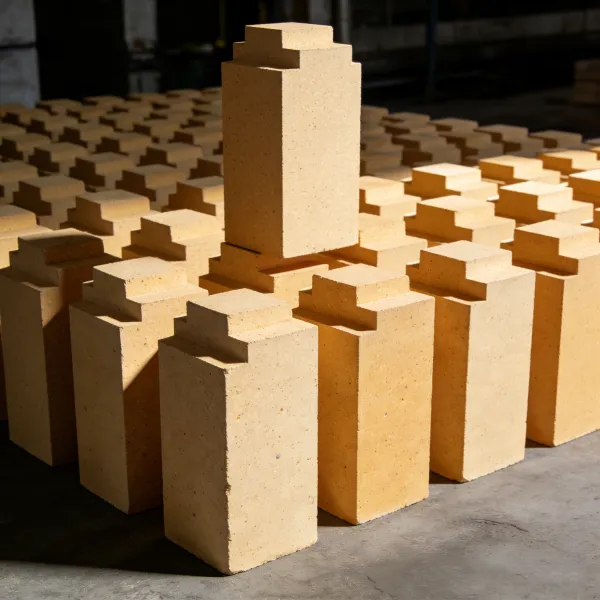
 295
|
295
|
 high-alumina refractory bricks
glass furnace refractories
refractory brick wear resistance testing
corrosion resistant refractory bricks
industrial furnace lining solutions
high-alumina refractory bricks
glass furnace refractories
refractory brick wear resistance testing
corrosion resistant refractory bricks
industrial furnace lining solutions
 119
|
converter lining selection
magnesia chrome brick performance
refractory brick slag resistance
high temperature converter refractories
magnesia chrome brick application
119
|
converter lining selection
magnesia chrome brick performance
refractory brick slag resistance
high temperature converter refractories
magnesia chrome brick application
 77
|
corundum refractory brick
high alumina brick comparison
refractory material performance
metallurgical furnace lining
alumina content above 90%
242
|
corundum refractory bricks
high temperature corrosion resistant materials
alumina refractory bricks
refractory brick manufacturing process
refractory brick applications
492
|
Corundum refractory bricks
High-temperature refractory materials
Acid and alkali corrosion resistance
Refractory brick selection guide
Corundum brick applications
77
|
corundum refractory brick
high alumina brick comparison
refractory material performance
metallurgical furnace lining
alumina content above 90%
242
|
corundum refractory bricks
high temperature corrosion resistant materials
alumina refractory bricks
refractory brick manufacturing process
refractory brick applications
492
|
Corundum refractory bricks
High-temperature refractory materials
Acid and alkali corrosion resistance
Refractory brick selection guide
Corundum brick applications


