
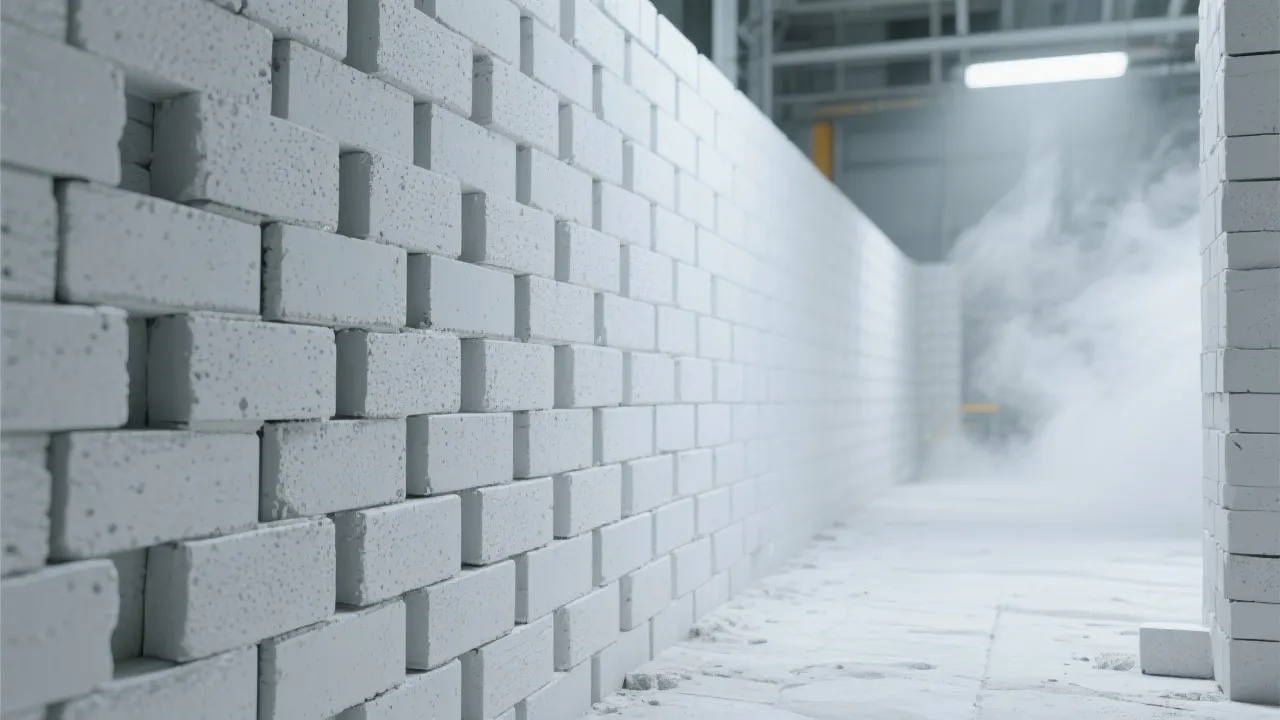
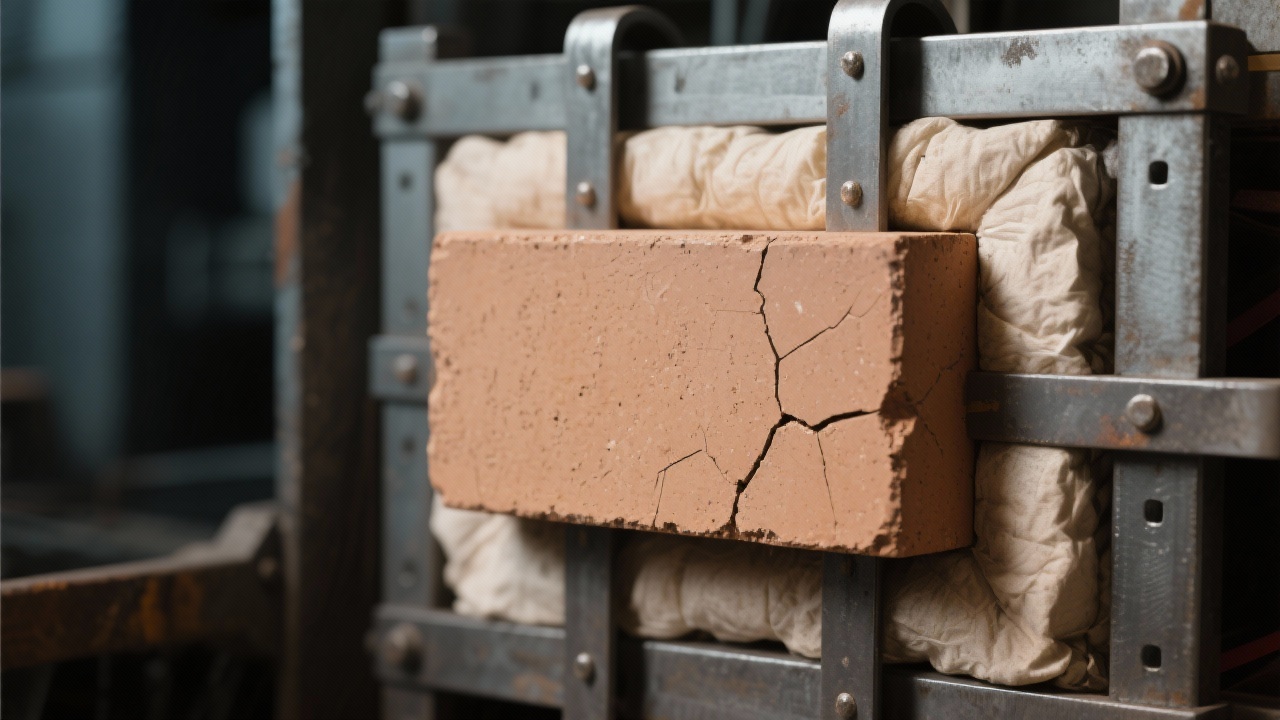
For manufacturers in metallurgy, glass, and ceramics, unexpected downtime from furnace refractory failure isn’t just frustrating—it’s a direct hit to your bottom line. A recent industry survey by the International Refractories Association (IRA) found that 68% of industrial facilities experience at least one major refractory repair per quarter, with average costs exceeding $12,000 per incident—including labor, materials, and lost production time.
One solution gaining traction among top-tier producers is high-purity alumina-based fused cast brick, particularly those containing over 90% Al₂O₃ (aluminum oxide). These bricks aren't just another refractory option—they’re engineered for extreme conditions. For example:
This performance translates directly into fewer repairs, longer service life, and lower total cost of ownership. In fact, companies using premium alumina bricks report an average reduction of 40% in annual maintenance expenses compared to traditional options.
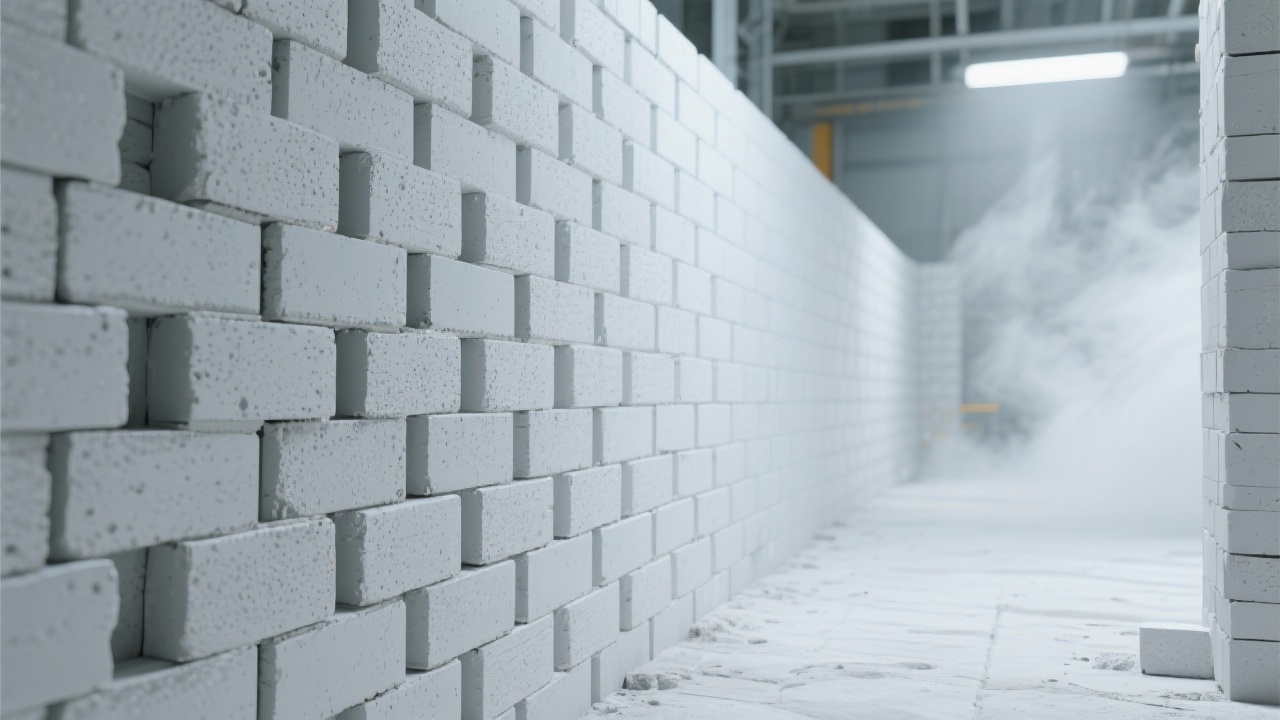
The manufacturing method makes a significant difference. Here's how:
| Process Type | Typical Al₂O₃ Content | Key Advantage | Best For |
|---|---|---|---|
| Sintered | 85–92% | Cost-effective for moderate temps | Glass furnaces, kilns below 1500°C |
| Fused Cast | 92–98% | Superior chemical resistance & density | Steel refining, petrochemical reactors, ceramic kilns |
Choosing the right process depends on your specific application—and that’s where expert guidance matters most.
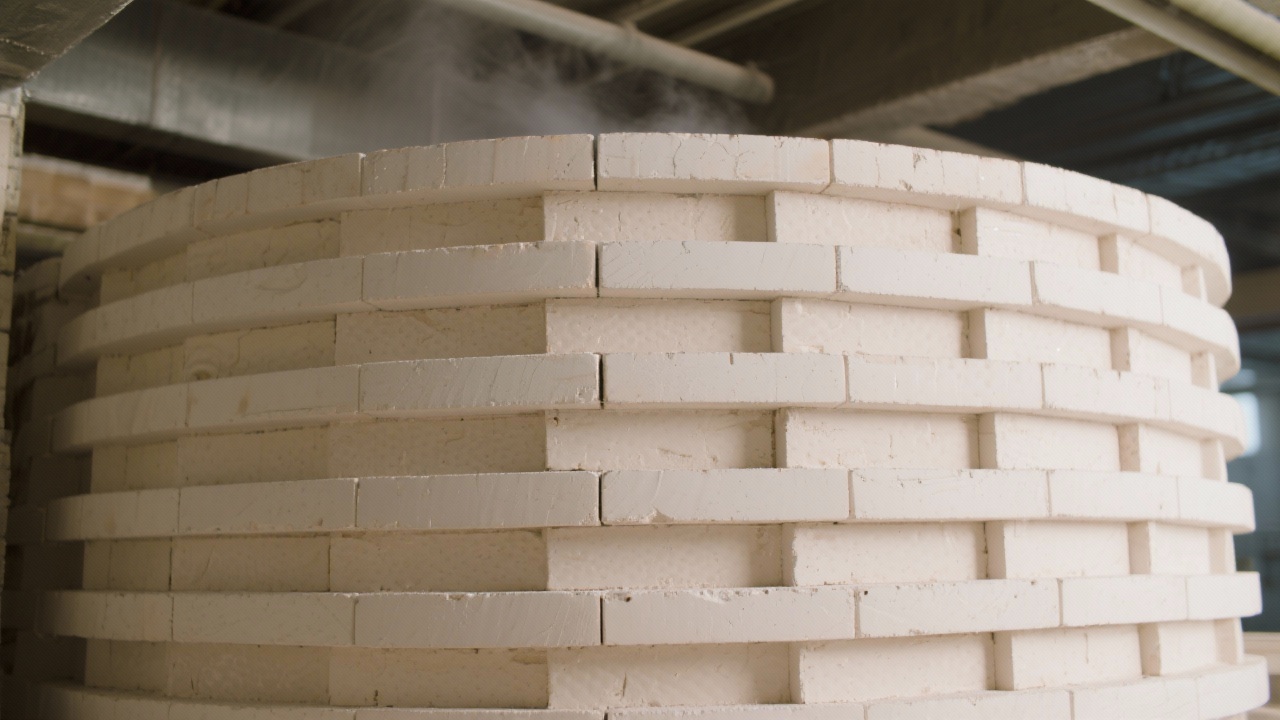
In a case study from a leading Chinese steel plant, replacing standard magnesia-carbon bricks with fused alumina bricks in their tundish reduced lining replacement frequency from every 3 weeks to once every 12 weeks—a 75% improvement in uptime. Similarly, a European ceramic manufacturer saw a 30% increase in kiln efficiency after switching to high-alumina bricks due to better thermal conductivity and less heat loss.
These aren’t isolated cases—they reflect what happens when you invest in the right material for the job.
Download our free “Alumina Refractory Selection Toolkit”—with real-world data, application matrices, and technical specs tailored to your industry needs. It’s used by engineers at Fortune 500 manufacturers worldwide.
Download Now – Get Your Free Refractory Guide
 402
|
402
|
 alumina refractory bricks
glass melting furnace lining
high temperature耐火材料
fused alumina brick
sintered alumina brick
alumina refractory bricks
glass melting furnace lining
high temperature耐火材料
fused alumina brick
sintered alumina brick
 119
|
converter lining selection
magnesia chrome brick performance
refractory brick slag resistance
high temperature converter refractories
magnesia chrome brick application
141
|
Corundum refractory bricks
High alumina content
Refractoriness of 1700°C
Wear resistance
Sintering and melting processes
243
|
corundum refractory bricks
high temperature corrosion resistant materials
alumina refractory bricks
refractory brick manufacturing process
refractory brick applications
175
|
corundum refractory brick
high-alumina refractory materials
refractory brick service life improvement
refractory material applications
alumina content over 90%
119
|
converter lining selection
magnesia chrome brick performance
refractory brick slag resistance
high temperature converter refractories
magnesia chrome brick application
141
|
Corundum refractory bricks
High alumina content
Refractoriness of 1700°C
Wear resistance
Sintering and melting processes
243
|
corundum refractory bricks
high temperature corrosion resistant materials
alumina refractory bricks
refractory brick manufacturing process
refractory brick applications
175
|
corundum refractory brick
high-alumina refractory materials
refractory brick service life improvement
refractory material applications
alumina content over 90%


