

In high-temperature industrial processes, particularly within the metallurgical sector, selecting the right refractory materials is pivotal for operational efficiency and cost control. Alumina refractory bricks, renowned for their exceptional performance, have become an indispensable material when facing severe acid-base corrosion and temperatures exceeding 1700°C. This article dives into the core attributes of alumina bricks, their manufacturing nuances, and their proven application in harsh environments to equip professionals with actionable insights for optimal material selection.
Alumina refractory bricks primarily consist of over 90% alumina (Al2O3), delivering extraordinary chemical stability and resistance against aggressive acidic and alkaline melts at elevated temperatures. This high alumina content enhances thermal shock resistance and significantly increases the refractory’s service life.
Mechanically, the bricks exhibit remarkable cold compressive strengths frequently surpassing 70 MPa, based on typical product specifications. Their dense microstructure contributes to excellent abrasion resistance, minimizing wear in abrasive operational conditions commonly found in furnace linings.
Understanding the manufacturing process differences between sintered and fused alumina bricks is vital for precise applications. Sintered bricks undergo thermal compaction of alumina powders below melting point, forming dense crystalline structures through particle bonding. This method provides good mechanical strength and corrosion resistance, suited for moderately aggressive environments.
Conversely, fused alumina bricks are produced by melting alumina raw materials at ultra-high temperatures exceeding 2000°C, then rapidly cooled (often via water quenching) to create vitrified, glassy phases with enhanced hardness and chemical inertness. This gives fused bricks superior resistance to thermal shock and chemical attack, ideal for severe corrosion scenarios.
Alumina bricks reliably withstand continuous operating temperatures upwards of 1700°C, outperforming many alternative refractory materials. Their acid-base corrosion resistance remains stable in pH ranges from highly acidic (<1) to strongly alkaline (>13), making them versatile for metallurgical furnaces, glass melting tanks, and chemical reactors.
| Property | Sintered Alumina Brick | Fused Alumina Brick |
|---|---|---|
| Alumina Content | ~90-95% | >95% |
| Cold Compressive Strength | 60-75 MPa | 80-100 MPa |
| Thermal Shock Resistance | Good | Excellent |
| Chemical Corrosion Resistance | High | Superior |
In metallurgical furnaces, alumina bricks critically enhance equipment durability against aggressive slags and molten substances laden with alkaline and acidic components. Deployments have documented up to 40% extension in lining lifespan, directly reducing downtime and maintenance expenses.
Especially in continuous casting and smelting furnaces, the robust abrasion resistance prevents premature wear from flux and particulate abrasion. Improved thermal shock capacity also decreases crack formation, minimizing structural failures.
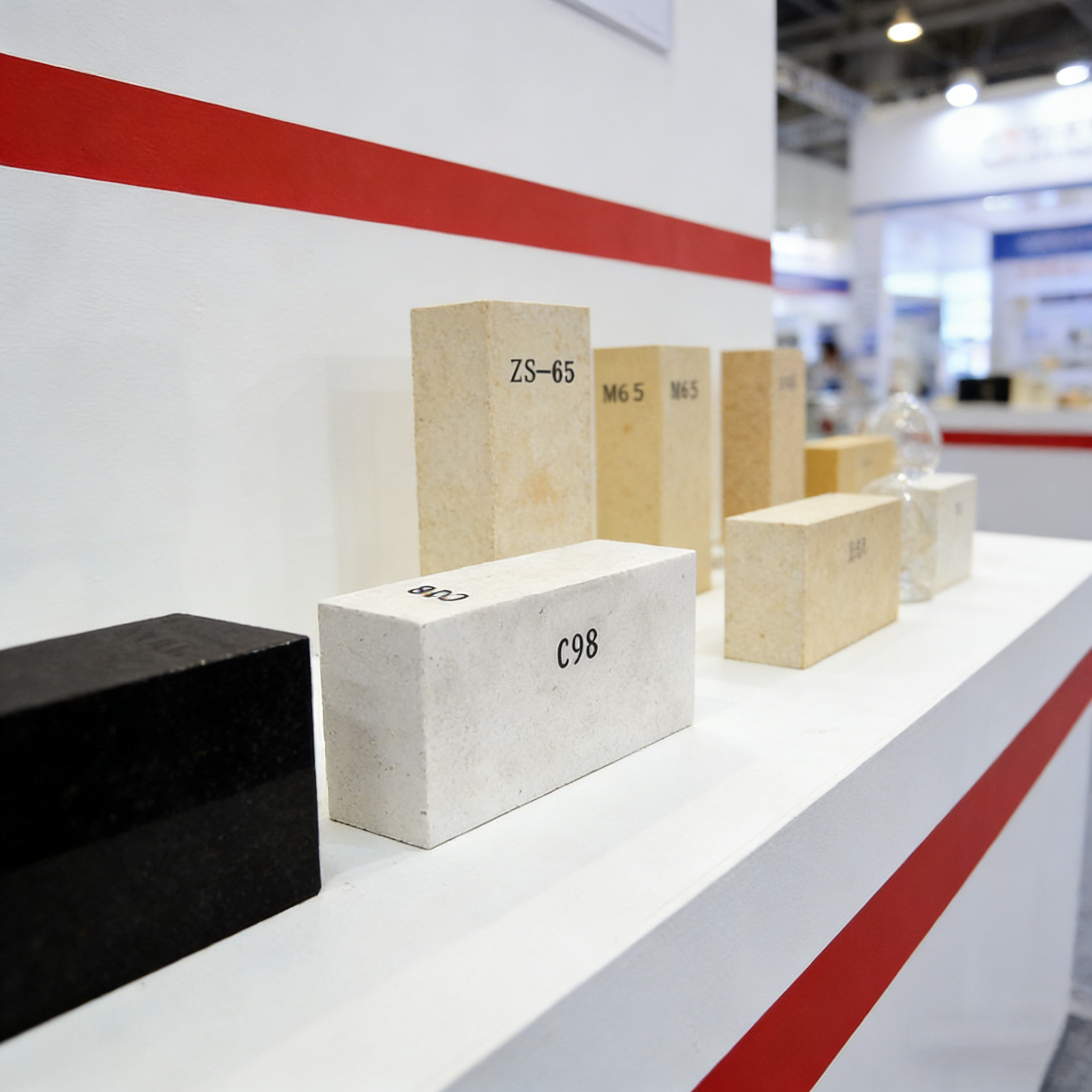
Common challenges faced by technical buyers include selecting bricks that balance cost-effectiveness with long-term performance. Frequent failures often stem from misapplication or underestimating corrosion conditions. A strategic approach involves thorough assessment of operational temperatures, chemical exposures, and mechanical stresses before finalizing the brick type.
Maintenance experts recommend routine visual inspection for early signs of spalling or cracking, combined with periodic lining thickness measurements using ultrasonic gauges. Proper installation, including correct mortar selection compatible with alumina chemical characteristics, significantly enhances lifespan.
Decision-makers in metallurgy and related high-temperature industries benefit from leveraging alumina refractory bricks' superior material qualities. Deploying these bricks strategically can boost furnace uptime, optimize maintenance schedules, and improve overall process stability.

 471
|
471
|
 corundum refractory bricks
sintering process
melting process
high - temperature wear - resistant materials
refractory brick selection
corundum refractory bricks
sintering process
melting process
high - temperature wear - resistant materials
refractory brick selection
 119
|
converter lining selection
magnesia chrome brick performance
refractory brick slag resistance
high temperature converter refractories
magnesia chrome brick application
77
|
corundum refractory brick
high alumina brick comparison
refractory material performance
metallurgical furnace lining
alumina content above 90%
188
|
corundum refractory brick
high alumina refractory
fused vs sintered refractory
wear resistant refractory
ceramic industry refractory
175
|
corundum refractory brick
high-alumina refractory materials
refractory brick service life improvement
refractory material applications
alumina content over 90%
119
|
converter lining selection
magnesia chrome brick performance
refractory brick slag resistance
high temperature converter refractories
magnesia chrome brick application
77
|
corundum refractory brick
high alumina brick comparison
refractory material performance
metallurgical furnace lining
alumina content above 90%
188
|
corundum refractory brick
high alumina refractory
fused vs sintered refractory
wear resistant refractory
ceramic industry refractory
175
|
corundum refractory brick
high-alumina refractory materials
refractory brick service life improvement
refractory material applications
alumina content over 90%


