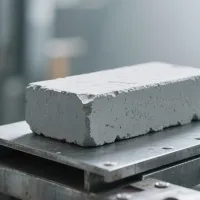
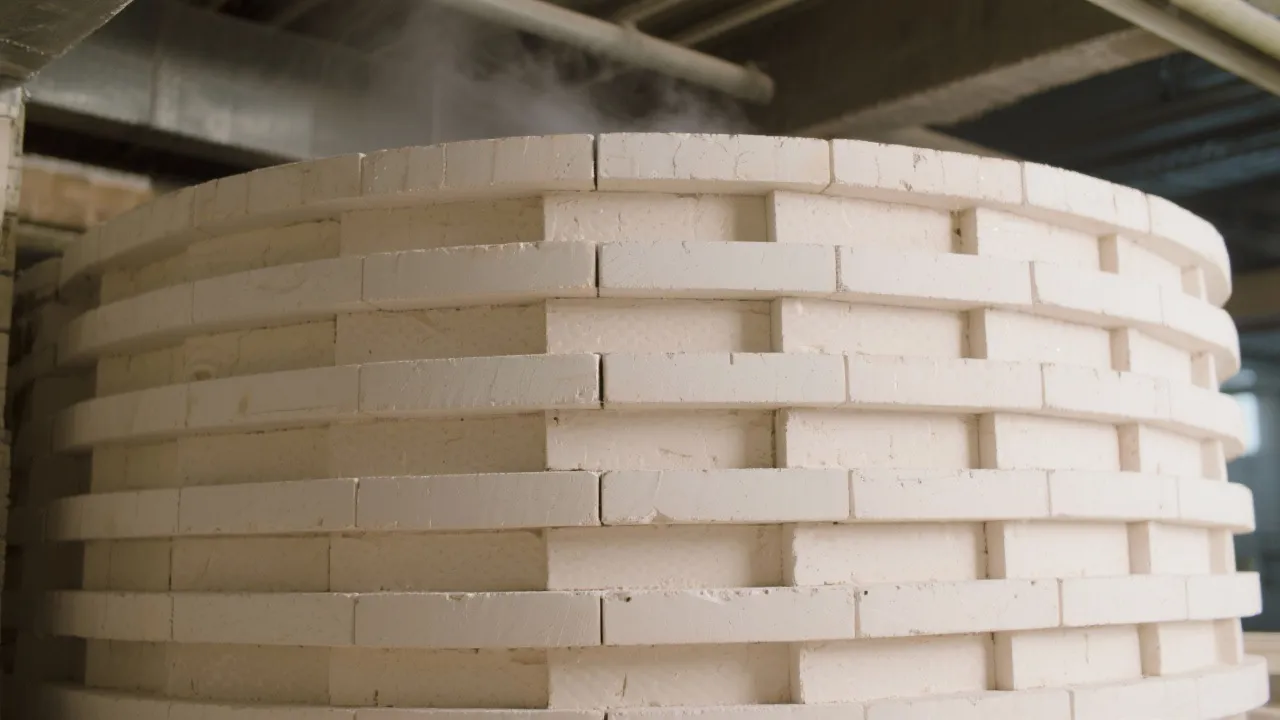
In the high - temperature industrial field, the selection of refractory materials is crucial for the performance and efficiency of industrial furnaces. Among them, high - alumina refractory clay bricks have attracted wide attention due to their unique properties.
High - alumina refractory clay bricks are mainly composed of bauxite powder, refractory clay, and zircon. Bauxite powder provides high - temperature resistance and strength. With a content of about 60% - 70%, it can withstand temperatures up to 1700 - 1800°C. Refractory clay acts as a binder, enhancing the plasticity and formability of the brick. Zircon, with a content of about 5% - 10%, improves the chemical stability and corrosion resistance of the brick. The synergy of these three components endows the high - alumina refractory clay brick with excellent comprehensive performance.
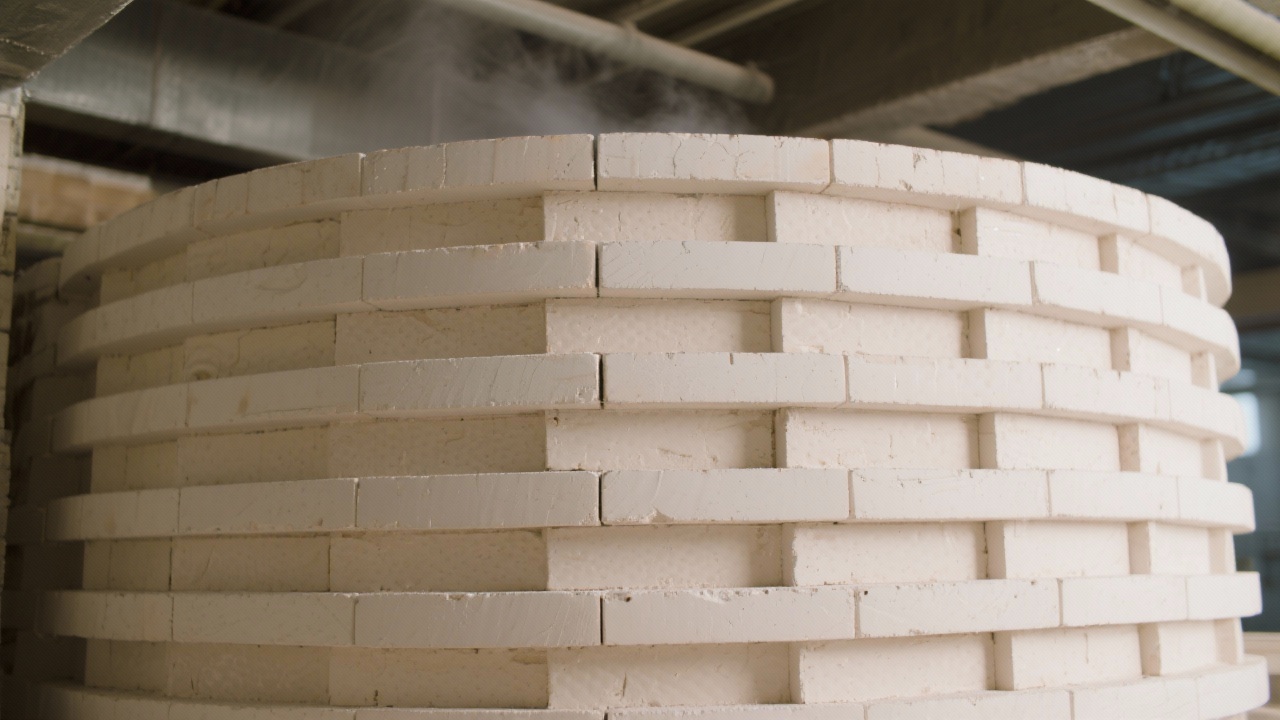
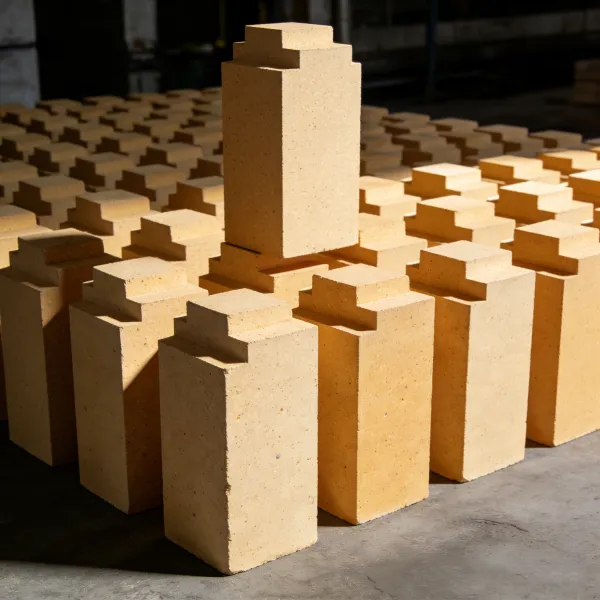
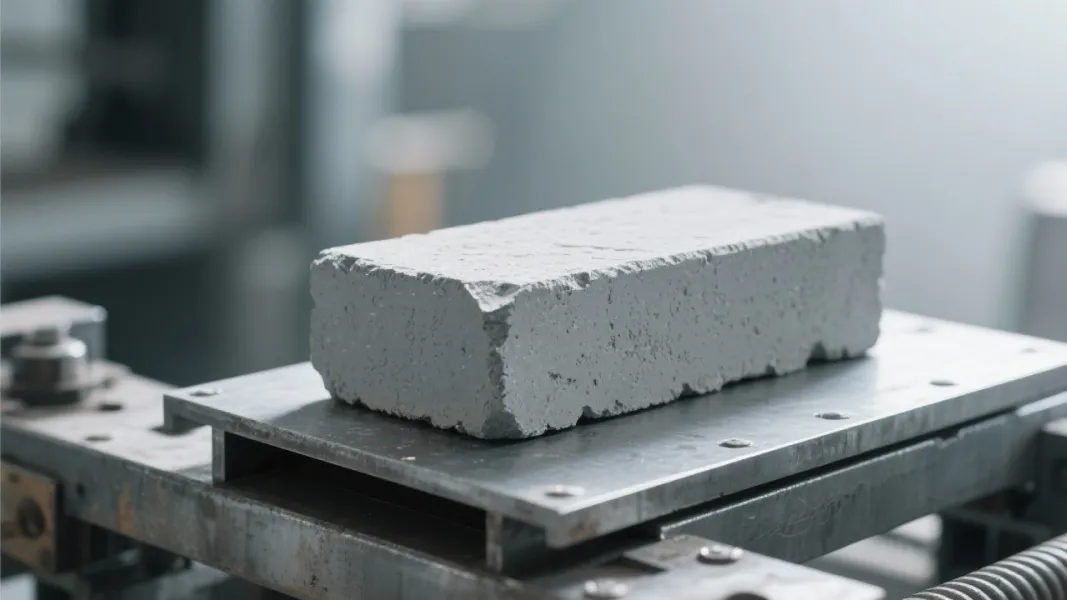
The spherical pore structure of high - alumina refractory clay bricks is one of its remarkable features. These spherical pores not only reduce the density of the brick but also play an important role in heat insulation. The mechanical cutting process ensures high - density and high - dimensional accuracy of the brick. The dimensional tolerance can be controlled within ± 0.5mm, which guarantees the stability of the installation and reduces the risk of gaps and heat leakage during use.
The low thermal conductivity of high - alumina refractory clay bricks is a significant advantage. With a thermal conductivity of about 0.8 - 1.2 W/(m·K), it can effectively reduce heat loss in industrial furnaces. For example, in a glass furnace, reducing heat loss by 15% - 20% can lead to significant energy savings. The excellent thermal shock resistance is also notable. The brick can withstand sudden temperature changes of up to 800 - 900°C without cracking or spalling, which greatly extends the service life of the furnace lining. In some cases, the service life of the furnace lining can be extended by 2 - 3 years.
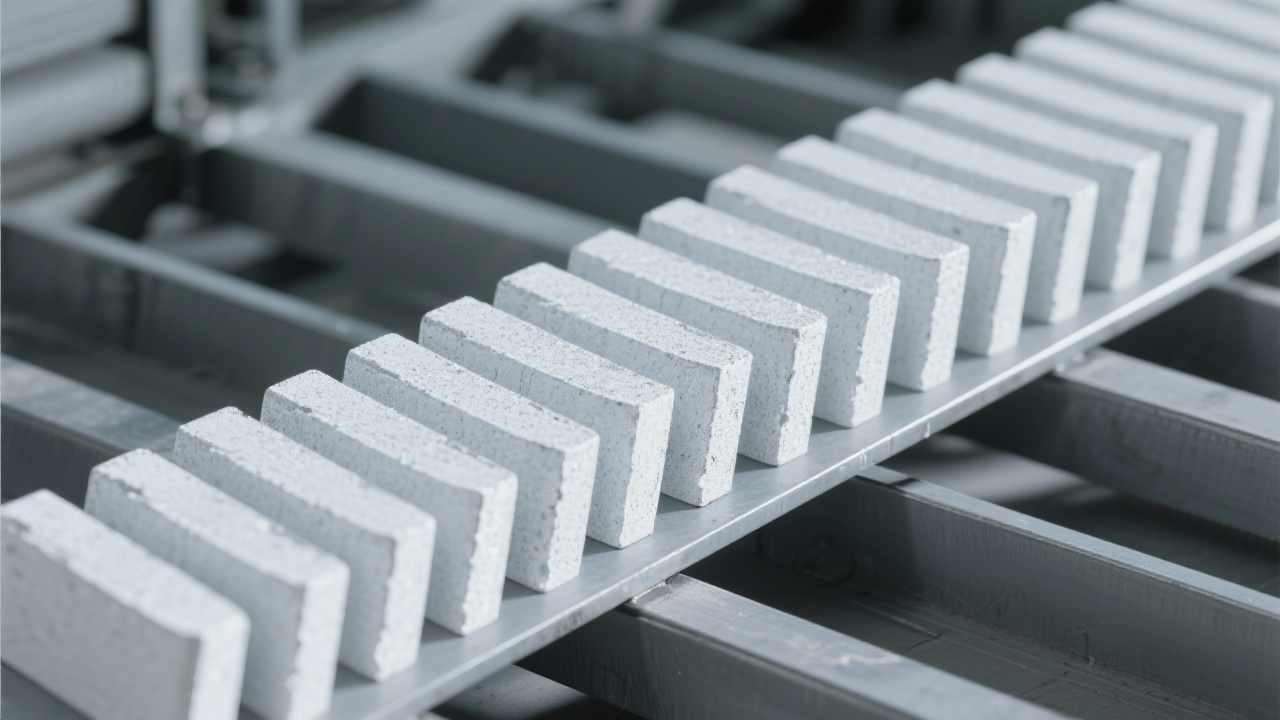
High - alumina refractory clay bricks are widely used in various industrial furnaces, such as glass furnaces, steel hot - blast stoves, etc. In different application scenarios, different technical solutions are required. For example, in glass furnaces, bricks with better chemical stability are needed to resist the corrosion of glass melt. In steel hot - blast stoves, bricks with higher thermal shock resistance are more suitable to adapt to the rapid temperature changes during the heating and cooling process.
In a glass manufacturing plant, after replacing the original refractory bricks with high - alumina refractory clay bricks, the energy consumption of the glass furnace decreased by 18%, and the service life of the furnace lining increased from 3 years to 5 years. This case shows that the correct selection and use of high - alumina refractory clay bricks can bring significant economic benefits to enterprises.
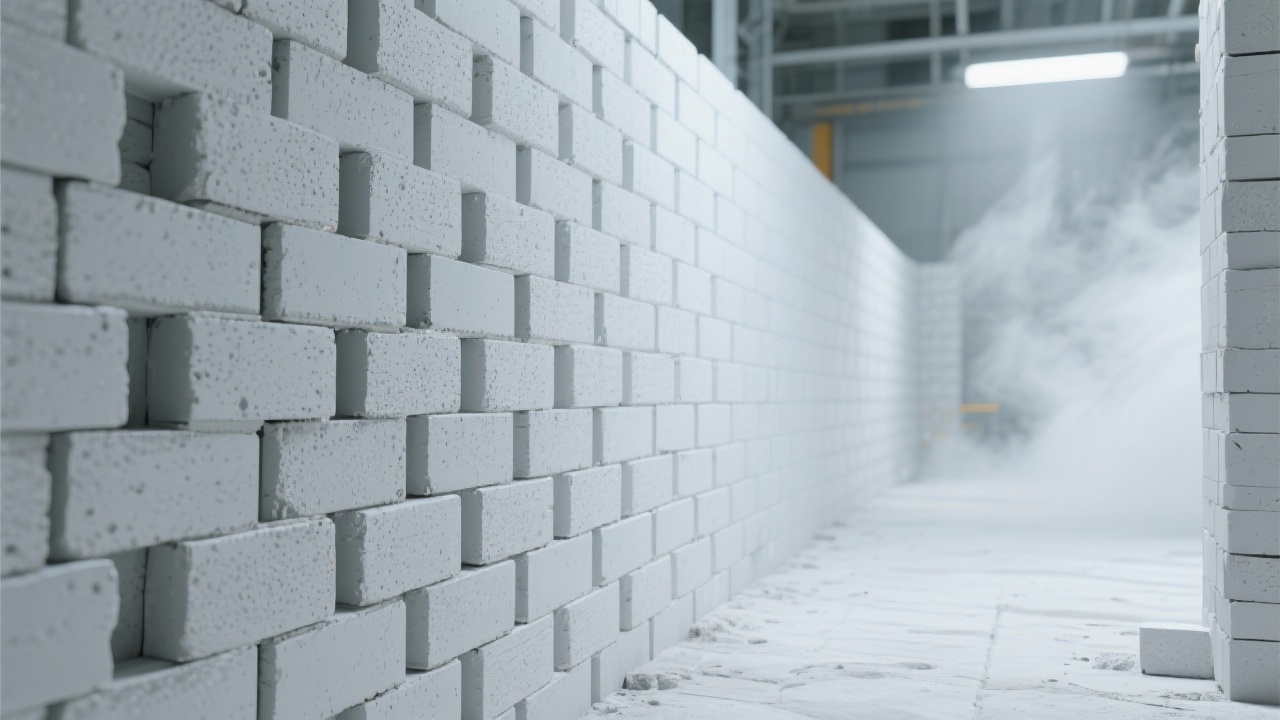
If you are looking for reliable refractory solutions for your industrial furnaces, don't hesitate to explore our high - alumina refractory clay bricks. Our professional team can provide you with customized technical support and help you optimize your furnace lining system for better safety and economic benefits.
 295
|
295
|
 high-alumina refractory bricks
glass furnace refractories
refractory brick wear resistance testing
corrosion resistant refractory bricks
industrial furnace lining solutions
high-alumina refractory bricks
glass furnace refractories
refractory brick wear resistance testing
corrosion resistant refractory bricks
industrial furnace lining solutions
 451
|
High alumina refractory clay bricks
Industrial furnace lining
High - temperature refractory materials
Wear - and corrosion - resistant refractory bricks
Furnace lining installation techniques
451
|
High alumina refractory clay bricks
Industrial furnace lining
High - temperature refractory materials
Wear - and corrosion - resistant refractory bricks
Furnace lining installation techniques
 77
|
corundum refractory brick
high alumina brick comparison
refractory material performance
metallurgical furnace lining
alumina content above 90%
77
|
corundum refractory brick
high alumina brick comparison
refractory material performance
metallurgical furnace lining
alumina content above 90%
 115
|
corundum refractory bricks
sintered vs fused process
refractory materials performance comparison
high-temperature corrosion resistance
refractory brick selection guide
332
|
alumina refractory brick
high alumina refractory
refractory brick wear resistance
high temperature refractory
fused versus sintered refractory
115
|
corundum refractory bricks
sintered vs fused process
refractory materials performance comparison
high-temperature corrosion resistance
refractory brick selection guide
332
|
alumina refractory brick
high alumina refractory
refractory brick wear resistance
high temperature refractory
fused versus sintered refractory