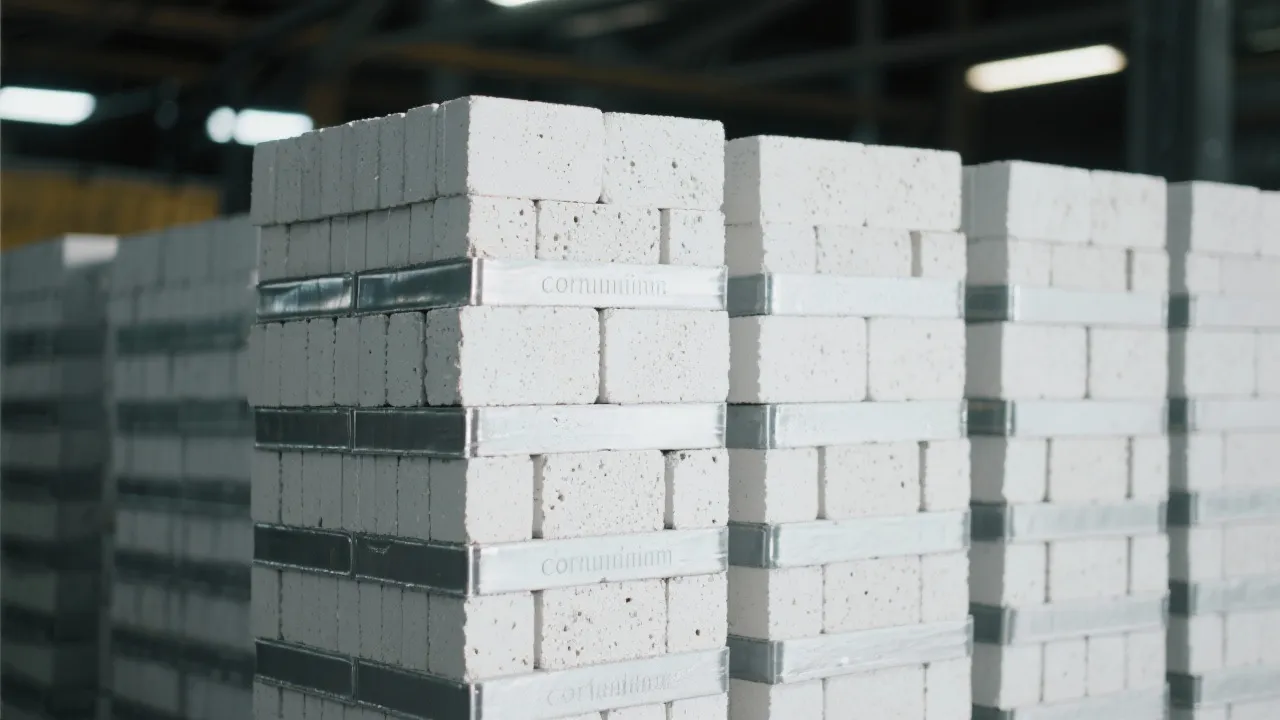
Electric arc furnace (EAF) operators face a constant battle: how to maintain consistent production while minimizing downtime caused by rapid refractory wear. One of the most common culprits? Alkali-rich slag erosion — a silent killer that can reduce lining life from an expected 60–80 heats down to just 30–40.
Traditional magnesia-carbon bricks often fail under high-temperature alkali attack because their microstructure lacks sufficient chemical stability. But modern sintered magnesia carbon bricks—like those used in top-tier steel plants—use a carefully engineered composition:
Research shows that when MgO grain size is optimized between 50–100 µm and graphite content reaches 15–20 wt%, the brick achieves up to 35% better resistance to alkali flux than standard formulations (based on ISO 18750 testing).
“The synergy between MgO and graphite isn’t just additive—it’s multiplicative. When properly sintered, this combination forms a protective barrier against molten slag infiltration.”
— Dr. Elena Kim, Senior Refractory Engineer, International Institute of Materials Science
Even with ideal base materials, poor bonding or oxidation during heating leads to premature failure. That’s where advanced phenolic resin binders and nano-aluminum powder as antioxidants come in:
In real-world applications across European and Middle Eastern EAF operations, these enhancements have extended average lining life from 45 to 75 heats per campaign—with fewer unplanned shutdowns and lower maintenance costs.
Don’t just buy the cheapest brick—match your material choice to process conditions:
Want to see how our sintered magnesia carbon bricks performed in your specific EAF environment?
Get Your Customized Refractory Solution Now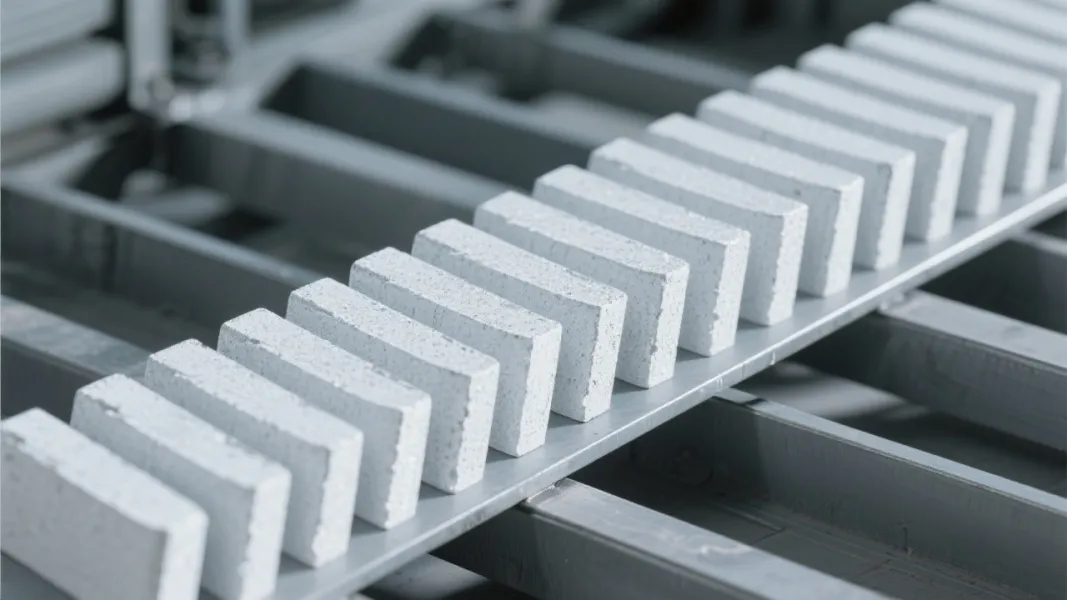
 378
|
378
|
 Corundum refractory bricks
High alumina refractory materials
Metallurgy industry refractory bricks
Glass industry refractory bricks
Refractory brick selection
Corundum refractory bricks
High alumina refractory materials
Metallurgy industry refractory bricks
Glass industry refractory bricks
Refractory brick selection
 133
|
Corundum refractory bricks
High - temperature corrosion protection
Refractory material applications
Sintered corundum bricks
Fused corundum bricks
133
|
Corundum refractory bricks
High - temperature corrosion protection
Refractory material applications
Sintered corundum bricks
Fused corundum bricks
 372
|
High alumina refractory clay bricks
High-temperature industrial furnace refractory bricks
Refractory brick installation technology
Furnace lining refractory materials
Refractory brick performance analysis
372
|
High alumina refractory clay bricks
High-temperature industrial furnace refractory bricks
Refractory brick installation technology
Furnace lining refractory materials
Refractory brick performance analysis
 410
|
High - alumina refractory clay bricks
Low thermal conductivity
Thermal shock resistance
Glass furnace lining
Wear - and corrosion - resistant refractory bricks
410
|
High - alumina refractory clay bricks
Low thermal conductivity
Thermal shock resistance
Glass furnace lining
Wear - and corrosion - resistant refractory bricks
 175
|
corundum refractory brick
high-alumina refractory materials
refractory brick service life improvement
refractory material applications
alumina content over 90%
175
|
corundum refractory brick
high-alumina refractory materials
refractory brick service life improvement
refractory material applications
alumina content over 90%