Common Damage Types and Inspection Methods for Blast Furnace Refractory Bricks: Extending Lifespan with the ‘Three Checks and Two Controls’ Approach

2026-03-03
Huana High Temperature
Tutorial Guide
This article provides an in-depth analysis of common damage types and routine inspection methods for refractory bricks in blast furnaces and heavy industrial kilns. Emphasizing the practical ‘Three Checks and Two Controls’ mnemonic—checking cracks, deformations, and spalling; controlling temperature variations and atmosphere—this guide offers actionable maintenance strategies including surface damage assessment, temperature fluctuation management, and optimized bricklaying techniques. Incorporating thermocouple monitoring for local overheating alerts, it encourages a shift from reactive replacement to proactive management. The article highlights the superior stability of our low-porosity refractory bricks in resisting slag corrosion and gas infiltration, enhancing maintenance effectiveness and prolonging service life. Aimed at technical and operational personnel, it delivers systematic, practical guidance to support efficient and durable furnace operation.
https://shmuker.oss-accelerate.aliyuncs.com/data/oss/20260104/6c786857f7d4eae32df270f1a6d87d03/8ffc82df-1f78-470e-8668-cd9ec08af63b.jpeg

Common Damage Types of Blast Furnace Refractory Bricks and Effective Periodic Inspection

Blast furnace refractory bricks play a critical role in the longevity and efficiency of ironmaking and heavy industrial furnaces. Over time, these bricks are susceptible to damage caused by mechanical stress, thermal cycles, and chemical corrosion. Understanding the typical damage types and implementing systematic inspection and control measures can significantly extend refractory service life and reduce costly downtime.

Typical Damage Types and Detection Methods

Refractory bricks commonly exhibit three primary damage forms:

  • Cracks: Fine to large fissures originating from thermal stress or mechanical impacts. These can grow over time, compromising structural integrity.
  • Deformation: Warping or bending caused by uneven heat distribution or prolonged mechanical load.
  • Spalling and Detachment: Partial or full detachment of brick segments due to corrosion, chemical attack, or poor bonding.

Technicians should use both visual inspection and advanced tools such as ultrasonic detectors or thermal imaging cameras to detect subsurface defects and early-stage damage.

Impact of Furnace Temperature Fluctuations and Control Strategies

Sudden furnace temperature fluctuations contribute significantly to refractory degradation by inducing thermal shock. Precise control of temperature gradients within the furnace is therefore essential. Temperature differentials across the refractory lining should ideally be maintained below 50°C to prevent stress accumulation.

Implementation of “temperature difference control” involves:

  • Utilizing continuous temperature monitoring devices, such as thermocouples strategically installed near vulnerable zones.
  • Stabilizing furnace combustion atmosphere to avoid corrosive gases exposure.

Optimizing Brickwork Design to Minimize Risk

Optimized bricklaying practices significantly reduce cracking and corrosion risk through enhanced structural stability:

  • Minimized Joint Gaps: Reducing joint width to below 5 mm limits slag and gas infiltration.
  • Interlocking Patterns: Employing overlapping brick patterns to distribute thermal stresses evenly.
  • Proper Mortar Selection: Using mortar compatible with brick material to ensure bonding longevity.

Regular training of installation teams is vital to ensure adherence to best practices and enhance overall durability.
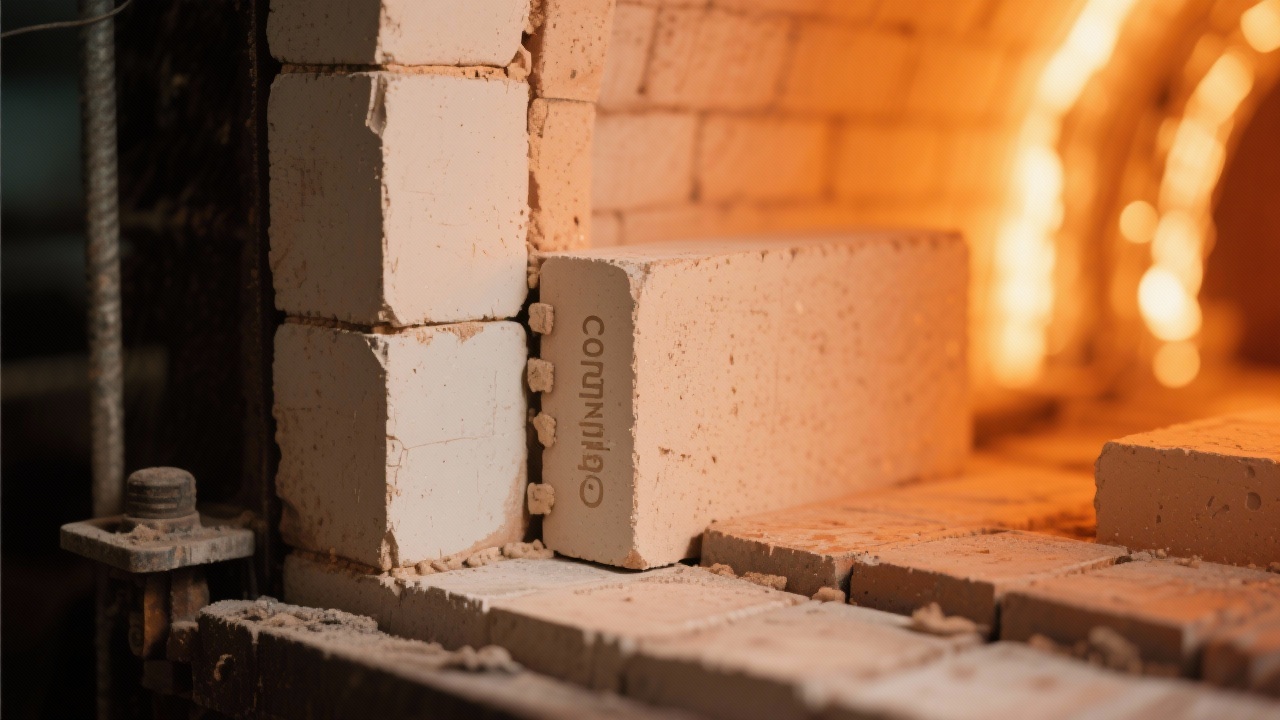
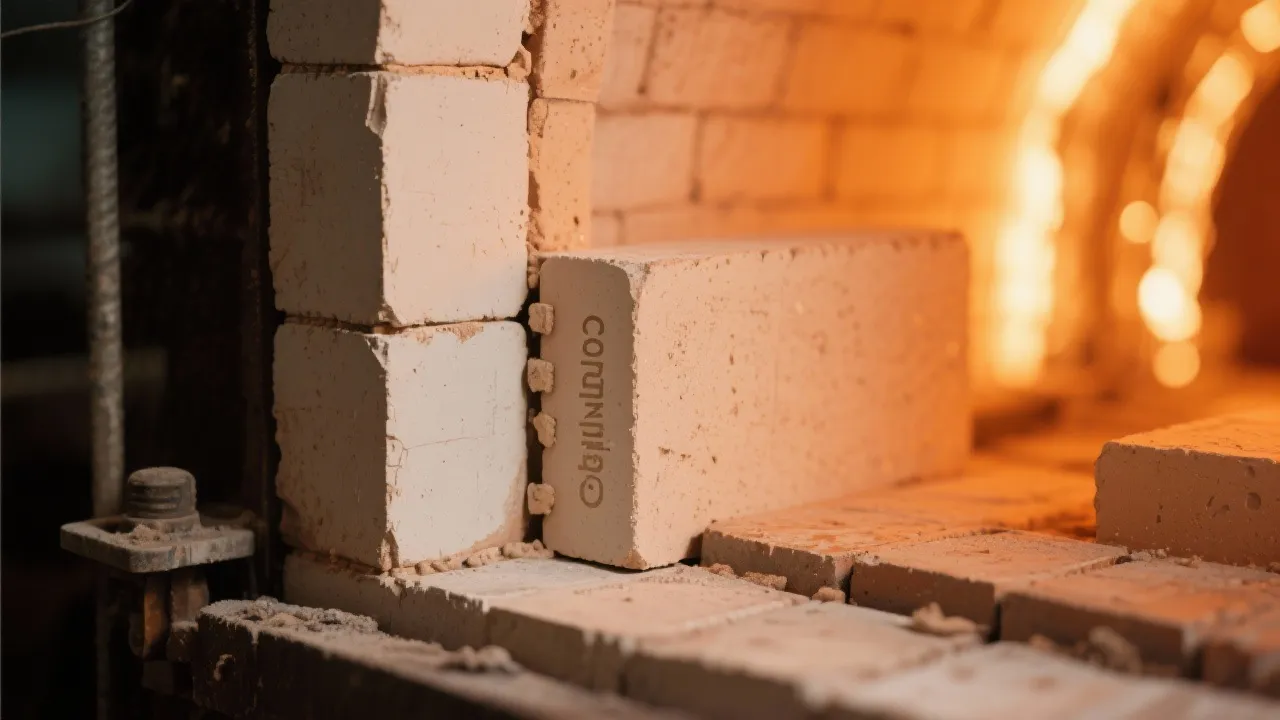
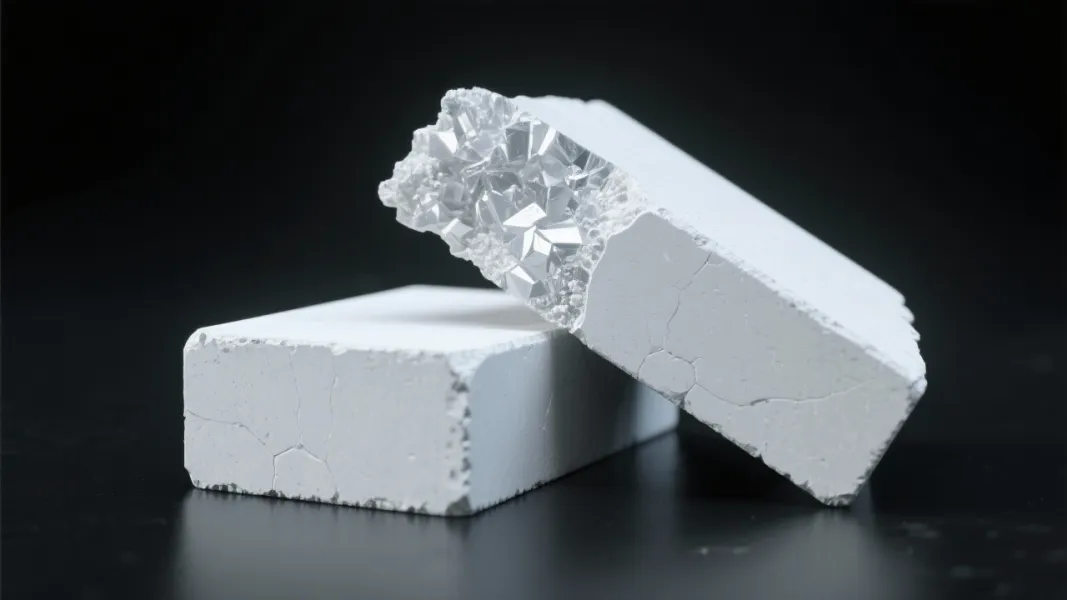
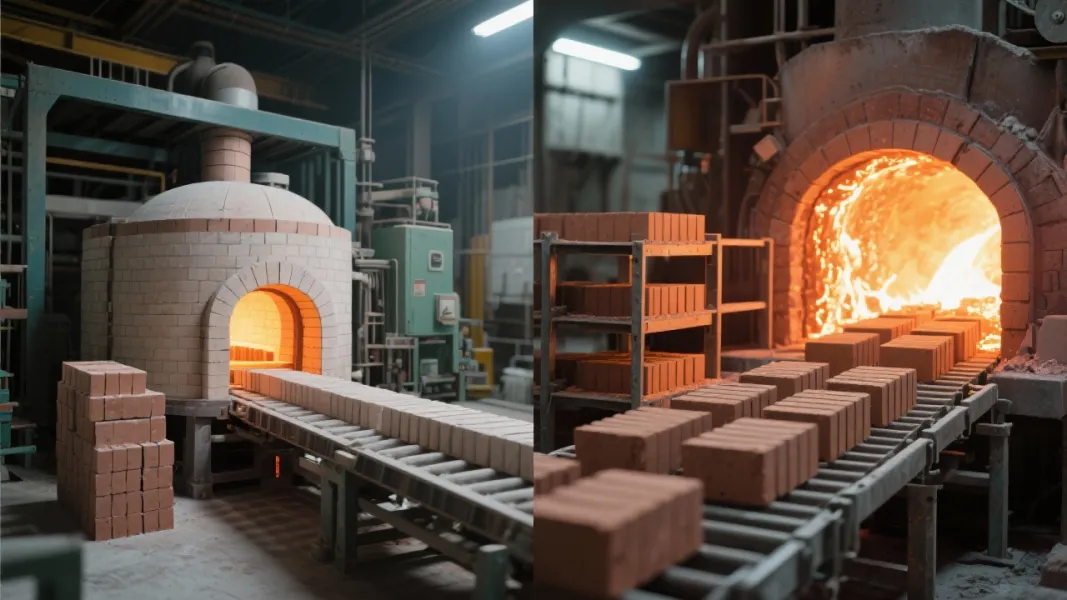
Detailed inspection of blast furnace refractory brick cracks and deformation

Advantages of Low Porosity Refractory Bricks in Maintenance

Low porosity refractory bricks offer superior resistance against molten slag penetration and corrosive atmospheres, directly improving the service life and reducing maintenance frequency. Porosity levels below 8% have been shown to reduce slag infiltration by up to 30%, significantly curbing spalling incidents.

Our company’s premium low-porosity refractory bricks boast consistent pore distribution and optimized mineral composition, providing reliable performance under thermal shock and corrosive environments. Integrating these bricks within furnace linings translates into longer intervals between maintenance cycles and improved operational uptime.

Hotspot Monitoring Using Thermocouple Data for Early Warning

Embedding thermocouples within critical zones enables real-time detection of localized overheating, a common precursor to refractory failure. Data analytics algorithms can flag abnormal temperature rises exceeding 10% over baseline within 24 hours, prompting preventive intervention.

This proactive approach shifts maintenance from reactive replacement to scheduled preventive management, minimizing furnace downtime and extending refractory life.
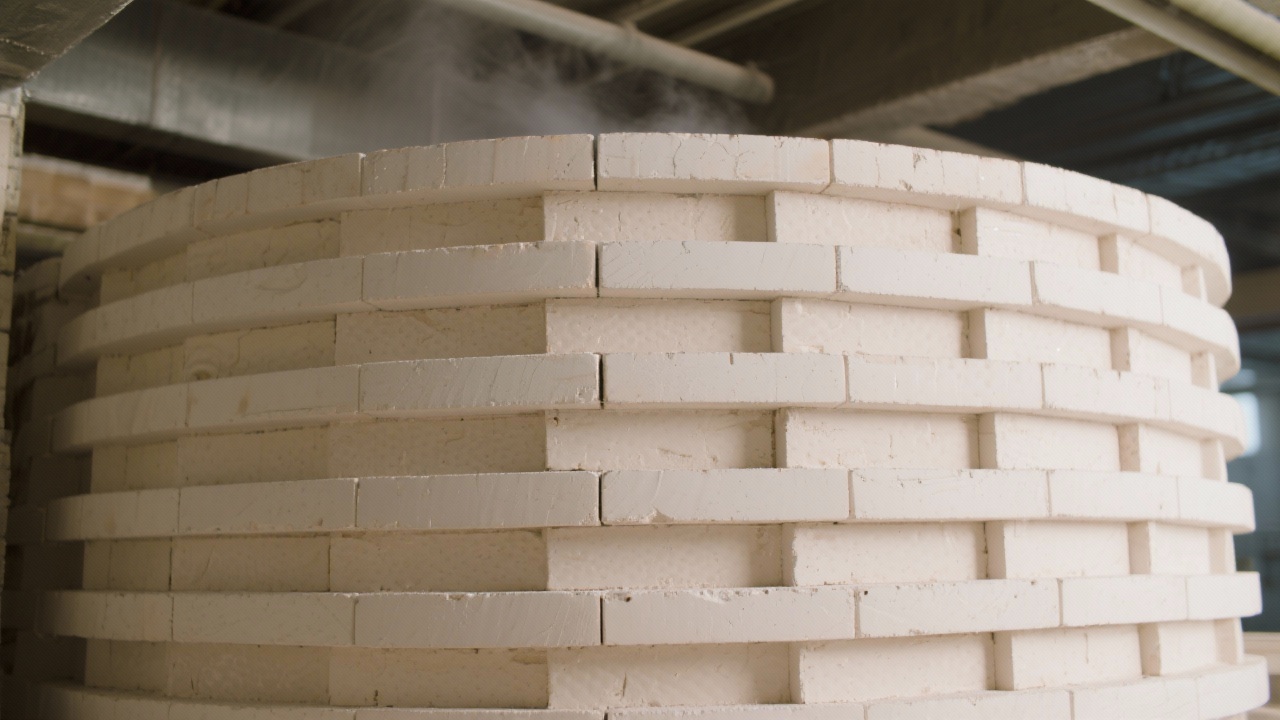
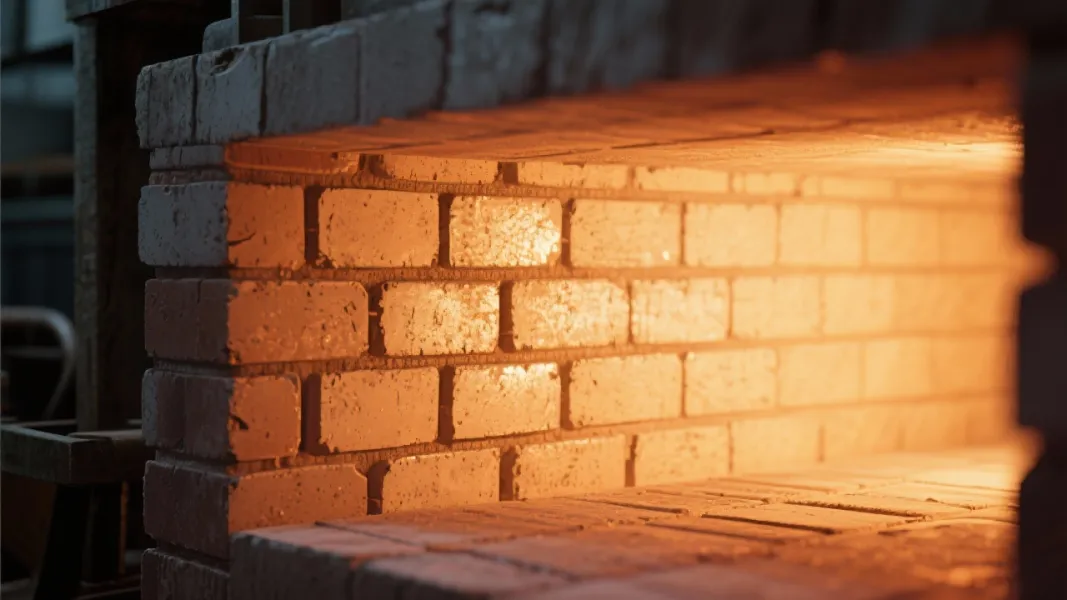
Thermocouple temperature monitoring for refractory hotspot detection and control

The ‘Three Checks and Two Controls’ (三查两控) Practical Guide

The “Three Checks and Two Controls” mnemonic is a straightforward, systematic maintenance strategy aimed at frontline technicians:

  • Three Checks (三查):
    • Check for cracks – visual and non-destructive testing.
    • Check for deformation – gauge distortion levels and structural anomalies.
    • Check for spalling or detachment – identify loose brick sections.
  • Two Controls (两控):
    • Control temperature differences – maintain uniform thermal distribution.
    • Control furnace atmosphere – monitor and adjust gas composition to reduce corrosive exposure.

This cycle promotes a shift from passive and damage-based replacements toward active, predictive maintenance regimes.
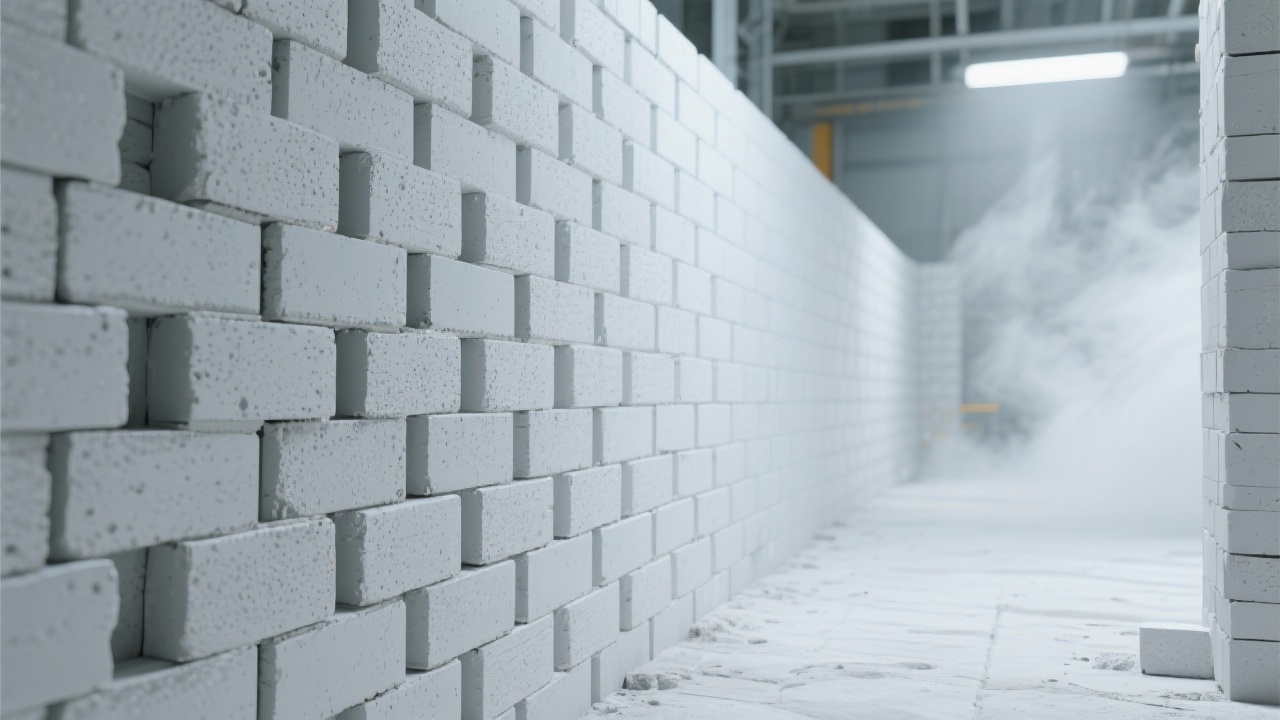
Field case example showing effective implementation of ‘Three Checks and Two Controls’ maintenance routine
Name *
Email *
Message*

Recommended Products

Related Reading

https://shmuker.oss-accelerate.aliyuncs.com/data/oss/20260104/48eeda771791e2331a491503b497640e/7a43be3b-b26a-46aa-a880-fe78a2cd32a9.jpeg
2026-03-02 | https://shmuker.oss-accelerate.aliyuncs.com/tmp/temporary/60ec5bd7f8d5a86c84ef79f2/60ec5bdcf8d5a86c84ef7a9a/20240305161110/eye.png 73 | https://shmuker.oss-accelerate.aliyuncs.com/tmp/temporary/60ec5bd7f8d5a86c84ef79f2/60ec5bdcf8d5a86c84ef7a9a/20240305160636/lable.png Refractory brick thermal shock testing Water quenching vs air cooling Alumina refractory performance Thermal shock resistance standards Low porosity refractory bricks
https://shmuker.oss-accelerate.aliyuncs.com/data/oss/20260104/0be0af08d38c78ae93610cd175d86f35/53ca37ec-24b2-40b6-af70-6ddf7c07883f.jpeg
2026-01-23 | https://shmuker.oss-accelerate.aliyuncs.com/tmp/temporary/60ec5bd7f8d5a86c84ef79f2/60ec5bdcf8d5a86c84ef7a9a/20240305161110/eye.png 427 | https://shmuker.oss-accelerate.aliyuncs.com/tmp/temporary/60ec5bd7f8d5a86c84ef79f2/60ec5bdcf8d5a86c84ef7a9a/20240305160636/lable.png high alumina fireclay brick hot blast stove lining refractory brick installation thermal shock resistant brick refractory material maintenance
https://shmuker.oss-accelerate.aliyuncs.com/data/oss/20260104/602ed0936f2fb20b5ef00c6d871bf937/36186a67-1c23-4f2f-8f3b-fec5827a5bec.jpeg
2026-02-05 | https://shmuker.oss-accelerate.aliyuncs.com/tmp/temporary/60ec5bd7f8d5a86c84ef79f2/60ec5bdcf8d5a86c84ef7a9a/20240305161110/eye.png 224 | https://shmuker.oss-accelerate.aliyuncs.com/tmp/temporary/60ec5bd7f8d5a86c84ef79f2/60ec5bdcf8d5a86c84ef7a9a/20240305160636/lable.png magnesia chrome refractory brick converter lining refractory high temperature refractory material refractory brick slag resistance silicate bonded refractory
https://shmuker.oss-accelerate.aliyuncs.com/data/oss/20260104/87b69b435cb984965667d65312d2ae51/4641bcc2-90c2-4aa1-a467-5653dae359fc.jpeg
2026-01-19 | https://shmuker.oss-accelerate.aliyuncs.com/tmp/temporary/60ec5bd7f8d5a86c84ef79f2/60ec5bdcf8d5a86c84ef7a9a/20240305161110/eye.png 310 | https://shmuker.oss-accelerate.aliyuncs.com/tmp/temporary/60ec5bd7f8d5a86c84ef79f2/60ec5bdcf8d5a86c84ef7a9a/20240305160636/lable.png high alumina fire clay brick high density refractory brick industrial furnace lining thermal shock resistant brick custom refractory solutions
https://shmuker.oss-accelerate.aliyuncs.com/data/oss/20260104/602ed0936f2fb20b5ef00c6d871bf937/36186a67-1c23-4f2f-8f3b-fec5827a5bec.jpeg
2026-01-26 | https://shmuker.oss-accelerate.aliyuncs.com/tmp/temporary/60ec5bd7f8d5a86c84ef79f2/60ec5bdcf8d5a86c84ef7a9a/20240305161110/eye.png 42 | https://shmuker.oss-accelerate.aliyuncs.com/tmp/temporary/60ec5bd7f8d5a86c84ef79f2/60ec5bdcf8d5a86c84ef7a9a/20240305160636/lable.png High-alumina refractory clay bricks Glass furnace refractory materials High-temperature furnace lining technology Refractory brick installation process Refractory material application guide
Hot Products
Popular articles
Recommended Reading