1) Better resistance to penetration
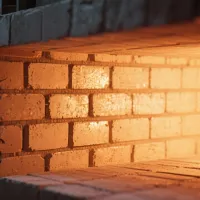
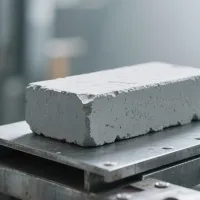
Reduced open pores mean fewer pathways for slag/alkali. In practical maintenance terms: joints stay cleaner longer and washout slows, particularly when joint control is disciplined.
High-Furnace Refractory Maintenance Tutorial (Standardized Guide)
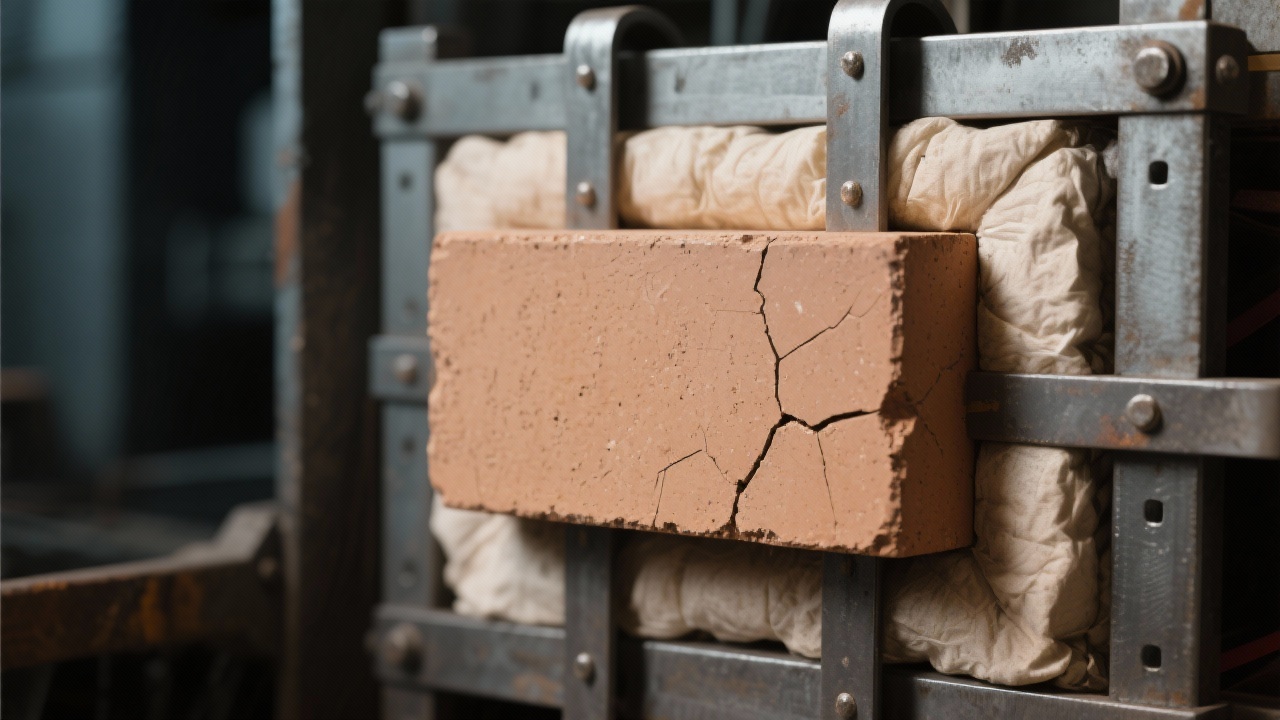
In blast-furnace ironmaking and heavy-duty industrial kilns, refractory bricks rarely fail “suddenly.” They usually give signals—hairline cracks, localized hot spots, joint washout, minor bulging—days or weeks before a costly shutdown. This guide introduces a field-friendly, standardized routine known as Three Checks + Two Controls that helps maintenance teams shift from reactive replacement to proactive life extension, especially when using low-porosity refractory bricks designed for thermal shock and slag/alkali resistance.
Typical refractory wear can accelerate fast once micro-cracks connect to form a pathway for slag penetration. In many ironmaking furnaces, a local temperature rise of 30–60°C above baseline (persisting for 2–4 hours) often precedes visible spalling or joint failure. A standardized inspection rhythm makes those early signals actionable.
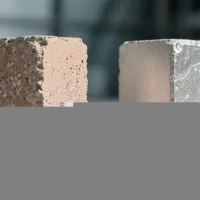
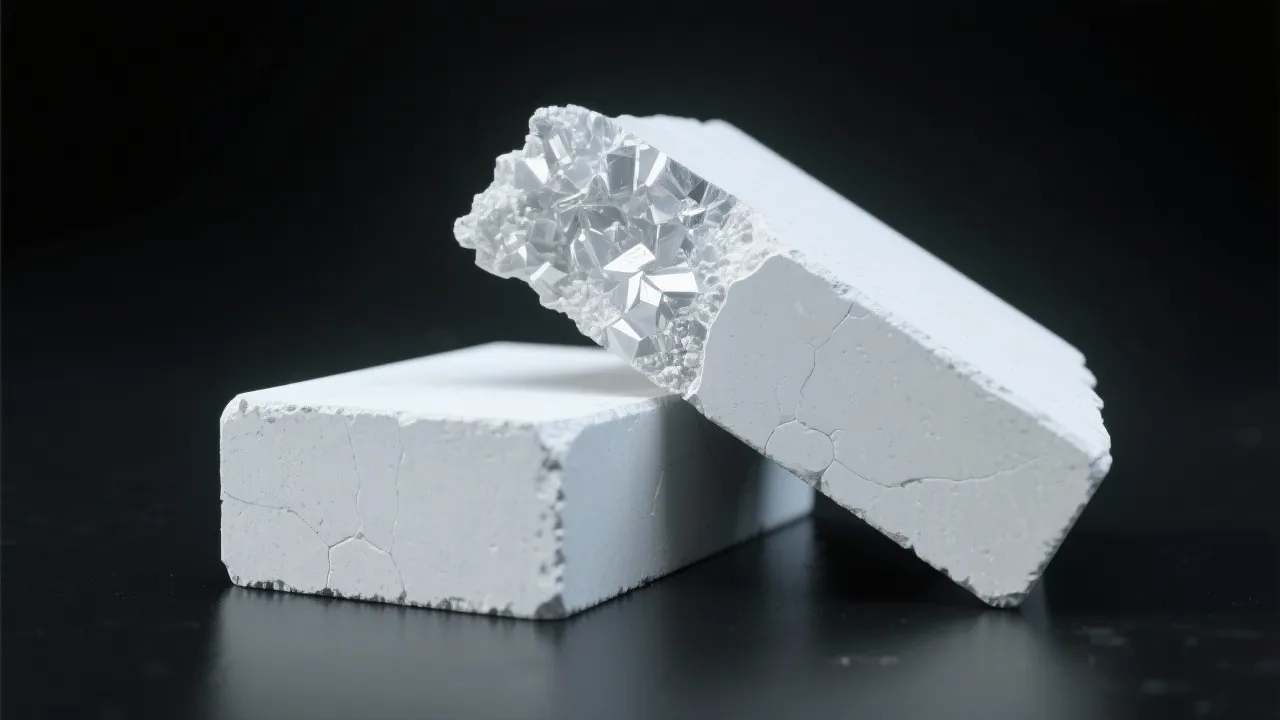
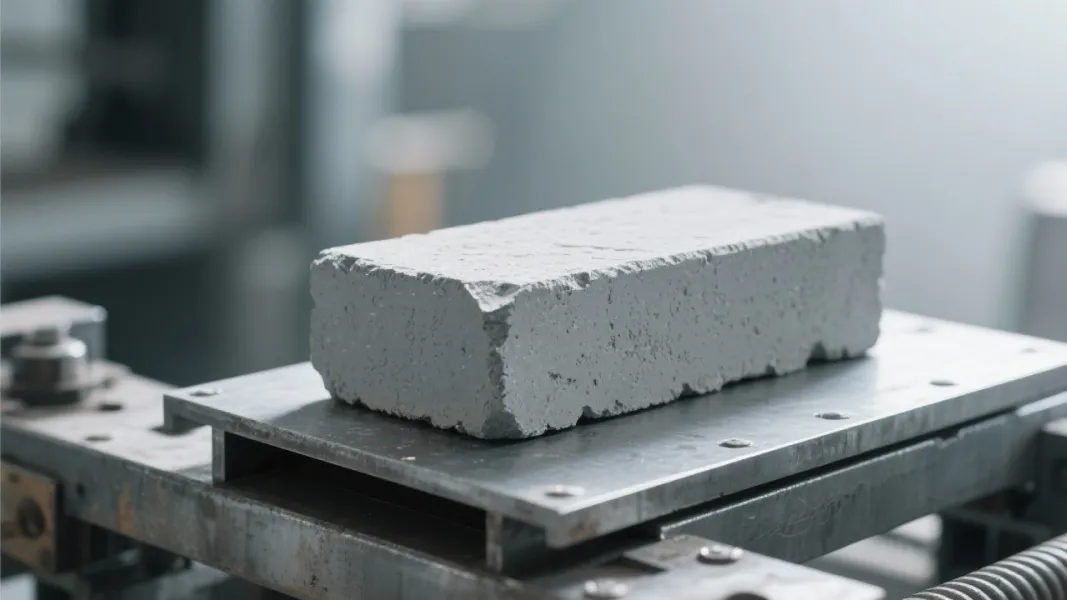
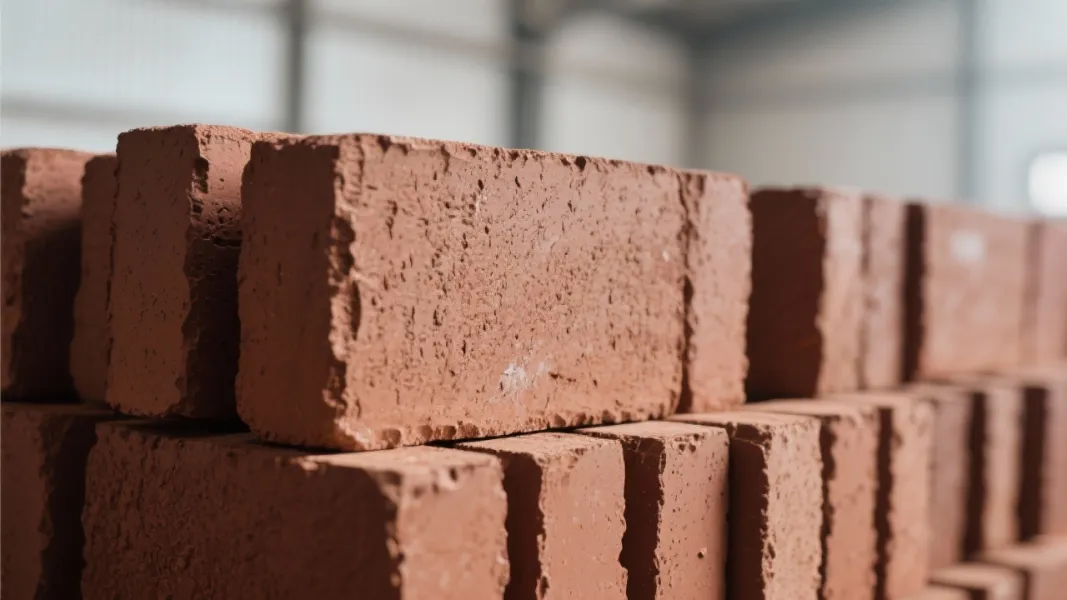
Lower open-porosity typically means lower permeability, reducing melt infiltration and chemical attack. In heavy-duty linings, many low-porosity grades target <12% apparent porosity and achieve higher bulk density, which helps stabilize the hot face under thermal cycling and erosive flow.
The “Three Checks” focus on the most common and most measurable damage types in blast furnaces and industrial kilns: cracks, deformation, and spalling/fall-off. Each check has a recommended frequency and a clear threshold for escalation.
| Check Item | What to Look For (Field Cues) | Suggested Frequency | Escalation Trigger |
|---|---|---|---|
| Crack Check | New hairline cracks, crack widening near joints, “map cracking” on hot face, recurring cracks at the same band | Shift-level visual + weekly recorded photos | Crack growth > 0.2 mm/week or crack length > 80–120 mm in high-stress zones |
| Deformation Check | Bulging, uneven lining profile, abnormal shell strain indications, misalignment at brick courses | Weekly measurements on reference points + monthly trend review | Profile deviation > 3–5 mm per meter or repeated trend acceleration |
| Spalling / Fall-Off Check | Fresh debris, exposed underlayer, sharp edges at hot face, joint washout and “step-like” recession | Shift-level (especially after thermal events) + after planned temperature changes | Spall area > 50 cm² in one spot or repeated spalling in the same band within 30 days |
A practical detail many teams adopt: use the same camera angle and the same reference mark each week. When photos are comparable, crack propagation becomes measurable rather than “subjective.”
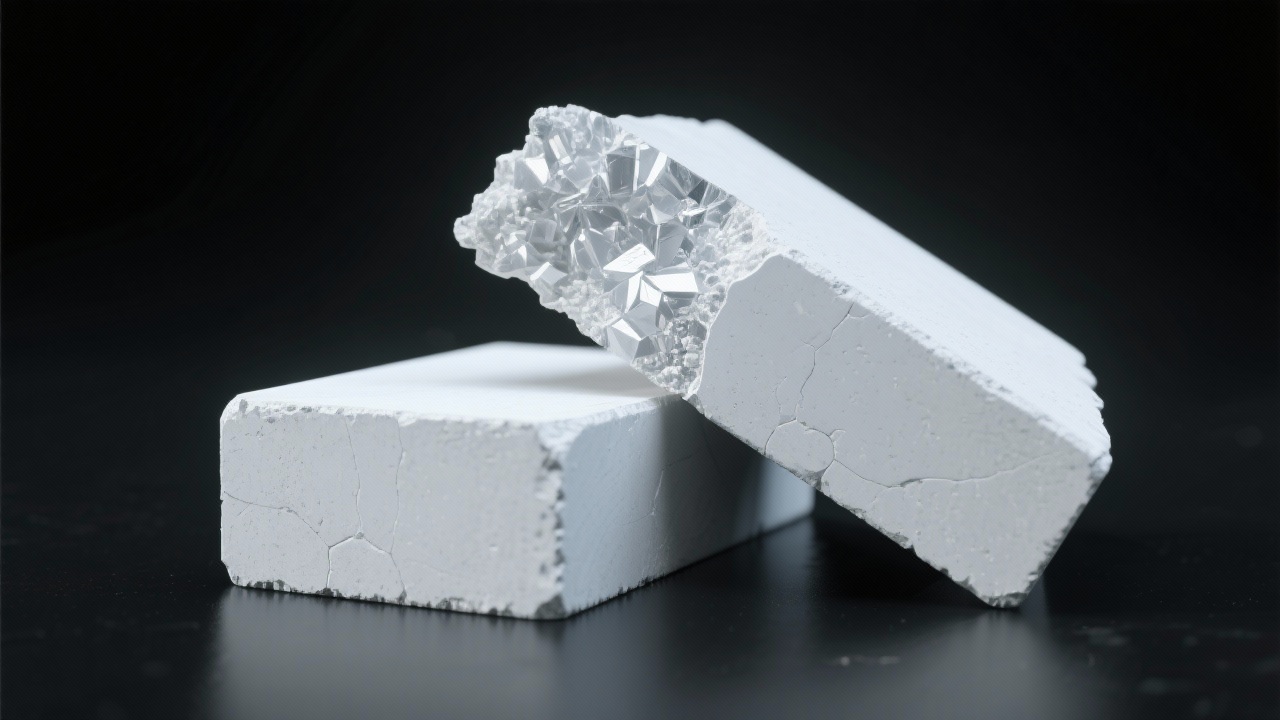
The “Two Controls” target the two most common accelerators of refractory failure: rapid thermal fluctuation and penetration through joints. These controls are often lower-cost than emergency repairs, yet they deliver outsized impact.
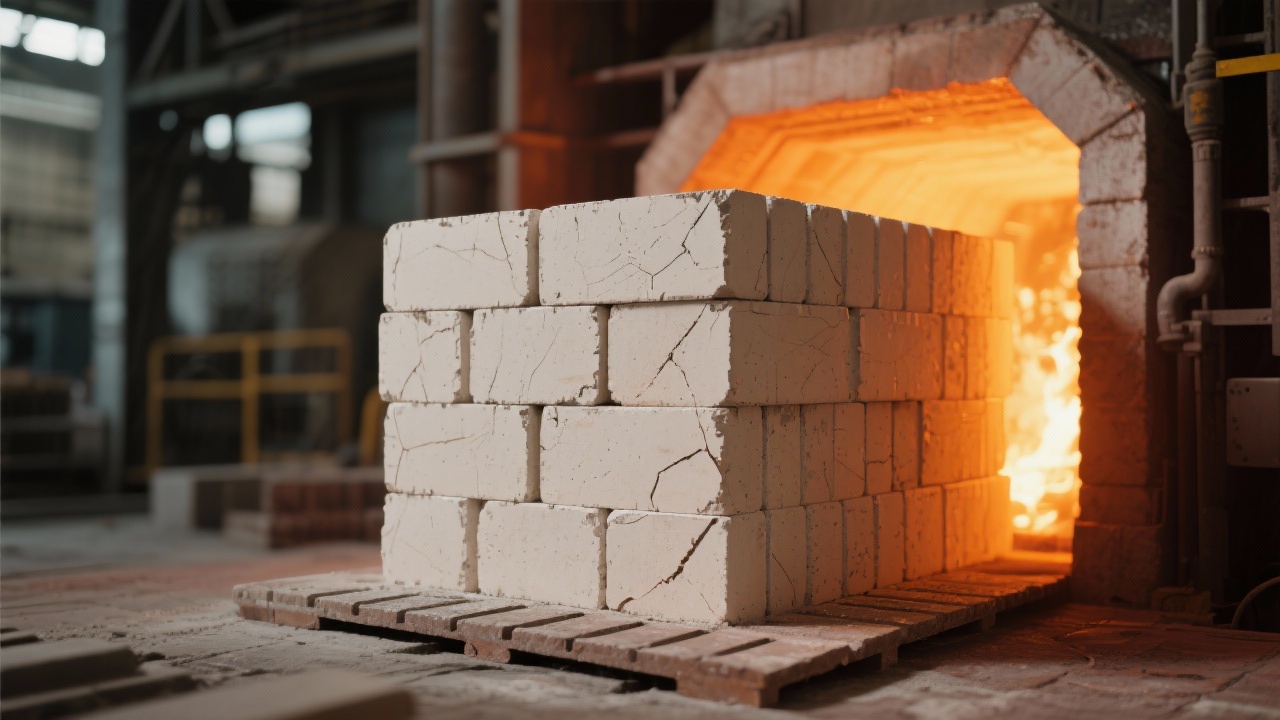
Refractories do not “hate heat”—they hate uneven, fast-changing heat. In many high-temperature operations, frequent swings of ΔT ≥ 80–120°C over short intervals can multiply thermal stress and promote spalling. A practical approach is to set an internal rule: if a planned operational change may cause ΔT > 100°C within 30–60 minutes, the schedule should be staged.
Field-friendly ΔT practices
Common “hidden” sources of temperature shock
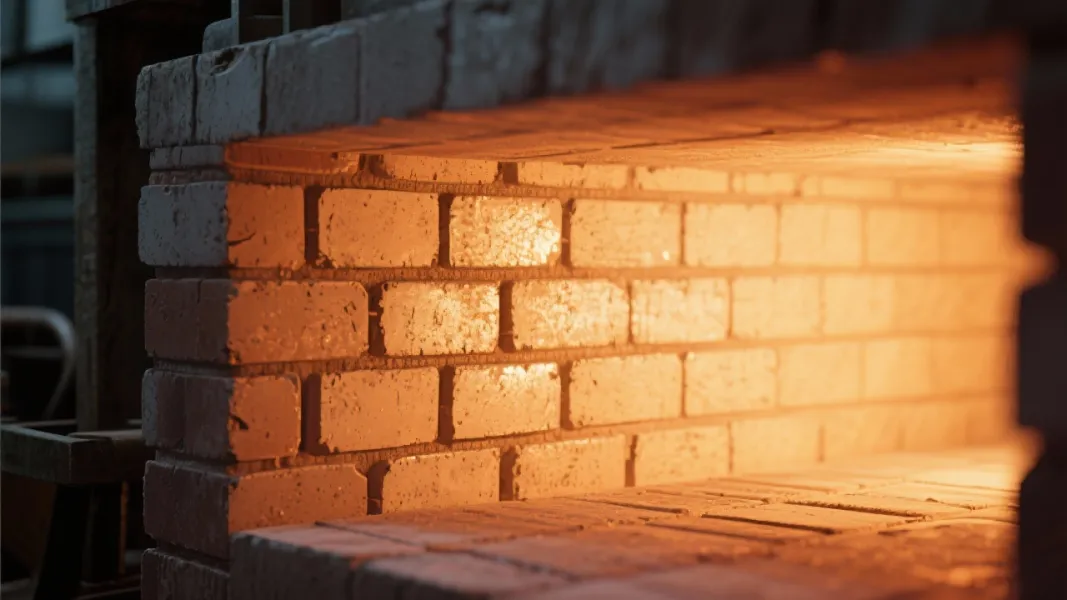
In aggressive zones, the joint can be the “weakest link.” Even with high-grade bricks, poor workmanship creates capillaries for slag and alkali to enter. Many industrial linings aim for a joint thickness of 1.0–2.0 mm where design allows, and they enforce consistent mortar mixing and curing to prevent shrinkage cracking.
| Workmanship Point | Target / Method | Why It Extends Life |
|---|---|---|
| Joint thickness | Control to 1.0–2.0 mm where feasible; use gauges; reject “floating” bricks | Less penetration and less differential expansion concentration |
| Mortar consistency | Standardize water ratio; mix by batch; avoid re-tempering after setting starts | Reduces shrinkage cracks and joint washout |
| Curing & dry-out | Follow staged dry-out; verify moisture release; avoid rapid heating early | Prevents steam spalling and early micro-crack networks |
Operators tend to judge refractory performance by the most visible outcomes: fewer emergency patches, fewer unexplained hot bands, and more stable campaigns. Low-porosity grades typically contribute in three ways:
Reduced open pores mean fewer pathways for slag/alkali. In practical maintenance terms: joints stay cleaner longer and washout slows, particularly when joint control is disciplined.
When ΔT events are unavoidable, low-porosity structures often retain integrity longer. Teams frequently report fewer “chain spalls” after short process disturbances.
Stability is an underrated advantage: when wear becomes smoother and more linear, inspection data turns into schedules—not surprises.
For teams building a case internally, one measurable KPI is the reduction of unplanned repairs. In many heavy-industry sites, shifting from reactive to proactive routines can cut unplanned refractory interventions by 15–30% over a campaign, depending on operating stability and materials selection.
Thermocouples do not replace inspection; they prioritize it. A workable maintenance logic is to treat temperature as a trend, not a single point. When a channel begins to rise while neighbors remain stable, that asymmetry often matters more than the absolute value.
When Level 2 or Level 3 triggers occur, experienced teams typically do two things in parallel: (1) verify process stability (airflow, burden distribution, cooling water balance), and (2) schedule targeted inspection of the corresponding lining band. This is where the “Three Checks” become faster—data tells technicians where to look first.
To make standardization stick across shifts, many plants post a short mnemonic on the control room board and inspection route cards:
Three Checks: Check cracks → check deformation → check spalling/fall-off
Two Controls: Control temperature swings (ΔT) → control joints & workmanship
This kind of simple language helps avoid “inspection drift,” where different teams look for different things and trends become impossible to compare.
Even the best operating discipline benefits from the right refractory choice. Low-porosity refractory bricks are often selected to reduce infiltration-driven damage, especially where slag/alkali attack and thermal cycling overlap. The most helpful procurement mindset is to match a brick’s structure to the zone’s failure mode—then lock in the “Two Controls” so the lining performs as designed.
Suggested message for internal alignment: “Choose our stable, high-efficiency low-porosity refractory bricks to keep your blast furnace running longer and safer.”
Share your furnace type, temperature range, slag condition, and current failure pattern. Our team will recommend a suitable low-porosity grade and an installation checklist aligned with the “Three Checks, Two Controls” routine.
Request Our Low-Porosity Refractory Brick Selection Support
 361
|
361
|
 EAF magnesia carbon brick alkali resistance
sintered magnesia carbon brick technology
refractory chemical stability
EAF lining maintenance
high temperature industrial furnace refractories
EAF magnesia carbon brick alkali resistance
sintered magnesia carbon brick technology
refractory chemical stability
EAF lining maintenance
high temperature industrial furnace refractories
 326
|
Corundum refractory bricks
High alumina content
Wear resistance
Refractoriness of 1700°C
Metallurgical furnace refractory materials
326
|
Corundum refractory bricks
High alumina content
Wear resistance
Refractoriness of 1700°C
Metallurgical furnace refractory materials
 38
|
high alumina fire clay brick
industrial furnace lining
refractory material technology
thermal shock resistant brick
custom refractory solution
38
|
high alumina fire clay brick
industrial furnace lining
refractory material technology
thermal shock resistant brick
custom refractory solution
 102
|
electric arc furnace refractory materials
sintered magnesia carbon bricks
magnesia carbon brick thermal shock resistance
high-temperature furnace lining
magnesia carbon brick application cases
175
|
corundum refractory brick
high-alumina refractory materials
refractory brick service life improvement
refractory material applications
alumina content over 90%
102
|
electric arc furnace refractory materials
sintered magnesia carbon bricks
magnesia carbon brick thermal shock resistance
high-temperature furnace lining
magnesia carbon brick application cases
175
|
corundum refractory brick
high-alumina refractory materials
refractory brick service life improvement
refractory material applications
alumina content over 90%