
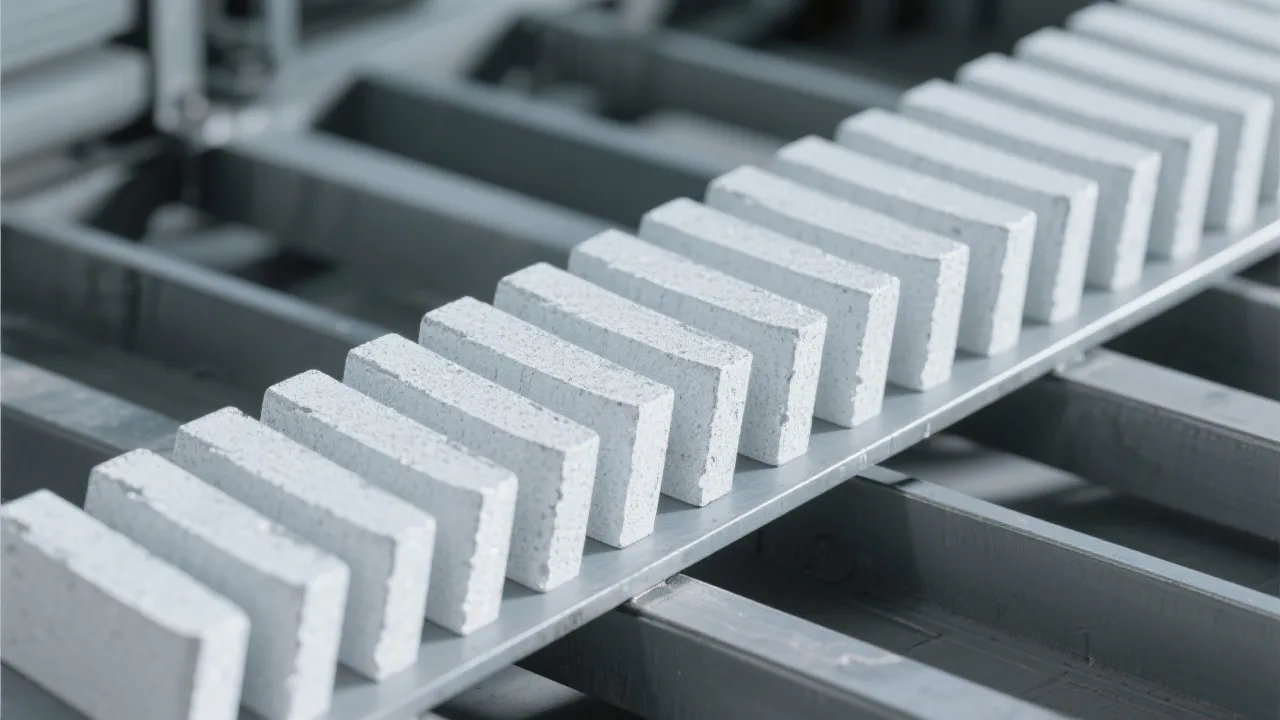
In the demanding environments of the metallurgical and glass industries, choosing the right refractory bricks is crucial. The corundum refractory bricks we are discussing here are characterized by a high alumina content of over 90%. This high alumina percentage gives the bricks excellent chemical stability and heat resistance. For example, compared with ordinary refractory bricks with lower alumina content, these bricks can better withstand the corrosion of acidic and alkaline substances at high temperatures.
The corundum crystal phase in the bricks also plays a vital role. It provides the bricks with outstanding cold - pressing strength, often reaching values that can withstand heavy loads during installation and use. In addition, the crystal structure contributes to the excellent wear resistance of the bricks, ensuring a long service life even in abrasive industrial environments.
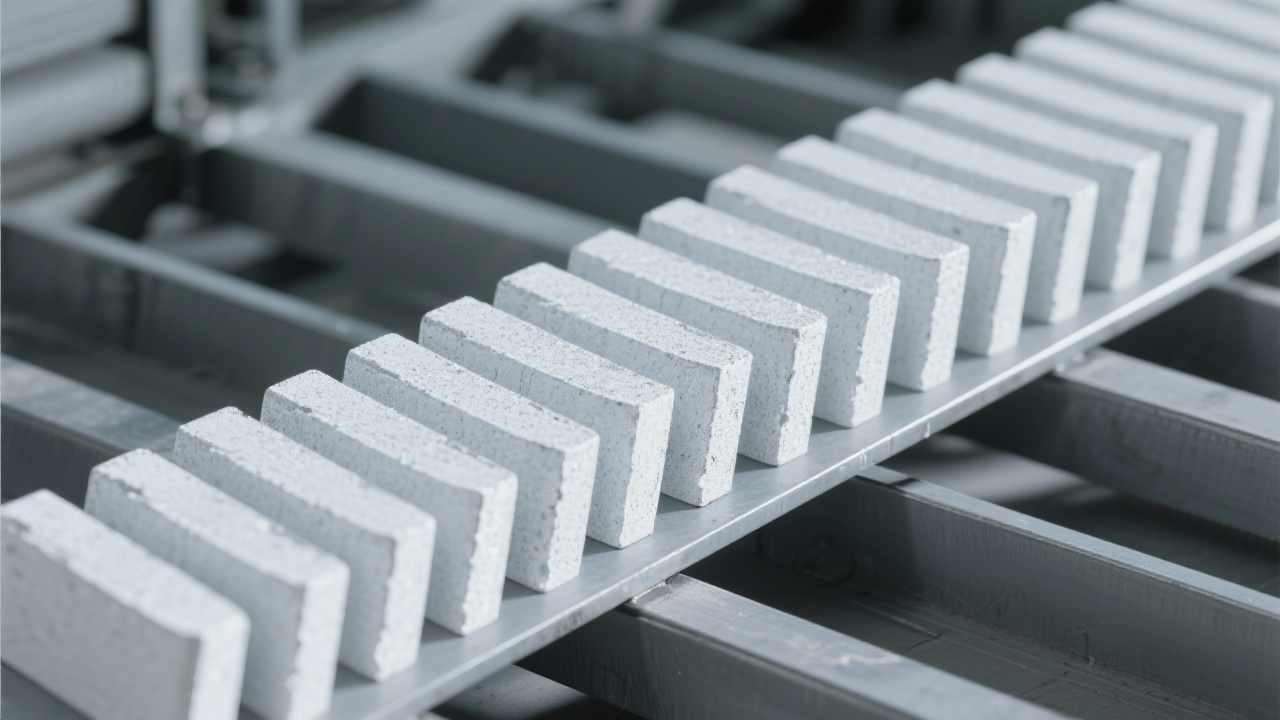
There are two main manufacturing processes for corundum refractory bricks: sintering and melting. Sintered refractory bricks are produced by high - temperature sintering of raw materials. They generally have good porosity control, which can enhance their insulation properties. On the other hand, melted refractory bricks are formed by melting the raw materials at extremely high temperatures and then solidifying them. These bricks usually have a more uniform structure and higher density, resulting in better performance in terms of heat resistance and chemical corrosion resistance.
Let's look at some data. In terms of cold - pressing strength, sintered bricks may have a cold - pressing strength of around 50 - 80 MPa, while melted bricks can reach 100 - 150 MPa. In terms of wear resistance, melted bricks can reduce the wear rate by about 30% compared to sintered bricks in some abrasive environments.
In the metallurgical industry, where high - temperature molten metals and strong chemical reactions occur, these corundum refractory bricks show their unique advantages. For example, in a steel - making furnace, the high alumina content and excellent heat resistance of the bricks can withstand the high - temperature erosion of molten steel, which can reach over 1700℃. In a glass - making furnace, the bricks can resist the corrosion of glass melt and various chemical additives, ensuring the stable operation of the furnace.
An actual case is a glass manufacturing company. After replacing ordinary refractory bricks with our high - alumina corundum refractory bricks, the service life of the furnace increased by 20%, and the maintenance cost was reduced by 15%. This shows that these bricks can bring significant economic benefits to enterprises.
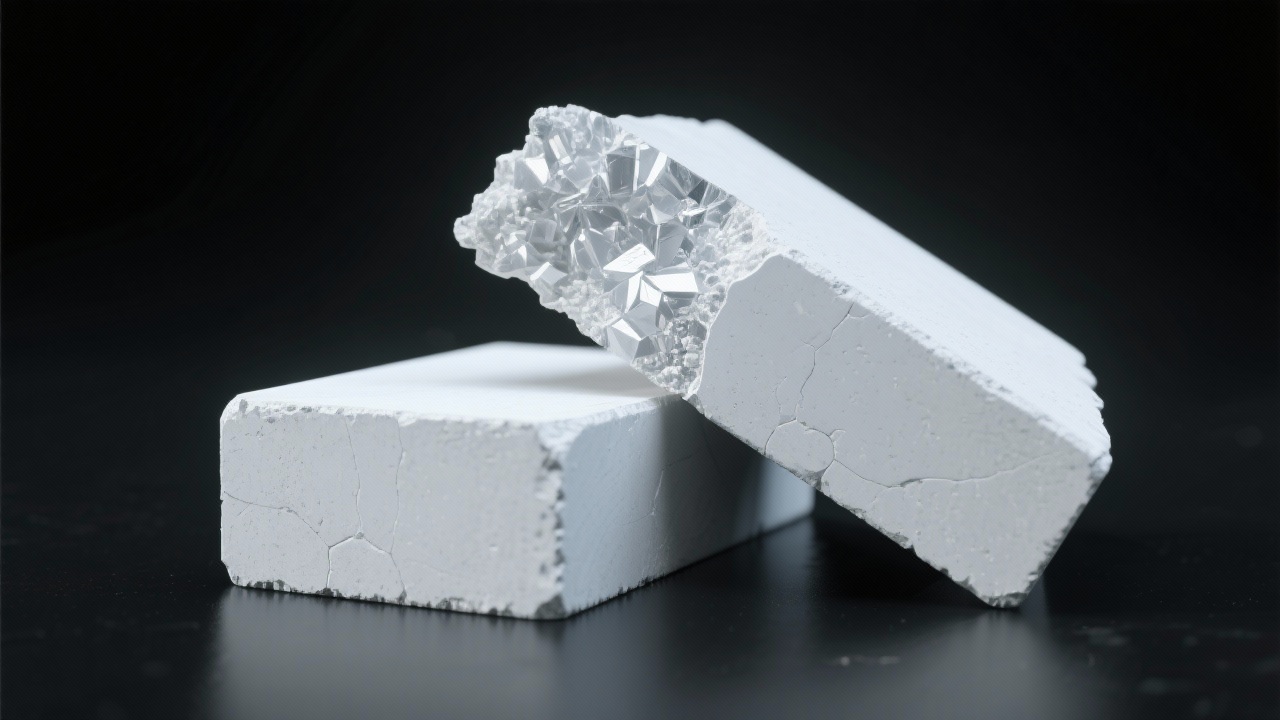
In terms of wear resistance, the corundum refractory bricks have a wear rate of less than 5% under standard test conditions, which is much lower than that of ordinary refractory bricks. Their compressive strength can reach up to 150 MPa, ensuring that they can withstand the pressure in high - pressure industrial environments. In terms of high - temperature stability, the bricks can maintain their structural integrity at temperatures above 1700℃, with a thermal expansion coefficient of less than 0.5%.
These technical indicators translate into real - world benefits. For example, in a long - term high - temperature operation, the high - temperature stability of the bricks can reduce the risk of cracking and deformation, thereby reducing the frequency of equipment replacement and maintenance.
By comparing different products in terms of technical parameters and performance data, users can make more scientific and reasonable product selection decisions. For example, if the application requires high insulation performance, sintered refractory bricks may be a better choice. However, if the environment has high requirements for chemical corrosion resistance and wear resistance, melted refractory bricks are more suitable.
We have also prepared a detailed technical white paper that provides more in - depth technical analysis and comparison data. By downloading this white paper, you can have a more comprehensive understanding of these products and make a more informed decision.
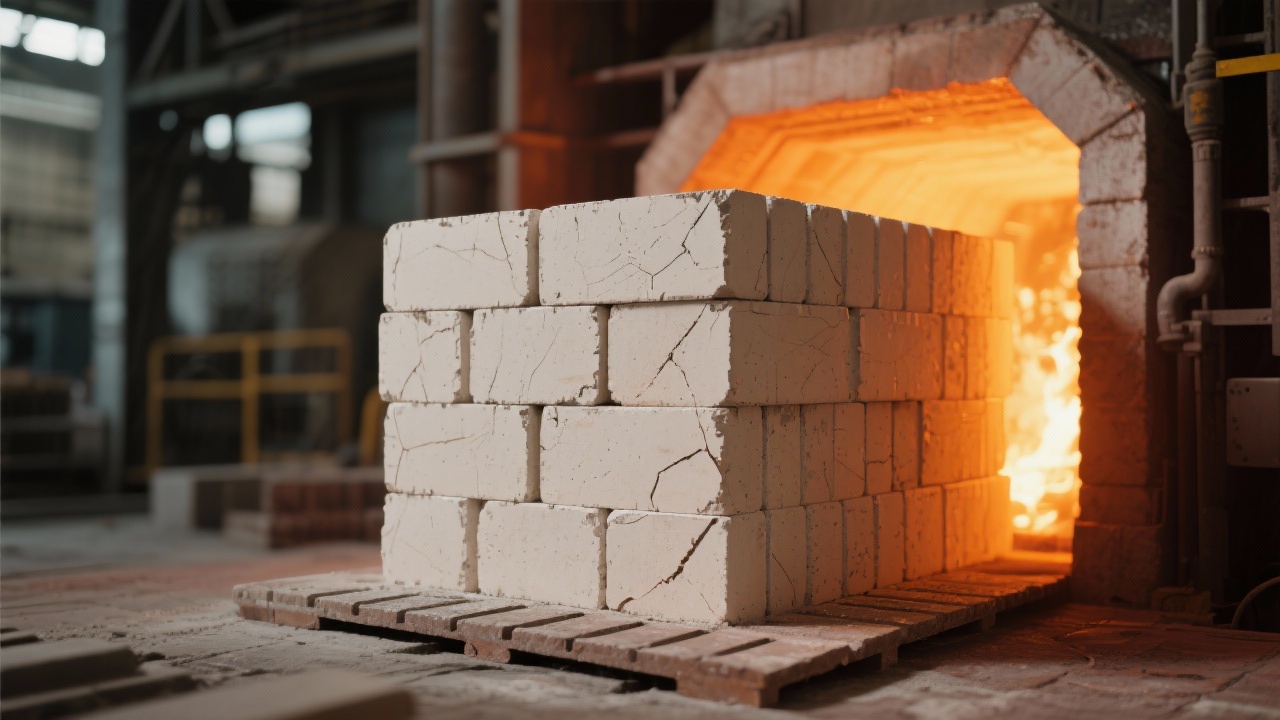
These corundum refractory bricks can significantly reduce the downtime of industrial equipment. In the metallurgical and glass industries, equipment downtime means huge economic losses. By using these high - performance bricks, the service life of the equipment can be extended, and the frequency of maintenance and replacement can be reduced. For example, a metallurgical enterprise can save up to 20% of the annual maintenance cost after using our products.
If you want to learn more about the selection guide of corundum refractory bricks for the metallurgical and glass industries, or download our technical white paper, please click here.

 471
|
471
|
 corundum refractory bricks
sintering process
melting process
high - temperature wear - resistant materials
refractory brick selection
402
|
alumina refractory bricks
glass melting furnace lining
high temperature耐火材料
fused alumina brick
sintered alumina brick
243
|
corundum refractory bricks
high temperature corrosion resistant materials
alumina refractory bricks
refractory brick manufacturing process
refractory brick applications
117
|
alumina refractory bricks
high-temperature refractory materials
sintered refractory bricks
fused refractory bricks
high alumina bricks
175
|
corundum refractory brick
high-alumina refractory materials
refractory brick service life improvement
refractory material applications
alumina content over 90%
corundum refractory bricks
sintering process
melting process
high - temperature wear - resistant materials
refractory brick selection
402
|
alumina refractory bricks
glass melting furnace lining
high temperature耐火材料
fused alumina brick
sintered alumina brick
243
|
corundum refractory bricks
high temperature corrosion resistant materials
alumina refractory bricks
refractory brick manufacturing process
refractory brick applications
117
|
alumina refractory bricks
high-temperature refractory materials
sintered refractory bricks
fused refractory bricks
high alumina bricks
175
|
corundum refractory brick
high-alumina refractory materials
refractory brick service life improvement
refractory material applications
alumina content over 90%


