Extending Copper Smelting Furnace Life by 30% with Chrome Corundum Bricks: Key Technologies and Case Analysis

2026-03-10
Huana High Temperature
Solution
Copper smelting furnaces are subjected to extreme high temperatures, strong reducing atmospheres, and corrosive environments, often leading to limited refractory lifespan and frequent maintenance shutdowns. This article focuses on the advanced advantages of chrome corundum bricks, detailing how their dense microstructure and stable crystalline phases effectively resist metal melt erosion and sulfide infiltration. It presents three critical technical strategies—furnace design optimization, bricklaying quality control, and temperature gradient management—to achieve over 30% life extension of copper smelting furnaces. Through typical fault case studies and proactive maintenance methods, the article offers practical solutions that help enterprises reduce repair costs and enhance continuous operation efficiency. This comprehensive analysis is designed to support engineers, operators, and management in improving furnace durability and economic performance.
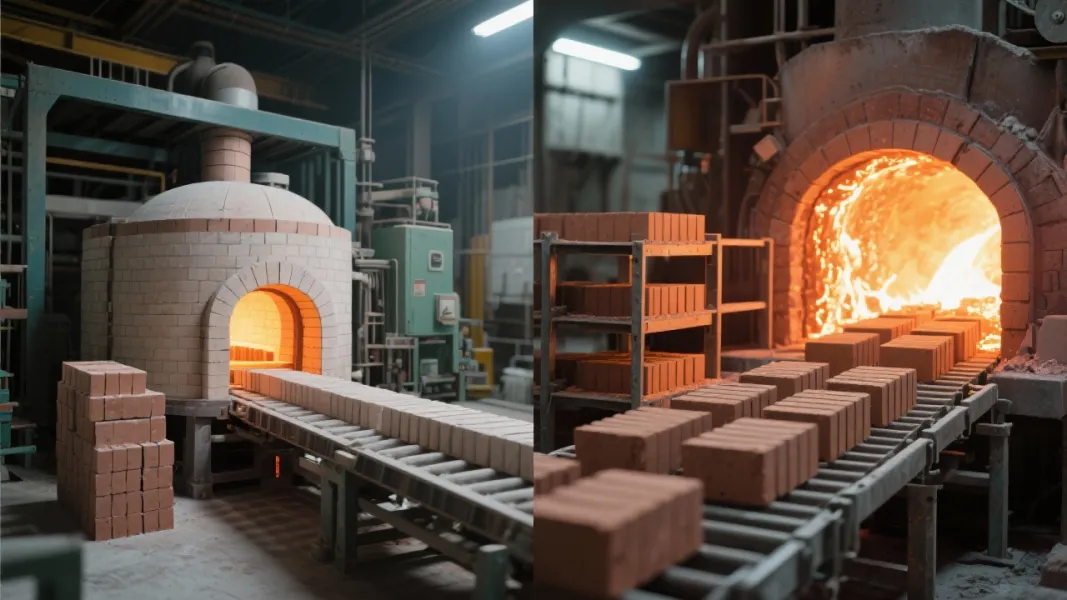
https://shmuker.oss-accelerate.aliyuncs.com/data/oss/20260104/1d82d76c0dcca2ccf38620a31948bd9f/7017bcd6-cba3-40e9-9ea7-ac54f1fa46ff.jpeg

Extending Copper Smelting Furnace Lifespan by Over 30% Using Chrome Corundum Bricks: Key Technical Pathways and Case Studies

Copper smelting furnaces operate under extremely harsh conditions characterized by high temperatures, strong reductive atmospheres, and aggressive corrosive elements. This environment severely limits the lifespan of conventional refractory materials, often resulting in frequent downtime for repairs and significant operational costs. Huanai High Temperature presents an advanced solution leveraging the superior properties of chrome corundum bricks to substantially extend the service life of smelting furnaces by over 30%, while simultaneously reducing maintenance frequency and enhancing overall economic efficiency.

Common Challenges of Refractory Wear in Copper Smelting Furnaces

Traditional refractory bricks suffer damage mainly due to thermal shock, corrosive ingress—especially of sulfur compounds—and mechanical erosion caused by molten metal and slag flow. Typical symptoms include spalling, cracking, and penetration by corrosive agents that compromise structural integrity. These failures necessitate frequent shutdowns for repairs, impacting smelting continuity and increasing costs.

Material Mechanism Behind Chrome Corundum Bricks’ Superior Performance

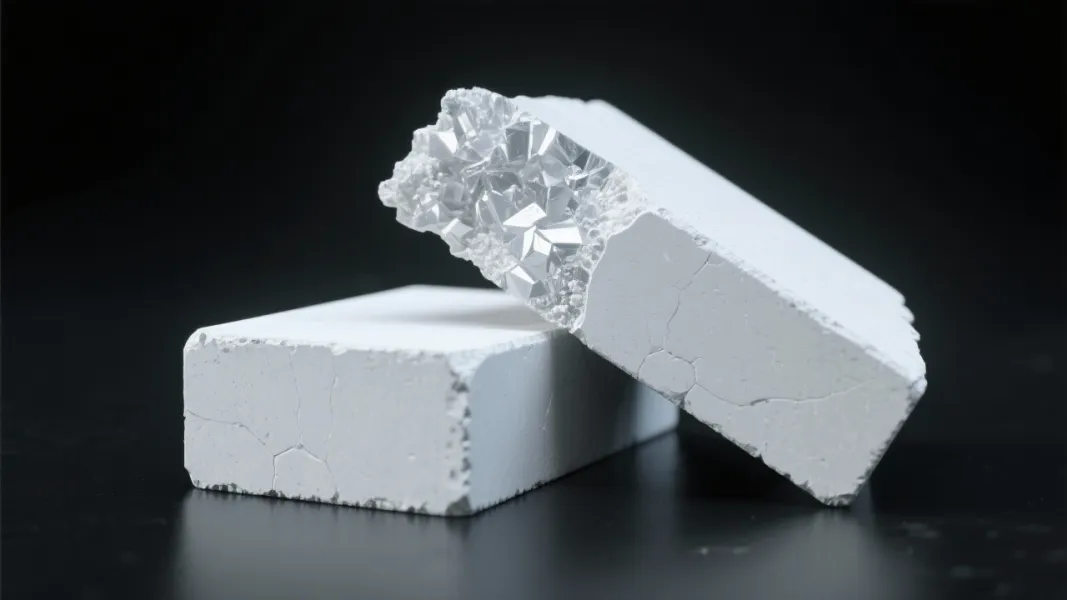
Unlike conventional high-alumina bricks, chrome corundum bricks combine a highly dense microstructure with stable crystalline phases of corundum (Al₂O₃) and chrome oxide (Cr₂O₃). This unique composition delivers:

  • Dense, less porous structure: Minimizes penetration of corrosive sulfur compounds and molten metals.
  • Stable spinel and corundum phases: Provide excellent resistance against chemical attack and thermal cycling.
  • Exceptional abrasion and erosion resistance: Effectively withstands mechanical scouring by molten slags and metal liquids.

These intrinsic properties result in significantly enhanced durability, as demonstrated by lab-controlled results showing corrosion rate reductions of over 40% compared to conventional refractory bricks.
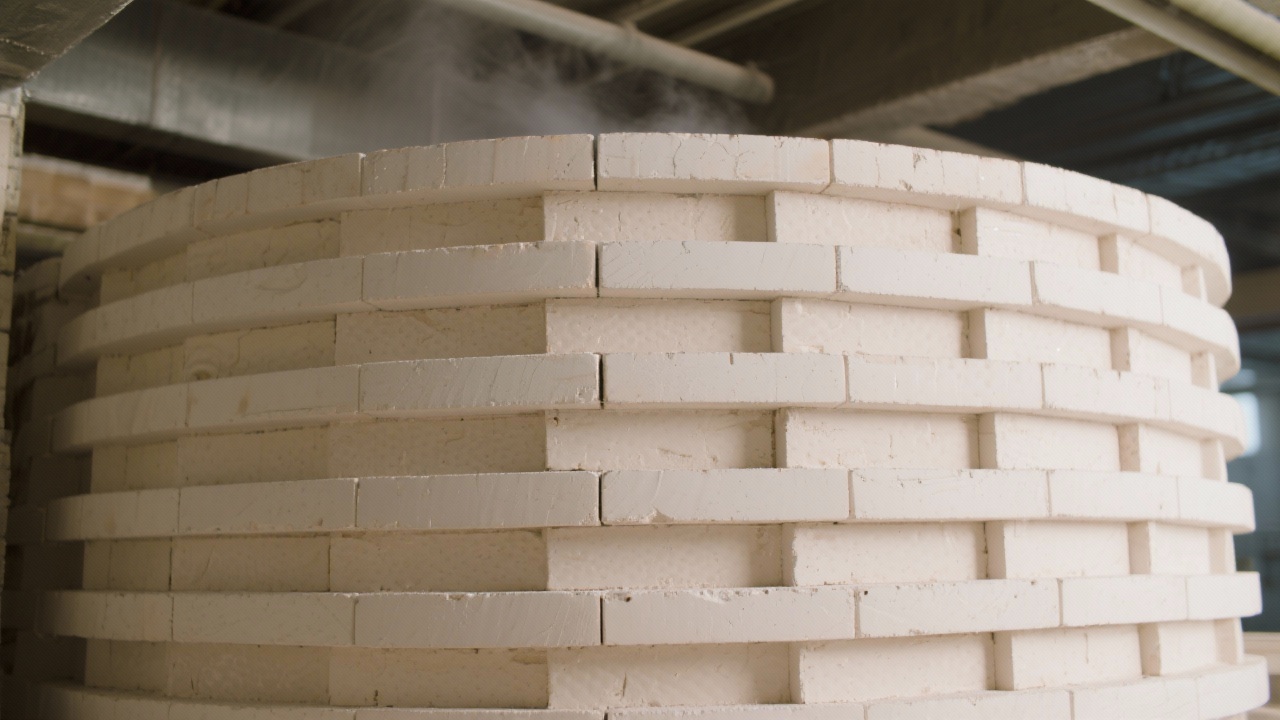
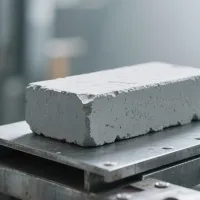
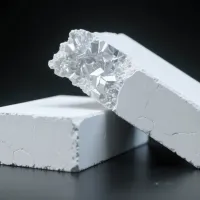
Microstructure illustration of dense and stable chrome corundum brick

Three Key Technical Pathways for Maximized Furnace Lifespan

To fully realize the advantages of chrome corundum bricks, Huanai High Temperature advocates integrating their material properties within a holistic furnace management system consisting of:

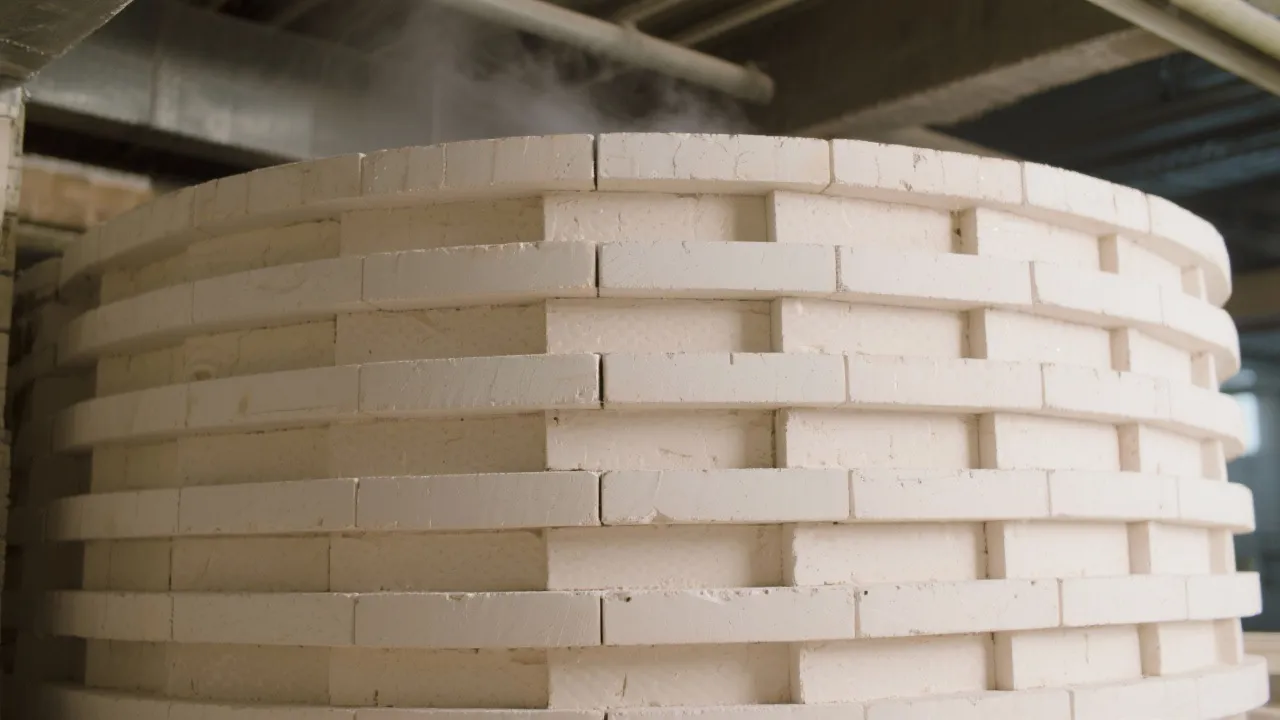
  1. Furnace Design Optimization: Adjusting geometry to reduce localized erosion zones and distributing thermal load more evenly to diminish hot spots that accelerate brick degradation.
  2. Installation & Masonry Quality Control: Employing skilled craftsmanship with precise joint detailing and bonding materials compatible with chrome corundum bricks prevents early-stage mechanical failures and gap formation.
  3. Temperature Gradient Management: Utilizing advanced monitoring and controlled heating/cooling ramp rates to limit thermal stresses and prevent fissure development.

Implementing these pathways systematically has led to proven operational extensions, delivering an increase of maintenance intervals by at least 30%, confirmed in multiple industrial settings.
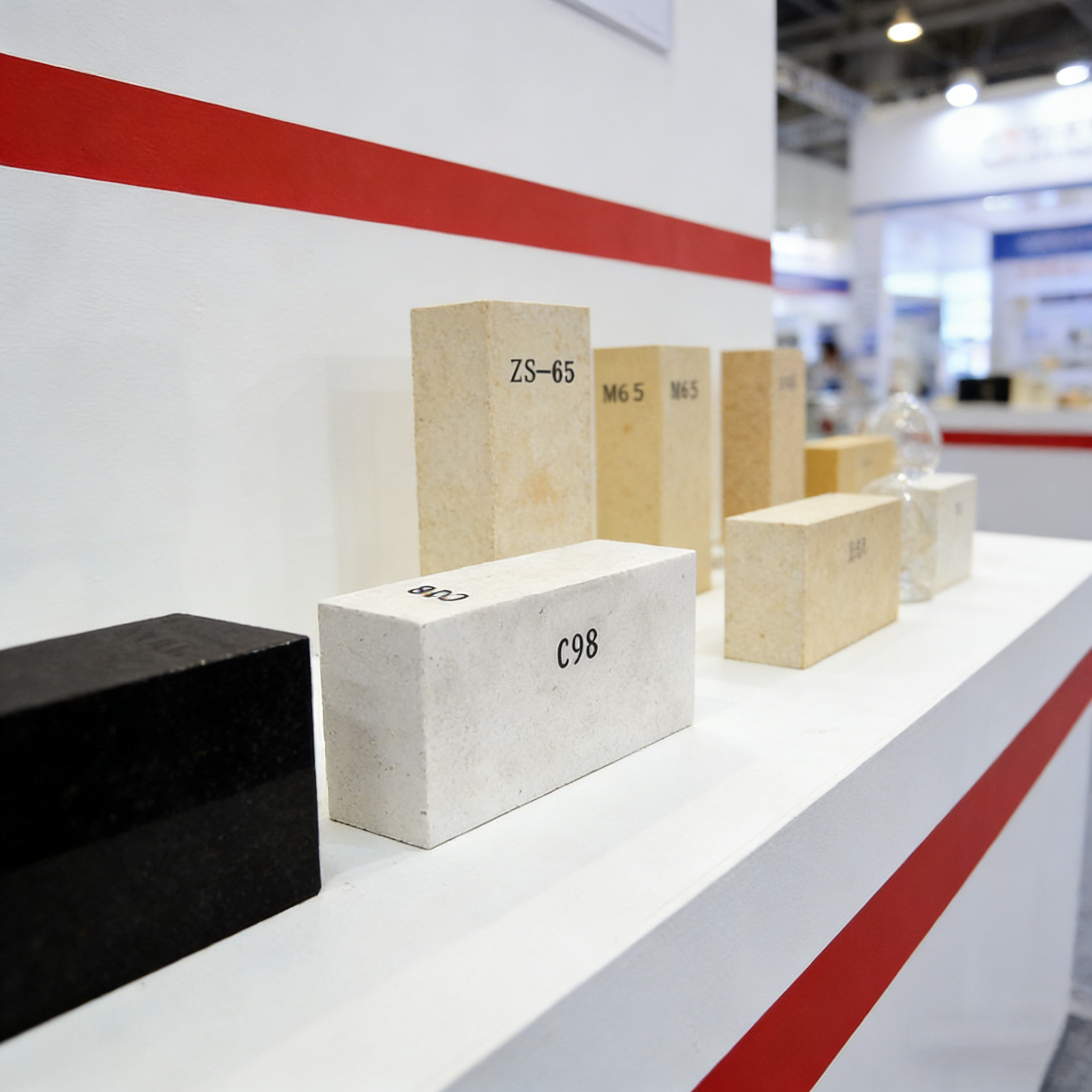
Performance comparison chart between chrome corundum and traditional refractory bricks

Case Study Analysis: Diagnosing and Preventing Common Failures

One prevalent failure mode observed in copper smelting furnaces is sulfur-induced corrosion combined with mechanical erosion at the tuyere zone. Failure analysis indicates that inadequate mortar bonding and uneven temperature distribution accelerate brick spalling.

Preventive maintenance strategies promoted by Huanai High Temperature include:

  • Routine infrared thermography to detect thermal anomalies early.
  • Scheduled ultrasonic inspections to assess brick integrity and detect internal cracks.
  • Periodic surface condition monitoring with corrosion-resistant coatings applied selectively for enhanced protection.

Adopting these maintenance protocols combined with chrome corundum bricks can lead to a >30% extension in furnace runtime, lessening unplanned outages and significantly lowering repair costs.
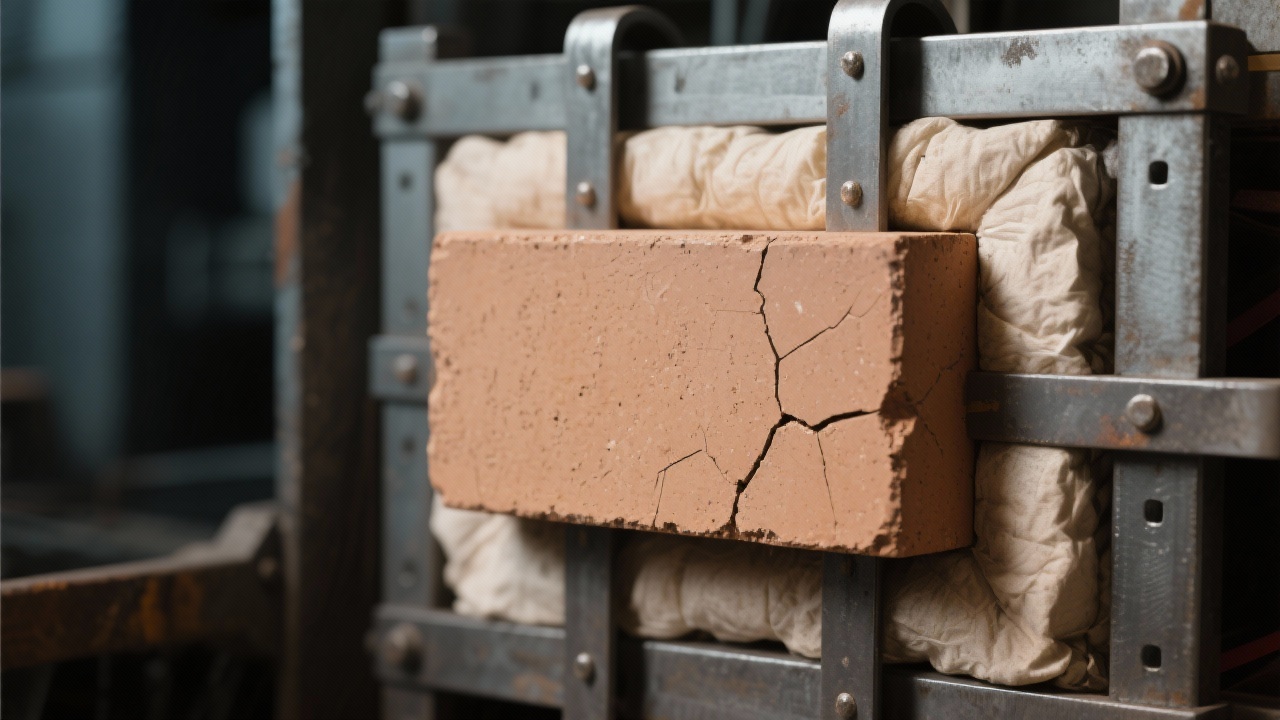
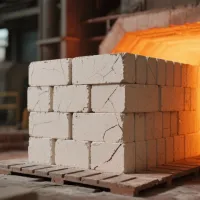
Typical refractory failure spot in copper smelting furnace and inspection techniques

Economic and Operational Benefits of Chrome Corundum Bricks

The upfront investment in premium chrome corundum bricks and complementary installation may be higher by approximately 15–20% compared to traditional materials. However, lifecycle cost analysis reveals:

  • Reduced furnace downtime by 25–35% annually, increasing overall plant productivity.
  • Lowered maintenance labor and material costs by up to 40% due to extended intervals between repairs.
  • Improved safety and reduced environmental impact through fewer emergency shutdowns and emissions spikes.

This translates into a compelling value proposition for smelting operations seeking sustainable, reliable, and cost-efficient refractory solutions.
Technical Q&A: Addressing Key Concerns

Q1: How resistant are chrome corundum bricks to sulfur compound infiltration compared to alumina bricks?
A: Chrome corundum bricks reduce sulfur infiltration rates by over 40% due to their denser matrix and chrome oxide’s chemical stability, significantly improving lifespan in sulfur-rich environments.
Q2: What installation precautions should be considered for optimal performance?
A: Ensuring precise joint bonding using compatible mortars and adhering to controlled curing and thermal ramp-up protocols drastically reduces premature mechanical failures.
Q3: Can chrome corundum bricks withstand thermal shock as effectively as other refractory materials?
A: Yes, the stable corundum and spinel phases within chrome corundum bricks provide excellent resistance to thermal cycling, outperforming many traditional refractory options.
Name *
Email *
Message*

Recommended Products

Related Reading

https://shmuker.oss-accelerate.aliyuncs.com/data/oss/20260104/1b5fbd269411df552ef67bd508f6d83a/eb6f0125-3430-407f-bcd4-d42bd4d1109d.jpeg
2026-03-04 | https://shmuker.oss-accelerate.aliyuncs.com/tmp/temporary/60ec5bd7f8d5a86c84ef79f2/60ec5bdcf8d5a86c84ef7a9a/20240305161110/eye.png 224 | https://shmuker.oss-accelerate.aliyuncs.com/tmp/temporary/60ec5bd7f8d5a86c84ef79f2/60ec5bdcf8d5a86c84ef7a9a/20240305160636/lable.png chrome corundum refractory bricks copper smelting refractories flash smelting refractory selection converter furnace refractory materials refractory failure analysis
https://shmuker.oss-accelerate.aliyuncs.com/data/oss/20260104/602ed0936f2fb20b5ef00c6d871bf937/36186a67-1c23-4f2f-8f3b-fec5827a5bec.jpeg
2026-01-14 | https://shmuker.oss-accelerate.aliyuncs.com/tmp/temporary/60ec5bd7f8d5a86c84ef79f2/60ec5bdcf8d5a86c84ef7a9a/20240305161110/eye.png 356 | https://shmuker.oss-accelerate.aliyuncs.com/tmp/temporary/60ec5bd7f8d5a86c84ef79f2/60ec5bdcf8d5a86c84ef7a9a/20240305160636/lable.png corundum refractory bricks performance alumina content >90% high temperature refractory bricks sintering vs fusion corundum bricks refractory bricks for metallurgy
https://shmuker.oss-accelerate.aliyuncs.com/data/oss/20260104/48eeda771791e2331a491503b497640e/7a43be3b-b26a-46aa-a880-fe78a2cd32a9.jpeg
2026-03-06 | https://shmuker.oss-accelerate.aliyuncs.com/tmp/temporary/60ec5bd7f8d5a86c84ef79f2/60ec5bdcf8d5a86c84ef7a9a/20240305161110/eye.png 65 | https://shmuker.oss-accelerate.aliyuncs.com/tmp/temporary/60ec5bd7f8d5a86c84ef79f2/60ec5bdcf8d5a86c84ef7a9a/20240305160636/lable.png chrome corundum refractory bricks copper smelting refractory materials flash smelting refractory selection converter refining refractory performance high-temperature corrosion resistant bricks
https://shmuker.oss-accelerate.aliyuncs.com/data/oss/20260104/1b5fbd269411df552ef67bd508f6d83a/eb6f0125-3430-407f-bcd4-d42bd4d1109d.jpeg
2026-02-26 | https://shmuker.oss-accelerate.aliyuncs.com/tmp/temporary/60ec5bd7f8d5a86c84ef79f2/60ec5bdcf8d5a86c84ef7a9a/20240305161110/eye.png 369 | https://shmuker.oss-accelerate.aliyuncs.com/tmp/temporary/60ec5bd7f8d5a86c84ef79f2/60ec5bdcf8d5a86c84ef7a9a/20240305160636/lable.png industrial furnace refractory bricks low porosity refractory materials refractory brick selection high-temperature refractory bricks refractory material performance
https://shmuker.oss-accelerate.aliyuncs.com/data/oss/20260104/ac4fbce308b36f22c58ee6ff8c1d50b4/625c41f9-b7c6-45aa-b3bd-bc22c53de83d.jpeg
2026-03-07 | https://shmuker.oss-accelerate.aliyuncs.com/tmp/temporary/60ec5bd7f8d5a86c84ef79f2/60ec5bdcf8d5a86c84ef7a9a/20240305161110/eye.png 353 | https://shmuker.oss-accelerate.aliyuncs.com/tmp/temporary/60ec5bd7f8d5a86c84ef79f2/60ec5bdcf8d5a86c84ef7a9a/20240305160636/lable.png chromia corundum refractory bricks copper smelting refractory materials refractory brick performance thermal shock resistant bricks refractory failure analysis
Hot Products
Popular articles
Recommended Reading