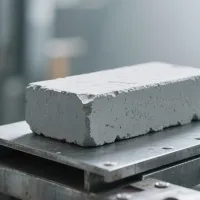
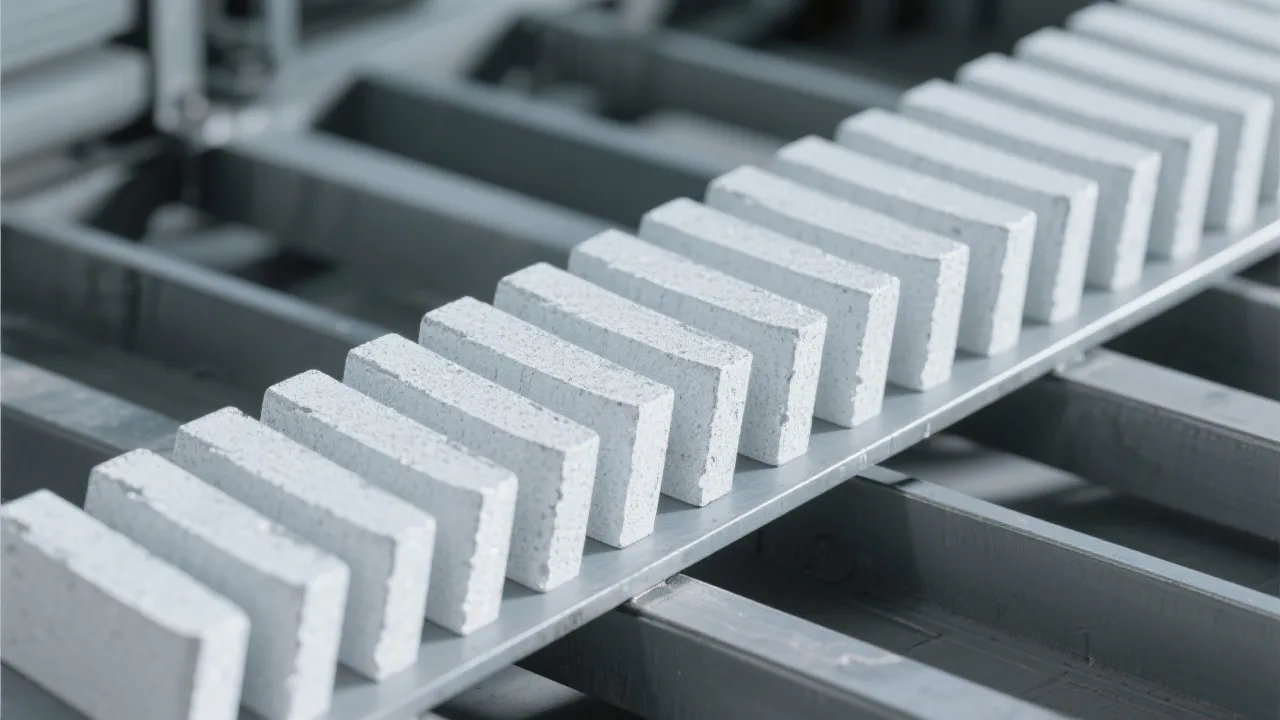
In copper smelting, selecting the right chromia corundum refractory bricks is critical to endure harsh operational conditions. Whether you operate flash smelting or converter furnaces, understanding how material properties align with process-specific stresses can significantly extend lining life and optimize maintenance costs.
Flash smelting and converter furnace operations exhibit distinct thermal and chemical environments affecting refractory performance:
Recognizing these differences ensures tailored refractory selection—prioritizing thermal shock resistance for flash smelting bricks, and enhanced corrosion resistance for converter lining materials.
The brick’s performance hinges on its precise chemical and microstructural makeup. Three critical factors include:
The synergy of these parameters optimizes properties such as abrasion resistance up to 120 MPa and thermal shock resistance quantified by cold modulus of rupture values exceeding 8 MPa after 10 cycles.
Understanding failure patterns is essential for proactive refractory management:
| Failure Mode | Root Cause | Prevention Strategy |
|---|---|---|
| Peeling (Spalling) | Thermal shock and rapid temperature gradients | Utilize bricks with high thermal shock resistance, controlled heating & cooling cycles |
| Chemical Corrosion | Exposure to acidic/basic slag and gaseous compounds | Select high Cr₂O₃ bricks, apply protective coatings, maintain slag chemistry |
| Thermal Cracking | Mechanical stress combined with uneven heating | Implement proper installation, avoid cold spots, apply gradual temperature ramps |
Beyond material selection, installation and maintenance greatly impact performance:
Following these guidelines can reduce refractory-related downtime by up to 25% and extend lining lifespan beyond 3 years in many cases.
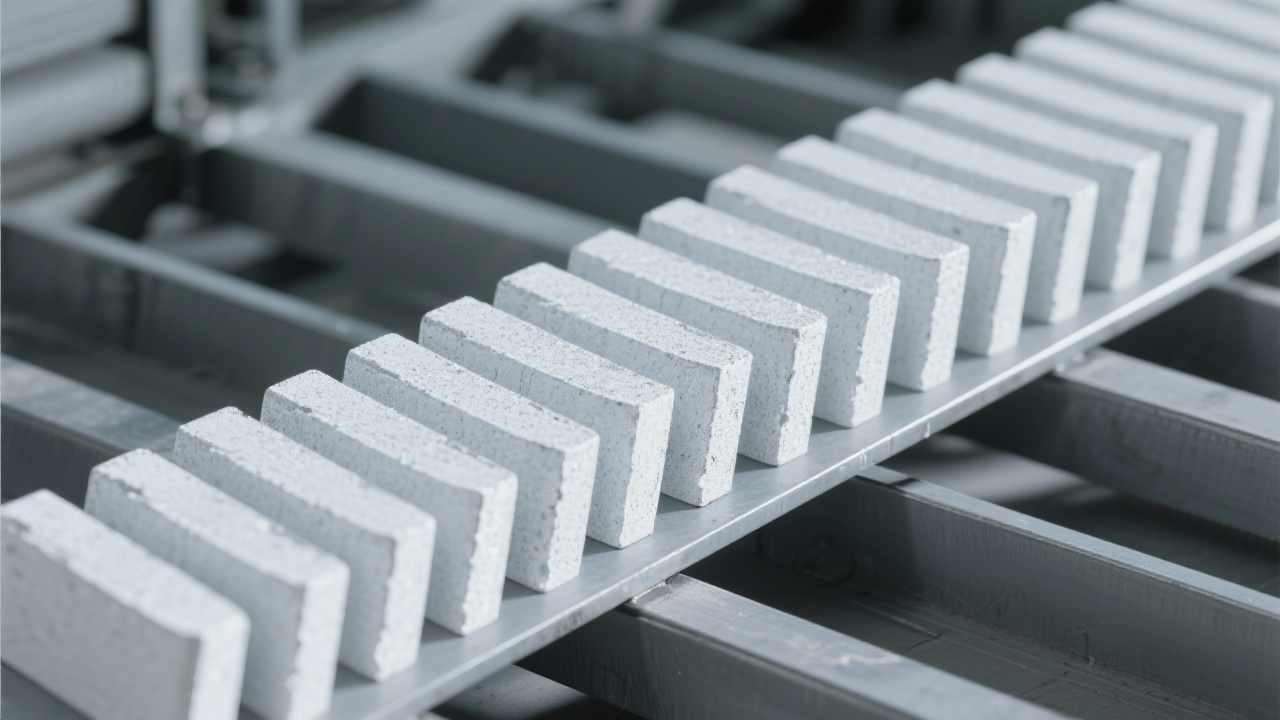
“Optimizing the Al₂O₃ to Cr₂O₃ ratio in chromia corundum bricks tailored to furnace-specific conditions is the cornerstone for minimizing refractory failures and maximizing operational efficiency.”
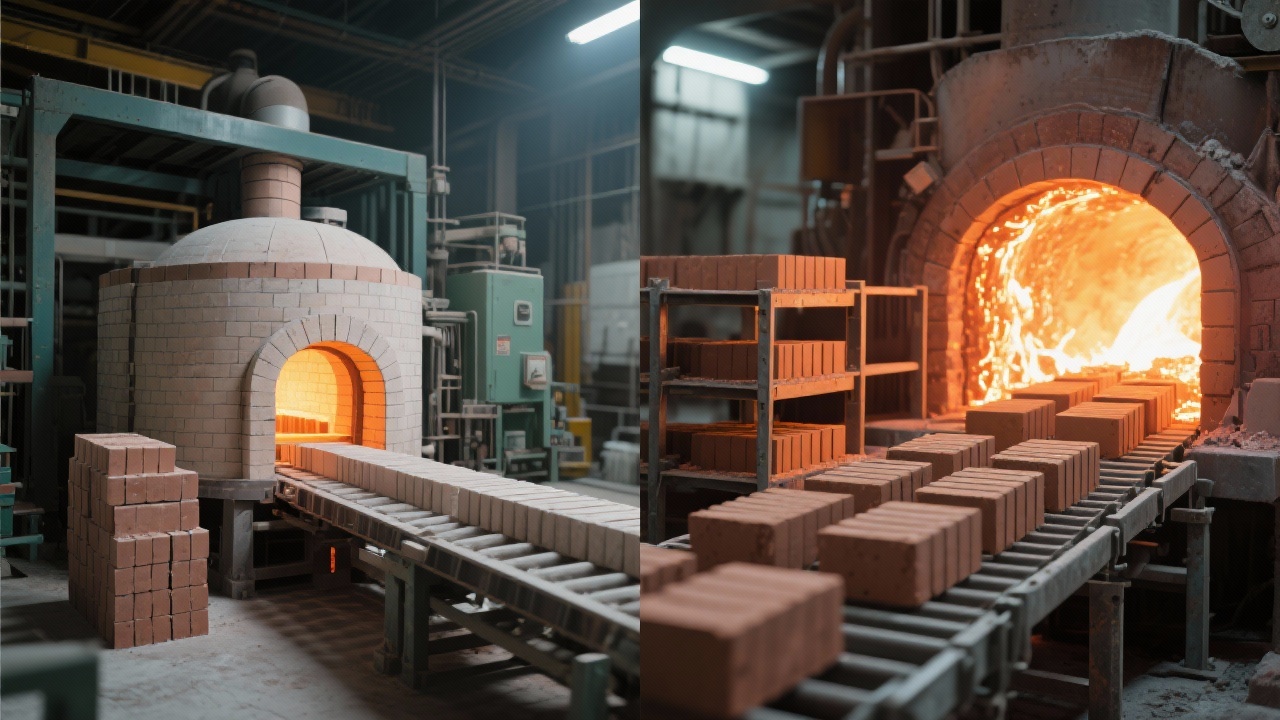
Understanding where thermal and chemical stresses concentrate informs targeted refractory application. For instance, higher Cr₂O₃ bricks are ideally placed in areas facing acidic slag attack.
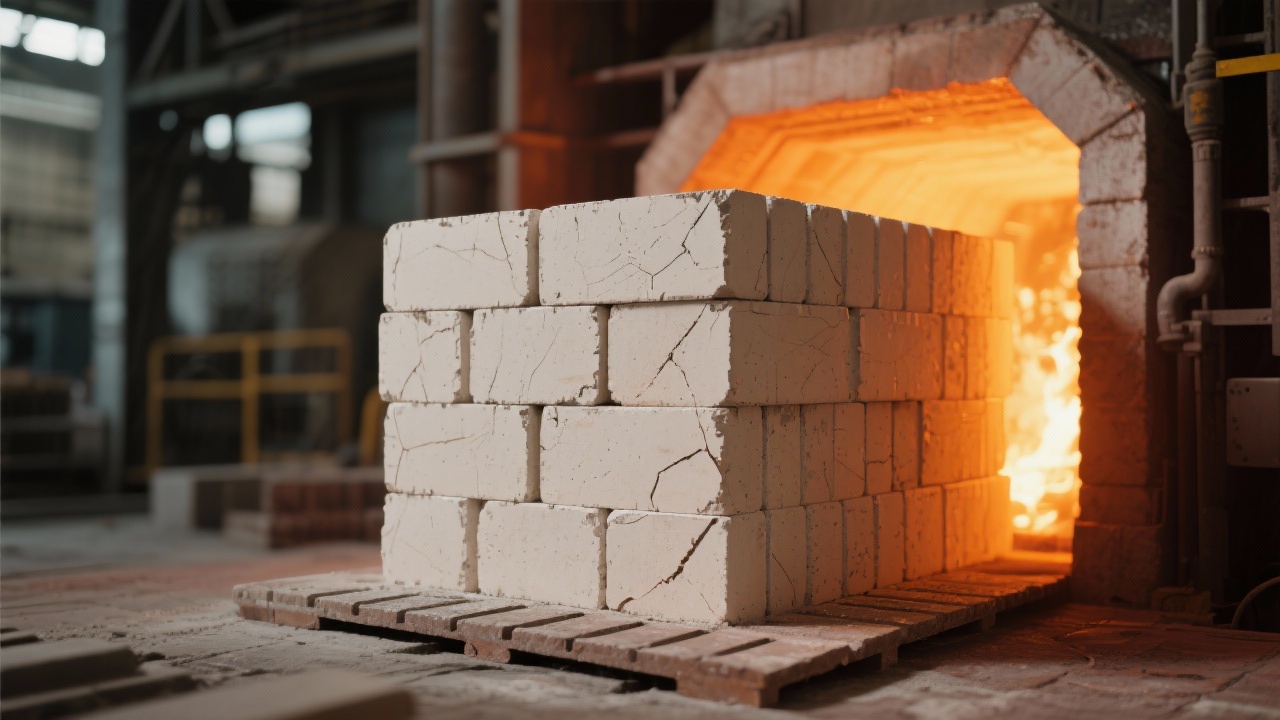
Data-driven material parameter selection backed by field trials reduces unplanned shutdowns and lowers refractory consumption rates by approximately 15% annually.

 141
|
141
|
 Corundum refractory bricks
High alumina content
Refractoriness of 1700°C
Wear resistance
Sintering and melting processes
Corundum refractory bricks
High alumina content
Refractoriness of 1700°C
Wear resistance
Sintering and melting processes
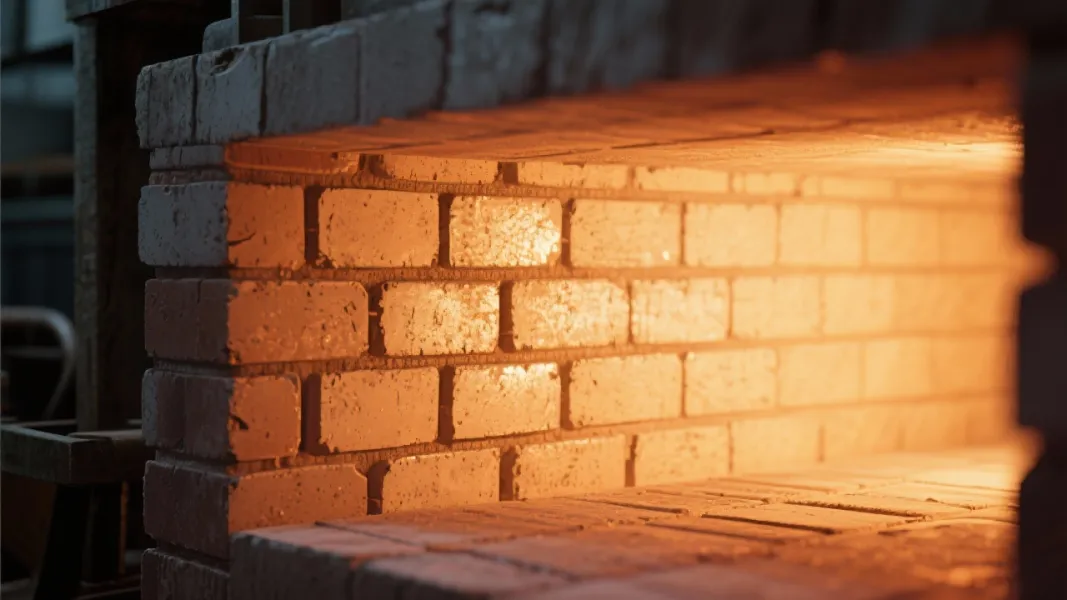 192
|
electric arc furnace refractories
sintered magnesia carbon brick performance
high refractory strength
alkali slag resistance technology
refractory delivery service
192
|
electric arc furnace refractories
sintered magnesia carbon brick performance
high refractory strength
alkali slag resistance technology
refractory delivery service
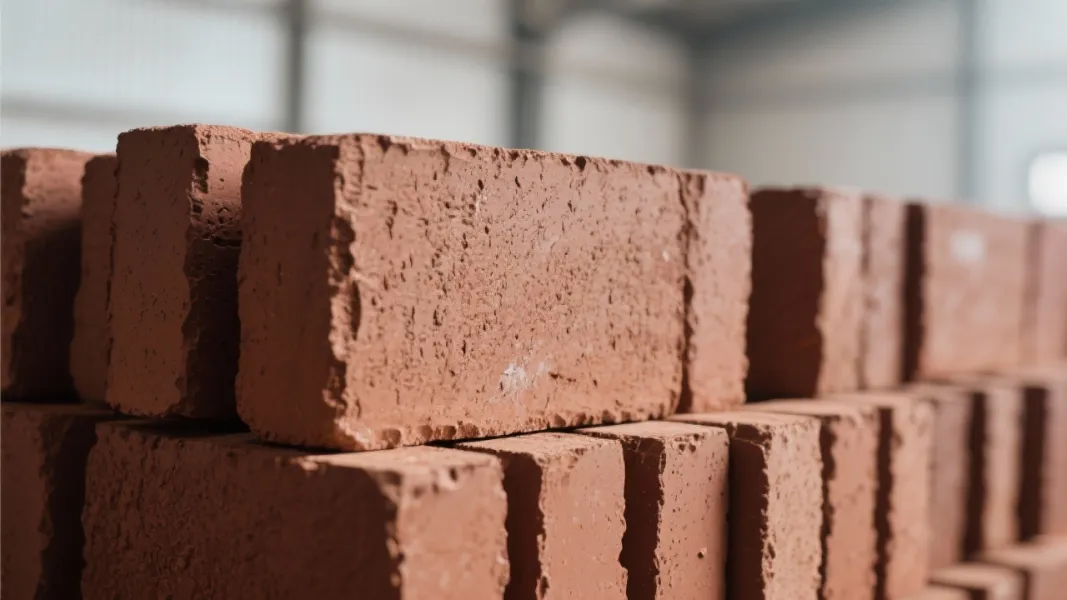 471
|
arc furnace refractory materials
sintered magnesium carbon brick
magnesium carbon brick anti-alkali slag performance
high temperature furnace lining solution
oxidant additive technology
471
|
arc furnace refractory materials
sintered magnesium carbon brick
magnesium carbon brick anti-alkali slag performance
high temperature furnace lining solution
oxidant additive technology
 133
|
Corundum refractory bricks
High - temperature corrosion protection
Refractory material applications
Sintered corundum bricks
Fused corundum bricks
310
|
high alumina fire clay brick
high density refractory brick
industrial furnace lining
thermal shock resistant brick
custom refractory solutions
133
|
Corundum refractory bricks
High - temperature corrosion protection
Refractory material applications
Sintered corundum bricks
Fused corundum bricks
310
|
high alumina fire clay brick
high density refractory brick
industrial furnace lining
thermal shock resistant brick
custom refractory solutions