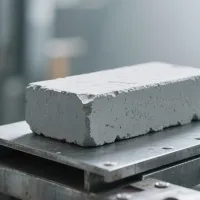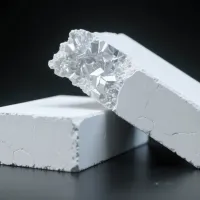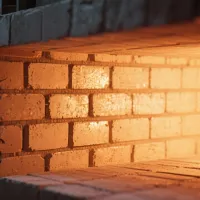
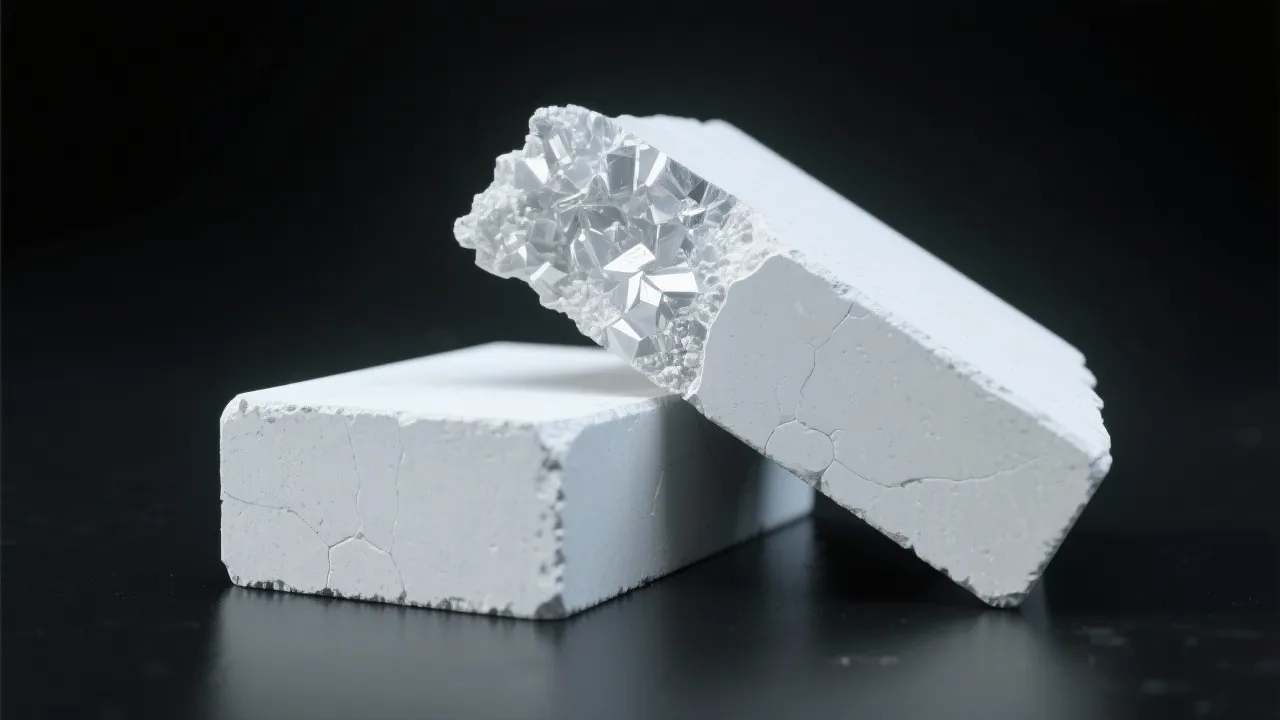
In copper metallurgy, refractory materials are the backbone of furnace reliability and longevity. Choosing the correct chromia corundum refractory bricks optimized for flash smelting and converter metallurgy processes is critical. Your team must navigate complex factors such as temperature fluctuations, chemical aggressiveness, and mechanical stress, to ensure furnace linings endure harsh operating environments.
Flash smelting and converter metallurgy each impose unique conditions on refractory linings:
Recognizing these differences is the first step to aligning your 耐火砖选型 strategy with operational realities.
Your choice of chromia corundum refractory bricks must focus on critical compositional elements and microstructural features that drive performance:
| Parameter | Recommended Range | Performance Impact |
|---|---|---|
| Al₂O₃ Content | ≥ 90% | Enhances thermal shock resistance and mechanical strength |
| Cr₂O₃ Content | 5% - 15% | Improves corrosion resistance against acidic slag |
| Microstructure | Dense grains with uniform distribution | Optimizes wear resistance and reduces crack propagation |
Together, these parameters ensure your refractory bricks perform reliably under the rigorous cycles of heating, cooling, and chemical attack typical in copper smelting.
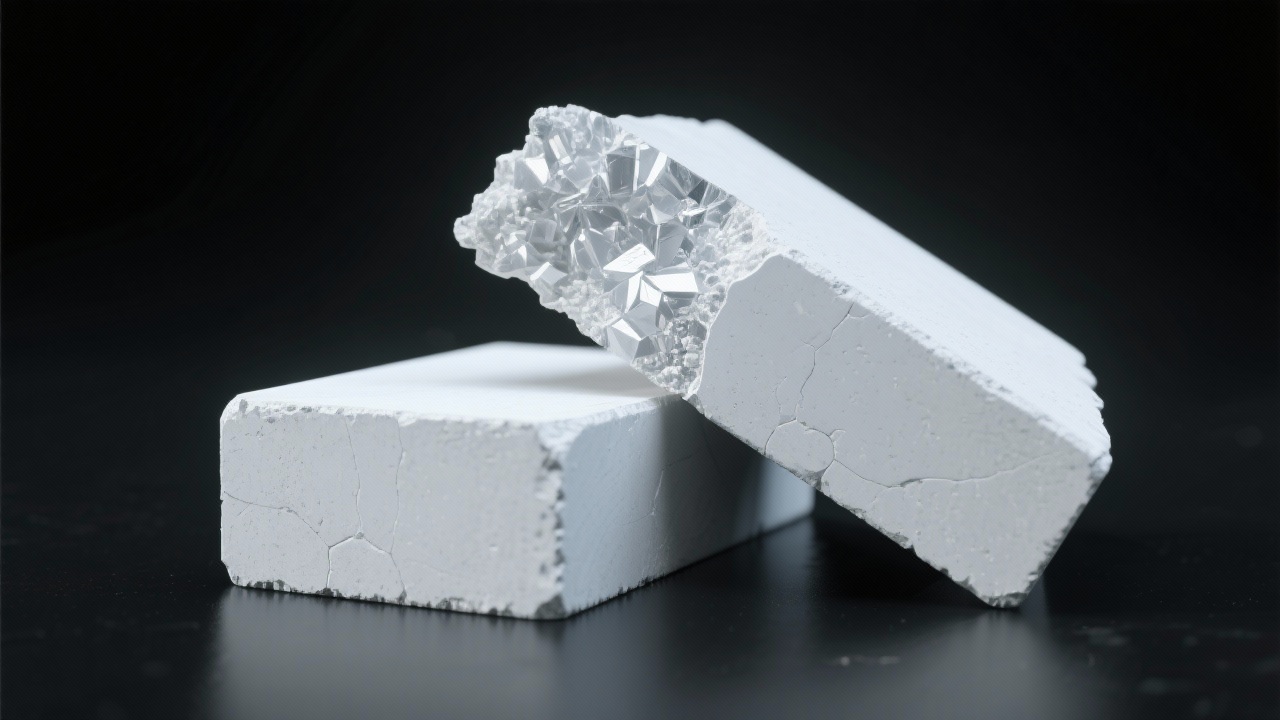
You should equip your team to detect common failure mechanisms early to extend furnace lining life:
Have you experienced refractory failure affecting furnace uptime? Early detection and tailored protection strategies can dramatically reduce downtime and maintenance costs.
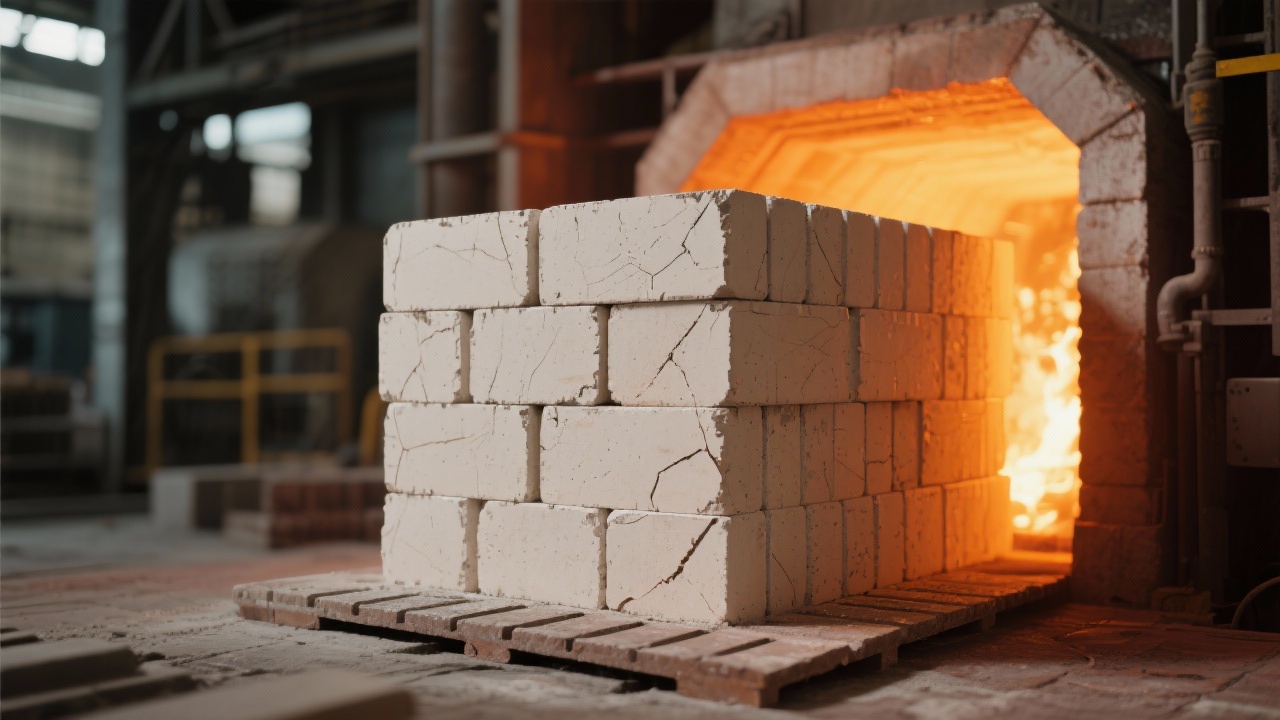
Following stringent installation protocols and consistent maintenance are essential for maximizing refractory life:
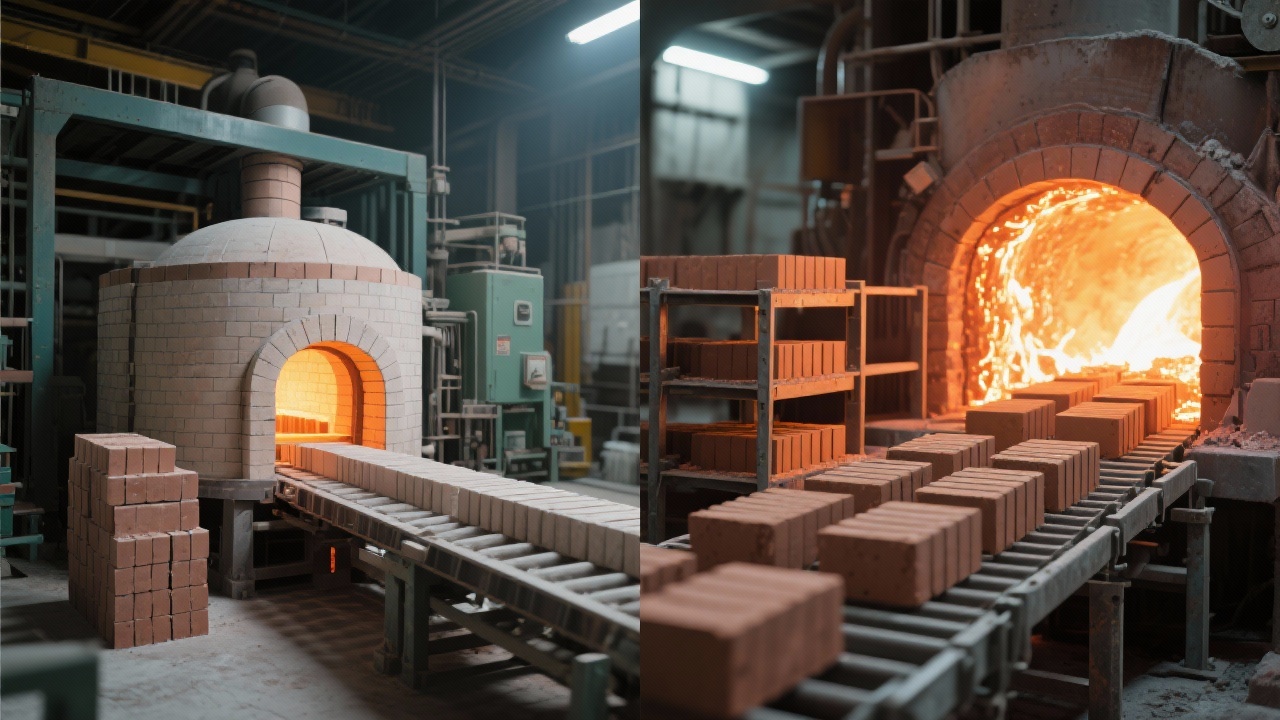
These best practices align with industrial refractory material application guidelines, ensuring you leverage the full potential of your refractory investments.
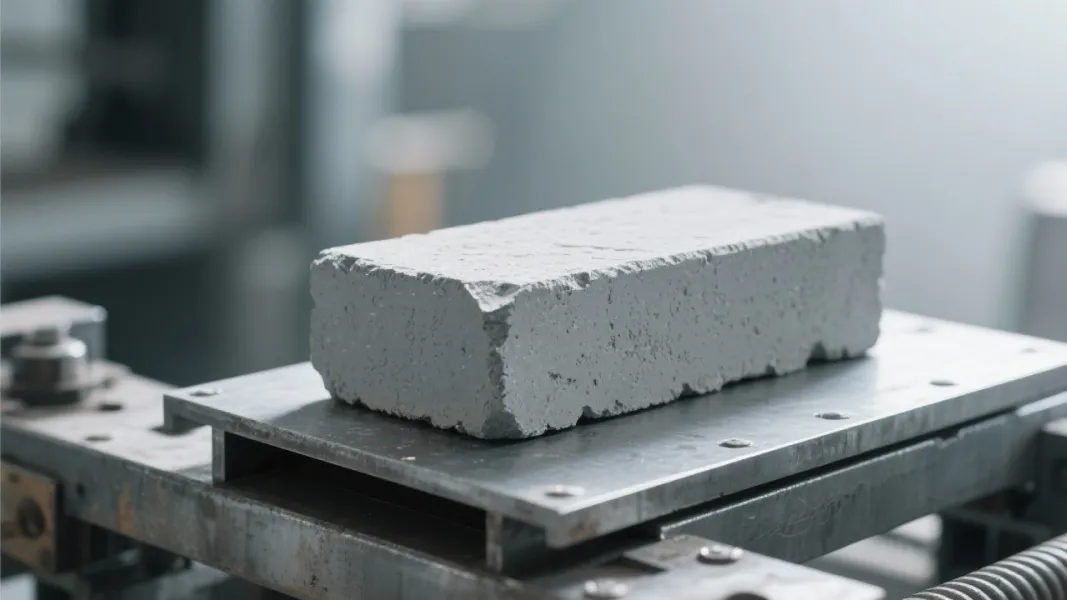
 451
|
451
|
 High alumina refractory clay bricks
Industrial furnace lining
High - temperature refractory materials
Wear - and corrosion - resistant refractory bricks
Furnace lining installation techniques
High alumina refractory clay bricks
Industrial furnace lining
High - temperature refractory materials
Wear - and corrosion - resistant refractory bricks
Furnace lining installation techniques
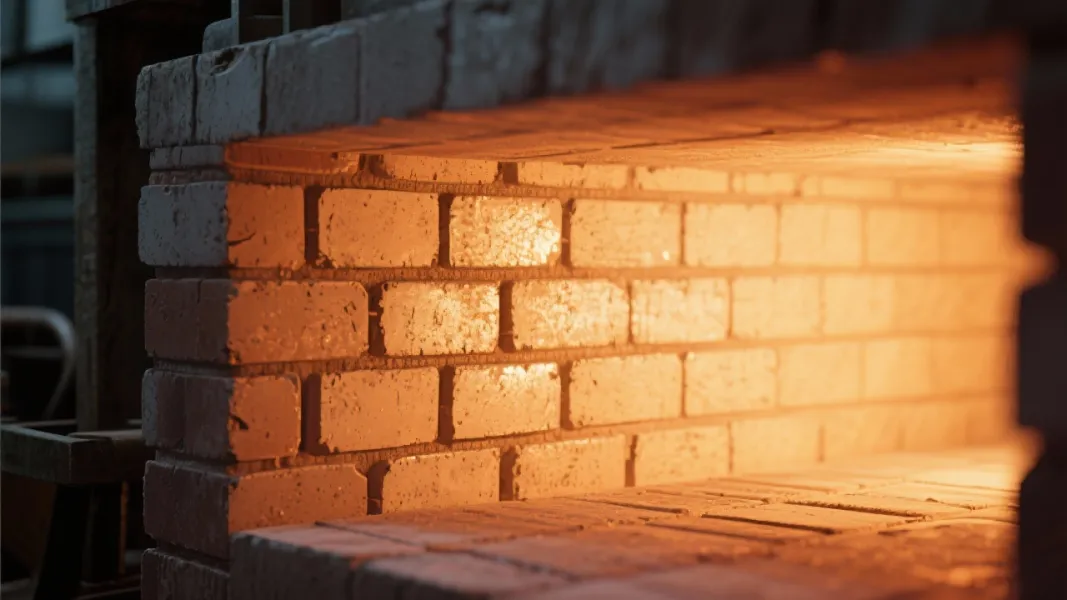 364
|
sintered magnesia carbon bricks
high-temperature furnace refractory lining
refractory material application
furnace lining design optimization
electric arc furnace refractories
38
|
high alumina fire clay brick
industrial furnace lining
refractory material technology
thermal shock resistant brick
custom refractory solution
451
|
high alumina fire clay brick
industrial furnace lining
thermal shock resistance
custom refractory brick
low thermal conductivity refractory
364
|
sintered magnesia carbon bricks
high-temperature furnace refractory lining
refractory material application
furnace lining design optimization
electric arc furnace refractories
38
|
high alumina fire clay brick
industrial furnace lining
refractory material technology
thermal shock resistant brick
custom refractory solution
451
|
high alumina fire clay brick
industrial furnace lining
thermal shock resistance
custom refractory brick
low thermal conductivity refractory
 180
|
Corundum refractory bricks
Sintered corundum bricks
Fused corundum bricks
High - temperature refractory materials
Refractory brick selection
180
|
Corundum refractory bricks
Sintered corundum bricks
Fused corundum bricks
High - temperature refractory materials
Refractory brick selection