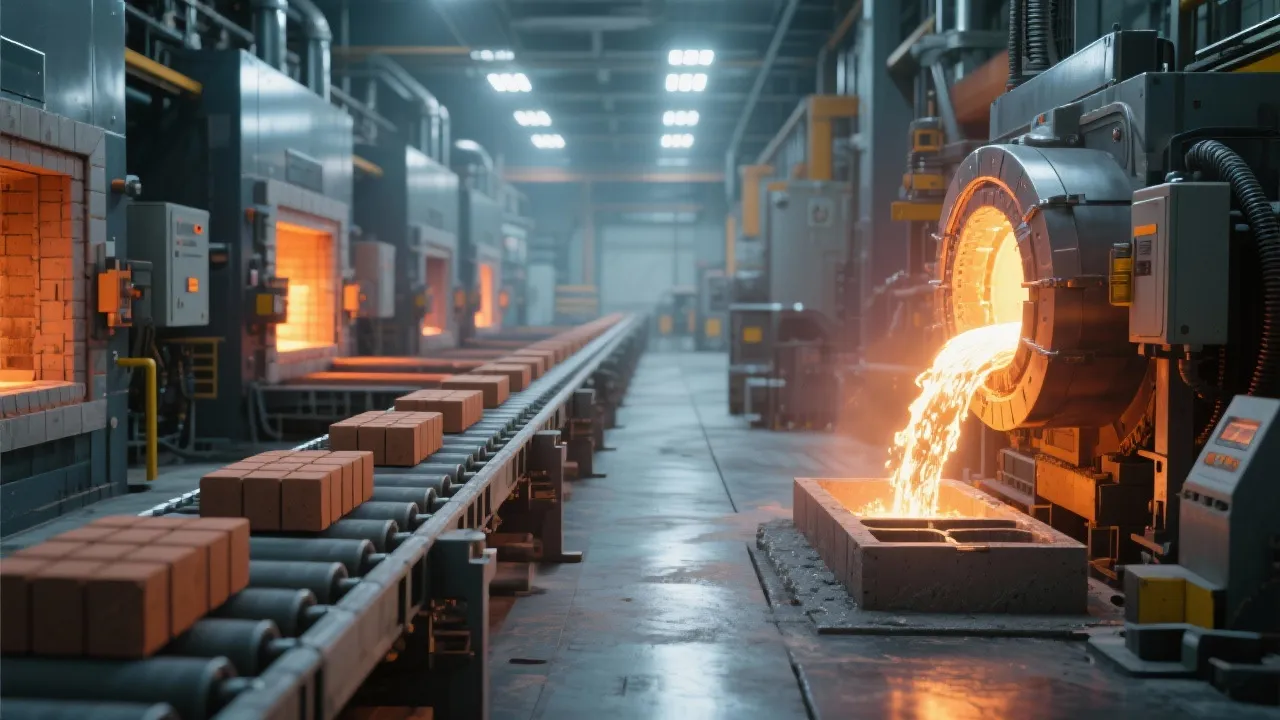
The performance and longevity of refractory linings directly impact the efficiency and reliability of copper smelting furnaces. Understanding the key parameters that govern refractory brick behavior is essential for engineers aiming to optimize furnace life cycles while minimizing maintenance costs. This guide explores the rational selection and application of chrome corundum refractory bricks within various copper smelting processes, including flash smelting and converter metallurgy.
Copper smelting involves distinct processes each imposing specific thermal and chemical stresses on furnace linings. Flash smelting, characterized by intense oxidation reactions and rapid temperature surges, demands materials that excel in thermal shock resistance and abrasion resistance near the molten bath. Conversely, converter smelting exposes refractory surfaces to corrosive slag and fluctuating temperatures, especially around the slag line and furnace wall.
Identifying refractory demands from distinct furnace zones—such as the molten bath, slag line, and wall—allows precise material selection. For instance, bricks lining the molten bath must resist severe abrasion and corrosion from aggressive slags, while those at the slag line require enhanced chemical stability and resistance to hot alkali attacks.
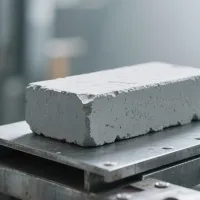
Chrome corundum bricks combine high alumina (Al₂O₃) with controlled chromium oxide (Cr₂O₃) additions, creating a synergy that enhances multiple key performance factors:
This tailored composition yields chrome corundum bricks that can endure over 1200°C operating temperatures with outstanding resistance to slag attack, thus prolonging service life by 20-30% compared to traditional alumina bricks in similar applications.
Common refractory failures in copper smelting include:
Effective diagnosis requires on-site visual inspection combined with ultrasonic or infrared thermography to detect subsurface defects early. Prevention strategies emphasize:
Proper installation ensures the refractory bricks deliver their optimal performance. Precision alignment with minimal gaps prevents hot spots and uneven stresses. The recommended baking curve involves gradual temperature ramps—for example:
Post-bake integrity tests are crucial to confirm proper curing. Daily maintenance should include visual checks and cleaning slag residues to prolong lining lifespan.
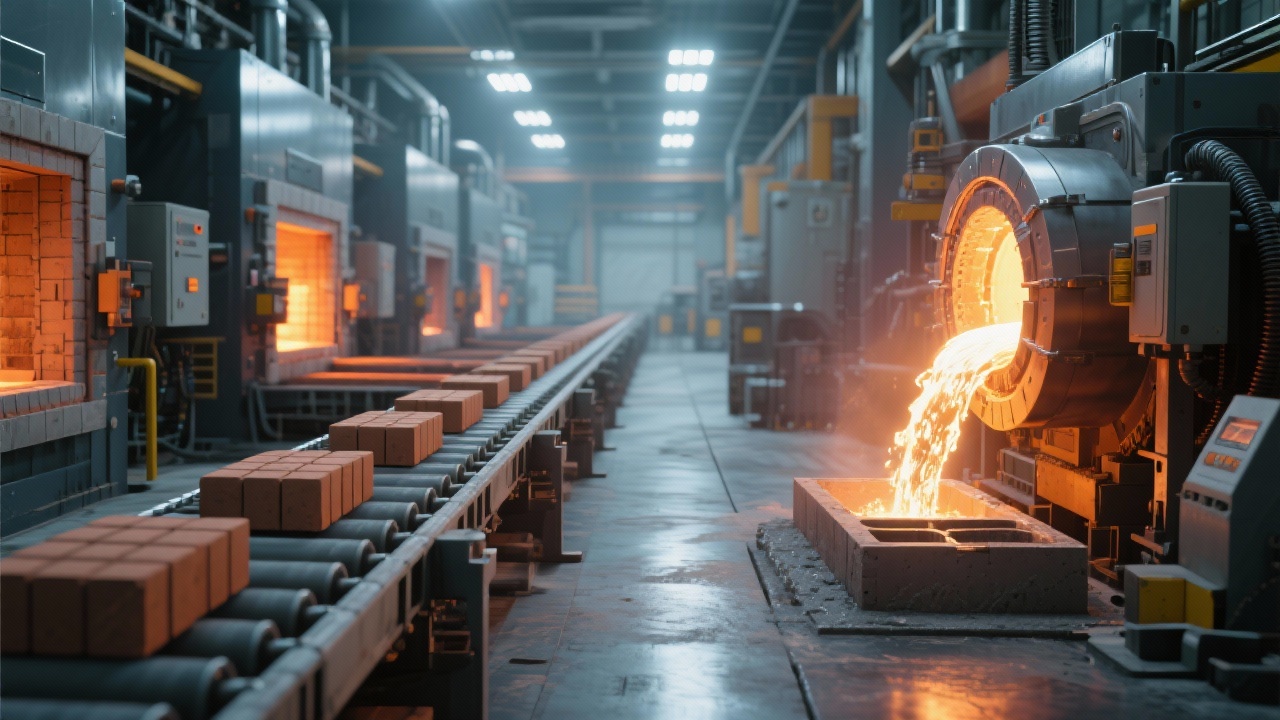
In multiple industrial deployments by Huanaigao Temperature, chrome corundum bricks demonstrated a 25% increase in operational lifetime in converter zones compared to standard fireclay bricks. Comparative analysis of failed bricks showed a reduction in volumetric corrosion rates from 8 mm/year to approximately 5 mm/year, attributing to the optimized Cr₂O₃ content and dense microstructure.

These performance gains translate directly into fewer shutdowns, lowered refractory consumption costs, and improved furnace availability rates—critical KPIs for any copper smelting operation.

 473
|
473
|
 corundum refractory bricks
sintering process
melting process
high - temperature wear - resistant materials
refractory brick selection
corundum refractory bricks
sintering process
melting process
high - temperature wear - resistant materials
refractory brick selection
 81
|
magnesia chrome refractory brick selection
high temperature converter refractory
refractory brick抗渣能力
converter lining material
silicate bonded refractory brick
81
|
magnesia chrome refractory brick selection
high temperature converter refractory
refractory brick抗渣能力
converter lining material
silicate bonded refractory brick
 378
|
Corundum refractory bricks
High alumina refractory materials
Metallurgy industry refractory bricks
Glass industry refractory bricks
Refractory brick selection
381
|
Copper smelting furnace life extension
Chrome corundum brick corrosion resistance
High-temperature refractory stability
Furnace maintenance technology
Metallurgical refractory solutions
246
|
corundum refractory bricks
sintered refractory materials
fused corundum bricks
high-temperature refractory performance
corrosion-resistant refractory bricks
378
|
Corundum refractory bricks
High alumina refractory materials
Metallurgy industry refractory bricks
Glass industry refractory bricks
Refractory brick selection
381
|
Copper smelting furnace life extension
Chrome corundum brick corrosion resistance
High-temperature refractory stability
Furnace maintenance technology
Metallurgical refractory solutions
246
|
corundum refractory bricks
sintered refractory materials
fused corundum bricks
high-temperature refractory performance
corrosion-resistant refractory bricks