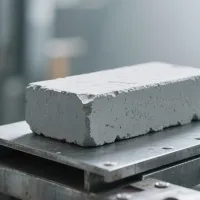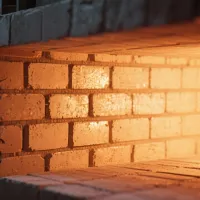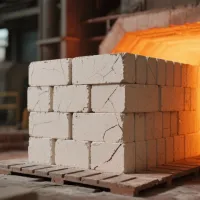
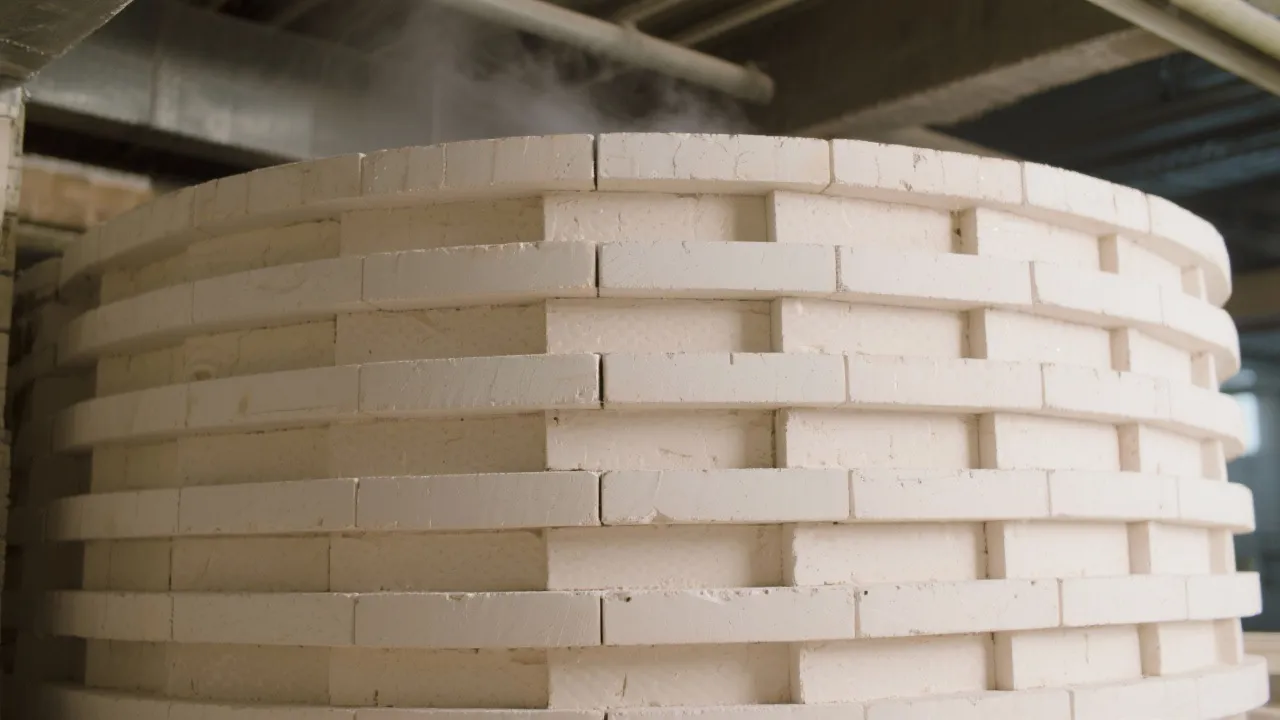
In the copper smelting industry, the choice of refractory materials plays a pivotal role in ensuring furnace longevity, operational efficiency, and cost control. Chromia corundum refractory bricks, characterized by their high chromium oxide (Cr₂O₃) and alumina (Al₂O₃) content, have emerged as the optimal solution for demanding processes like flash smelting and converter furnace operations. This guide explores the nuanced technical requirements of these two core copper smelting techniques and offers expert insights into selecting the ideal chromia corundum bricks customized to each.
Copper smelting predominantly uses flash smelting and converter furnace methods. Each has distinct thermal and chemical environments that impose unique stresses on refractory materials:
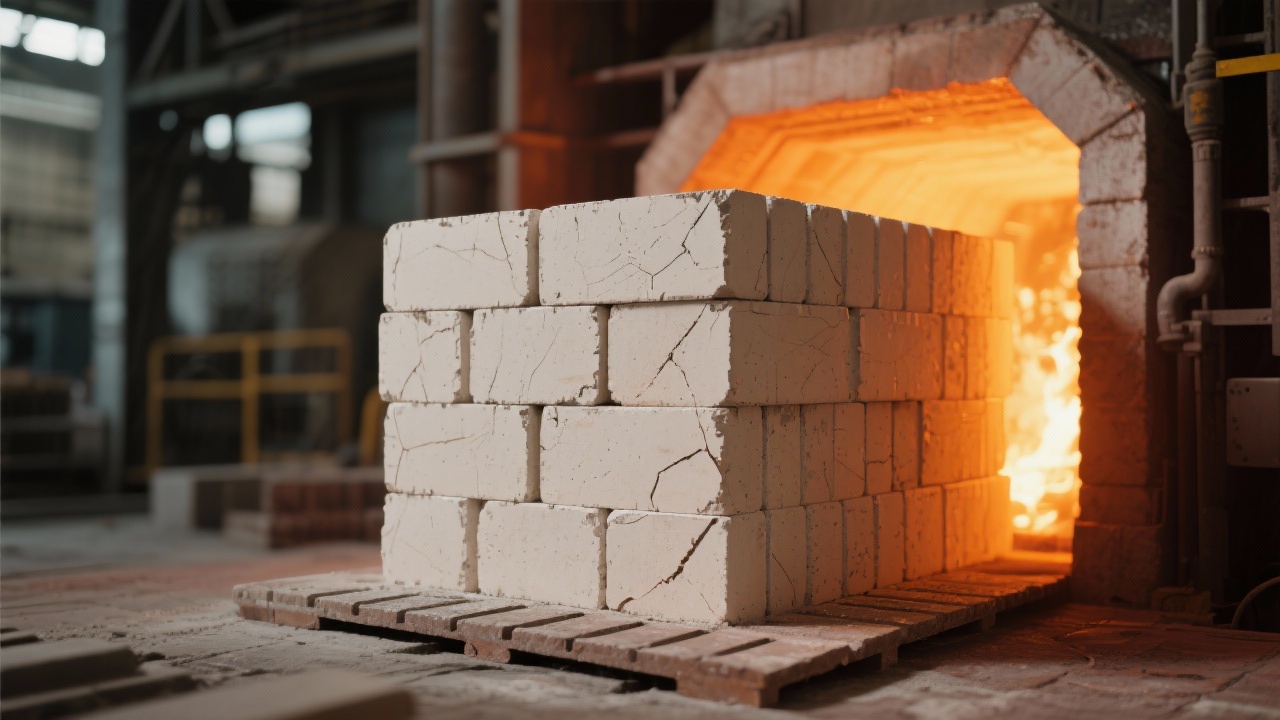
The refractory lining must withstand abrasive particle erosion, chemical corrosion from sulfide and matte slags, and thermal cycling without spalling or cracking. Ineffective material selection leads to premature brick failure, increased downtime, and reduced plant profitability.
Chromia corundum bricks are defined by their chemical composition and microstructure. The critical parameters influencing performance include:
| Parameter | Optimal Range | Effect on Performance |
|---|---|---|
| Al₂O₃ Content | 45% - 55% | Enhances mechanical strength and thermal stability; prevents grain growth. |
| Cr₂O₃ Content | 35% - 45% | Improves corrosion resistance and abrasion resistance against sulfide slags. |
| Apparent Porosity | 12% - 16% | Balances thermal shock resistance and mechanical integrity. |
| Modulus of Rupture (at 1,200°C) | ≥ 30 MPa | Ensures resistance to mechanical and thermal stress cracking. |
A well-balanced proportion of Al₂O₃ and Cr₂O₃ is crucial for optimizing the refractory’s performance profile. Higher alumina content increases strength and heat resistance but can reduce resistance to acidic slags if chromium oxide is insufficient. Conversely, excessive Cr₂O₃ improves slag corrosion resistance but may increase brittleness.
Studies show that bricks with approximately 50% Al₂O₃ and 40% Cr₂O₃ effectively manage the competing demands of mechanical robustness and chemical resistance in copper smelting environments.
Understanding typical failure mechanisms can preempt costly repairs. The primary failure modes observed in chromia corundum bricks include:
Diagnosing issues involves visual inspection complemented by microscopy to analyze phase degradation, porosity increase, and surface morphology changes. Early detection allows targeted maintenance such as localized replacements or changes in furnace operational parameters.
To maximize refractory service life, proper installation and curing are critical:
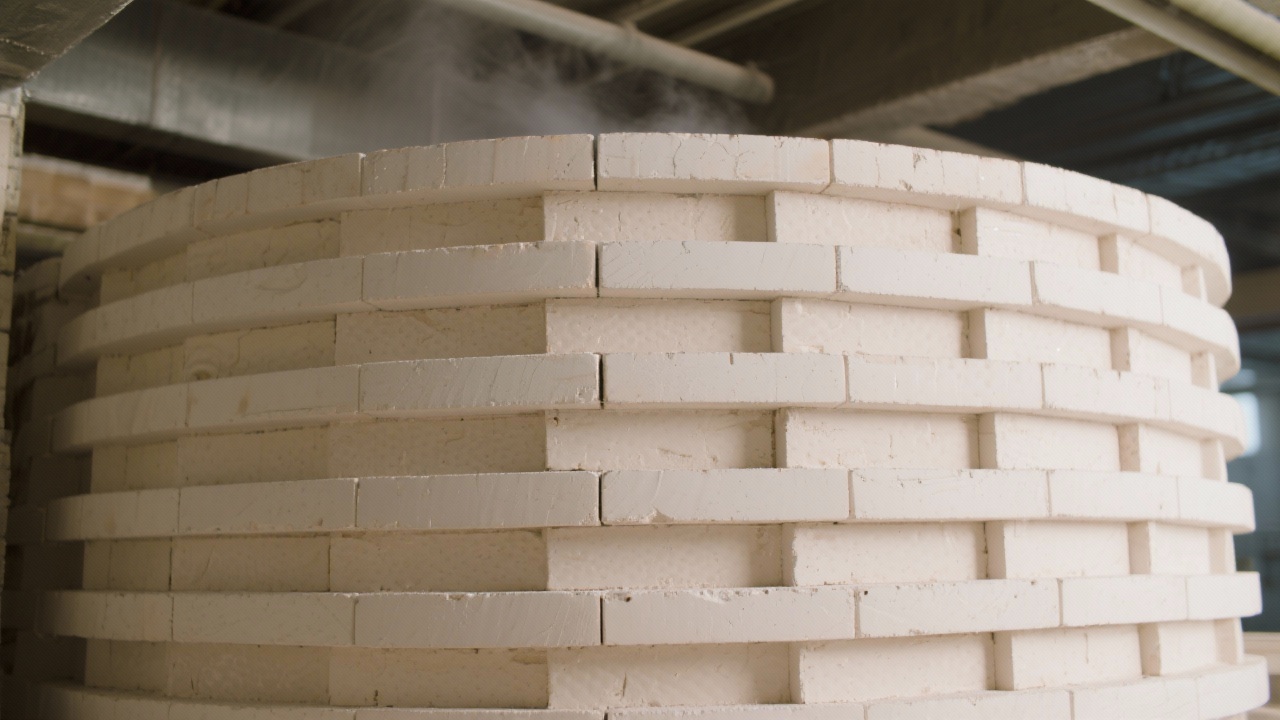
A recent case from a major copper smelting plant demonstrated that switching to HuaNai High-Temperature’s chromia corundum bricks optimized for their flash smelting furnace reduced refractory replacement cycles by 25%, directly lowering maintenance costs and downtime.
Another converter furnace client reported enhanced resistance to slag corrosion after adjusting brick composition to increase Cr₂O₃ by 5%, validated by onsite microscopic material analysis and operational data.
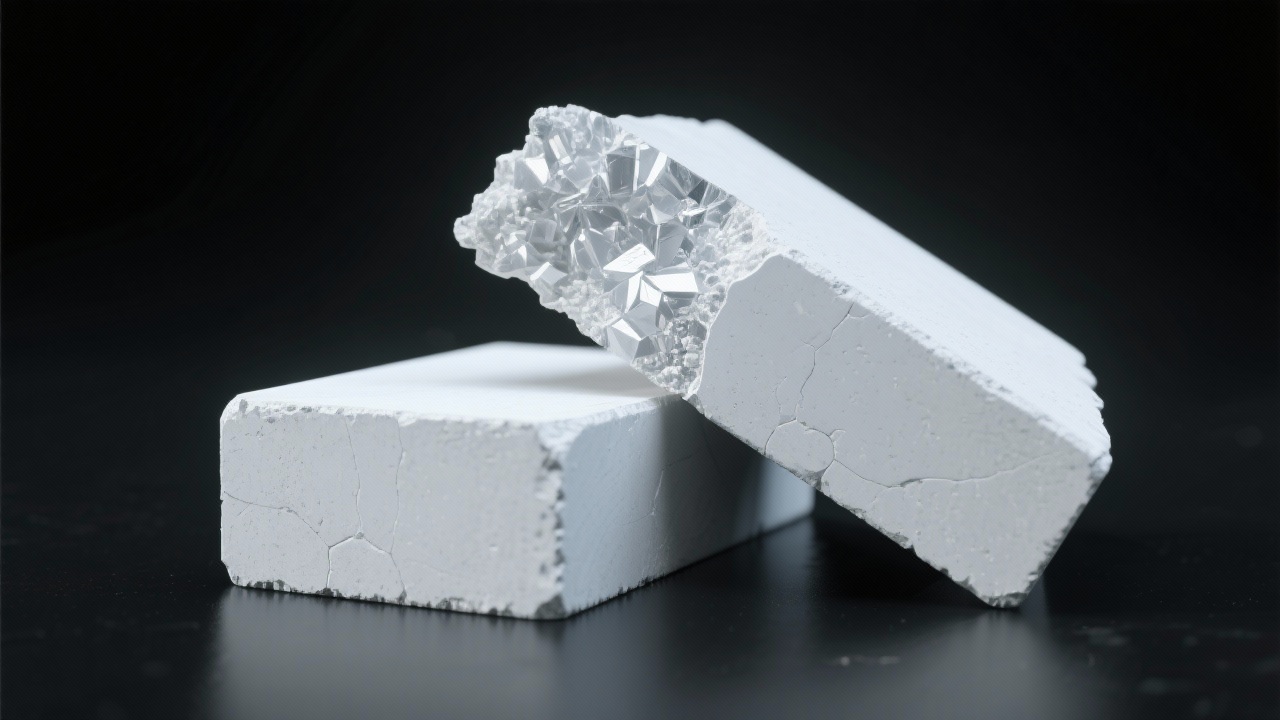
These examples demonstrate that precise matching of refractory brick composition and installation processes to the smelting method significantly improves furnace stability and industrial longevity.
For industry professionals committed to maximizing furnace uptime and minimizing refractory failure risk, selecting the right chromia corundum refractory bricks is non-negotiable. HuaNai High-Temperature’s products blend rigorous quality control with tailored chemical formulations ensuring:

 402
|
402
|
 alumina refractory bricks
glass melting furnace lining
high temperature耐火材料
fused alumina brick
sintered alumina brick
alumina refractory bricks
glass melting furnace lining
high temperature耐火材料
fused alumina brick
sintered alumina brick
 173
|
High - alumina refractory clay bricks
Hot blast stove lining
Thermal shock resistance
Wear resistance
Industrial furnace refractory materials
173
|
High - alumina refractory clay bricks
Hot blast stove lining
Thermal shock resistance
Wear resistance
Industrial furnace refractory materials
 81
|
magnesia chrome refractory brick selection
high temperature converter refractory
refractory brick抗渣能力
converter lining material
silicate bonded refractory brick
81
|
magnesia chrome refractory brick selection
high temperature converter refractory
refractory brick抗渣能力
converter lining material
silicate bonded refractory brick
 356
|
corundum refractory bricks performance
alumina content >90%
high temperature refractory bricks
sintering vs fusion corundum bricks
refractory bricks for metallurgy
356
|
corundum refractory bricks performance
alumina content >90%
high temperature refractory bricks
sintering vs fusion corundum bricks
refractory bricks for metallurgy
 275
|
high alumina fireclay brick
furnace lining technology
refractory brick applications
thermal efficiency optimization
refractory lining durability
275
|
high alumina fireclay brick
furnace lining technology
refractory brick applications
thermal efficiency optimization
refractory lining durability