
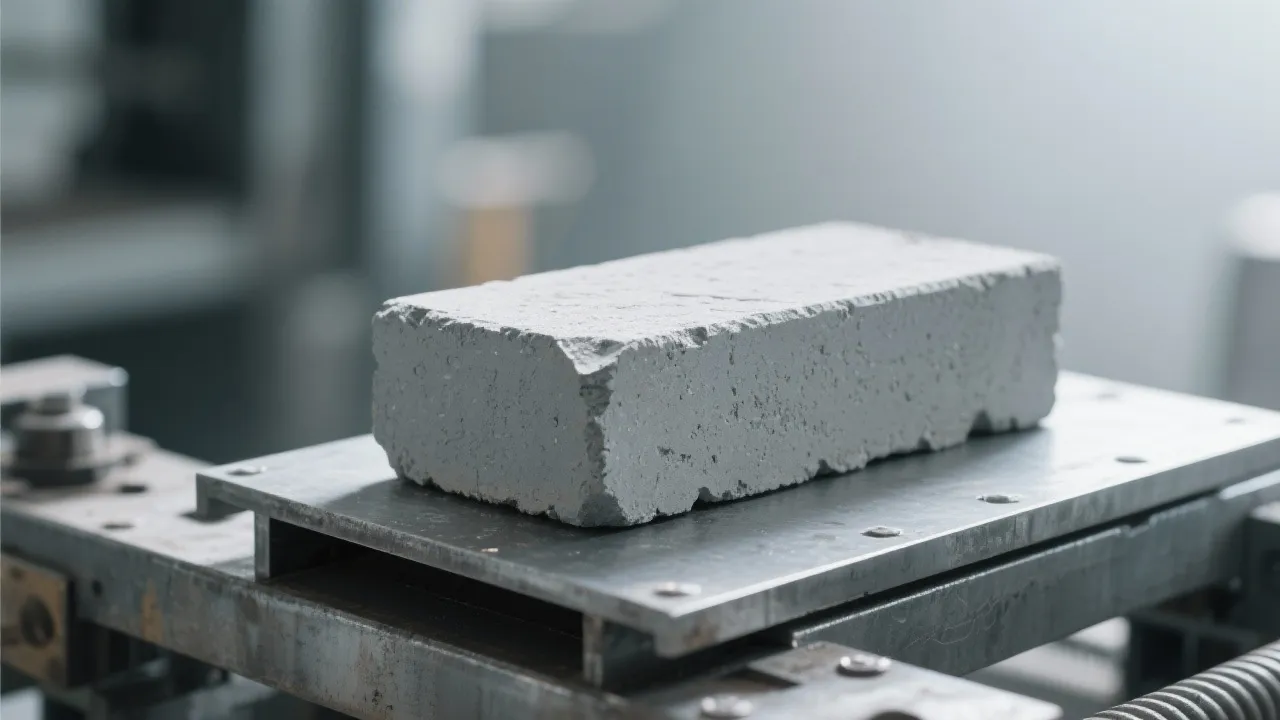
In high-temperature industrial environments, the issue of acid-base corrosion has always been a significant challenge for equipment and facilities. Corundum refractory bricks, with their outstanding performance, have become a reliable solution to this problem. This article will delve into the core mechanisms of corundum refractory bricks in resisting high-temperature acid-base corrosion, from microscopic structures to macroscopic properties.
Corundum refractory bricks are characterized by a high alumina content (≥90%) and a corundum crystal phase structure. This unique structure endows them with excellent high-temperature resistance and corrosion resistance. The high alumina content provides a stable chemical foundation, while the corundum crystal phase structure ensures the brick's physical stability at high temperatures. For example, in an environment above 1700°C, these bricks can maintain their structural integrity and effectively resist the erosion of acidic or alkaline slag (see Figure 1). 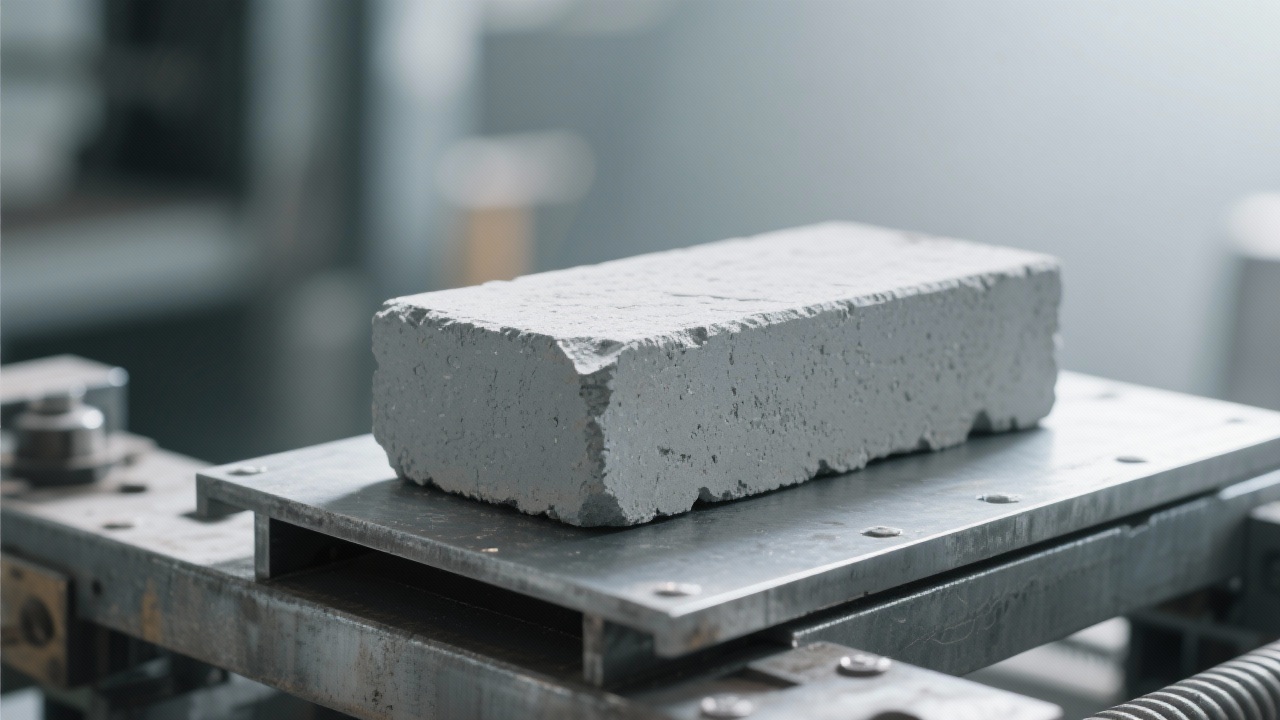
There are two main production processes for corundum refractory bricks: sintering and melting. The sintering process involves high-temperature firing of raw materials, which results in a dense structure and good chemical stability. The melting process, on the other hand, produces bricks with a more uniform crystal structure and higher purity. In terms of corrosion resistance, the melting process generally produces bricks with better performance, especially in extremely corrosive environments. However, the sintering process is more cost - effective in some common industrial applications (see Figure 2). 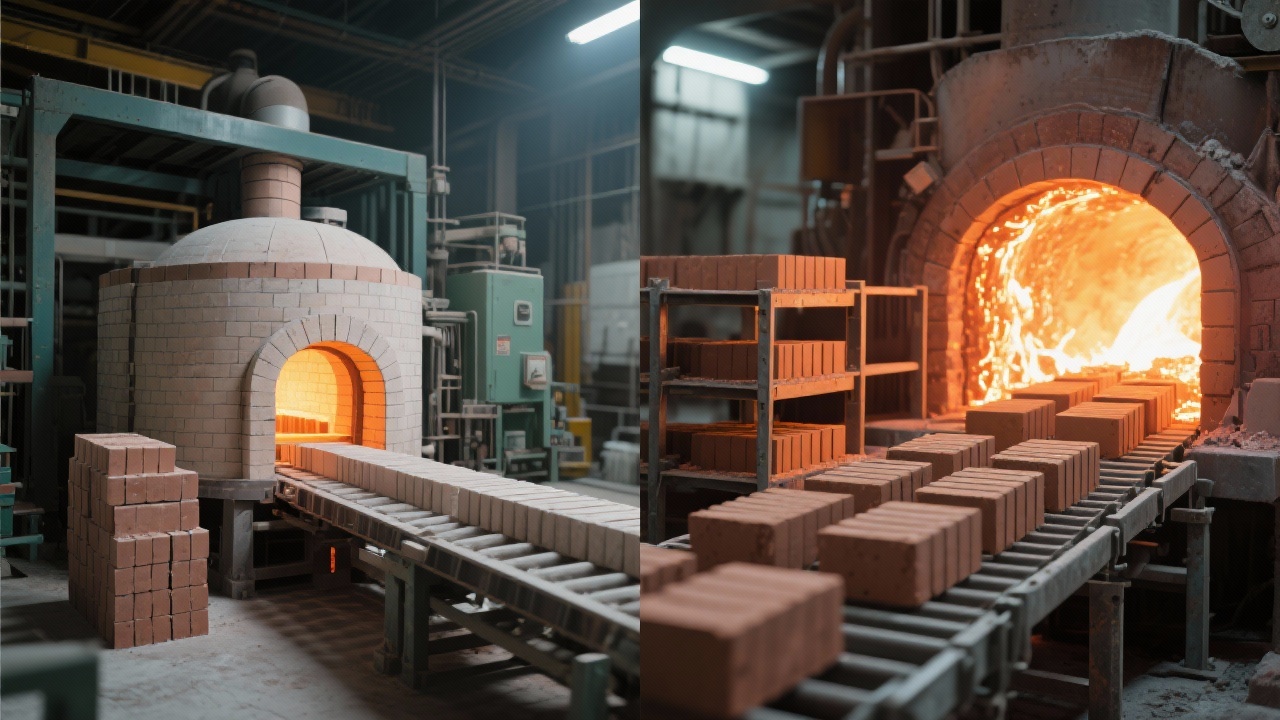
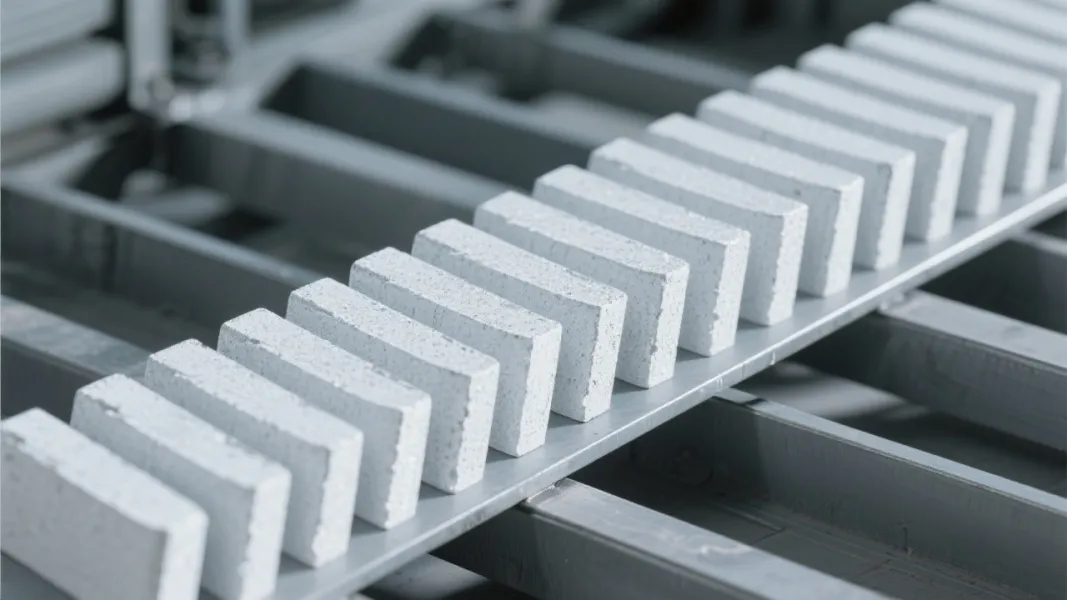
Corundum refractory bricks have a wide range of applications in industries such as metallurgy and glass. In steelmaking furnaces, the use of corundum refractory bricks can significantly improve the furnace's service life. For instance, a certain steel plant replaced its original refractory bricks with corundum refractory bricks, and the furnace's service life was extended from 6 months to 10 months, reducing the downtime by up to 40%. In glass melting tanks, corundum refractory bricks can also resist the erosion of glass melt and various additives, ensuring the stability of the melting process. "Since we started using corundum refractory bricks, we have seen a remarkable improvement in the performance of our glass melting tanks. The equipment maintenance cost has been reduced, and the production efficiency has been increased," said a procurement manager from a glass manufacturing company (see Figure 3). 
Although the initial investment in corundum refractory bricks may be higher than that of ordinary refractory materials, their long - term economic benefits are significant. By extending the service life of equipment and reducing downtime, companies can save a large amount of maintenance and replacement costs. In addition, the excellent wear resistance, high load - softening temperature, and chemical stability of corundum refractory bricks also contribute to the overall stability of the production process, reducing potential production losses.
When selecting corundum refractory bricks, engineers and procurement managers need to consider factors such as the working temperature, the type of corrosive medium, and the mechanical load of the equipment. Technical parameters such as alumina content, bulk density, and porosity are also important references. For high - temperature and highly corrosive environments, it is recommended to choose bricks with a higher alumina content and a lower porosity. Our company provides a series of corundum refractory bricks with different specifications and performance parameters to meet the diverse needs of customers.
In conclusion, corundum refractory bricks are an ideal choice for high - temperature acid - base corrosion protection. Their unique structure, excellent performance, and long - term economic benefits make them a reliable partner for industrial production. If you want to make your kilns more durable and achieve a faster return on investment, click here to learn more about our corundum refractory bricks.

 141
|
141
|
 Corundum refractory bricks
High alumina content
Refractoriness of 1700°C
Wear resistance
Sintering and melting processes
Corundum refractory bricks
High alumina content
Refractoriness of 1700°C
Wear resistance
Sintering and melting processes
 378
|
Corundum refractory bricks
High alumina refractory materials
Metallurgy industry refractory bricks
Glass industry refractory bricks
Refractory brick selection
77
|
corundum refractory brick
high alumina brick comparison
refractory material performance
metallurgical furnace lining
alumina content above 90%
117
|
alumina refractory bricks
high-temperature refractory materials
sintered refractory bricks
fused refractory bricks
high alumina bricks
188
|
corundum refractory brick
high alumina refractory
fused vs sintered refractory
wear resistant refractory
ceramic industry refractory
378
|
Corundum refractory bricks
High alumina refractory materials
Metallurgy industry refractory bricks
Glass industry refractory bricks
Refractory brick selection
77
|
corundum refractory brick
high alumina brick comparison
refractory material performance
metallurgical furnace lining
alumina content above 90%
117
|
alumina refractory bricks
high-temperature refractory materials
sintered refractory bricks
fused refractory bricks
high alumina bricks
188
|
corundum refractory brick
high alumina refractory
fused vs sintered refractory
wear resistant refractory
ceramic industry refractory


