
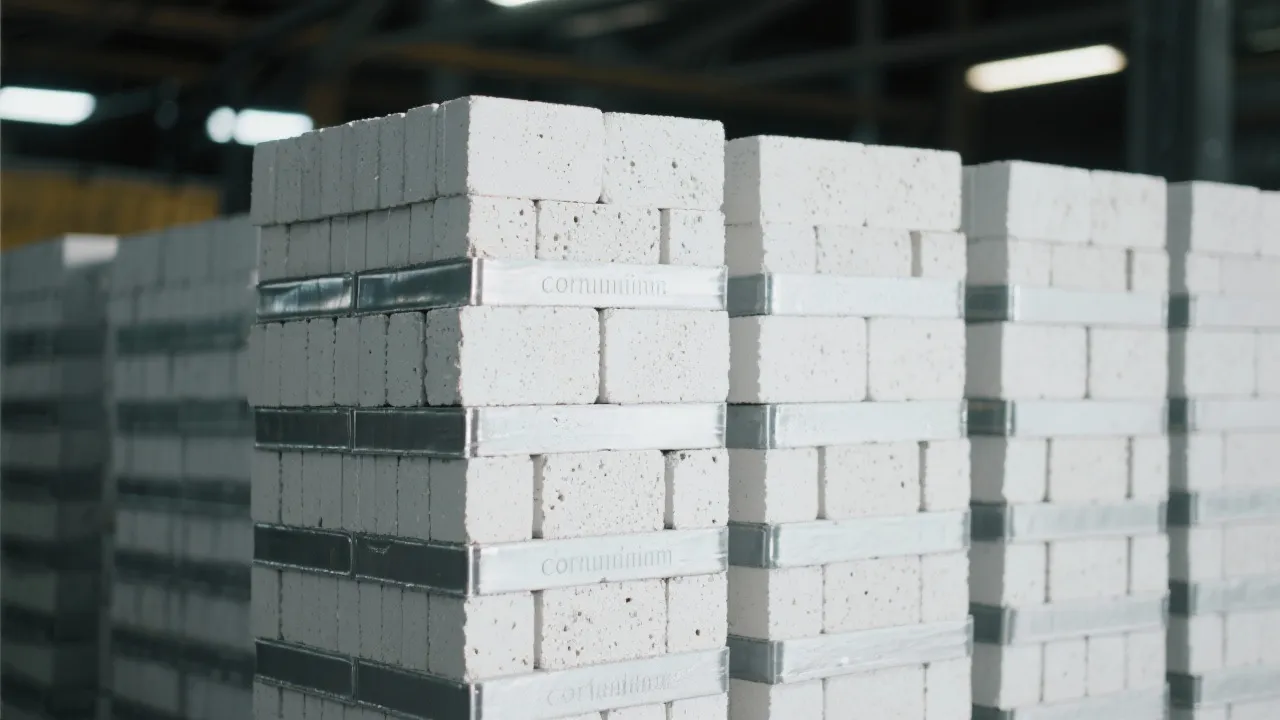
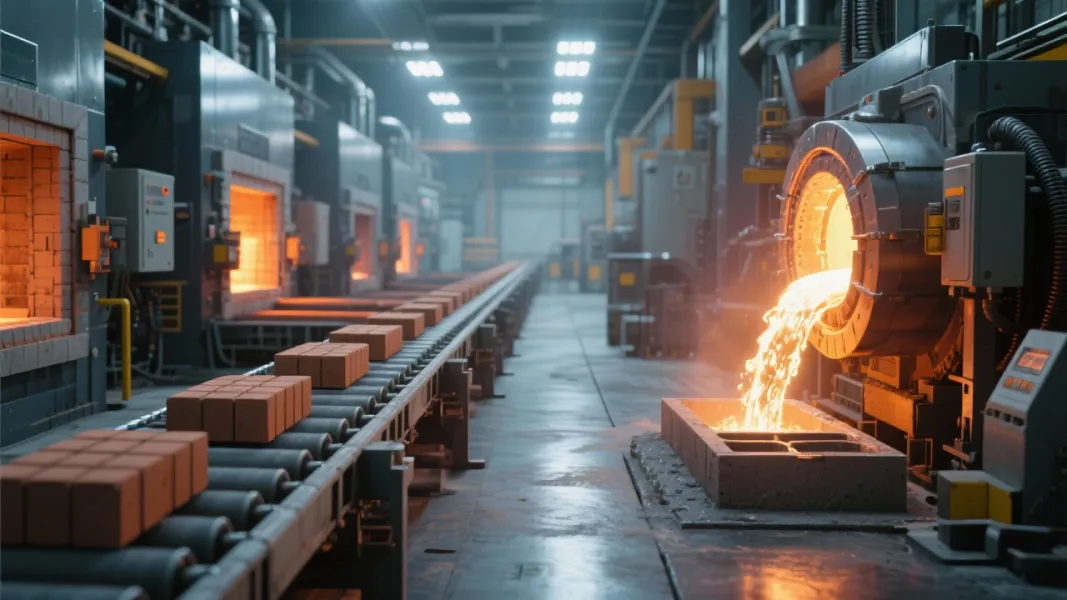
High-alumina corundum refractory bricks are indispensable in various industrial sectors due to their outstanding performance under extreme conditions. This article delves into the core features of these bricks, the advantages of their manufacturing processes, and real - world application cases.
Corundum refractory bricks are characterized by a high alumina content, which endows them with excellent mechanical and chemical properties. There are two main manufacturing processes: sintering and melting.
The sintering process involves compacting the raw materials and then firing them at high temperatures. This process results in bricks with a high density and good cold - crushing strength. For example, bricks produced by sintering can have a cold - crushing strength of up to 500 MPa, which means they can withstand heavy loads in industrial equipment. The sintered bricks also have a relatively high porosity, which allows for some flexibility in expansion and contraction under temperature changes.
The melting process, on the other hand, creates bricks with a more homogeneous structure. By melting the raw materials and then casting them into molds, the resulting bricks have superior corrosion resistance and a smoother surface. The melting process can produce bricks with a refractory degree of up to 1800°C, making them suitable for extremely high - temperature environments.
One of the most remarkable features of corundum refractory bricks is their resistance to high temperatures, wear, and acid - alkali corrosion. In high - temperature and acid - alkali environments, these bricks can maintain their structural integrity and performance.
In terms of high - temperature resistance, corundum refractory bricks can operate stably at temperatures above 1600°C. This makes them ideal for use in furnaces, kilns, and other high - temperature equipment. Their wear - resistance also ensures a long service life, even in environments with high - speed particle flow or mechanical friction.
When it comes to acid - alkali corrosion resistance, the high alumina content in the bricks forms a protective layer that can resist the attack of various acids and alkalis. For instance, in the chemical industry, where equipment is often exposed to strong acids and alkalis, corundum refractory bricks can significantly reduce the corrosion rate, thereby extending the service life of the equipment.
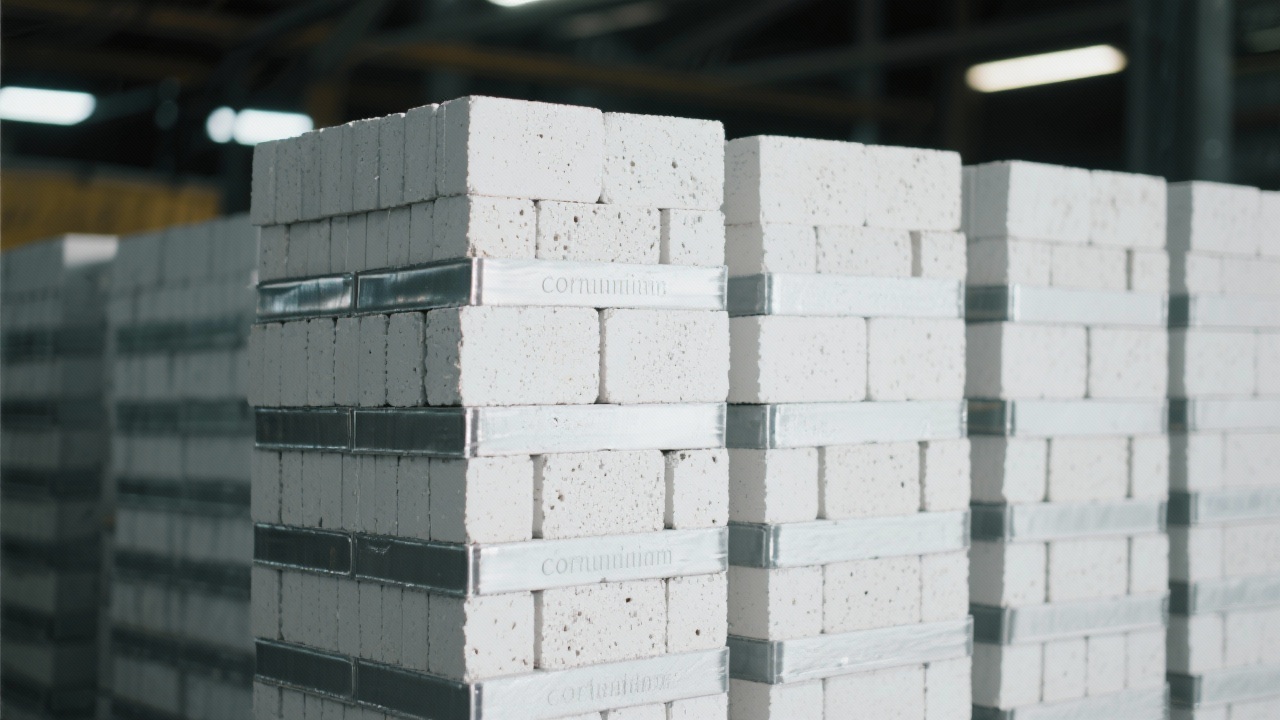
Corundum refractory bricks have a wide range of applications in industries such as metallurgy and glass manufacturing.
In the metallurgy industry, furnaces are the core equipment. By using corundum refractory bricks, the lining of the furnace can be more durable. For example, in a steel - making furnace, the use of these bricks can reduce the frequency of furnace lining repairs from once every 6 months to once every 12 months, which not only saves maintenance costs but also reduces the downtime of the equipment, thereby increasing production efficiency.
In the glass manufacturing industry, the melting furnaces operate at high temperatures and are in contact with glass melt, which contains various chemical substances. Corundum refractory bricks can resist the corrosion of the glass melt and the high - temperature environment. A glass factory reported that after replacing the original refractory bricks with corundum refractory bricks, the service life of the melting furnace increased by 30%, and the energy consumption decreased by 15% due to the better insulation performance of the new bricks.
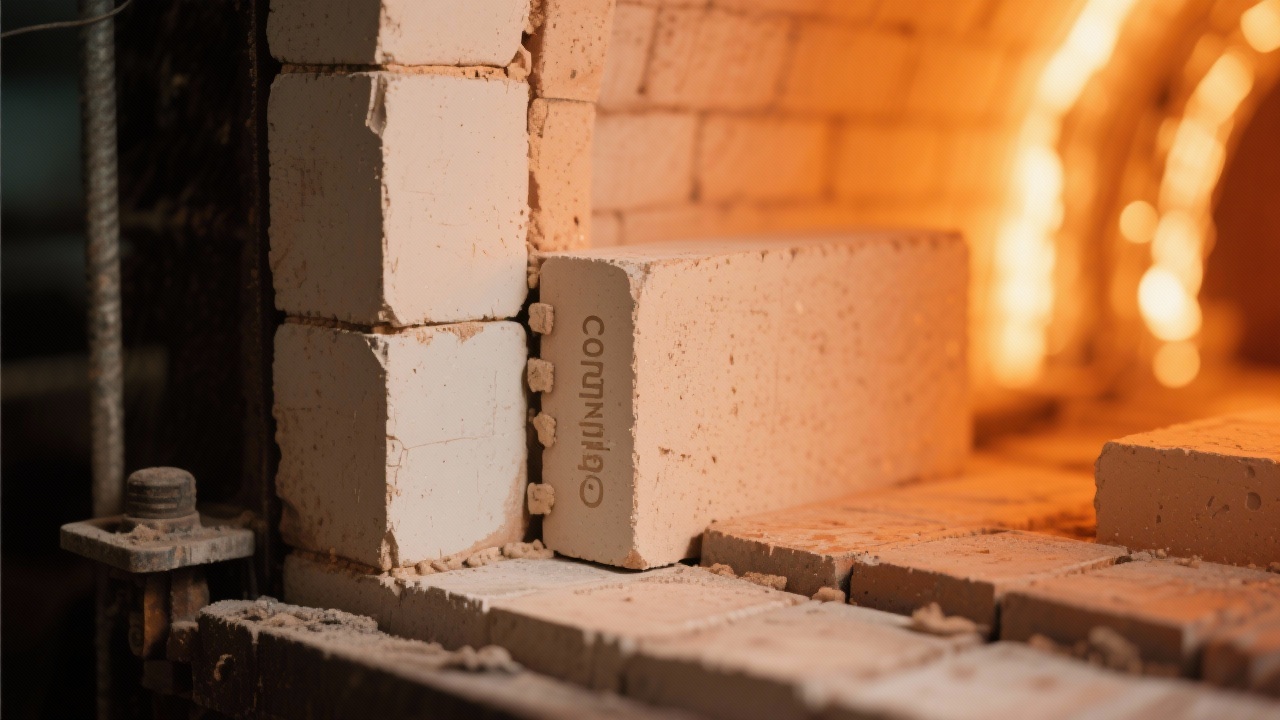
To ensure the long - term performance of corundum refractory bricks, proper maintenance is essential. Regular inspections should be carried out to check for any signs of wear, cracking, or corrosion. If any damage is found, it should be repaired promptly to prevent further deterioration.
During the operation of the equipment, the temperature and pressure should be controlled within the recommended range. Sudden changes in temperature or pressure can cause thermal stress and mechanical stress on the bricks, which may lead to damage. Additionally, the cleaning of the equipment should be carried out carefully to avoid damage to the bricks.
Corundum refractory bricks, with their high - purity alumina composition, excellent manufacturing processes, and outstanding performance in harsh environments, are an ideal choice for various industrial applications. By choosing the right type of corundum refractory bricks and following proper maintenance procedures, enterprises can improve the durability of their equipment, reduce maintenance costs, and enhance their competitiveness in the market.
Are you looking for high - quality corundum refractory bricks to optimize your equipment performance? Click here to learn more about our selection guide and get a free technical whitepaper!

 402
|
402
|
 alumina refractory bricks
glass melting furnace lining
high temperature耐火材料
fused alumina brick
sintered alumina brick
alumina refractory bricks
glass melting furnace lining
high temperature耐火材料
fused alumina brick
sintered alumina brick
 358
|
alumina refractory bricks
high temperature refractory materials
wear resistant耐火砖
fused alumina brick
kiln lining solutions
243
|
corundum refractory bricks
high temperature corrosion resistant materials
alumina refractory bricks
refractory brick manufacturing process
refractory brick applications
358
|
alumina refractory bricks
high temperature refractory materials
wear resistant耐火砖
fused alumina brick
kiln lining solutions
243
|
corundum refractory bricks
high temperature corrosion resistant materials
alumina refractory bricks
refractory brick manufacturing process
refractory brick applications
 115
|
corundum refractory bricks
sintered vs fused process
refractory materials performance comparison
high-temperature corrosion resistance
refractory brick selection guide
117
|
alumina refractory bricks
high-temperature refractory materials
sintered refractory bricks
fused refractory bricks
high alumina bricks
115
|
corundum refractory bricks
sintered vs fused process
refractory materials performance comparison
high-temperature corrosion resistance
refractory brick selection guide
117
|
alumina refractory bricks
high-temperature refractory materials
sintered refractory bricks
fused refractory bricks
high alumina bricks


