
When high-temperature industrial processes meet corrosive environments, material failure isn't just a maintenance issue—it directly impacts production efficiency, safety, and bottom-line profitability. For engineers and procurement managers in metallurgy, glass manufacturing, and chemical processing, selecting the right refractory material can mean the difference between consistent operations and costly downtime.
In industrial environments where temperatures soar above 1700°C and chemical attacks are relentless, corundum refractory bricks stand as silent sentinels protecting critical equipment. What makes these specialized bricks maintain their structural integrity where ordinary materials fail catastrophically? The answer lies in a unique combination of chemical composition, microstructural engineering, and precision manufacturing processes.
At the heart of corundum refractory bricks' exceptional performance is their high alumina content—typically ranging from 90% to 99% pure aluminum oxide (Al₂O₃). This chemical composition grants the material several critical advantages in extreme environments:
Aluminum oxide forms a hexagonal crystal structure that inherently resists thermal shock and chemical penetration. Unlike silica-based refractories that begin to soften around 1600°C, corundum maintains its rigidity even at temperatures exceeding 1700°C. This crystalline structure creates a natural barrier against both acidic and alkaline炉渣(slag), preventing the chemical degradation that plagues lesser materials.
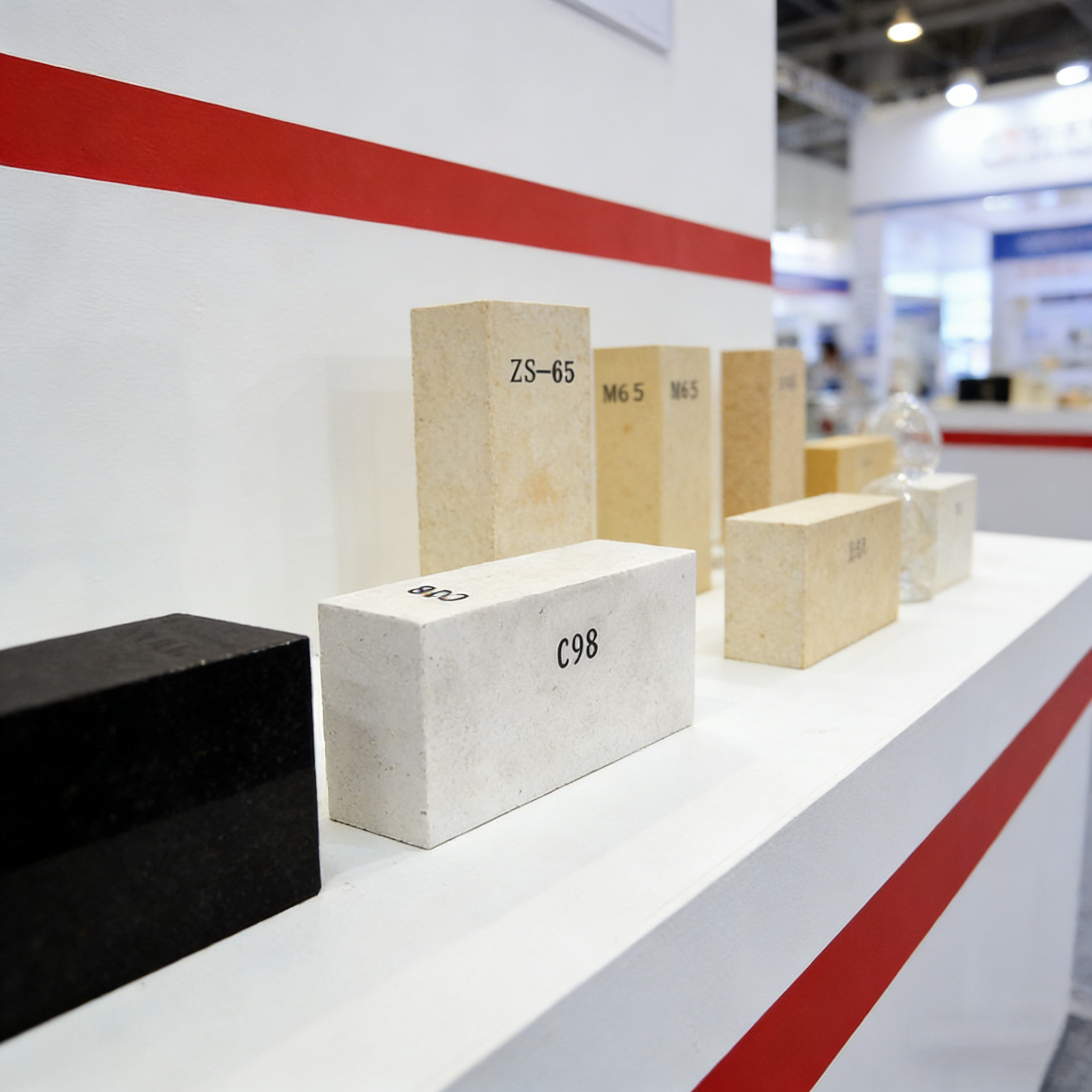
In practical terms, this means that in a steelmaking furnace operating at 1650°C with alternating acidic and basic slag compositions, corundum bricks will maintain their dimensions and protective capabilities for 3-5 times longer than standard fireclay refractories.
The performance of corundum refractory bricks isn't solely dependent on chemistry—it's equally shaped by sophisticated manufacturing processes that optimize the material's microstructure for maximum durability.
Sintering Process: This controlled heating method (typically 1750-1850°C) creates a dense microstructure with minimal porosity. Sintered corundum bricks excel in applications requiring high mechanical strength and resistance to abrasion, such as blast furnace hearths and steel ladles.
Fused Casting Process: By melting alumina above 2000°C and controlled cooling, this technique produces a homogeneous, glass-free structure with exceptional corrosion resistance. Fused cast corundum finds its niche in glass furnace regenerators and non-ferrous metallurgical applications where chemical attack is extreme.
The theoretical advantages of corundum refractory bricks translate to tangible benefits across multiple industries. Let's examine how different sectors leverage these high-performance materials to improve operations and profitability:
| Industry Sector | Application Environment | Measured Performance Improvement |
|---|---|---|
| Metallurgy | Blast furnace linings, steel ladles, tundishes | 30-40% longer service life compared to magnesia-alumina bricks |
| Glass Manufacturing | Furnace regenerators, forehearths, feeder channels | Reduced maintenance downtime by 25-35% |
| Chemical Processing | Acid production reactors, high-temperature distillation units | Corrosion resistance improved by 60% vs. silica refractories |
| Waste Incineration | Combustion chambers, flue gas ducts | Service intervals extended by 80% in hazardous waste applications |
While the initial investment in corundum refractory bricks may exceed that of conventional refractories, the total cost of ownership tells a different story. Consider these factors that contribute to long-term savings:
Download our comprehensive "Corundum Refractory Selection Guide" to identify the ideal material specifications for your specific operating environment.
Access Your Free Corundum Refractory Technical HandbookWhen evaluating refractory solutions for your most challenging environments, consider not just the immediate costs but the long-term performance and reliability that only high-quality corundum refractory bricks can deliver. The right material selection today can prevent costly failures tomorrow and position your operation for greater efficiency and profitability in the years ahead.
Have you experienced the frustration of premature refractory failure in your high-temperature processes? What specific challenges does your operation face in maintaining refractory integrity under extreme conditions? The answers to these questions could lead you to significant operational improvements through optimized refractory selection.


