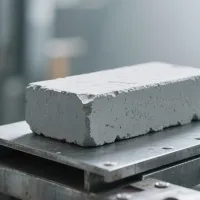
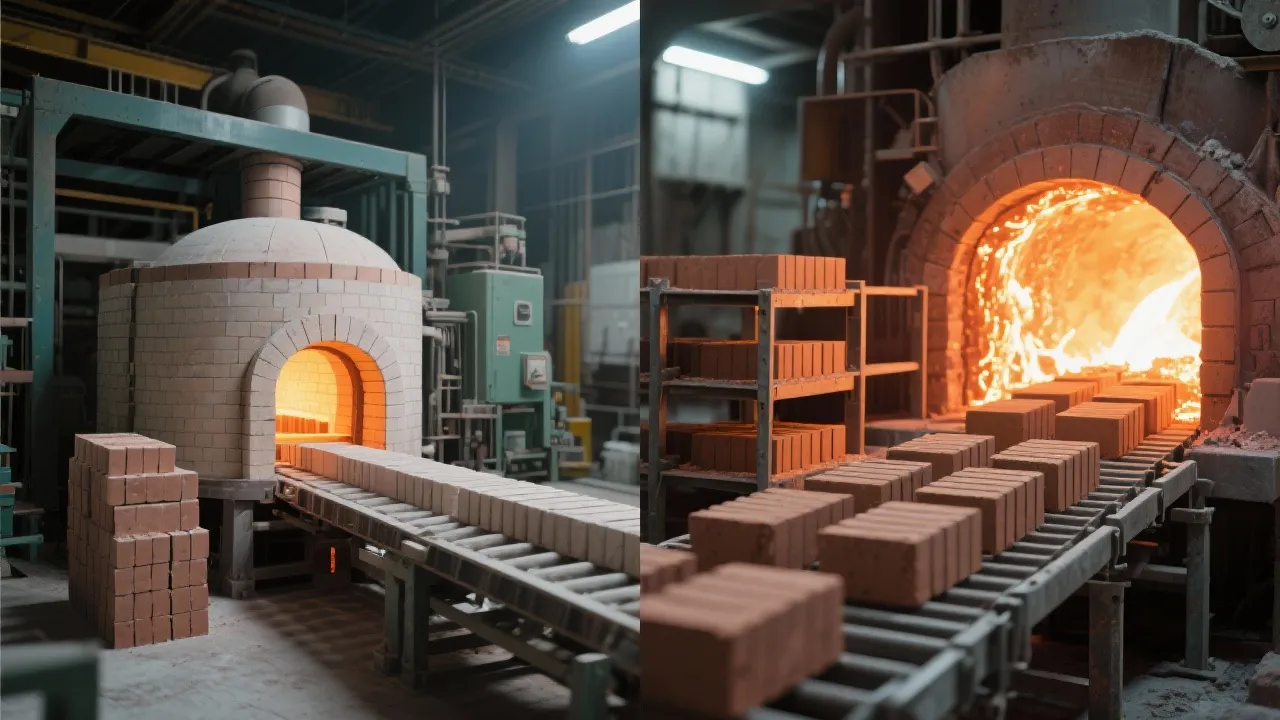
As an engineer or procurement manager involved in high-temperature industrial operations like metallurgy, glass manufacturing, or ceramics, selecting the right corundum refractory bricks can significantly impact your kiln’s performance and longevity. But what performance indicators truly matter for export-grade corundum bricks? This article breaks down the essential technical parameters — including alumina content above 90%, high cold crushing strength, wear resistance, and fire resistance beyond 1700°C — and clarifies how different manufacturing processes influence their application suitability. By understanding these core factors, you can reduce costly downtime by at least 30% and extend your furnace life by over 2x.
The Al₂O₃ content is the primary indicator of a corundum brick’s thermal and chemical stability. For export-standard products, the alumina content typically exceeds 90%. Higher alumina levels correlate directly with improved refractoriness and corrosion resistance—critical in environments subjected to acid or alkaline slag.
Industry insight: Steel plant operators often face acid slag corrosion. Using corundum bricks with 92% Al₂O₃ content can reduce lining degradation rates by up to 40%, cutting replacement costs and downtime.
Cold crushing strength (CCS) measures a brick’s ability to withstand mechanical loads without fracturing. Export requirements usually specify CCS values above 80 MPa, ensuring bricks endure the stresses from kiln operation and handling. Stronger bricks minimize risks of cracks and failure under thermal cycling.
Your application’s maximum operating temperature dictates the needed fire resistance. Corundum bricks with refractoriness greater than 1700°C suit high-temperature processes such as blast furnace hearths or glass melting tanks. Proper fire resistance reduces warping and deformation, extending service life.
The two dominant manufacturing methods—sintering and fusing—yield bricks with distinct performance profiles:
Note: In the glass industry, fused corundum bricks reduce lining replacements by 25% due to superior slag resistance, while sintered bricks remain preferred in static, highly corrosive metallurgical zones.
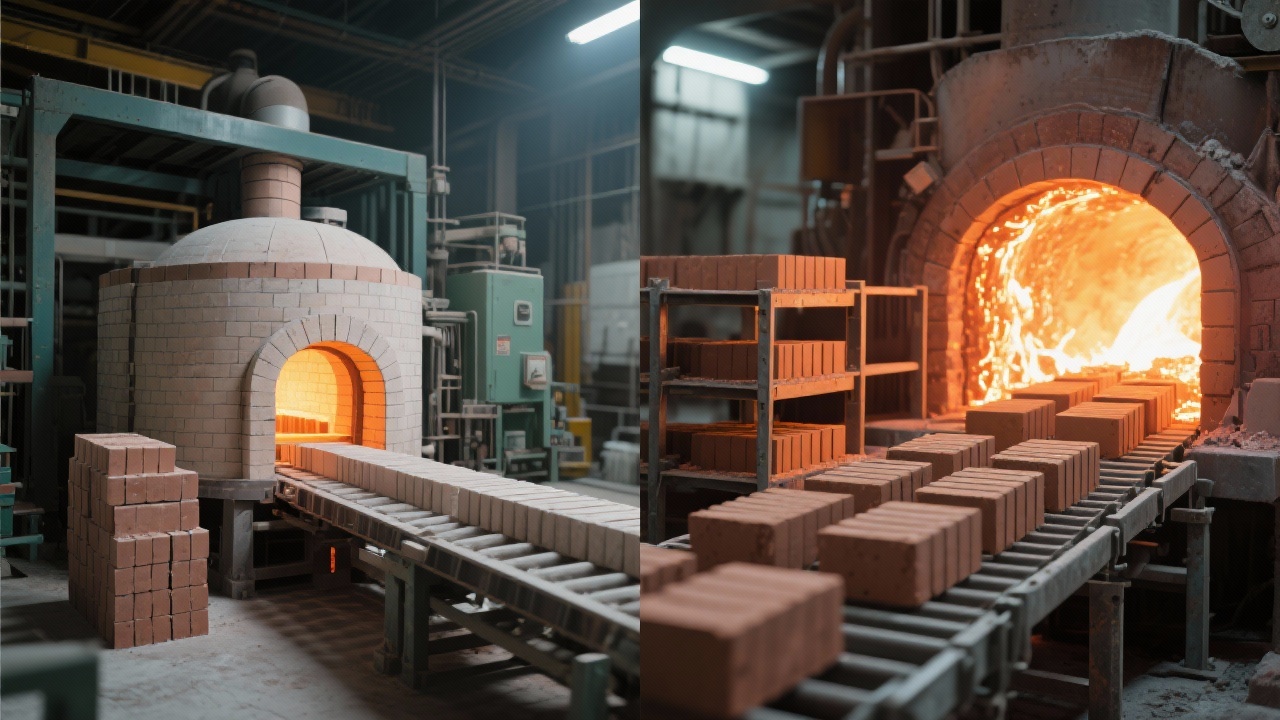
Industries operating under acid-alkali corrosion or high-temperature fluctuation frequently encounter:
“Rapid refractory wear, frequent kiln shutdowns, and unpredictable maintenance costs.”
Corundum bricks designed with high alumina content and optimized cold crushing strength mitigate these issues by enhancing corrosion resistance and mechanical durability. This translates to an average 30% reduction in downtime and extends kiln life by approximately 100%–150%.
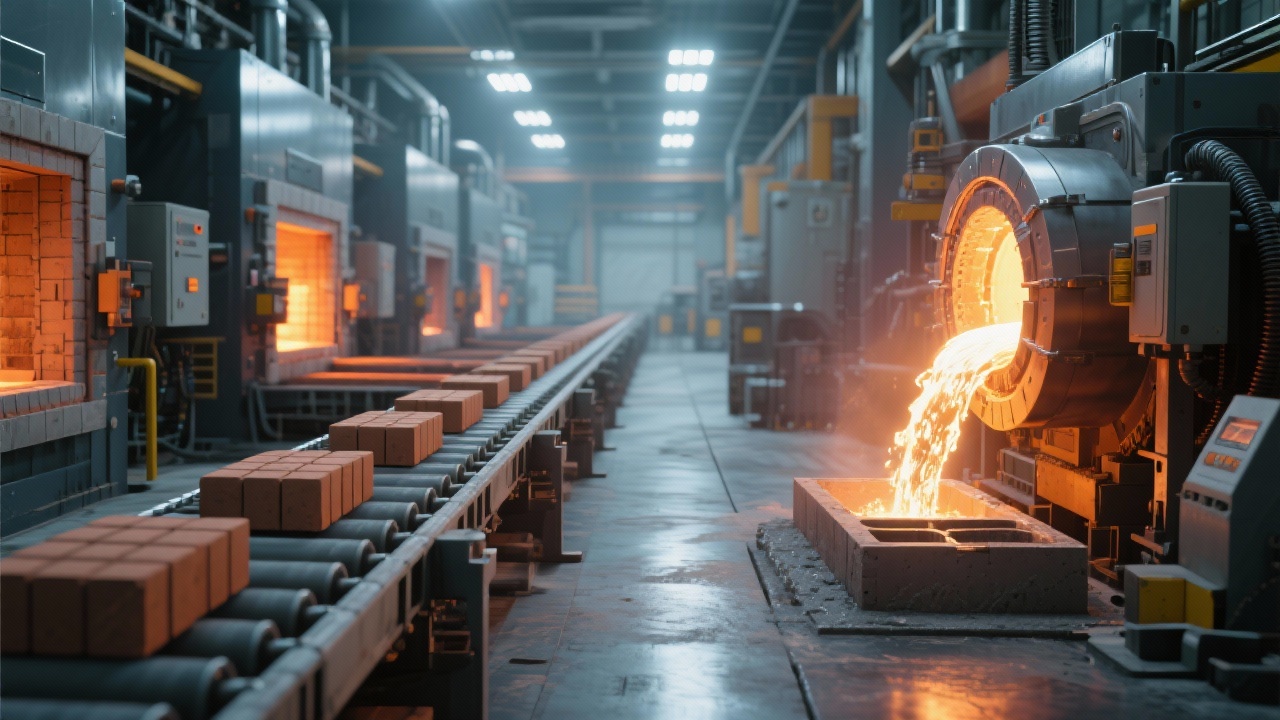
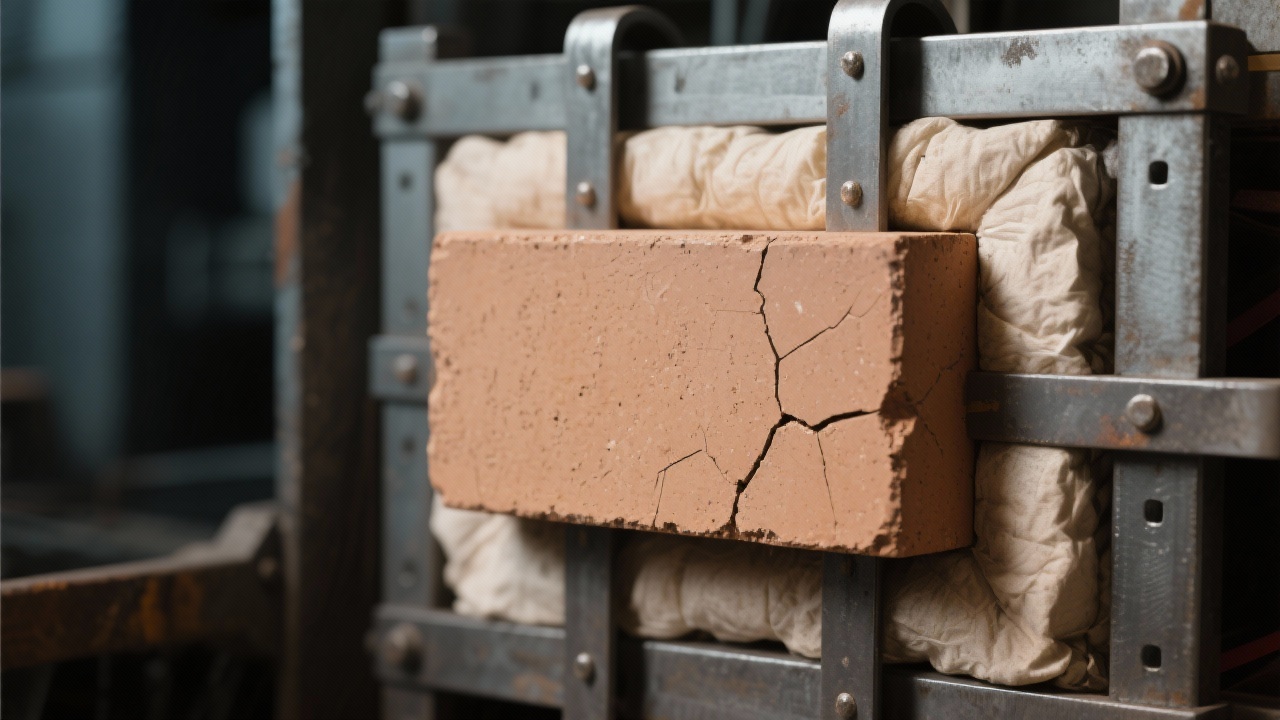 refractory bricks under high thermal stress" style="max-width: 100%; height: auto; border-radius: 6px;">
Consider these factors during your selection process:
Selecting the optimal corundum refractory brick based on these parameters can reduce your overall maintenance costs by up to 40%.
 326
|
326
|
 Corundum refractory bricks
High alumina content
Wear resistance
Refractoriness of 1700°C
Metallurgical furnace refractory materials
Corundum refractory bricks
High alumina content
Wear resistance
Refractoriness of 1700°C
Metallurgical furnace refractory materials
 179
|
Corundum refractory bricks
Sintered corundum bricks
Fused corundum bricks
High - temperature refractory materials
Refractory brick selection
77
|
corundum refractory brick
high alumina brick comparison
refractory material performance
metallurgical furnace lining
alumina content above 90%
244
|
corundum refractory bricks
high temperature corrosion resistant materials
alumina refractory bricks
refractory brick manufacturing process
refractory brick applications
175
|
corundum refractory brick
high-alumina refractory materials
refractory brick service life improvement
refractory material applications
alumina content over 90%
179
|
Corundum refractory bricks
Sintered corundum bricks
Fused corundum bricks
High - temperature refractory materials
Refractory brick selection
77
|
corundum refractory brick
high alumina brick comparison
refractory material performance
metallurgical furnace lining
alumina content above 90%
244
|
corundum refractory bricks
high temperature corrosion resistant materials
alumina refractory bricks
refractory brick manufacturing process
refractory brick applications
175
|
corundum refractory brick
high-alumina refractory materials
refractory brick service life improvement
refractory material applications
alumina content over 90%