
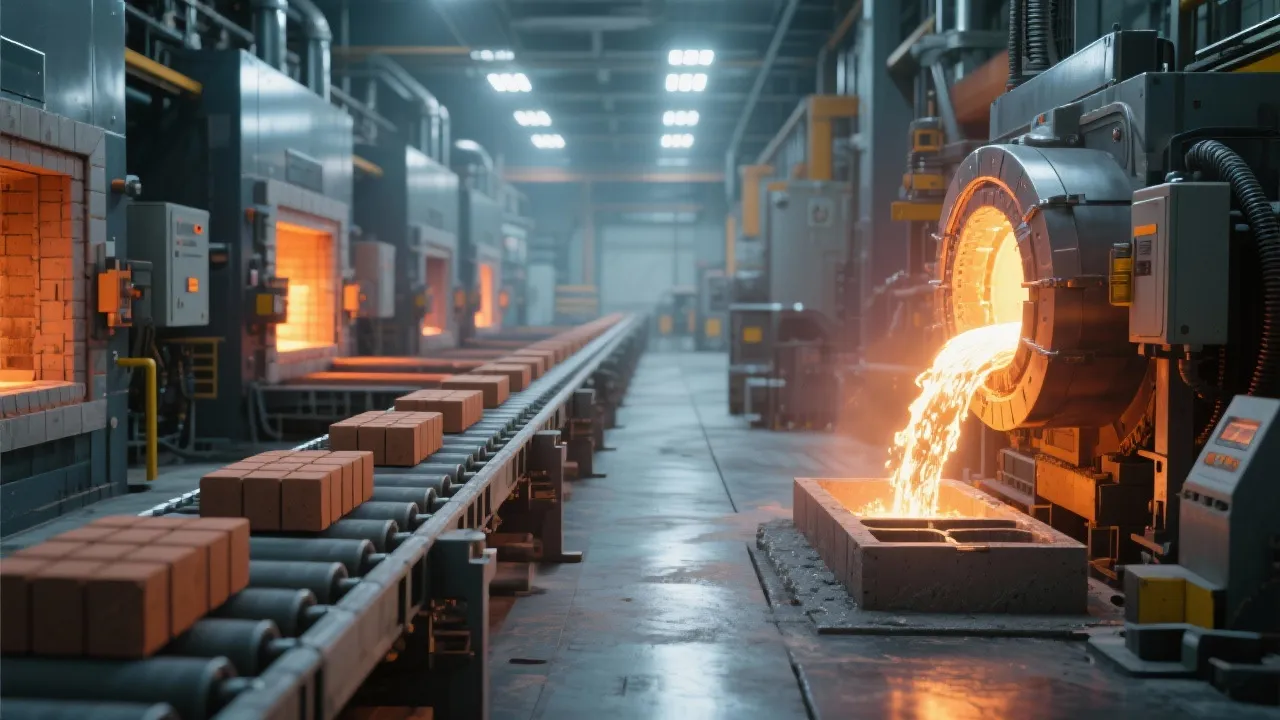
Industries operating at extreme temperatures, such as steelmaking and glass production, demand refractory materials that can withstand harsh conditions without compromising structural integrity or lifespan. Alumina refractory bricks, known for their high alumina (Al₂O₃) content exceeding 90%, are often the preferred choice. But not all alumina bricks are manufactured equally—the sintered and fused manufacturing processes yield products with distinct microstructures and performance profiles.
When evaluating alumina bricks, technical decision makers focus on critical parameters including:
Understanding the distinction between sintered and fused alumina bricks is critical. Sintered bricks form through high-temperature heating of alumina powders below melting points, enabling crystallization and grain growth. Fused bricks result from melting alumina at ultra-high temperatures (~2000°C), rapidly quenching to create dense, glassy, and mullite-rich microstructures.
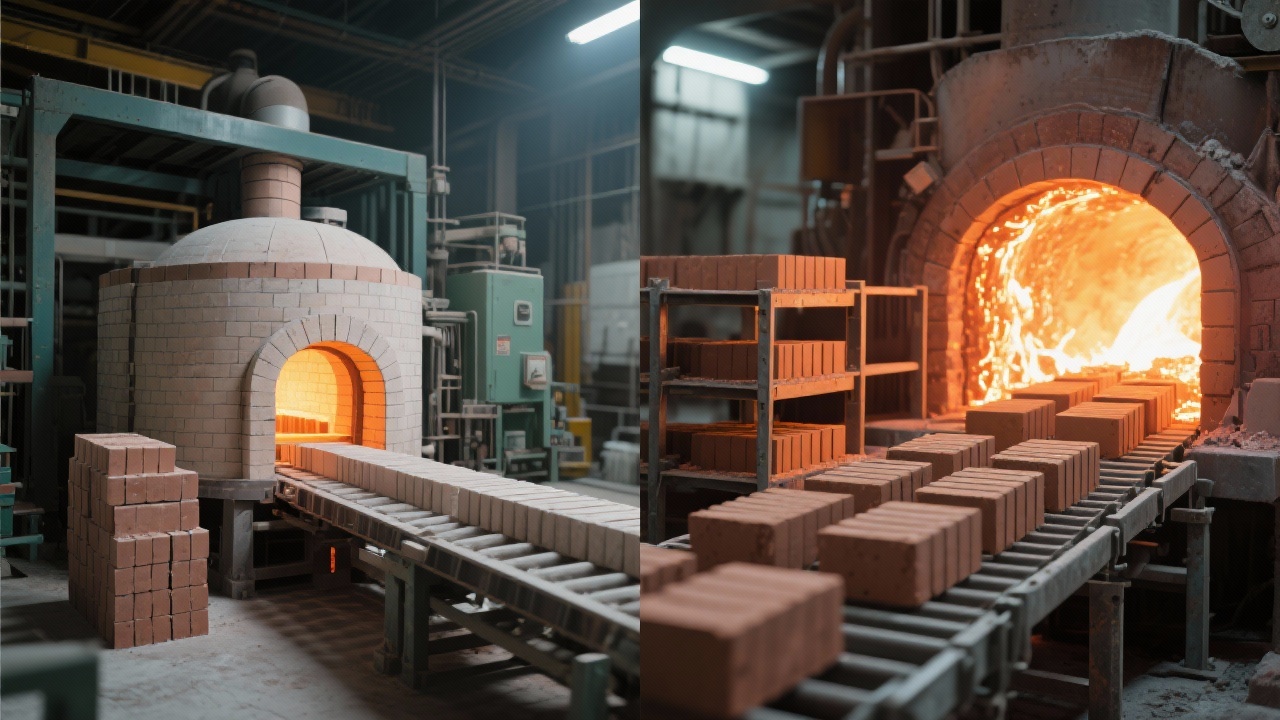
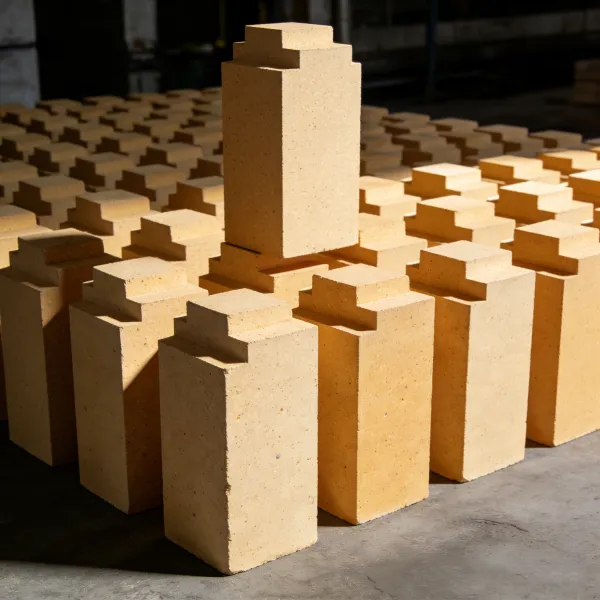
Sintered Alumina Bricks: Produced by compacting and heating high-purity alumina powders at around 1600-1750°C. The process generates microstructures primarily composed of corundum (α-Al₂O₃) crystals. This yields bricks with good mechanical strength and moderate porosity, optimized for thermal shock resistance.
Fused Alumina Bricks: Manufactured by melting alumina at temperatures exceeding 2000°C followed by rapid cooling. The resulting bricks have a highly dense, vitrified matrix with increased glassy phases and mullite (3Al₂O₃·2SiO₂) content. This structure grants superior chemical resistance and abrasion resistance but tends to have lower thermal shock tolerance.
| Property | Sintered Alumina Bricks | Fused Alumina Bricks |
|---|---|---|
| Alumina Content (Al₂O₃) | 90-95% | ≥ 98% |
| Cold Crushing Strength | 130-160 MPa | 150-180 MPa |
| Thermal Shock Resistance | Excellent (up to 6 cycles with minimal damage) | Moderate (3-4 cycles) |
| Abrasion Resistance | Good | Superior |
| Residue Porosity | 3-6% | 1-3% |
| Typical Refractoriness (Melting Point) | >1750°C | >2000°C |
Each manufacturing route caters to different operational demands. In steelmaking furnaces, thermal shock from cyclic heating and cooling is common. Here, sintered alumina bricks excel by maintaining structural integrity under rapid temperature changes, extending service life by up to 30% compared with fused alternatives.
Conversely, in glass melting furnaces and high-corrosion environments, fused alumina bricks dominate due to their superior chemical and abrasion resistance. They resist corrosion from alkaline slags and silicate melts, minimizing wear and the frequency of brick replacement. A major glass producer reported increasing their furnace campaign length by 25%, reducing downtime costs significantly.
Case in point: A Scandinavian steel plant switched to high-strength sintered alumina bricks in their reheating furnace lining. Over 18 months, downtime caused by refractory failures dropped by 40%, directly boosting overall throughput and energy efficiency.
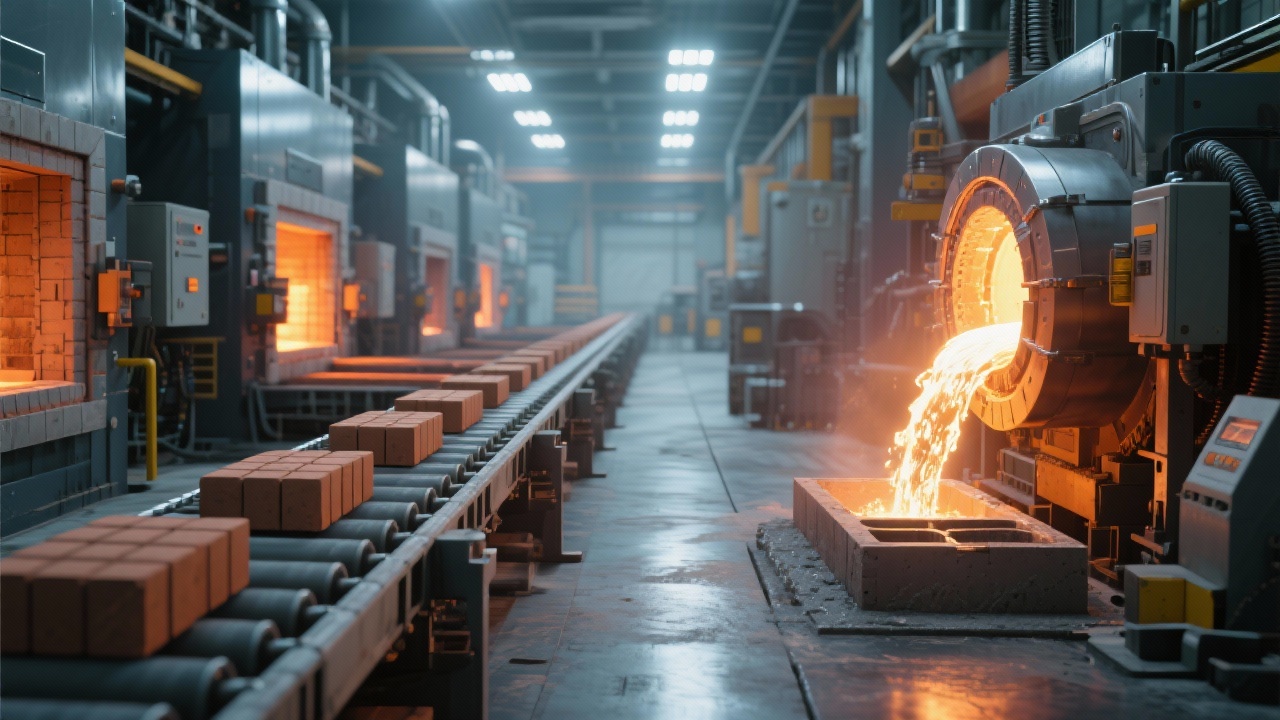
Choosing between sintered and fused alumina bricks hinges on the specific process conditions:
Is your kiln or furnace uptime being compromised by frequent refractory brick replacements? Selecting the right manufacturing process for alumina refractory bricks is more than a technical detail — it’s a strategic decision that directly impacts operational efficiency, maintenance costs, and product quality.
Armed with this nuanced understanding, engineers and procurement professionals can confidently specify materials that optimize durability and withstand rigorous conditions.

 295
|
295
|
 high-alumina refractory bricks
glass furnace refractories
refractory brick wear resistance testing
corrosion resistant refractory bricks
industrial furnace lining solutions
high-alumina refractory bricks
glass furnace refractories
refractory brick wear resistance testing
corrosion resistant refractory bricks
industrial furnace lining solutions
 119
|
converter lining selection
magnesia chrome brick performance
refractory brick slag resistance
high temperature converter refractories
magnesia chrome brick application
119
|
converter lining selection
magnesia chrome brick performance
refractory brick slag resistance
high temperature converter refractories
magnesia chrome brick application
 179
|
Corundum refractory bricks
Sintered corundum bricks
Fused corundum bricks
High - temperature refractory materials
Refractory brick selection
243
|
corundum refractory bricks
high temperature corrosion resistant materials
alumina refractory bricks
refractory brick manufacturing process
refractory brick applications
188
|
corundum refractory brick
high alumina refractory
fused vs sintered refractory
wear resistant refractory
ceramic industry refractory
179
|
Corundum refractory bricks
Sintered corundum bricks
Fused corundum bricks
High - temperature refractory materials
Refractory brick selection
243
|
corundum refractory bricks
high temperature corrosion resistant materials
alumina refractory bricks
refractory brick manufacturing process
refractory brick applications
188
|
corundum refractory brick
high alumina refractory
fused vs sintered refractory
wear resistant refractory
ceramic industry refractory


