

High-alumina refractory bricks, with an alumina content exceeding 90%, are essential materials in high-temperature industrial applications. Among them, sintered corundum bricks and fused corundum bricks stand out due to their excellent performance. This article delves into the differences between these two types of bricks, focusing on their manufacturing processes and the impact on adaptability to high-temperature working conditions.
The manufacturing processes of sintered and fused corundum bricks are fundamentally different. Sintered corundum bricks are made by mixing high - purity alumina raw materials, adding binders, and then pressing them into shape through cold - pressing technology. After that, they are sintered at high temperatures. This process allows the bricks to form a stable crystal structure. The raw materials usually include bauxite, industrial alumina, etc. The production flow involves raw material preparation, mixing, molding, and high - temperature sintering.
In contrast, fused corundum bricks are produced by melting high - purity alumina in an electric arc furnace at extremely high temperatures and then casting the molten material into a mold to solidify. The raw materials mainly consist of high - grade alumina with a very high purity. The production process is more energy - intensive but results in a unique crystal structure.
From a technical perspective, both types of bricks have high cold - crushing strength. Sintered corundum bricks generally have a cold - crushing strength of over 200 MPa, which provides good structural support. They also have excellent wear resistance, which is crucial in applications where there is mechanical friction. In terms of refractoriness, they can withstand temperatures above 1700°C, making them suitable for high - temperature environments.
Fused corundum bricks, on the other hand, have even better refractoriness and can withstand temperatures up to 1800°C or higher. Their crystal structure gives them superior corrosion resistance, especially against acid and alkaline slag erosion. In terms of wear resistance, they also perform well, with a lower wear rate compared to some other refractory materials.
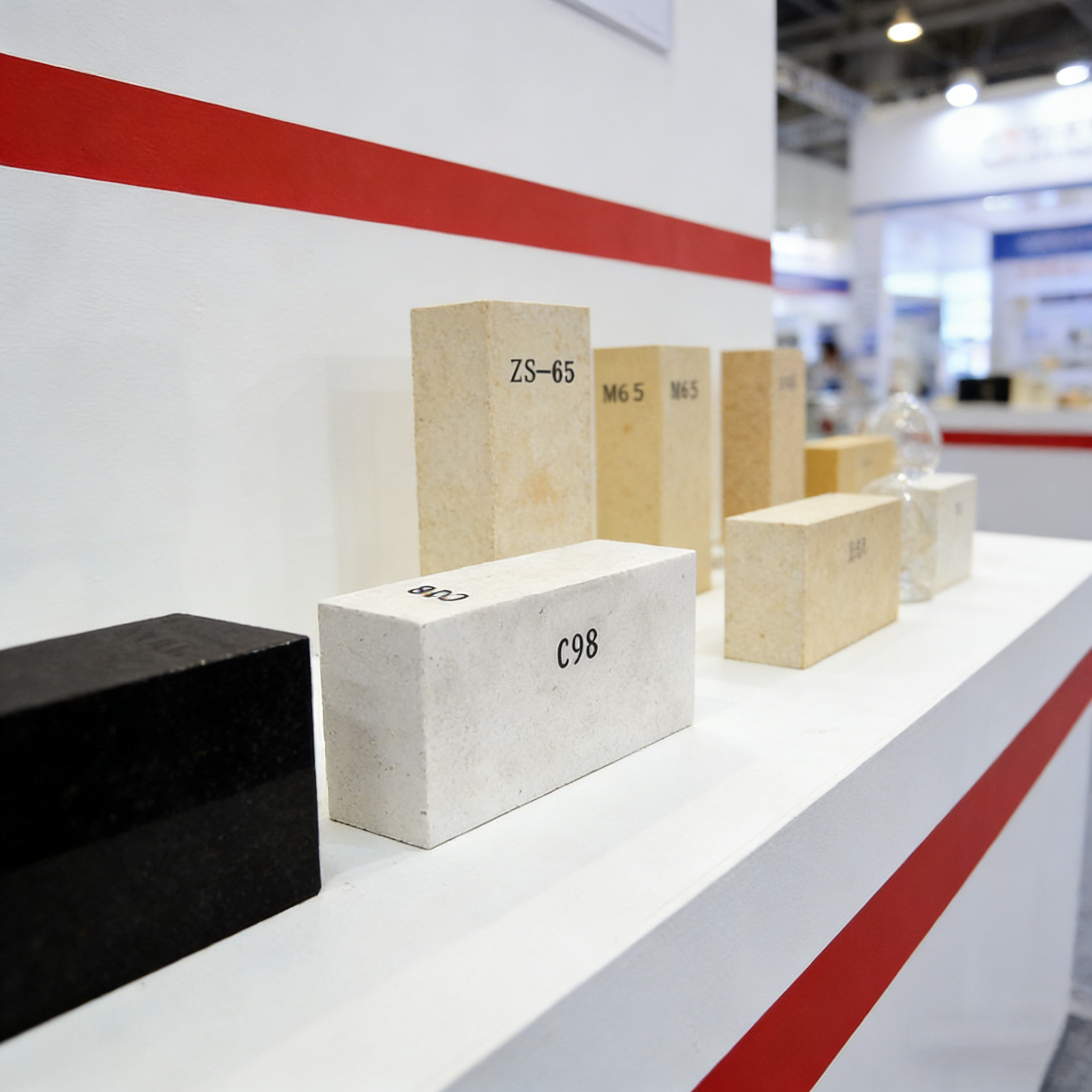
In industries such as metallurgy, glass, and ceramics, the choice between sintered and fused corundum bricks depends on the specific working conditions. In metallurgical furnaces, where there are high - temperature load fluctuations and acid - alkaline slag erosion, fused corundum bricks are often preferred due to their better corrosion resistance and high - temperature stability. For example, in a steel - making furnace, the use of fused corundum bricks can significantly reduce the erosion of the furnace lining by slag, increasing the service life of the furnace and reducing maintenance costs.
In glass and ceramic kilns, sintered corundum bricks are widely used because of their good wear resistance and relatively lower cost. They can effectively withstand the mechanical friction caused by the movement of materials in the kiln, ensuring the normal operation of the equipment.
To better understand the differences between the two types of bricks, we can use micro - structure diagrams and comparison charts. The micro - structure of sintered corundum bricks shows a fine - grained and dense structure, while the fused corundum bricks have a coarser and more homogeneous crystal structure. These differences directly affect their performance.
Let's take a ceramic factory as an example. By replacing the original refractory bricks with sintered corundum bricks, the factory reduced the equipment downtime by 30% and cut the maintenance cost by 25%. In a glass - making plant, the use of fused corundum bricks increased the furnace's service life from 2 years to 3 years, resulting in significant cost savings.
The refractory materials industry is constantly evolving. New technologies are being developed to further improve the performance of corundum bricks, such as improving the purity of raw materials and optimizing the manufacturing process. There is also a trend towards more environmentally friendly production methods. Industry decision - makers need to keep an eye on these trends to make more informed choices.
If you are an engineer, procurement manager, or equipment maintenance personnel, understanding the differences between sintered and fused corundum bricks is crucial for accurate material selection. To learn more about the selection guide of high - temperature refractory bricks and obtain our technical whitepaper, please visit CTA - URL.

 402
|
402
|
 alumina refractory bricks
glass melting furnace lining
high temperature耐火材料
fused alumina brick
sintered alumina brick
alumina refractory bricks
glass melting furnace lining
high temperature耐火材料
fused alumina brick
sintered alumina brick
 119
|
converter lining selection
magnesia chrome brick performance
refractory brick slag resistance
high temperature converter refractories
magnesia chrome brick application
119
|
converter lining selection
magnesia chrome brick performance
refractory brick slag resistance
high temperature converter refractories
magnesia chrome brick application
 295
|
high-alumina refractory bricks
glass furnace refractories
refractory brick wear resistance testing
corrosion resistant refractory bricks
industrial furnace lining solutions
242
|
corundum refractory bricks
high temperature corrosion resistant materials
alumina refractory bricks
refractory brick manufacturing process
refractory brick applications
492
|
Corundum refractory bricks
High-temperature refractory materials
Acid and alkali corrosion resistance
Refractory brick selection guide
Corundum brick applications
295
|
high-alumina refractory bricks
glass furnace refractories
refractory brick wear resistance testing
corrosion resistant refractory bricks
industrial furnace lining solutions
242
|
corundum refractory bricks
high temperature corrosion resistant materials
alumina refractory bricks
refractory brick manufacturing process
refractory brick applications
492
|
Corundum refractory bricks
High-temperature refractory materials
Acid and alkali corrosion resistance
Refractory brick selection guide
Corundum brick applications


