
In the high-stakes environment of electric arc furnace (EAF) operations, one silent enemy consistently undermines productivity: alkali slag corrosion. Industry data shows that up to 62% of unplanned downtime in steelmaking facilities can be traced to refractory lining failures, with alkali attack identified as the primary culprit in over 70% of those cases.
Imagine this scenario: A mid-sized steel producer experiences lining wear rates 30% higher than industry standards, forcing monthly shutdowns for maintenance. Each unplanned outage costs approximately $42,000 in lost production and repair expenses. This isn't an isolated incident—it's a common reality for facilities using conventional refractory solutions.
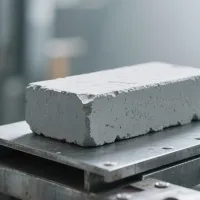
The battle against alkali slag begins at the microscopic level. Sintered magnesia-carbon (MgO-C) bricks represent a sophisticated engineering solution, where each component plays a critical role in neutralizing chemical attacks:
High-purity sintered magnesia (96-98% MgO) forms the backbone of alkali resistance. Its dense crystalline structure creates a physical barrier that slows alkali ion diffusion by up to 40% compared to conventional magnesia.
Premium flake graphite (10-20% content) provides exceptional thermal conductivity (120-150 W/m·K), reducing thermal gradients that create microcracks—pathways for alkali penetration.
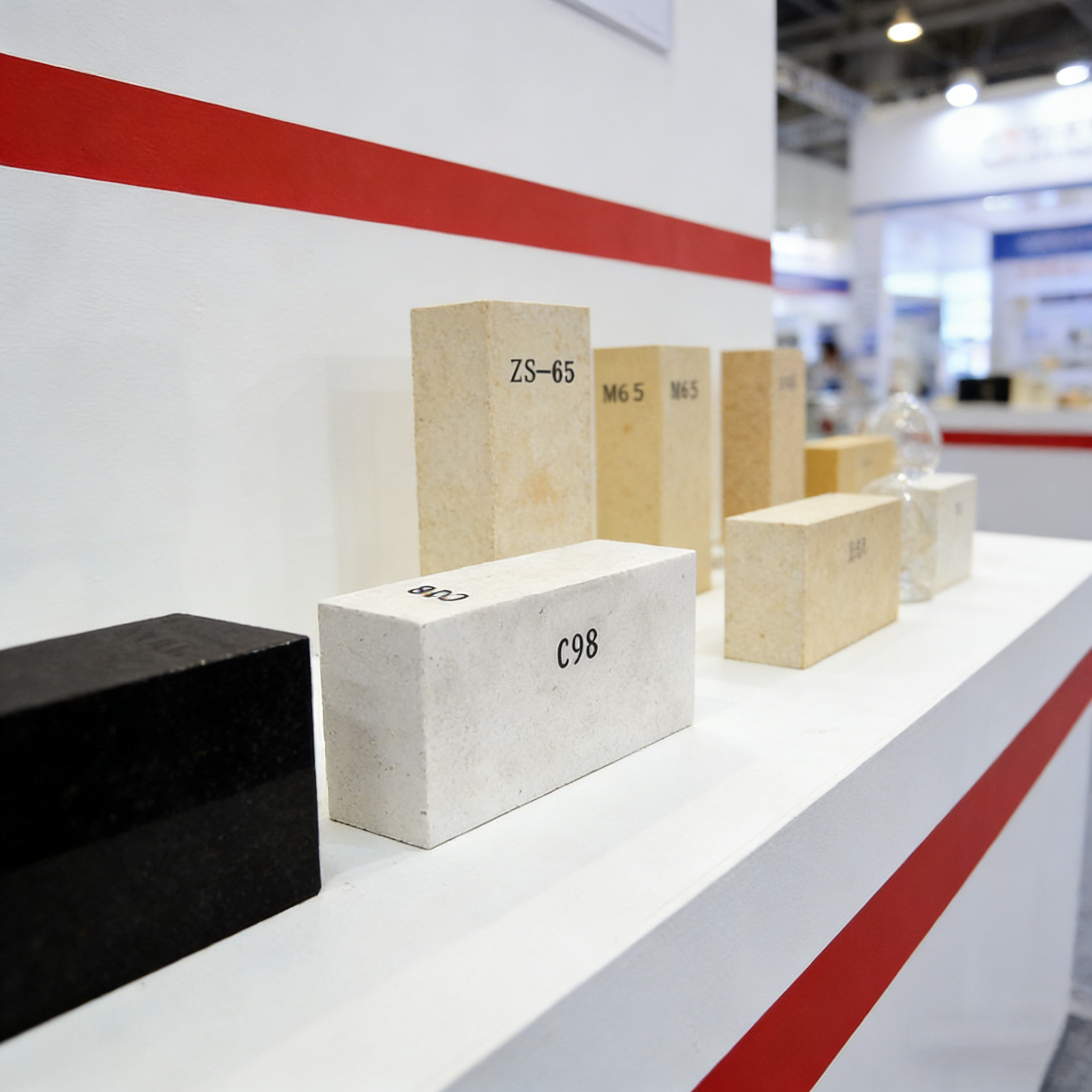
Modern MgO-C formulations have evolved beyond basic compositions. Advanced phenolic resin binders, modified with silicon additives, create a carbon-bonded network that retains 85% of its strength at 1600°C. When combined with proprietary antioxidant packages (typically Al, Si, or B4C), these bricks demonstrate a 50% reduction in oxidation rates compared to standard formulations.
| Performance Metric | Traditional MgO-C | Optimized Sintered MgO-C | Improvement |
|---|---|---|---|
| Alkali Corrosion Resistance | Moderate | Excellent | +45% |
| Thermal Shock Resistance | 15-20 cycles | 35-40 cycles | +80% |
| Service Life in EAF | 40-60 heats | 85-110 heats | +75% |
Consider the experience of a European steel producer specializing in high-alloy steels, where alkali-rich slags are unavoidable. After experiencing frequent lining failures (average 45 heats per campaign), they switched to an optimized sintered MgO-C brick formulation with enhanced antioxidant content.
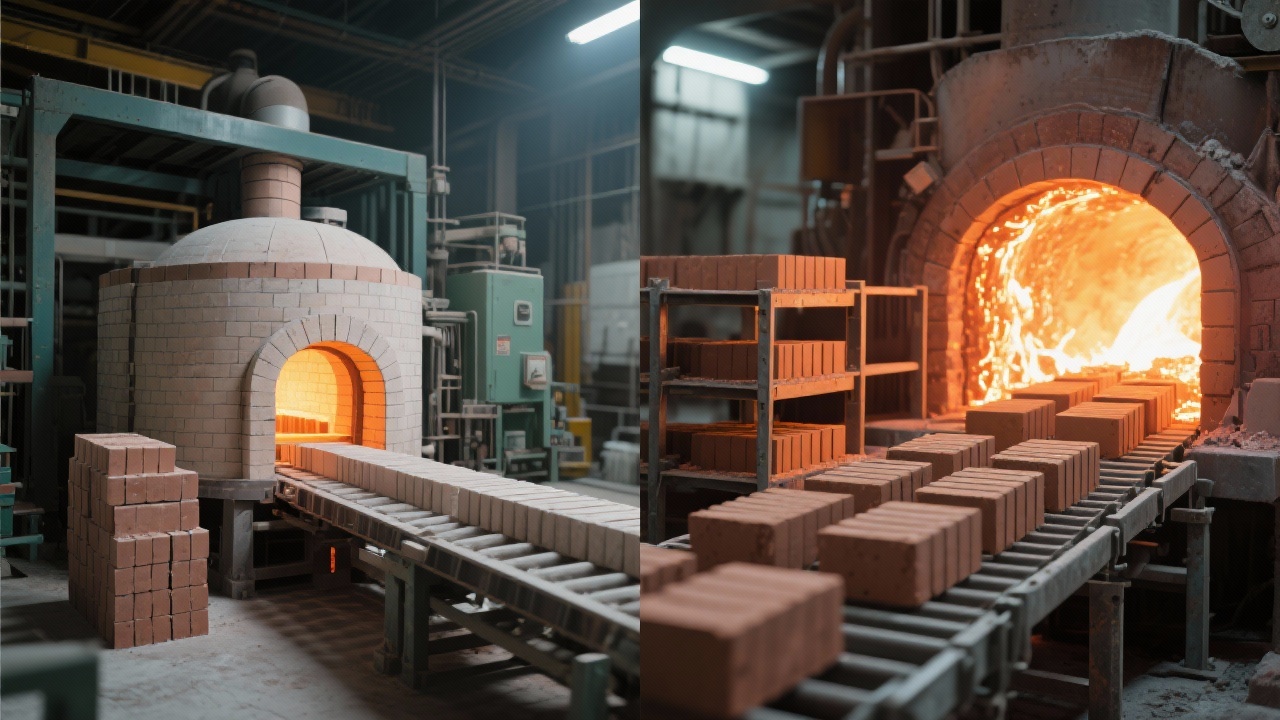
The results were transformative: lining life increased to 98 heats—a 118% improvement—while maintenance costs decreased by $286,000 annually. Most significantly, the facility reduced unplanned downtime from 14 days to just 3 days per year, resulting in an additional 2,100 tons of steel production.
Q: How can we measure alkali attack in our EAF lining?
A: Conduct regular ultrasonic thickness measurements and visual inspections. Chemical analysis of slag samples can identify alkali content trends, allowing proactive adjustments to refractory selection or operating parameters.
Q: Are there operational practices that can reduce alkali damage?
A: Yes. Optimizing slag basicity, controlling reducing conditions, and implementing proper tapping practices can minimize alkali vapor formation. Preheating cold charge materials also reduces thermal shock.
Q: When is the optimal time to replace MgO-C bricks to prevent catastrophic failure?
A: Monitor wear rates closely. Schedule replacement when remaining thickness reaches 30% of original, or if localized erosion exceeds 50% in critical areas like tapholes or slag lines.
Even the best refractory materials require proper care. Implementing these evidence-based maintenance practices can extend lining life by an additional 20-30%:

Discover how our advanced sintered magnesia-carbon bricks can reduce your maintenance costs by up to 45% while extending lining life by 75% or more. Our team of refractory specialists can develop customized solutions tailored to your specific operating conditions.
Explore Our Alkali-Resistant Refractory SolutionsIn the competitive steel industry, where margins are tight and productivity is critical, the choice of refractory material directly impacts your bottom line. By understanding the science of alkali resistance and implementing proven maintenance strategies, you can transform your EAF operations from a source of constant problems to a pillar of reliable performance.
Remember: Every heat you extend your lining life without unplanned downtime represents additional profit and competitive advantage. The technology to solve your alkali slag challenges is available—now is the time to take action.
 314
|
314
|
 High - alumina refractory bricks
Hot blast stove lining
Thermal shock resistance
Low thermal conductivity
Refractory material application
High - alumina refractory bricks
Hot blast stove lining
Thermal shock resistance
Low thermal conductivity
Refractory material application
 356
|
corundum refractory bricks performance
alumina content >90%
high temperature refractory bricks
sintering vs fusion corundum bricks
refractory bricks for metallurgy
356
|
corundum refractory bricks performance
alumina content >90%
high temperature refractory bricks
sintering vs fusion corundum bricks
refractory bricks for metallurgy
 133
|
Corundum refractory bricks
High - temperature corrosion protection
Refractory material applications
Sintered corundum bricks
Fused corundum bricks
42
|
High-alumina refractory clay bricks
Glass furnace refractory materials
High-temperature furnace lining technology
Refractory brick installation process
Refractory material application guide
133
|
Corundum refractory bricks
High - temperature corrosion protection
Refractory material applications
Sintered corundum bricks
Fused corundum bricks
42
|
High-alumina refractory clay bricks
Glass furnace refractory materials
High-temperature furnace lining technology
Refractory brick installation process
Refractory material application guide
 309
|
high alumina fire clay brick
high density refractory brick
industrial furnace lining
thermal shock resistant brick
custom refractory solutions
309
|
high alumina fire clay brick
high density refractory brick
industrial furnace lining
thermal shock resistant brick
custom refractory solutions