Electric Arc Furnace Refractory Selection: 3 Key Advantages of Sintered Magnesia Carbon Bricks
2026-02-19
Technical knowledge
Electric arc furnace (EAF) stability and campaign life depend heavily on refractory performance under severe thermal shock, alkaline slag attack, and high heat flux. This article explains how premium sintered magnesia carbon (MgO-C) bricks address common EAF lining pain points through three core advantages: high refractoriness and hot strength for long-term lining stability, strong resistance to alkaline slag for extended service life, and reliable thermal conductivity to improve heat transfer efficiency. It also highlights how Shandong Huannai Refractory Co., Ltd. leverages local magnesite resources and tight raw-material/process control to deliver consistent, Europe-benchmark quality, and reinforces customer confidence with a service system achieving a 98% on-time delivery rate. Suggested visuals include a microstructure diagram and a performance comparison chart (strength, slag resistance, thermal conductivity) to support material selection decisions. Readers are encouraged to request full technical data or schedule an expert consultation to optimize EAF refractory design and maintenance planning.
How to Choose Refractory Materials for Electric Arc Furnaces (EAF): Why Sintered MgO-C Bricks Keep Winning
In an electric arc furnace, refractory selection is not a procurement detail—it is an operating strategy. When the wrong lining is chosen, the symptoms are familiar: unstable campaigns, frequent patching, higher power consumption, and an uncomfortable “we’ll see how long it lasts” mindset. For many steelmakers, high-performance sintered magnesia-carbon (MgO-C) bricks remain a proven answer—especially where alkaline slag corrosion, thermal shock, and mechanical wear combine into a tough daily reality.
Buyer takeaway: A “good” EAF refractory is one that protects uptime. Look for a balance of high hot strength, alkaline slag resistance, and controlled thermal conductivity—and verify that the supplier can deliver consistently, not occasionally.
1) The Real EAF Pain Points That Drive Refractory Performance Requirements
EAF lining wear is rarely caused by one factor. It is typically the combined effect of rapid temperature swings, aggressive basic slag, scrap impact, oxygen lancing, and localized hotspots. In practical terms, operators often face:
- Thermal shock damage from frequent start/stop cycles and sudden heat input.
- Alkaline slag attack (high CaO/FeO) accelerating corrosion and penetration.
- Mechanical erosion from scrap charging and arc turbulence.
- Energy loss when lining structure and heat transfer are poorly matched to the furnace’s operating rhythm.
Against this background, sintered MgO-C bricks stand out because they are engineered to fight more than one enemy at a time.
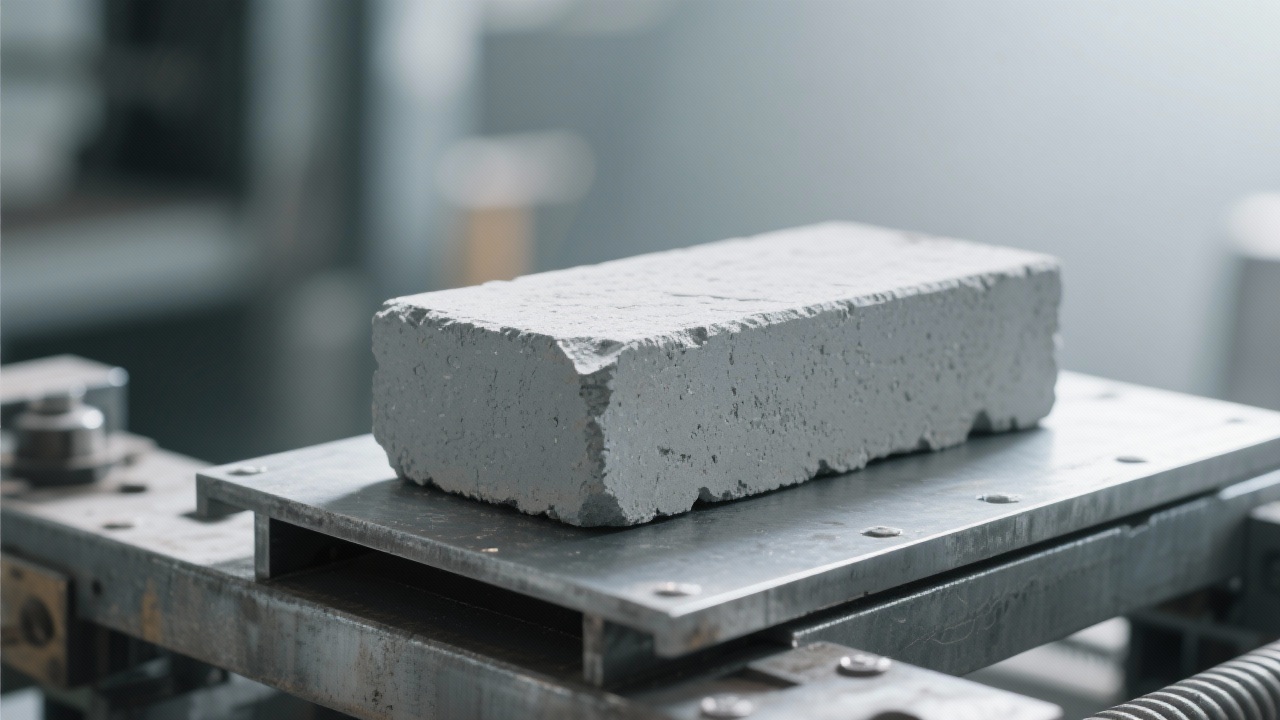
2) Three Core Advantages of Quality Sintered MgO-C Bricks (And Why They Matter in the Furnace)
Advantage #1: High Refractoriness & Hot Strength for a Stable Campaign
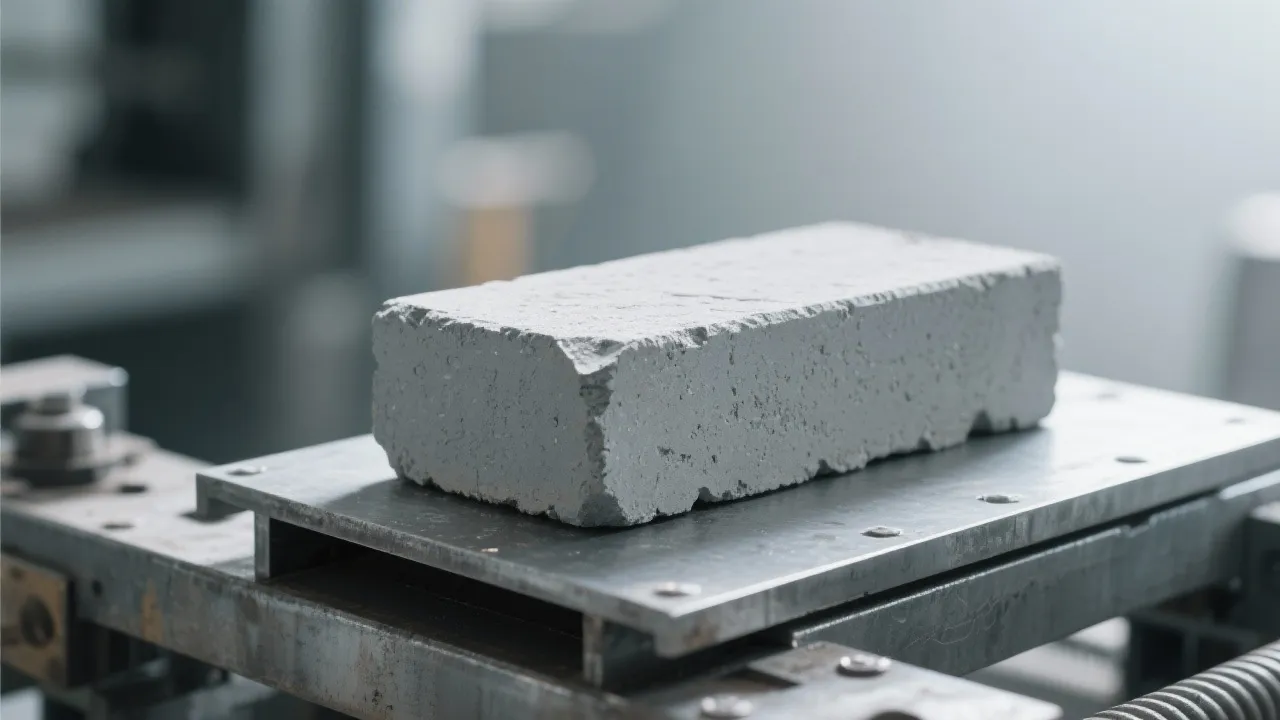
A stable lining requires more than “high MgO content” on a datasheet. What counts is hot strength retention under load, arc radiation, and repeated temperature gradients. In well-designed sintered MgO-C bricks, high-purity magnesia provides refractoriness, while the carbon network improves toughness and crack resistance.
In industrial references, quality MgO-C bricks often show apparent porosity around 3–6%, bulk density typically 2.95–3.10 g/cm³, and cold crushing strength commonly in the 35–60 MPa range depending on grade and application area—supporting longer campaigns with fewer emergency repairs.
Advantage #2: Superior Resistance to Alkaline Slag Corrosion (Longer Service Life)
Basic EAF slags can be unforgiving—especially with elevated FeO and strong stirring. MgO is naturally compatible with basic slags, and carbon helps by reducing wetting and limiting slag penetration pathways. The result is a lining that resists both chemical corrosion and structural infiltration.
In practice, good anti-penetration performance can translate into fewer localized washouts in high-wear zones. Many plants track this as reduced patching frequency per week or per heat—often the KPI that operations cares about most.
Advantage #3: Controlled Thermal Conductivity to Improve Heat Efficiency
“High thermal conductivity” is not automatically good or bad—it is a tool. In EAF work linings, carbon can enhance thermal conductivity and improve heat distribution, helping reduce localized thermal stress and supporting more consistent furnace behavior. A more predictable thermal profile can also reduce sudden spalling events during high-power operation.
Depending on carbon content and structure, MgO-C bricks may show thermal conductivity roughly 6–15 W/m·K at elevated temperatures (grade-dependent). Matching this to your furnace practice (power profile, tapping rhythm, cooling design) is key to extracting real energy benefits.
A Practical Selection Snapshot (EAF Buyer-Friendly)
The table below summarizes what many EAF teams use as a quick screening logic before requesting a full technical proposal.
| What You Need |
Why It Matters in EAF |
What to Ask the Supplier |
| High hot strength & low porosity |
Less deformation, less penetration, fewer sudden failures |
Density/porosity data, QC ranges, lot-to-lot consistency records |
| Alkaline slag resistance |
Slower wear rate in high FeO / high CaO conditions |
Slag test method, typical slag chemistry range, field references |
| Thermal shock resistance |
Less spalling in frequent heats and fluctuating power |
Anti-oxidation system, carbon type, crack control strategy |
| Delivery reliability |
Avoid shutdown risk and emergency substitution |
On-time delivery rate, safety stock options, lead time by SKU |
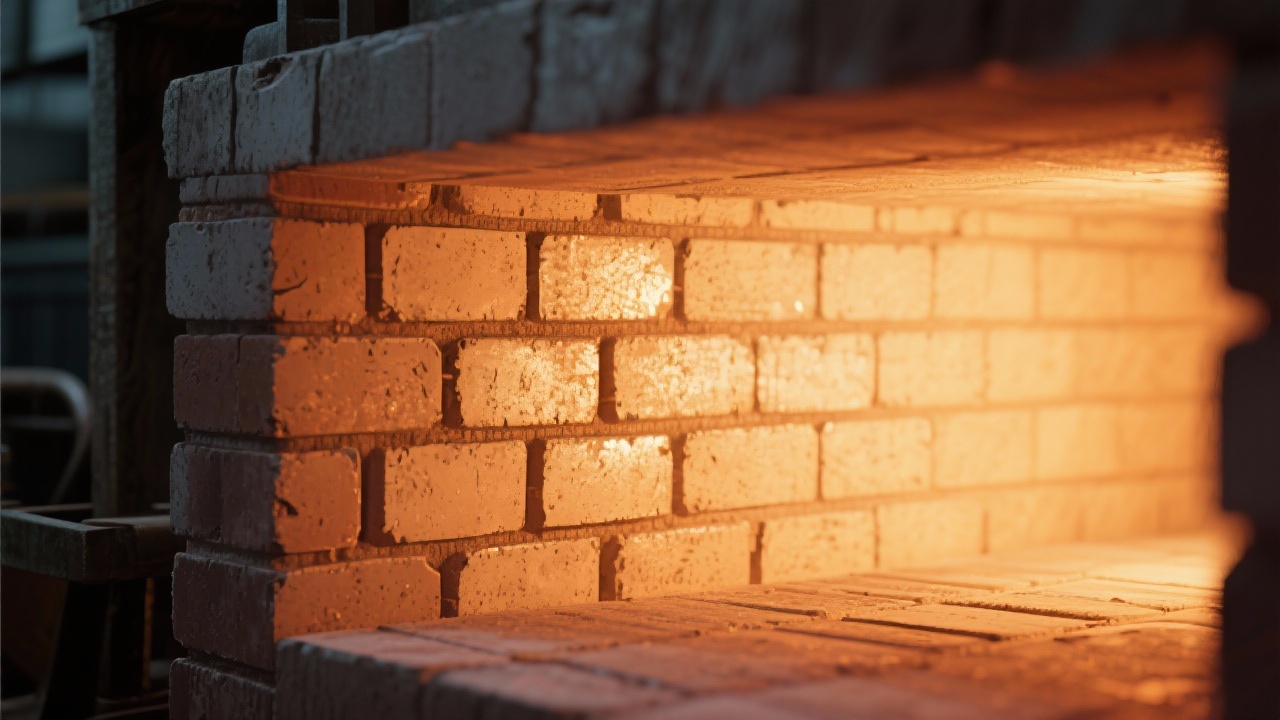
3) Raw Materials & Process Control: Why Local Magnesite Resources Can Mean European-Level Consistency
For MgO-C bricks, quality starts long before pressing and firing. The stability of magnesia chemistry, crystal size distribution, and impurity control (such as SiO2, CaO, and B2O3 traces) directly impacts corrosion resistance and thermal behavior.
Manufacturers located near reliable magnesite sources can reduce variability by controlling the upstream—selecting ore grade, stabilizing sintering conditions, and maintaining tighter screening standards. Shandong Huanai Refractory Co., Ltd. leverages regional magnesite resources and structured quality control to deliver sintered MgO-C bricks designed to meet demanding EAF operating profiles with consistent properties across batches.
4) The Anti-Oxidation System: The Hidden Mechanism Behind Thermal Shock & Corrosion Improvements
Carbon is a performance booster—but it is also vulnerable to oxidation at high temperature, especially under oxygen lancing and high FeO slag conditions. That is why serious MgO-C brick designs rely on an anti-oxidation additive system.
Common systems (grade-dependent) include aluminum, silicon, and other composite additives. They can form protective phases and reduce the rate of carbon loss—helping maintain the brick’s microstructure integrity, crack resistance, and slag barrier effect over time. In operational terms, this often shows up as slower wear acceleration in the late campaign, where many linings typically fail faster if oxidation is not controlled.
A simple field indicator (often overlooked)
When comparing suppliers, ask whether their technical team can recommend different MgO-C grades by zone (slag line vs. barrel vs. hot spots). A supplier that only offers “one grade fits all” may not be optimizing for your furnace’s real wear map.
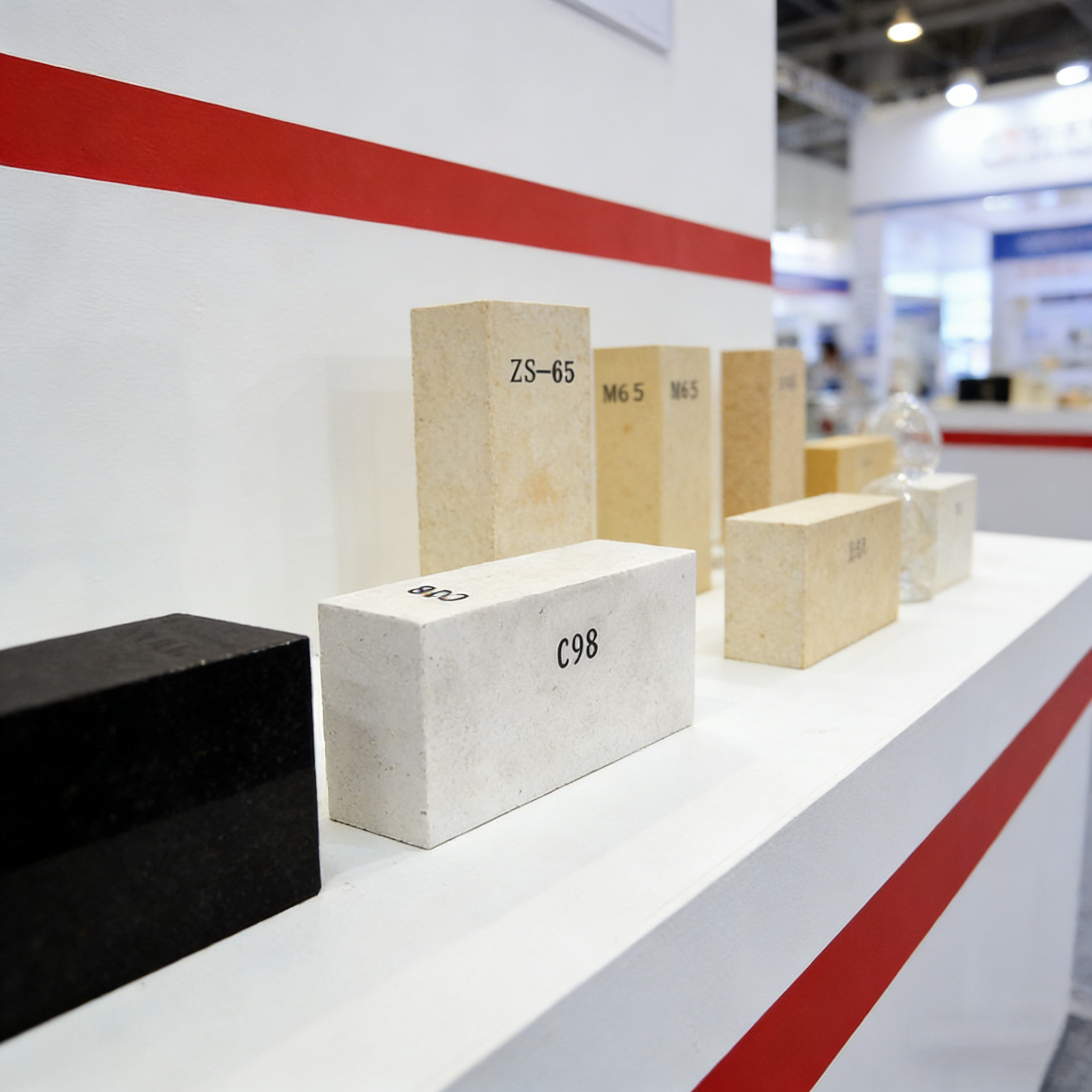
5) From the Customer’s Perspective: Performance Is Only Half the Story
In steelmaking, a refractory shortage is not a shipping problem—it becomes a production problem. That’s why service metrics deserve to sit next to technical data in the buying decision.
With an internal delivery and coordination system designed for industrial schedules, Shandong Huanai Refractory Co., Ltd. reports a 98% on-time delivery rate across standard refractory shipments—supporting customers who plan campaigns tightly and aim to avoid last-minute substitutions. Feedback from EAF users commonly highlights two practical outcomes: fewer interruptions caused by lining material mismatch, and a more predictable maintenance rhythm that helps stabilize total operating cost.
6) Ready to Specify the Right Sintered MgO-C Brick for Your EAF?
If your goal is longer lining life under alkaline slag, fewer thermal shock failures, and more controllable furnace behavior, the next step is not guessing—it’s matching grade design to your operating data (slag chemistry, tapping frequency, oxygen practice, and wear zones).
Get the Full Technical Datasheet & Grade Recommendation
Request sintered magnesia-carbon (MgO-C) brick parameters, zone-by-zone suggestions, and delivery lead time options—tailored to your EAF practice.