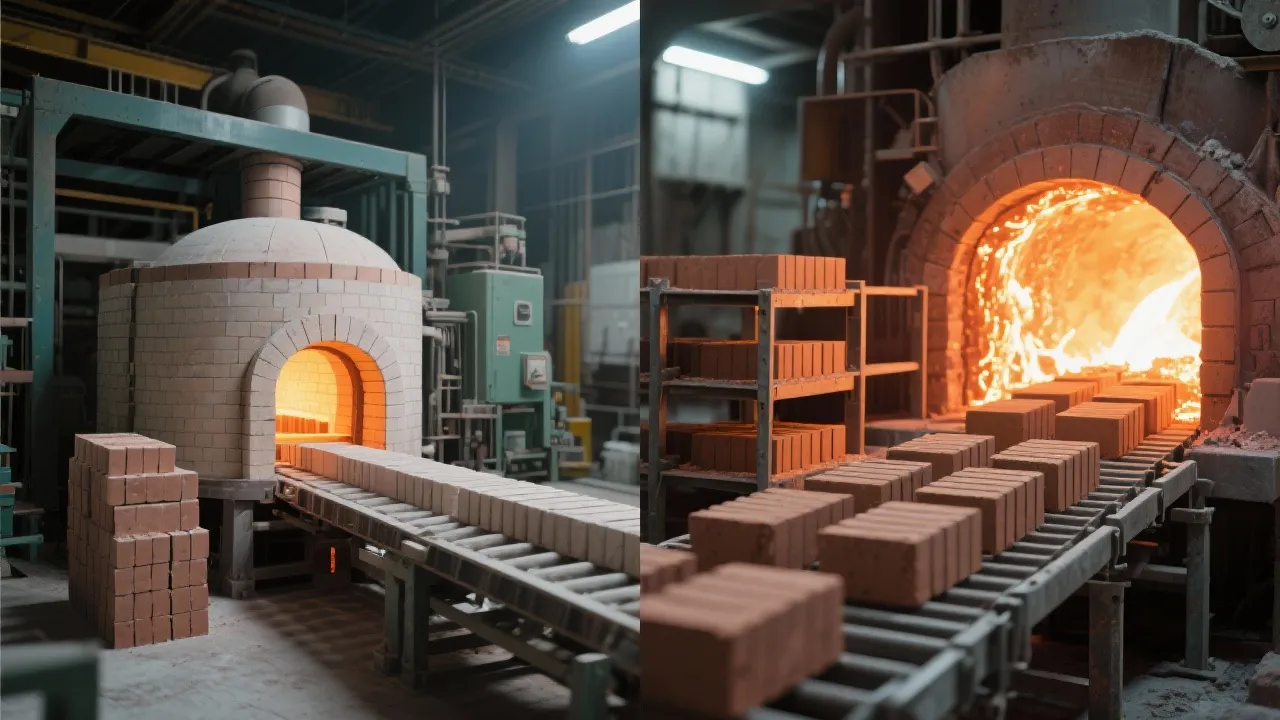
In the high - temperature industrial sector, the choice of refractory materials is crucial for the safety and efficiency of industrial furnaces. High - alumina refractory clay bricks for glass furnaces stand out as a top - notch solution. This in - depth guide will take you through every aspect of these bricks, from material composition to installation processes.
The high - alumina refractory clay bricks are made up of specific raw materials. The main component is high - alumina clay, which usually contains over 48% alumina (Al₂O₃). This high alumina content endows the bricks with excellent refractoriness. For instance, in some high - end products, the alumina content can reach up to 70%, which significantly enhances the bricks' ability to withstand high temperatures.
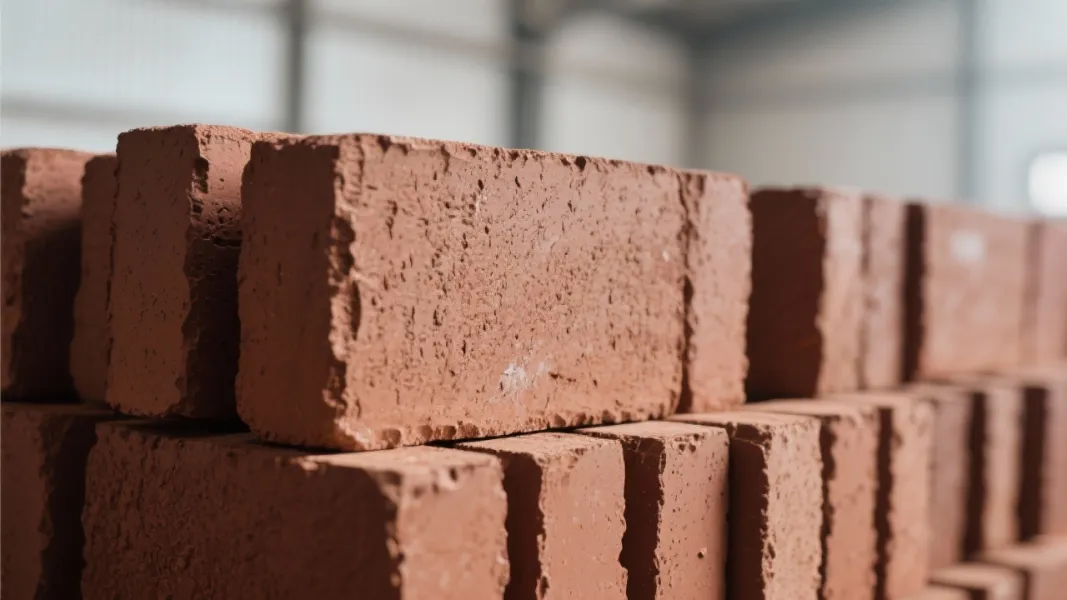
One of the key manufacturing processes is the formation of a spherical pore structure. This unique structure is created through a special sintering process. The spherical pores not only reduce the weight of the bricks but also contribute to their low thermal conductivity. Tests have shown that these bricks can have a thermal conductivity as low as 0.8 W/(m·K) at 1000°C, which is much lower compared to traditional refractory bricks.
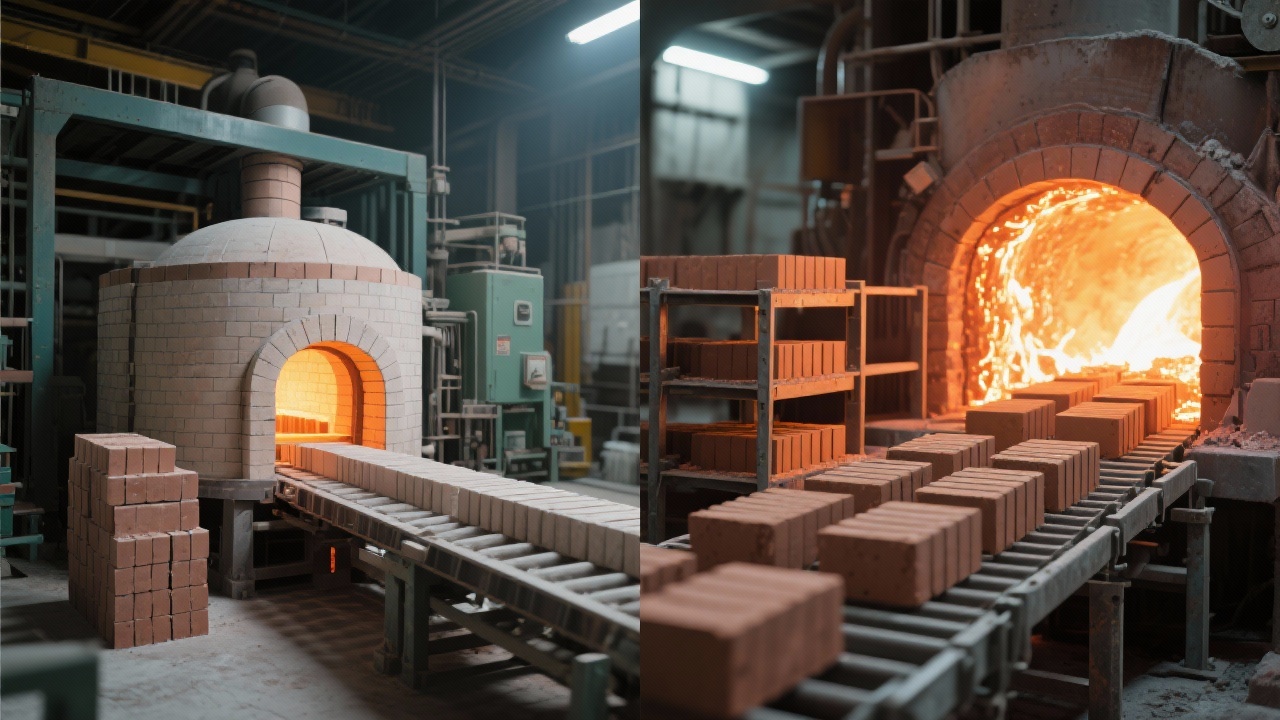
Another important process is mechanical cutting. This process ensures high density and dimensional accuracy. With advanced cutting technology, the dimensional tolerance of the bricks can be controlled within ±0.5mm. This high precision is essential for a stable installation in glass furnaces and other high - temperature industrial furnaces.
The low thermal conductivity of high - alumina refractory clay bricks is a significant advantage. As mentioned before, with a low thermal conductivity, less heat is transferred through the bricks. This not only saves energy but also reduces the heat loss of the furnace. In a glass furnace, for example, using these bricks can reduce energy consumption by up to 15% compared to using ordinary refractory materials.
These bricks have excellent wear and corrosion resistance. In high - temperature industrial environments, such as in steel plants and waste incinerators, the furnace linings are constantly exposed to abrasive materials and corrosive substances. The high - alumina refractory clay bricks can withstand these harsh conditions. Their wear rate is less than 0.1 cm³/cm² under specific wear - testing conditions, and they can resist the corrosion of most acidic and alkaline substances.
The ability to resist thermal shock is crucial for refractory materials. High - alumina refractory clay bricks have a high coefficient of thermal expansion (CTE) stability. They can withstand rapid temperature changes without cracking or spalling. For example, in a hot - blast stove, where the temperature can fluctuate from 1000°C to 1200°C within a short period, these bricks can maintain their structural integrity, which greatly extends the service life of the furnace lining.
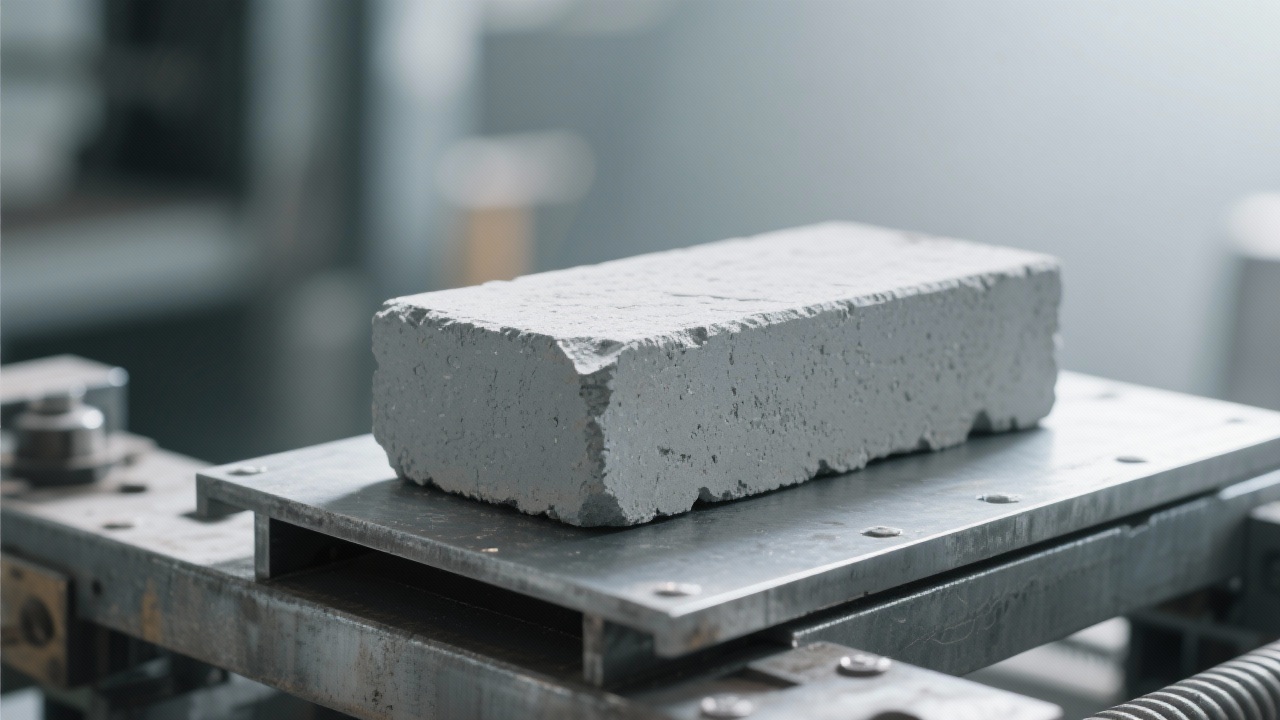
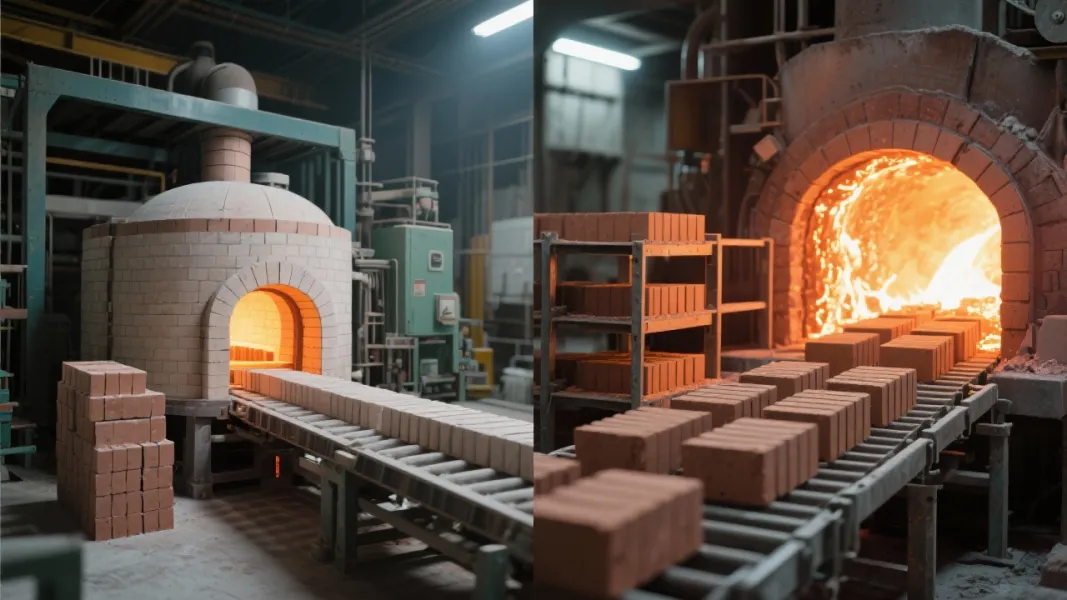
These high - alumina refractory clay bricks are widely used in various high - temperature industrial furnaces. In the steel industry, they are used in steelmaking furnaces and hot - blast stoves. In the glass industry, they are the preferred choice for glass furnaces. In waste incinerators, their corrosion resistance makes them suitable for lining the combustion chambers.
For example, in a large - scale steel plant, the use of high - alumina refractory clay bricks in the hot - blast stove has increased the service life of the furnace lining from 2 years to 5 years, which significantly reduces the maintenance cost and downtime of the furnace.
When selecting high - alumina refractory clay bricks, several factors need to be considered. First, the alumina content should meet the requirements of the specific application. For high - temperature applications, a higher alumina content is preferred. Second, the physical properties such as density, thermal conductivity, and wear resistance should be evaluated based on the actual working conditions.
During installation, the dimensional accuracy of the bricks is crucial. The bricks should be installed with proper mortar, and the joints should be as small as possible to ensure a tight seal. In addition, the installation process should follow strict safety regulations to prevent any potential hazards.
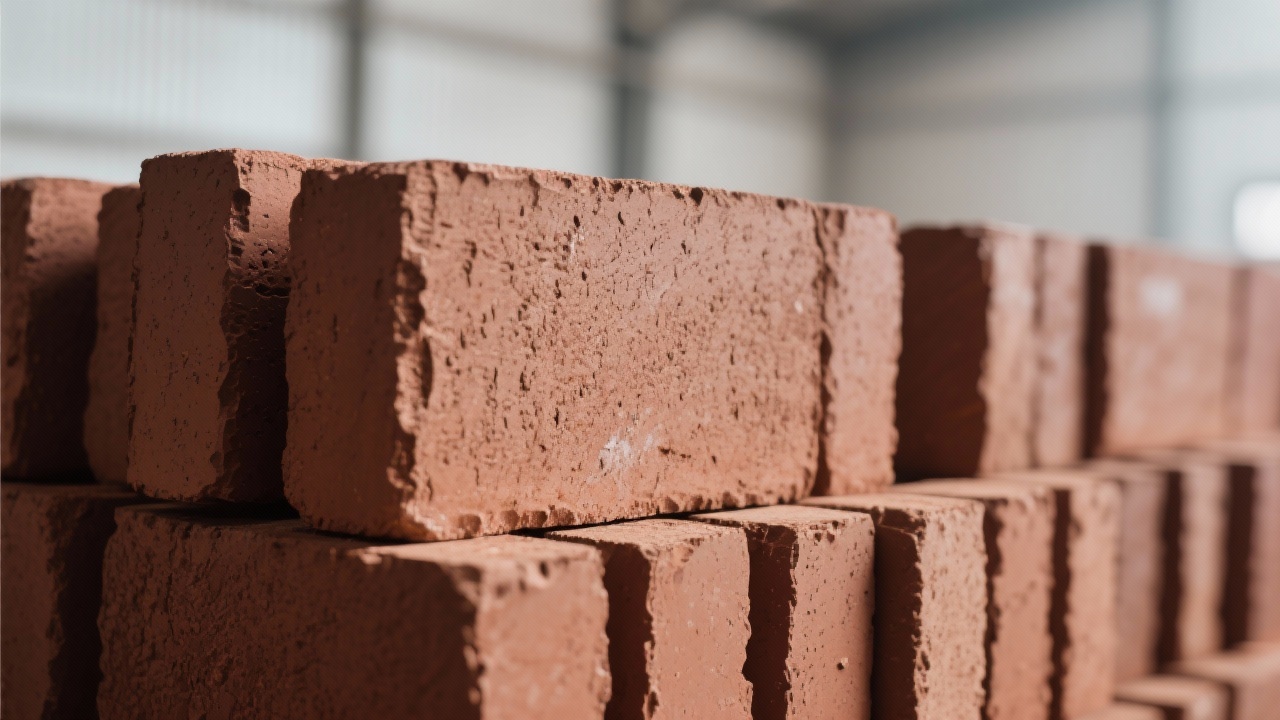
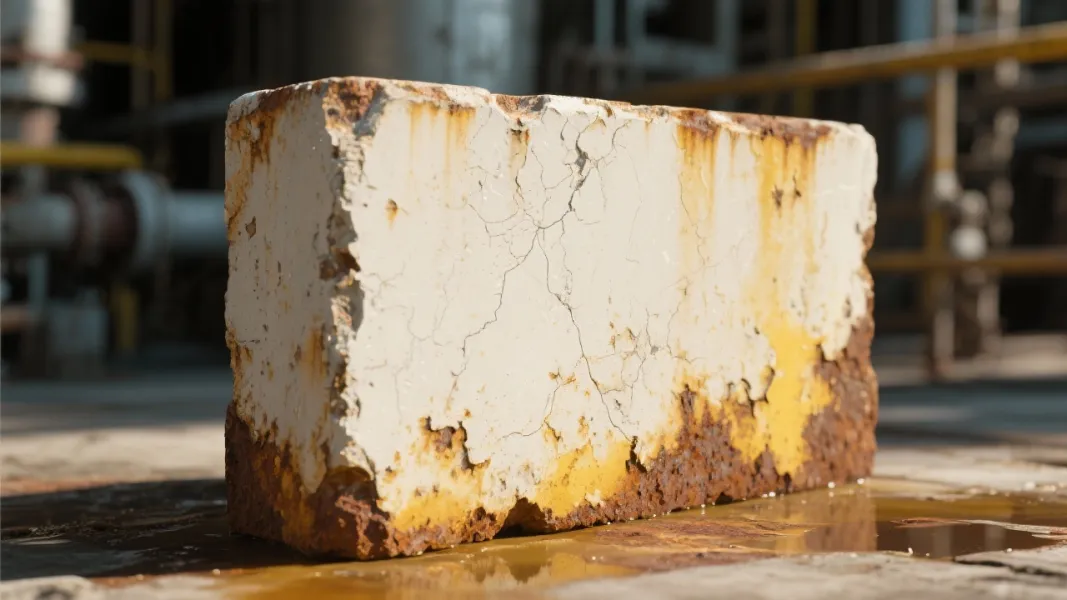
In the long - term operation of high - temperature furnaces, some typical faults may occur. For example, cracking may happen due to thermal stress. To solve this problem, regular inspections should be carried out, and any small cracks should be repaired in time. Another common problem is corrosion, which can be mitigated by using protective coatings or replacing the severely corroded bricks.
Are you looking for high - quality high - alumina refractory clay bricks for your glass furnace or other high - temperature industrial furnaces? Our company offers customized products and professional technical support. We can help you select the most suitable bricks and provide you with the best installation solutions. Click here to learn more about our products and services!
 483
|
483
|
 fused alumina brick
sintered alumina brick
glass melting furnace refractory
refractory brick selection
high-temperature refractory material
fused alumina brick
sintered alumina brick
glass melting furnace refractory
refractory brick selection
high-temperature refractory material
 356
|
corundum refractory bricks performance
alumina content >90%
high temperature refractory bricks
sintering vs fusion corundum bricks
refractory bricks for metallurgy
356
|
corundum refractory bricks performance
alumina content >90%
high temperature refractory bricks
sintering vs fusion corundum bricks
refractory bricks for metallurgy
 190
|
corundum refractory brick
high alumina refractory
fused vs sintered refractory
wear resistant refractory
ceramic industry refractory
284
|
corundum refractory bricks
refractoriness 1700°C
sintered corundum bricks
fused corundum bricks
refractory material performance
190
|
corundum refractory brick
high alumina refractory
fused vs sintered refractory
wear resistant refractory
ceramic industry refractory
284
|
corundum refractory bricks
refractoriness 1700°C
sintered corundum bricks
fused corundum bricks
refractory material performance
 372
|
High alumina refractory clay bricks
High-temperature industrial furnace refractory bricks
Refractory brick installation technology
Furnace lining refractory materials
Refractory brick performance analysis
372
|
High alumina refractory clay bricks
High-temperature industrial furnace refractory bricks
Refractory brick installation technology
Furnace lining refractory materials
Refractory brick performance analysis