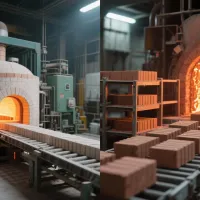
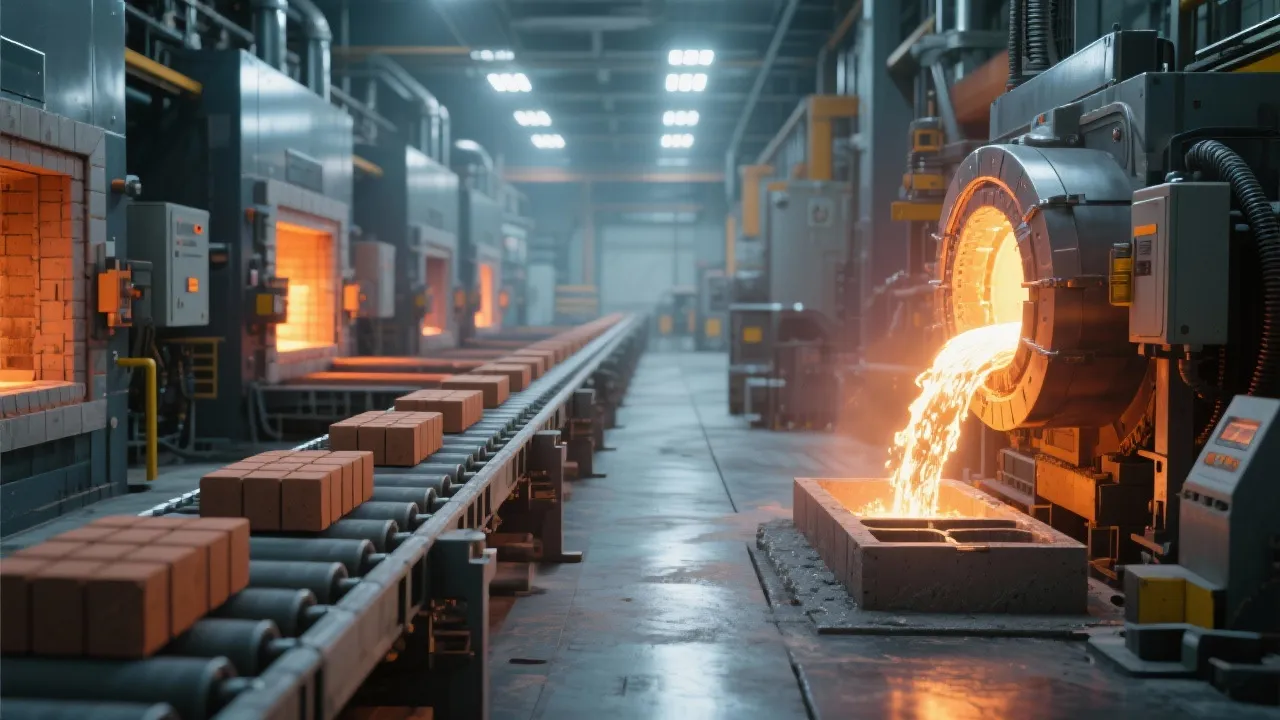
Unplanned shutdowns caused by refractory lining failure inside continuous casting machines (CCMs) directly impact steel production efficiency and operational costs. Selecting the right high alumina refractory bricks with optimized Al₂O₃ content according to steel type and pouring temperature is essential to extending service life and reducing maintenance expenses.
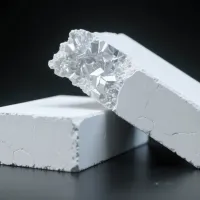
High alumina bricks, with alumina (Al₂O₃) contents ranging from 65% up to 85%, provide exceptional resistance against thermal shock, chemical attack, and mechanical wear—crucial for continuous casting operations that often exceed 1500°C. The alumina gradient selection must precisely align with the steel grade and pouring temperature to:
Beyond selecting the appropriate Al₂O₃ content, applying meticulous construction standards directly impacts refractory performance and lifespan.
Focus areas include:
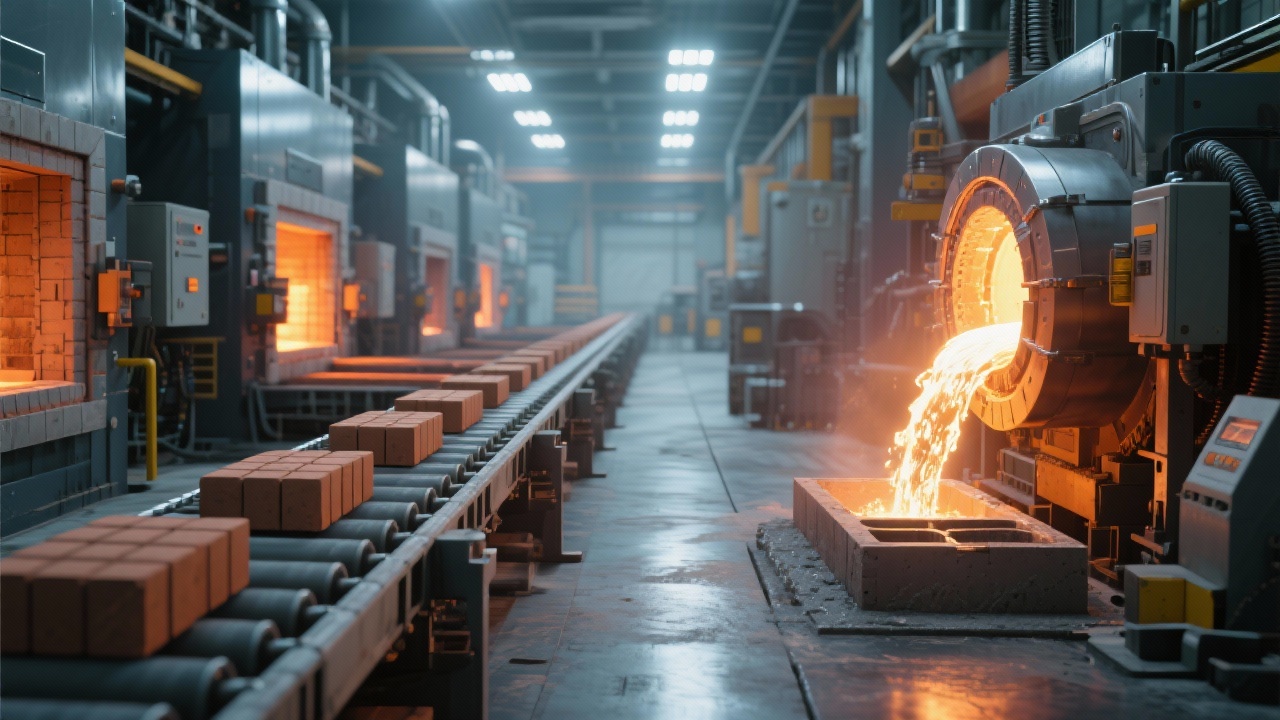
Regular inspections using standardized checklists and early-warning models play a pivotal role to anticipate and prevent refractory failures. For example, the “High Alumina Brick Construction Quality Self-Inspection Checklist” is an invaluable tool designed for frontline engineers to verify lining integrity and identify precursor signs of spalling or cracking efficiently.
Incorporating a tiered warning system linked with operational parameters improves decision-making, enabling targeted interventions before costly shutdowns occur.
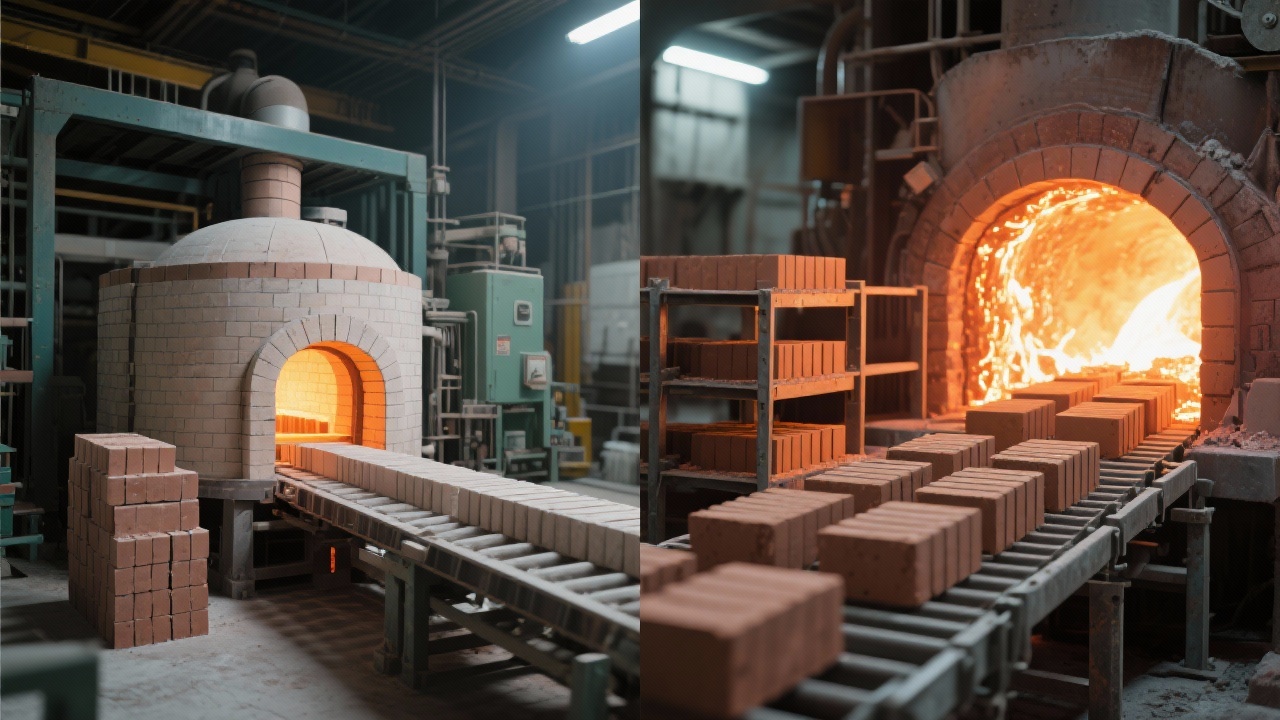
One steel mill using 华耐高温 brand’s high alumina bricks combined the proper Al₂O₃ gradient design with strict adherence to installation and baking protocols. The outcome was remarkable:
This success underscores that the right material choice paired with detailed process control can let every brick deliver maximum value.
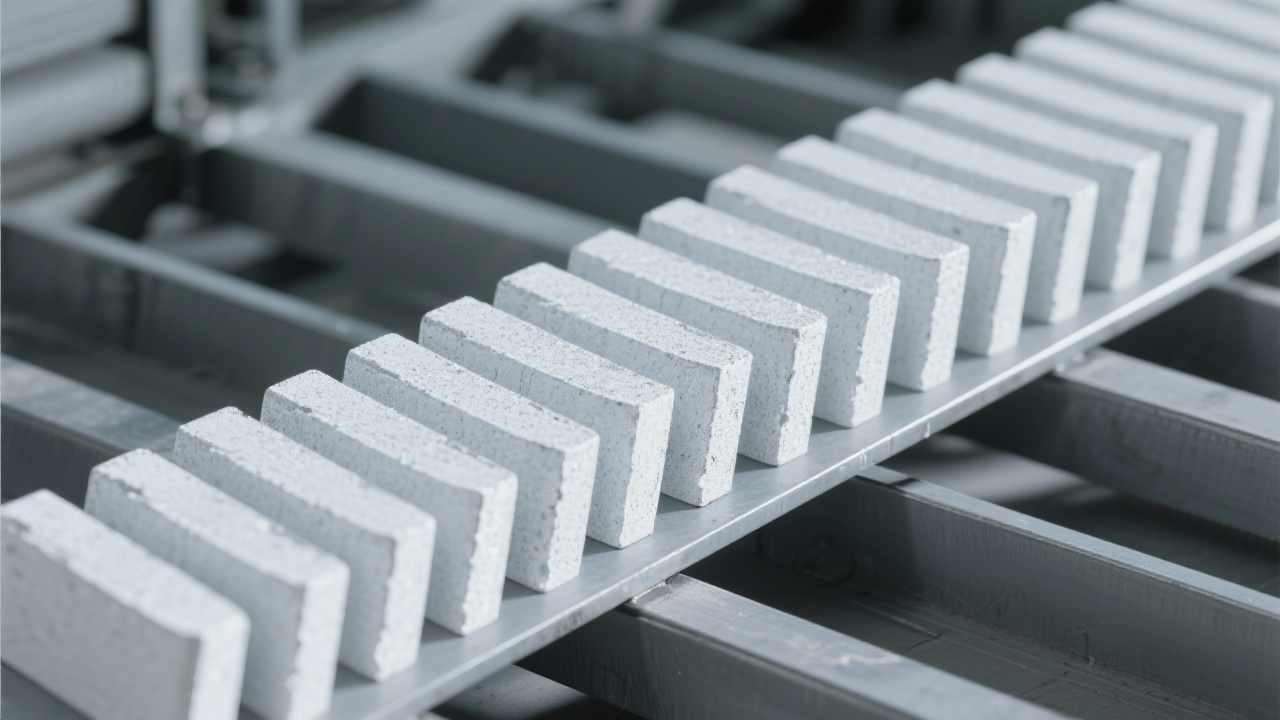
Steel plants are encouraged to embed feedback mechanisms to capture refractory performance data and on-site observations post-installation. This drives iterative optimization of Al₂O₃ content gradients, construction standards, and monitoring procedures — fostering a culture of continuous improvement and operational excellence.
 364
|
364
|
 sintered magnesia carbon bricks
high-temperature furnace refractory lining
refractory material application
furnace lining design optimization
electric arc furnace refractories
sintered magnesia carbon bricks
high-temperature furnace refractory lining
refractory material application
furnace lining design optimization
electric arc furnace refractories
 92
|
electric arc furnace refractory selection
sintered magnesia carbon brick
MgO-C brick alkaline slag resistance
EAF lining stability
magnesia carbon brick thermal conductivity
92
|
electric arc furnace refractory selection
sintered magnesia carbon brick
MgO-C brick alkaline slag resistance
EAF lining stability
magnesia carbon brick thermal conductivity
 110
|
magnesia-carbon
bricks
thermal
shock
water
cooling
cycle
test
refractory
material
selection
high
temperature
material
performance
thermal
shock
resistance
110
|
magnesia-carbon
bricks
thermal
shock
water
cooling
cycle
test
refractory
material
selection
high
temperature
material
performance
thermal
shock
resistance
 370
|
industrial furnace refractory bricks
low porosity refractory materials
refractory brick selection
high-temperature refractory bricks
refractory material performance
370
|
industrial furnace refractory bricks
low porosity refractory materials
refractory brick selection
high-temperature refractory bricks
refractory material performance
 65
|
chrome corundum refractory bricks
copper smelting refractory materials
flash smelting refractory selection
converter refining refractory performance
high-temperature corrosion resistant bricks
65
|
chrome corundum refractory bricks
copper smelting refractory materials
flash smelting refractory selection
converter refining refractory performance
high-temperature corrosion resistant bricks