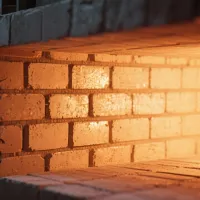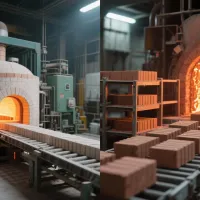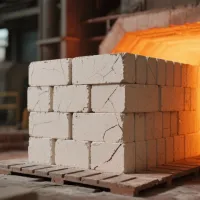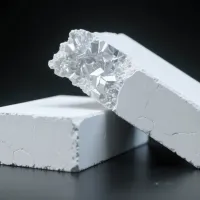
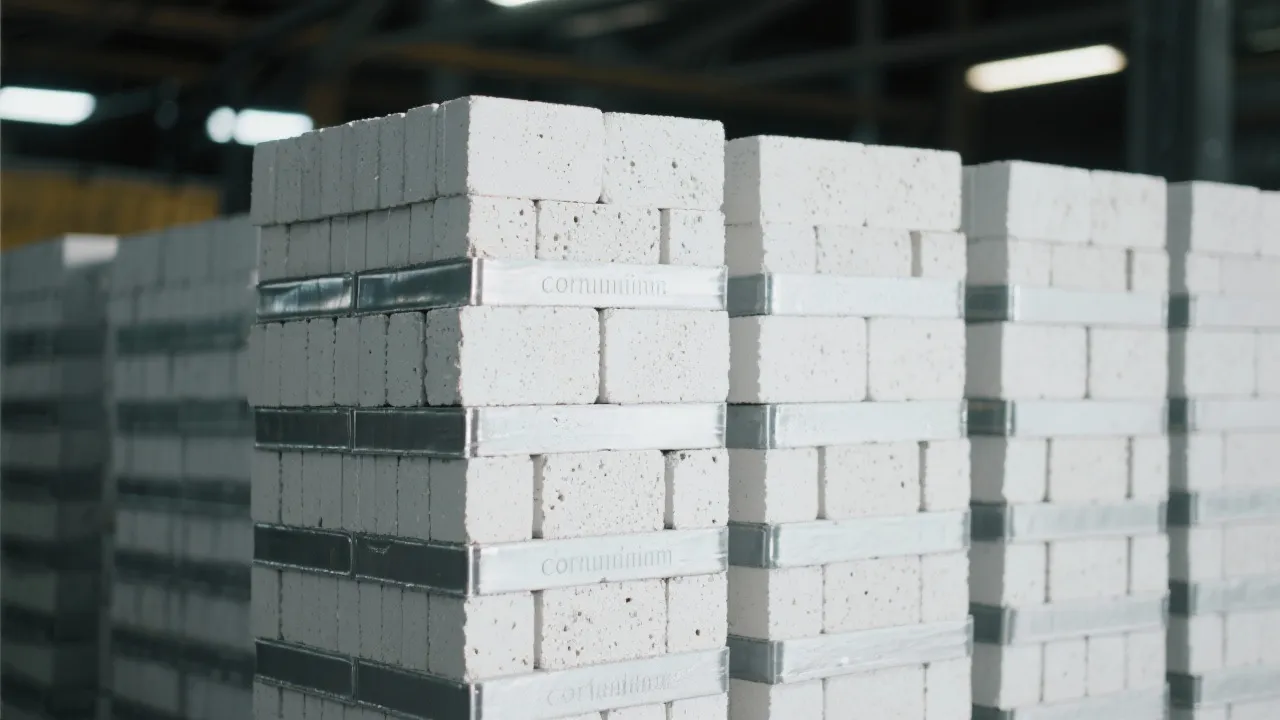
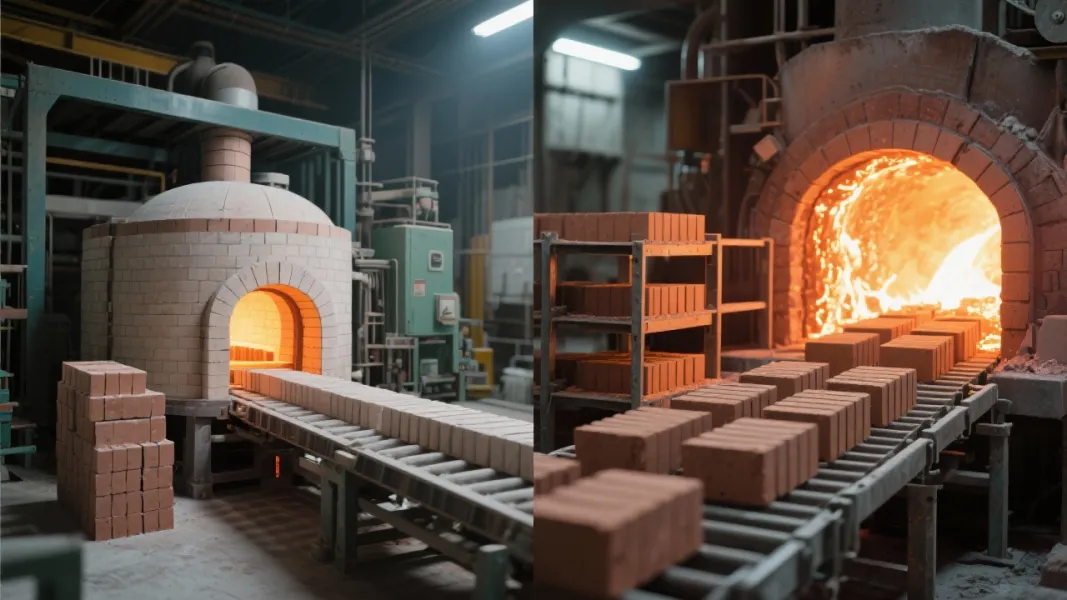
Selecting the right refractory bricks for cement rotary kilns plays a pivotal role in optimizing kiln maintenance cycles and overall production efficiency. Among various refractory materials, high alumina bricks have emerged as a superior alternative to traditional fireclay bricks, notably enhancing kiln lifespan due to their outstanding thermal and chemical properties. This guide offers an in-depth technical comparison focusing on chemical stability, hot load softening temperature, and thermal shock resistance, with practical recommendations tailored to clinker composition, combustion methods, and kiln speed variations.
High alumina bricks typically contain 48% to over 90% Al₂O₃, which equips them with enhanced chemical inertness in corrosive zones of the kiln such as the burning zone and transition zone. In contrast, traditional fireclay bricks (~35-45% Al₂O₃) are more vulnerable to infiltration by alkali and slag components, leading to premature failure.
Test data from industry-standard refractory tests show that high alumina bricks maintain structural integrity with less than 5% volume loss after 24 hours exposure to molten slag at 1500℃, whereas fireclay bricks may suffer up to 15% volume degradation under similar conditions. This significantly lowers the frequency of refractory replacement in active kiln zones.
One key indicator for kiln refractory performance is the hot load softening temperature—the temperature at which the refractory begins to deform under load. High alumina bricks usually exhibit softening points exceeding 1750℃, significantly higher than fireclay bricks (<1550℃). This difference means high alumina bricks can withstand mechanical stress and kiln lining deformation better during peak operating temperatures, reducing deformation-related damage.
Thermal shock resistance—the ability to endure quick heating and cooling cycles—is vital during kiln start-ups, shutdowns, and abnormal temperature fluctuations. High alumina bricks have finely controlled microstructures and fewer pores, leading to superior resistance against cracking and spalling. Comparative thermal shock tests indicate that high alumina bricks withstand approximately 30% more rapid thermal cycles before fracturing compared to traditional fireclay bricks.
| Parameter | High Alumina Bricks | Fireclay Bricks |
|---|---|---|
| Al₂O₃ Content | 48% - 90%+ | 35% - 45% |
| Hot Load Softening Point | ≥1750℃ | <1550℃ |
| Thermal Shock Resistance | High (30% more cycles) | Moderate |
| Chemical Stability (Slag Resistance) | Excellent (<5% volume loss) | Fair (up to 15% volume loss) |
The optimal refractory brick choice depends not only on technical properties but also on kiln-specific parameters:
Avoiding common pitfalls such as selecting fireclay bricks for critical zones or underestimating thermal shock levels can substantially reduce maintenance downtime and failure risks.
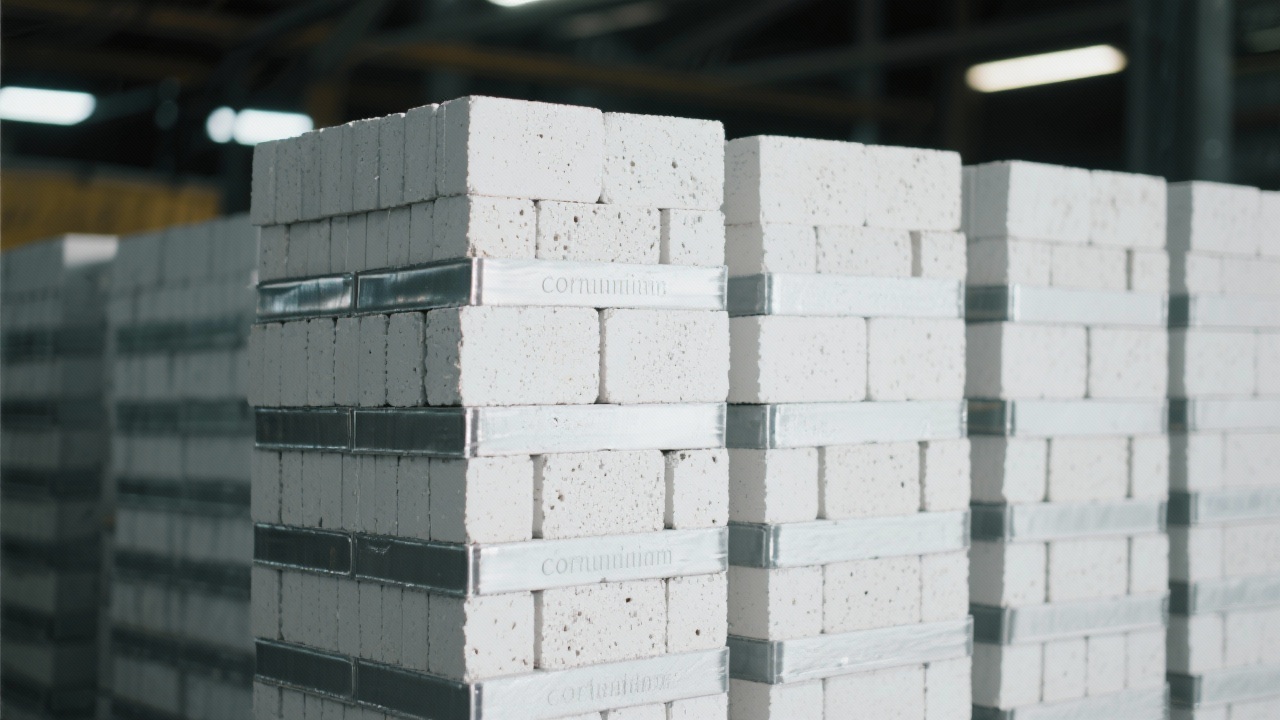
A recent case involving a mid-sized cement plant in Eastern Europe demonstrated the benefits of switching from fireclay to high alumina bricks in the burning zone. Post-retrofit monitoring over 18 months showed a 40% reduction in refractory failure incidents, with kiln lining life extended from an average of 18 months to nearly 30 months. Operational data showed that thermal shock cracks diminished, and chemical corrosion markers in bricks were significantly lower.
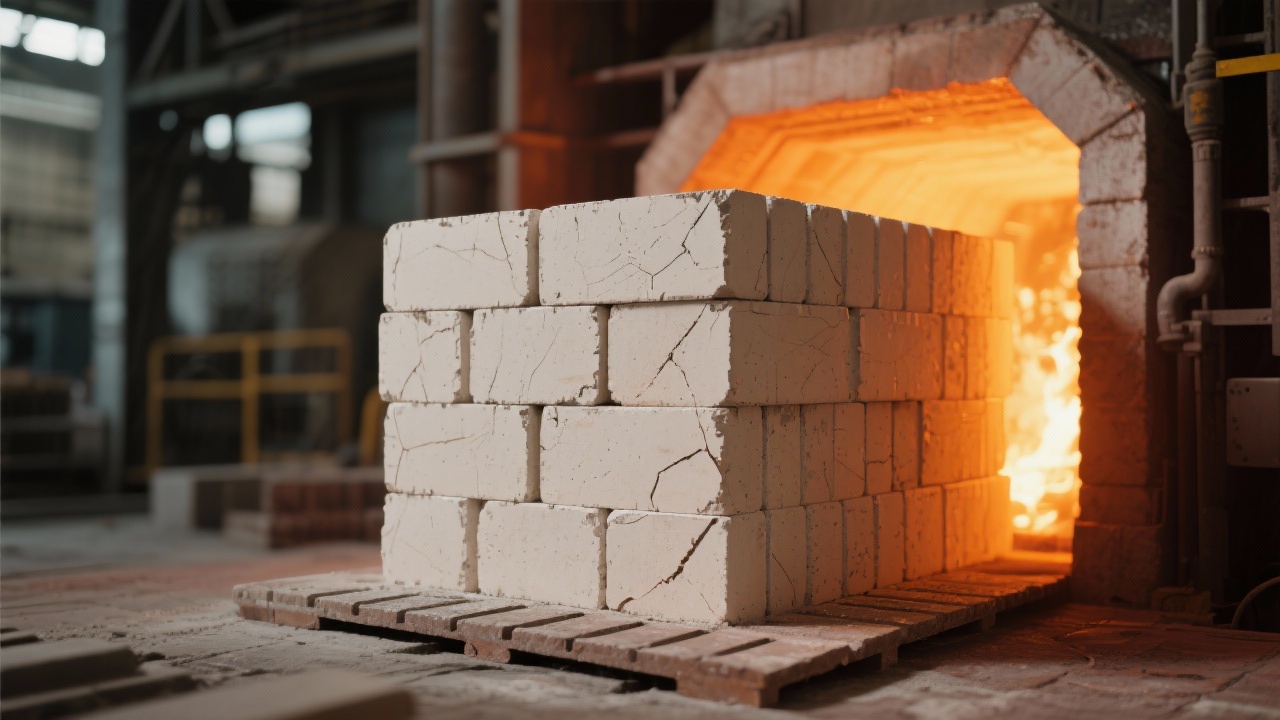
This practical example reinforces the importance of selecting refractory materials based on detailed performance metrics rather than cost alone, aligning procurement strategies with long-term operational efficiency.
Advanced users must recognize that refractory wear results primarily from alkali attack, thermal cycling, and mechanical abrasion. High alumina bricks service this challenge by combining high melting point phases and low porosity structures, helping to limit alkali infiltration and resist cracking caused by temperature gradients.
 225
|
225
|
 magnesia chrome refractory brick
converter lining refractory
high temperature refractory material
refractory brick slag resistance
silicate bonded refractory
127
|
magnesia-chrome refractory bricks
heat shock resistance technology
high-temperature refractory materials
thermal expansion coefficient
microcrack self-healing
magnesia chrome refractory brick
converter lining refractory
high temperature refractory material
refractory brick slag resistance
silicate bonded refractory
127
|
magnesia-chrome refractory bricks
heat shock resistance technology
high-temperature refractory materials
thermal expansion coefficient
microcrack self-healing
 381
|
Copper smelting furnace life extension
Chrome corundum brick corrosion resistance
High-temperature refractory stability
Furnace maintenance technology
Metallurgical refractory solutions
381
|
Copper smelting furnace life extension
Chrome corundum brick corrosion resistance
High-temperature refractory stability
Furnace maintenance technology
Metallurgical refractory solutions
 85
|
magnesia carbon bricks alkali slag resistance
high-temperature refractory material optimization
sintered magnesia carbon bricks
antioxidant technology
protective carbon layer furnace lining
85
|
magnesia carbon bricks alkali slag resistance
high-temperature refractory material optimization
sintered magnesia carbon bricks
antioxidant technology
protective carbon layer furnace lining
 275
|
high alumina fireclay brick
furnace lining technology
refractory brick applications
thermal efficiency optimization
refractory lining durability
275
|
high alumina fireclay brick
furnace lining technology
refractory brick applications
thermal efficiency optimization
refractory lining durability