

If you’re grappling with frequent downtime and costly replacements of refractory bricks in your high-temperature kilns, you’re not alone. Equipment failure and short service life due to refractory degradation can stall production, drive maintenance costs up, and erode profits. Fortunately, corundum refractory bricks, fortified with >90% aluminum oxide (Al₂O₃), offer a robust solution to your challenges by significantly extending service life and enhancing operational stability.
The key to improving kiln longevity lies in the material's intrinsic properties. Corundum bricks stand out because of:
Your kiln's performance also depends on selecting the correct manufacturing process of the corundum bricks:
Which to choose? If your process involves significant acid or alkali slag attacks—common in steelmaking and glass furnaces—fused corundum bricks often outperform sintered ones in durability and service life.
In demanding sectors like metallurgy, glass production, and ceramics, corundum bricks have demonstrably reduced downtime by up to 40% and extended refractory life by over 30%. Specifically:
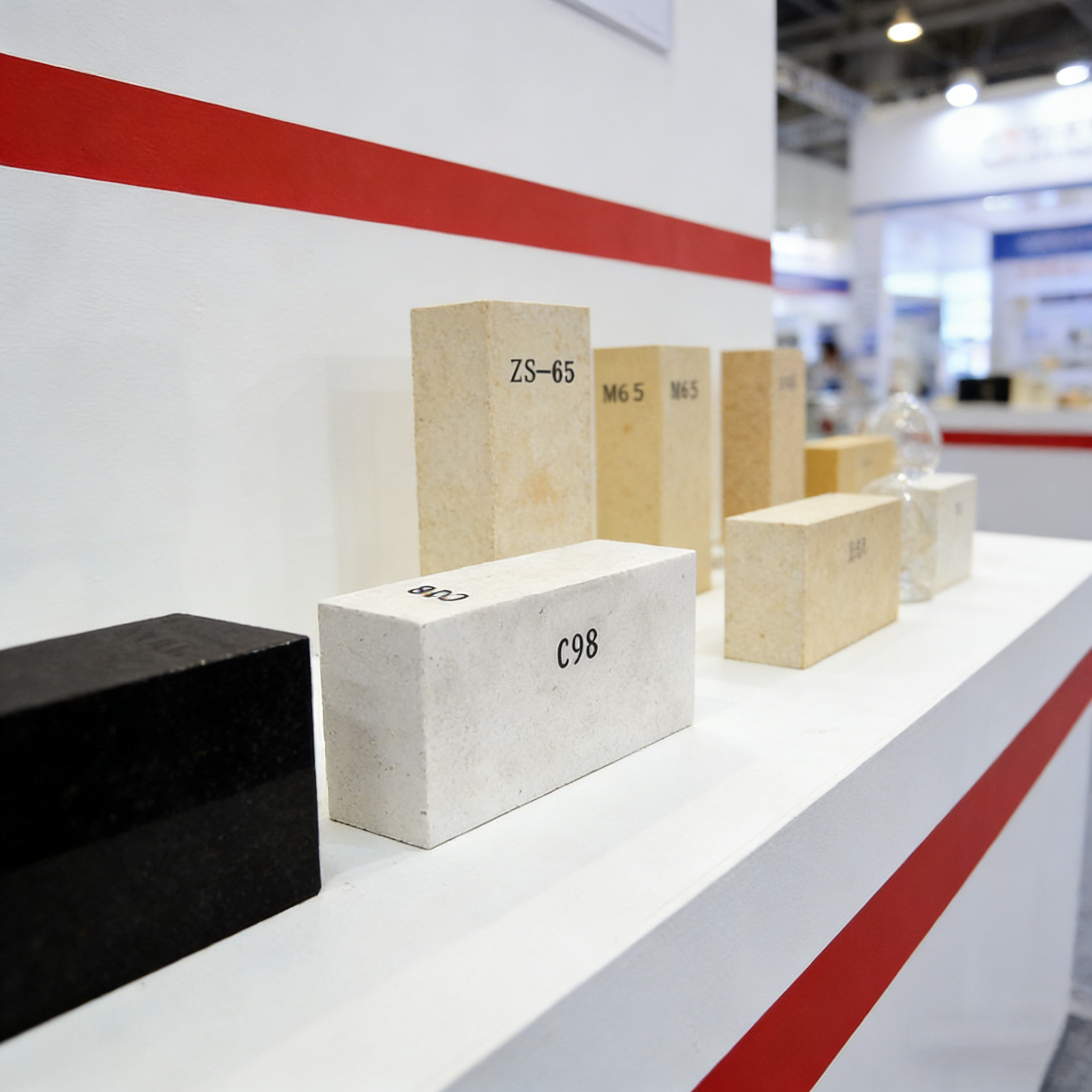
Long-term monitoring from multiple plants highlights how upgrading to high-alumina corundum bricks translates into measurable value:
| Metric | Conventional Brick | Corundum Brick | Improvement |
|---|---|---|---|
| Average Service Life | 6 months | 8 months | +33% |
| Downtime Due to Refractory Change | 10 days/year | 6 days/year | -40% |
| Maintenance Costs | $120,000/year | $75,000/year | -37.5% |
Embedding microscopic images and thermal performance charts in your technical documentation can solidify trust with procurement and engineering teams. Visual proof of density, porosity, and corrosion resistance empowers confident decisions and justifies upfront investment.
Consider including detailed comparison figures of sintered versus fused corundum bricks, wear rate curves across operational cycles, and testimonials highlighting real cost savings.
Curious how corundum bricks can fit into your furnace system? Click to get an in-depth PDF guide tailored for your industry and significantly enhance your refractory service life.

 402
|
402
|
 alumina refractory bricks
glass melting furnace lining
high temperature耐火材料
fused alumina brick
sintered alumina brick
alumina refractory bricks
glass melting furnace lining
high temperature耐火材料
fused alumina brick
sintered alumina brick
 119
|
converter lining selection
magnesia chrome brick performance
refractory brick slag resistance
high temperature converter refractories
magnesia chrome brick application
179
|
Corundum refractory bricks
Sintered corundum bricks
Fused corundum bricks
High - temperature refractory materials
Refractory brick selection
242
|
corundum refractory bricks
high temperature corrosion resistant materials
alumina refractory bricks
refractory brick manufacturing process
refractory brick applications
188
|
corundum refractory brick
high alumina refractory
fused vs sintered refractory
wear resistant refractory
ceramic industry refractory
119
|
converter lining selection
magnesia chrome brick performance
refractory brick slag resistance
high temperature converter refractories
magnesia chrome brick application
179
|
Corundum refractory bricks
Sintered corundum bricks
Fused corundum bricks
High - temperature refractory materials
Refractory brick selection
242
|
corundum refractory bricks
high temperature corrosion resistant materials
alumina refractory bricks
refractory brick manufacturing process
refractory brick applications
188
|
corundum refractory brick
high alumina refractory
fused vs sintered refractory
wear resistant refractory
ceramic industry refractory


