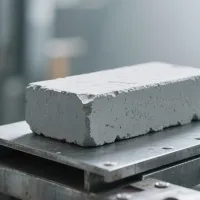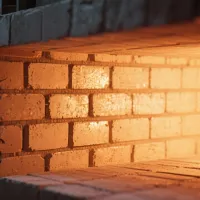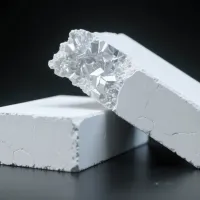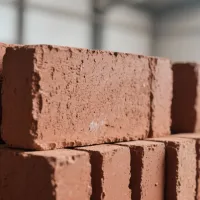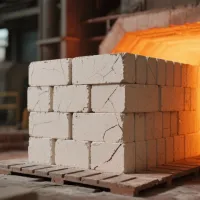
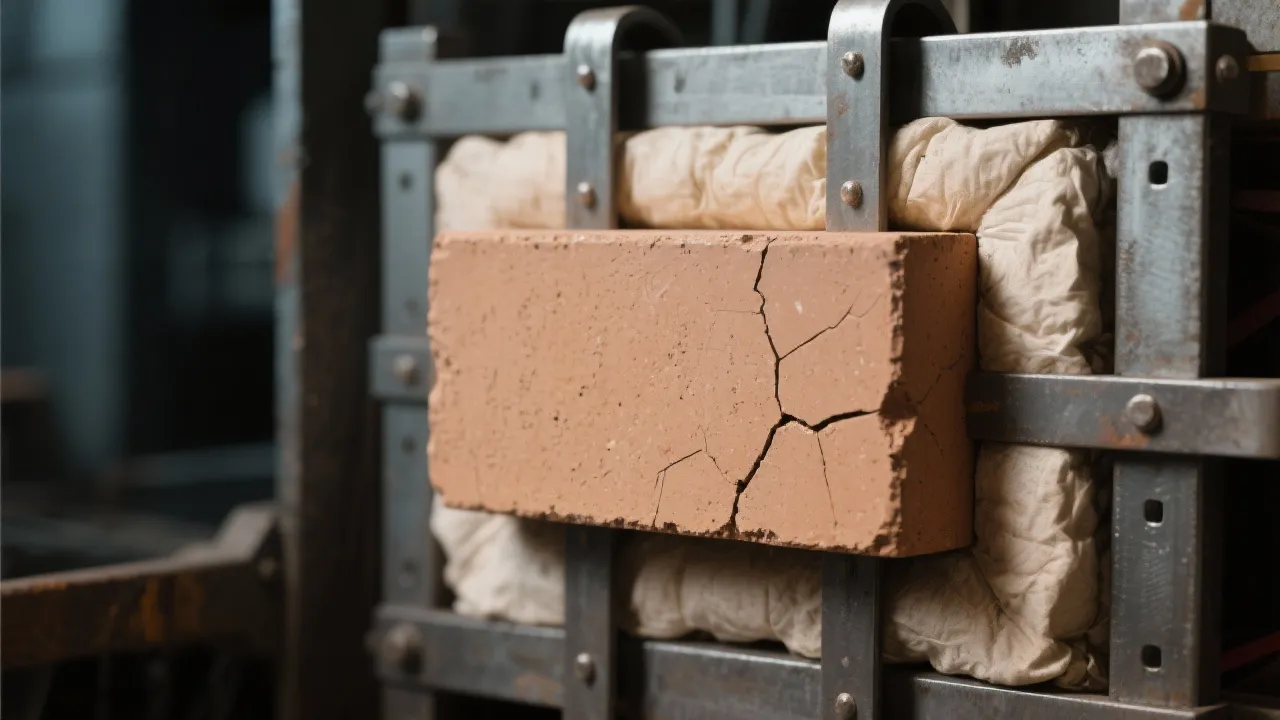
Industrial furnaces—whether in steelmaking, glass production, or hot blast systems—are under constant thermal stress. A single failure in the refractory lining can lead to downtime, safety hazards, and significant cost overruns. That’s why high-alumina firebrick has become a cornerstone material across global manufacturing sectors.
High-alumina firebrick typically contains 45–75% alumina (Al₂O₃), derived from bauxite powder, fireclay, and zircon sand. This composition enables exceptional performance:
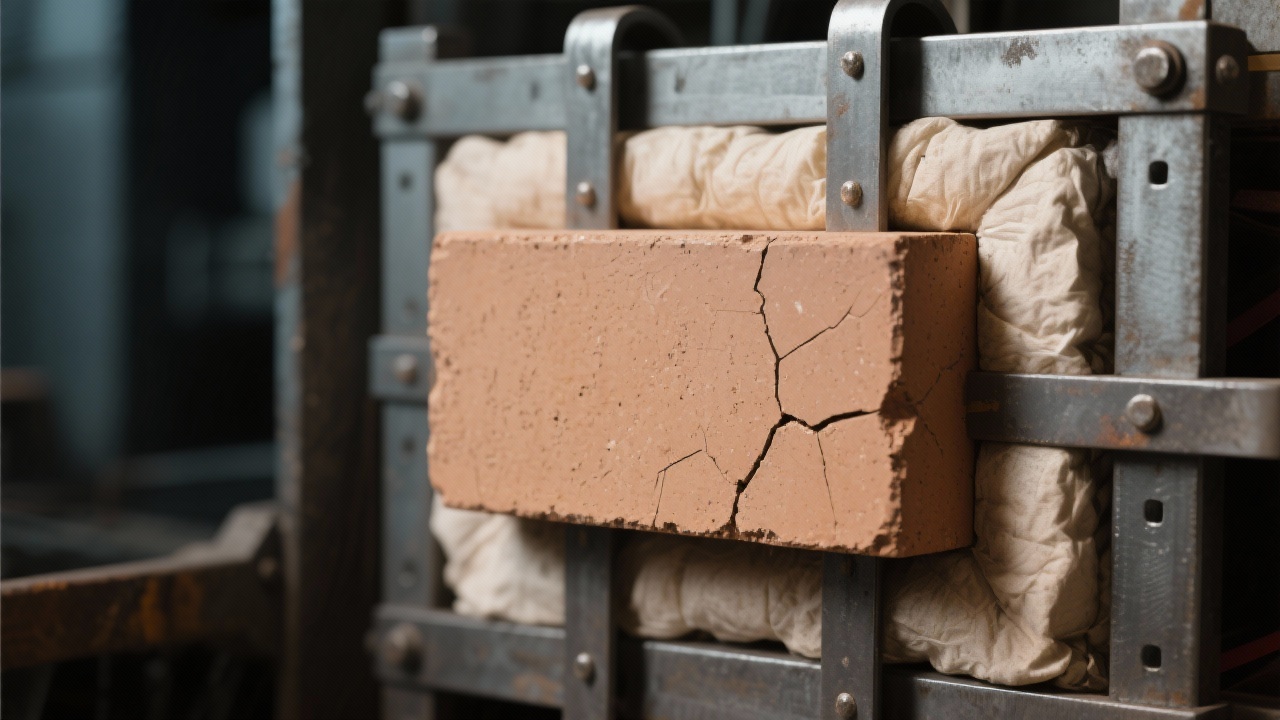
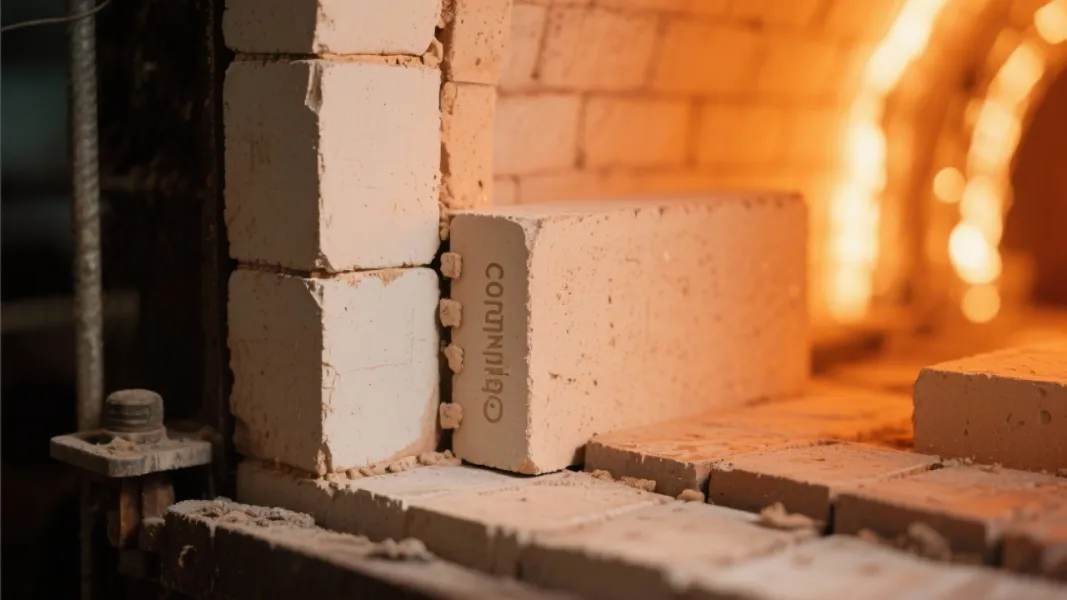
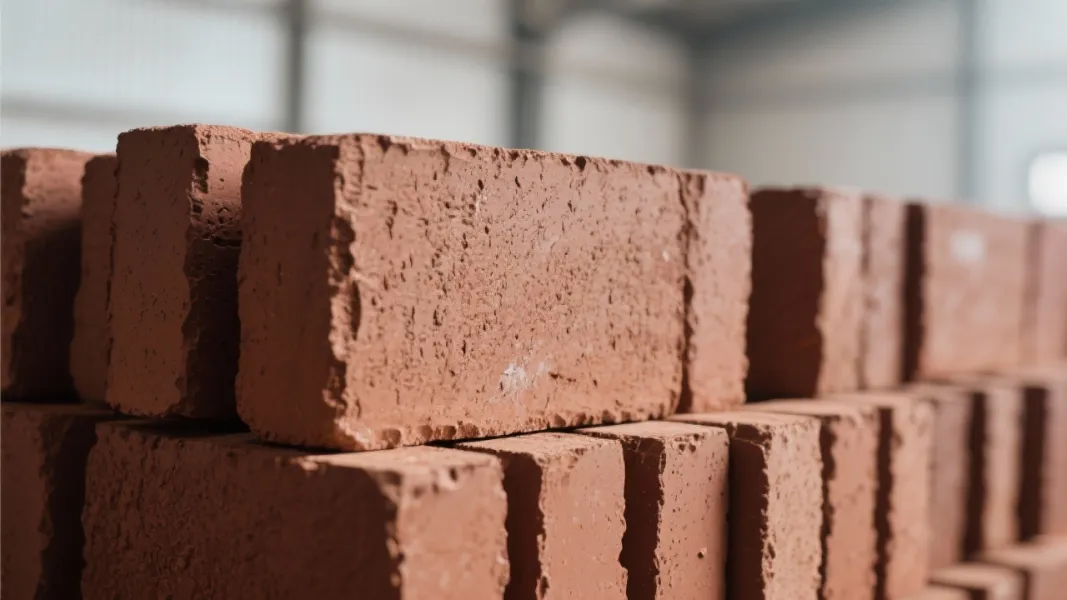
What truly sets premium high-alumina bricks apart is not just the raw materials—but how they’re processed. Our proprietary ball-shaped pore structure, achieved through controlled calcination and mechanical cutting, ensures:
“Consistent density (≥2.5 g/cm³) and dimensional accuracy within ±0.5 mm allow for seamless installation without gaps—critical for preventing hot spots.”
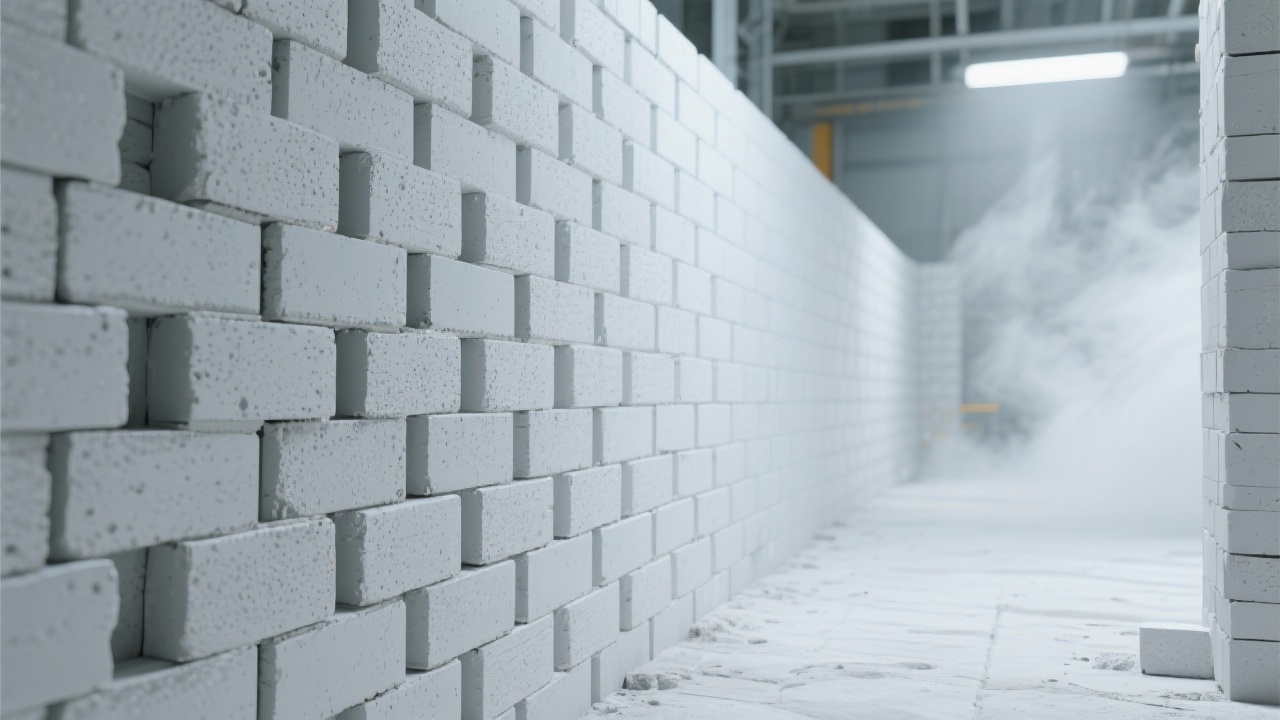
In steel plants, these bricks maintain structural integrity even at 1400°C, reducing maintenance cycles by 40%. In glass furnaces, their chemical stability minimizes contamination—a key concern for optical-grade glass producers. For hot blast stoves, the combination of wear resistance and thermal shock tolerance results in fewer replacements and safer operations.
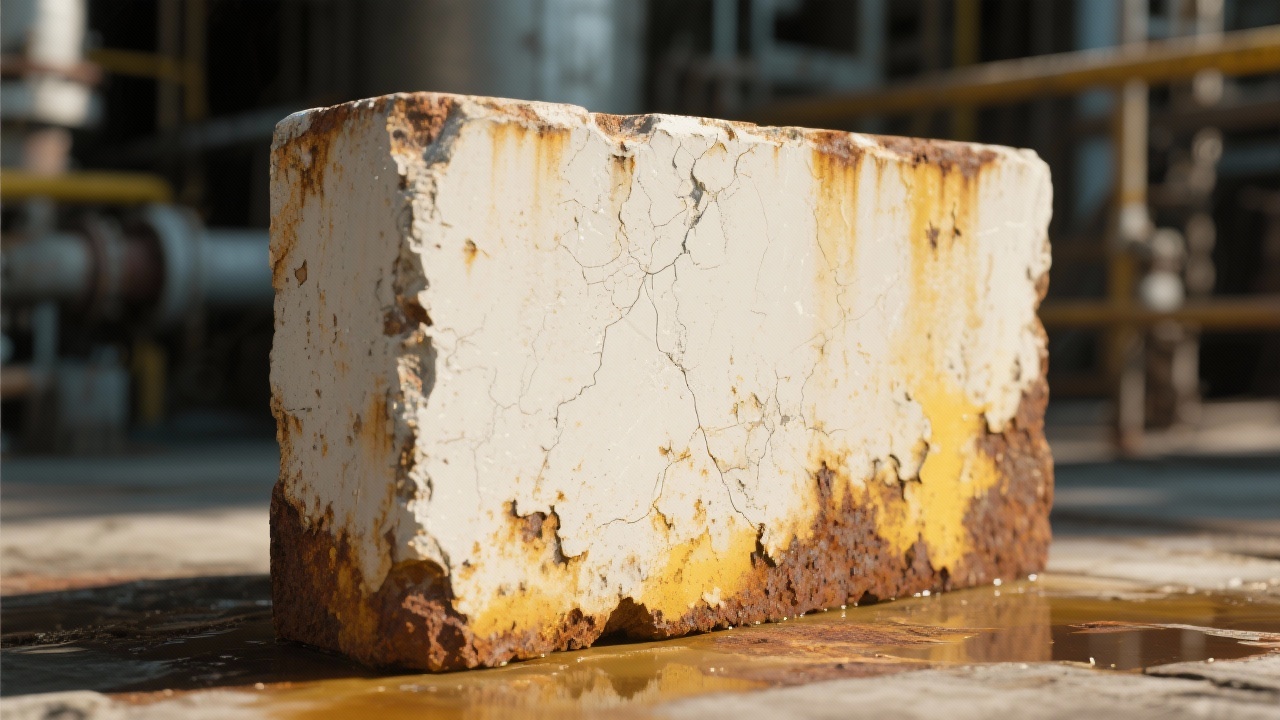
Common issues like spalling or cracking are often due to improper installation or poor brick quality—not inherent flaws in the material itself. We recommend:
Get tailored recommendations based on your specific application, operating conditions, and budget—plus expert support from our team of refractory engineers.
Request Custom Refractory Solutions Today
 180
|
180
|
 Corundum refractory bricks
Sintered corundum bricks
Fused corundum bricks
High - temperature refractory materials
Refractory brick selection
Corundum refractory bricks
Sintered corundum bricks
Fused corundum bricks
High - temperature refractory materials
Refractory brick selection
 265
|
High - alumina refractory clay bricks
Spherical pore structure
Mechanical cutting process
High - temperature industrial furnace lining
Refractory brick dimensional accuracy
265
|
High - alumina refractory clay bricks
Spherical pore structure
Mechanical cutting process
High - temperature industrial furnace lining
Refractory brick dimensional accuracy
 389
|
high alumina fireclay brick
mechanical cutting process
spherical pore structure
industrial furnace refractory
refractory brick manufacturing
389
|
high alumina fireclay brick
mechanical cutting process
spherical pore structure
industrial furnace refractory
refractory brick manufacturing
 278
|
Corundum refractory bricks
High alumina refractory materials
High temperature and corrosion resistant refractory bricks
Sintering and melting processes
Refractory brick application cases
278
|
Corundum refractory bricks
High alumina refractory materials
High temperature and corrosion resistant refractory bricks
Sintering and melting processes
Refractory brick application cases
 332
|
alumina refractory brick
high alumina refractory
refractory brick wear resistance
high temperature refractory
fused versus sintered refractory
332
|
alumina refractory brick
high alumina refractory
refractory brick wear resistance
high temperature refractory
fused versus sintered refractory