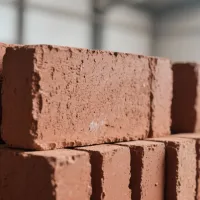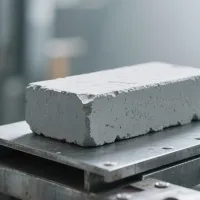
In high-temperature industrial applications such as steelmaking, glass melting, and hot blast furnace operations, the choice of refractory lining materials directly impacts thermal efficiency, safety, and operational lifespan. Among these, high-alumina fireclay bricks have emerged as a preferred solution due to their unique combination of structural integrity, thermal resistance, and chemical stability.
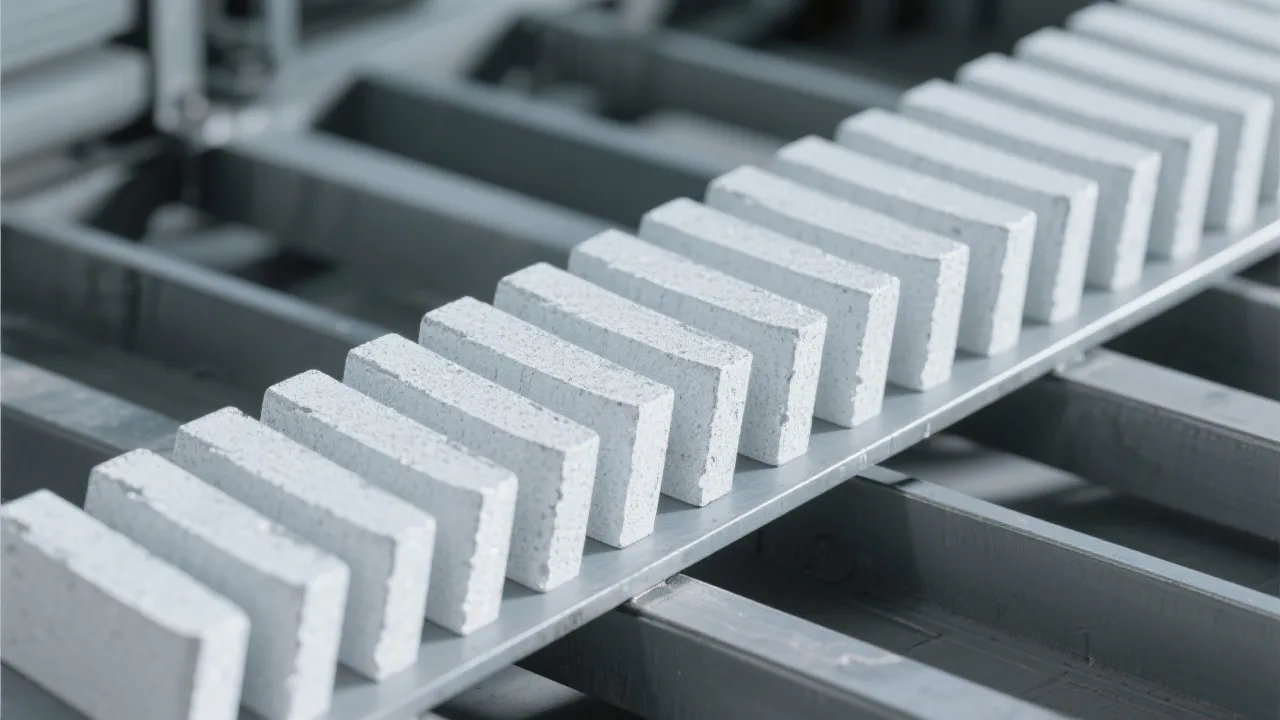
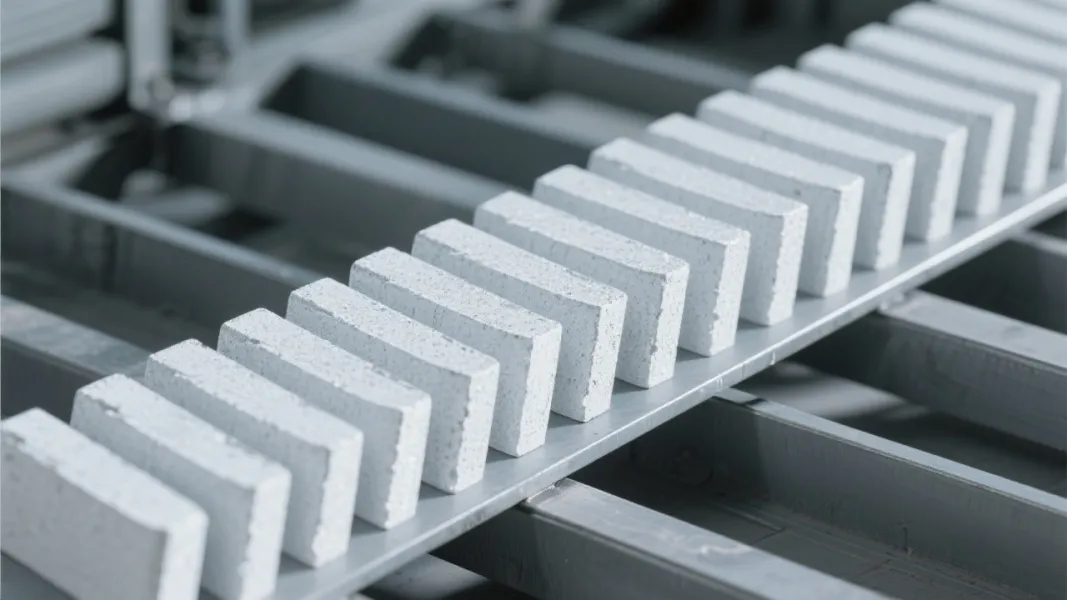
High-alumina fireclay bricks typically contain 45–75% alumina (Al₂O₃), which significantly enhances their refractoriness compared to standard clay bricks. Advanced manufacturing techniques—such as mechanical cutting and controlled sintering—allow for consistent dimensional accuracy within ±0.5 mm, ensuring tight joints and reduced heat loss at seams. The engineered spherical pore structure further improves density (up to 2.2 g/cm³) while minimizing thermal conductivity.
Key Technical Parameters:
In a case study from a Chinese steel plant, replacing traditional fireclay bricks with high-alumina versions extended furnace lining life by 35%, reduced fuel consumption by 8%, and cut maintenance downtime by over 40%. Similarly, in a glass melting furnace in Germany, the use of precision-cut bricks with low thermal expansion coefficients prevented cracking during rapid heating cycles—an issue previously causing monthly repairs.
These results align with international standards like ISO 1928 and ASTM C27, which emphasize the importance of uniformity, durability, and thermal shock resistance in refractory systems. Our engineers also recommend installing a buffer layer between brick rows to absorb stress and prevent spalling under extreme conditions.
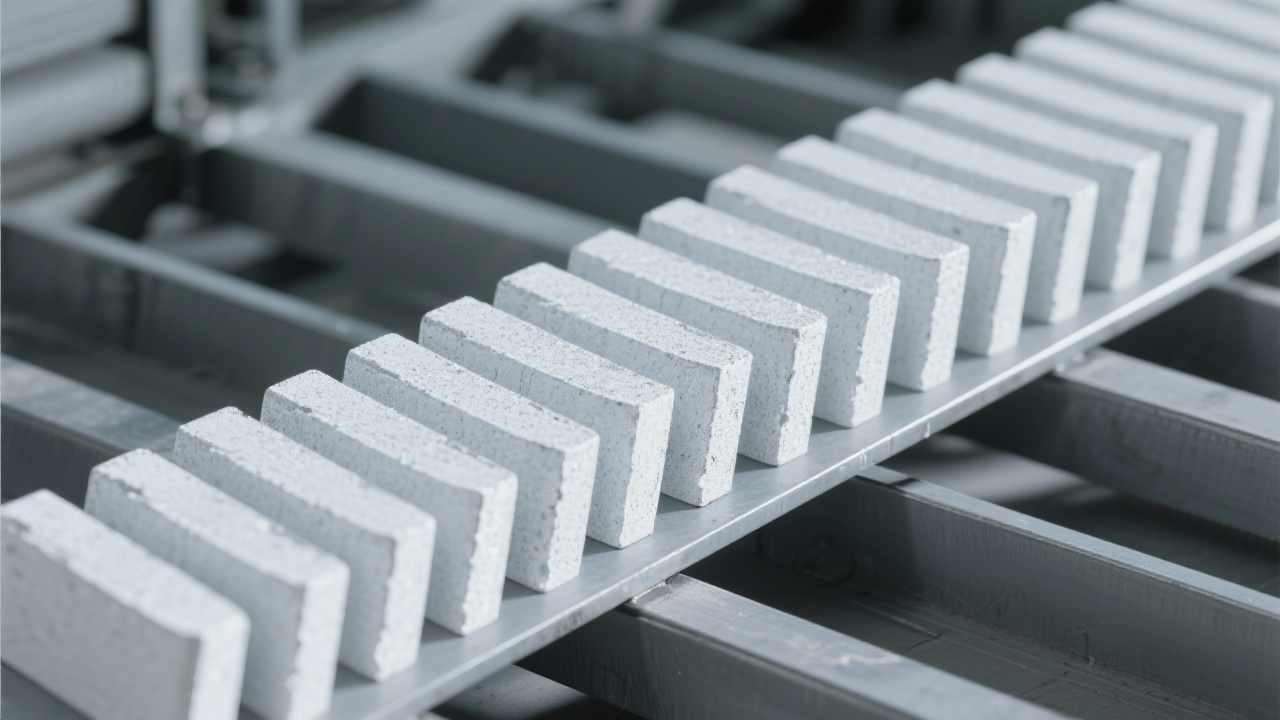
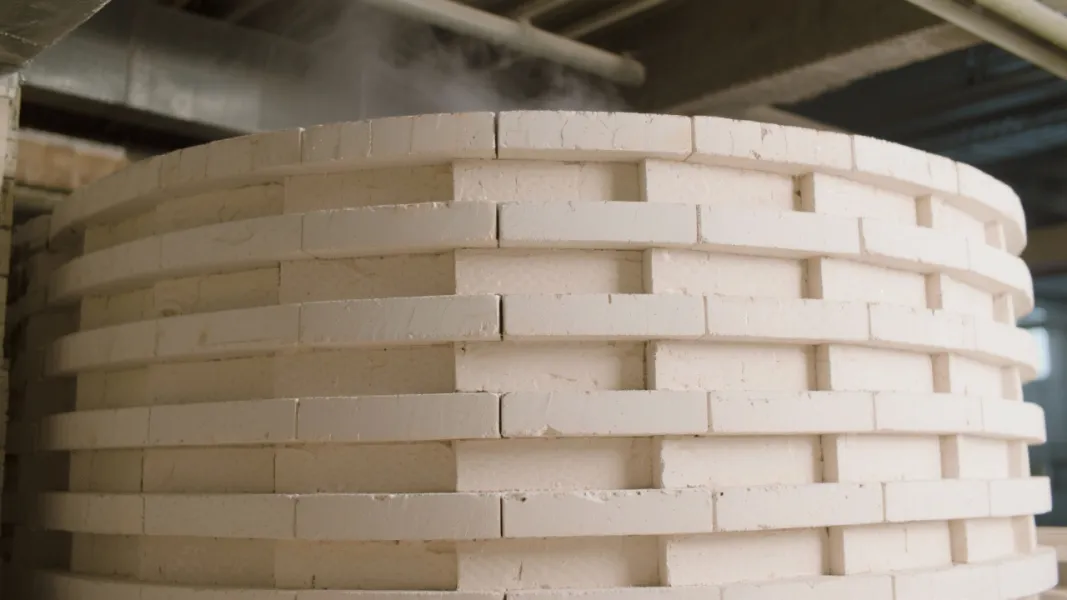
Even the best material fails without proper installation. Common issues include uneven mortar application, incorrect joint spacing, and inadequate preheating before operation. We’ve compiled a detailed checklist based on over 50 successful installations worldwide—including step-by-step guidance for sealing edges, controlling moisture content, and using compatible mortars (e.g., calcium aluminate-based).
For clients seeking tailored solutions—whether it’s custom sizing for irregular furnace geometries or enhanced corrosion resistance for chemical environments—we offer full technical support from design to commissioning. Our team has helped more than 120 global manufacturers optimize their refractory systems since 2018.
Get personalized advice, product samples, and expert consultation tailored to your specific industrial furnace requirements.
Download Our Refractory Selection Guide & Request Custom Support
 402
|
402
|
 alumina refractory bricks
glass melting furnace lining
high temperature耐火材料
fused alumina brick
sintered alumina brick
141
|
Corundum refractory bricks
High alumina content
Refractoriness of 1700°C
Wear resistance
Sintering and melting processes
alumina refractory bricks
glass melting furnace lining
high temperature耐火材料
fused alumina brick
sintered alumina brick
141
|
Corundum refractory bricks
High alumina content
Refractoriness of 1700°C
Wear resistance
Sintering and melting processes
 378
|
Corundum refractory bricks
High alumina refractory materials
Metallurgy industry refractory bricks
Glass industry refractory bricks
Refractory brick selection
378
|
Corundum refractory bricks
High alumina refractory materials
Metallurgy industry refractory bricks
Glass industry refractory bricks
Refractory brick selection
 133
|
Corundum refractory bricks
High - temperature corrosion protection
Refractory material applications
Sintered corundum bricks
Fused corundum bricks
133
|
Corundum refractory bricks
High - temperature corrosion protection
Refractory material applications
Sintered corundum bricks
Fused corundum bricks
 410
|
High - alumina refractory clay bricks
Low thermal conductivity
Thermal shock resistance
Glass furnace lining
Wear - and corrosion - resistant refractory bricks
410
|
High - alumina refractory clay bricks
Low thermal conductivity
Thermal shock resistance
Glass furnace lining
Wear - and corrosion - resistant refractory bricks