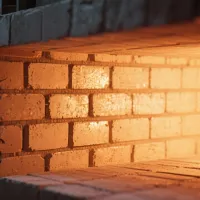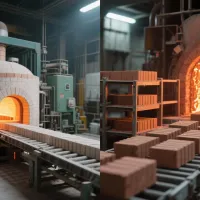
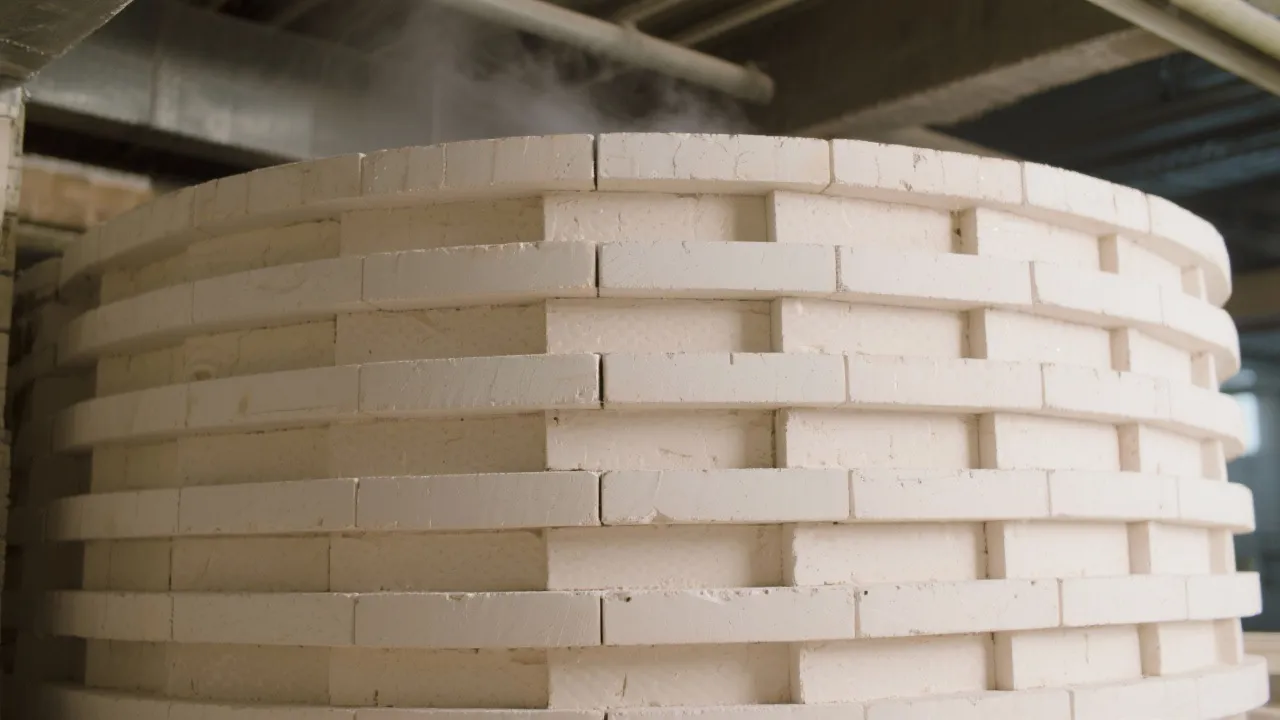
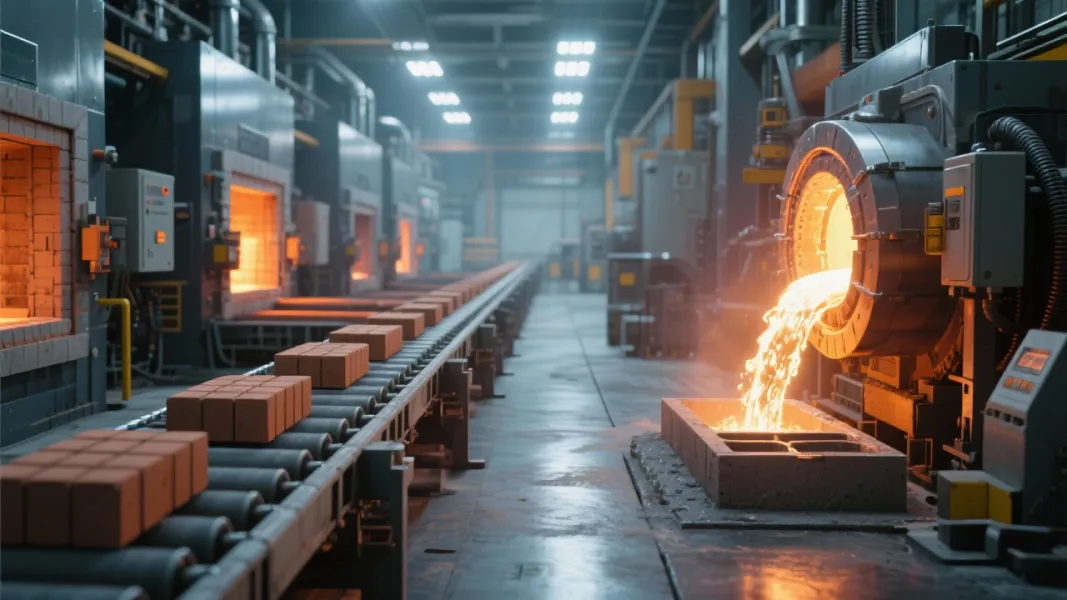
In high-temperature industrial applications—such as steelmaking, glass melting, and hot blast stoves—the choice of refractory brick isn’t just about material strength—it’s a strategic decision that impacts furnace efficiency, safety, and lifespan. Among the most trusted solutions is the high alumina fire clay brick, known for its exceptional density, dimensional accuracy, and thermal performance.
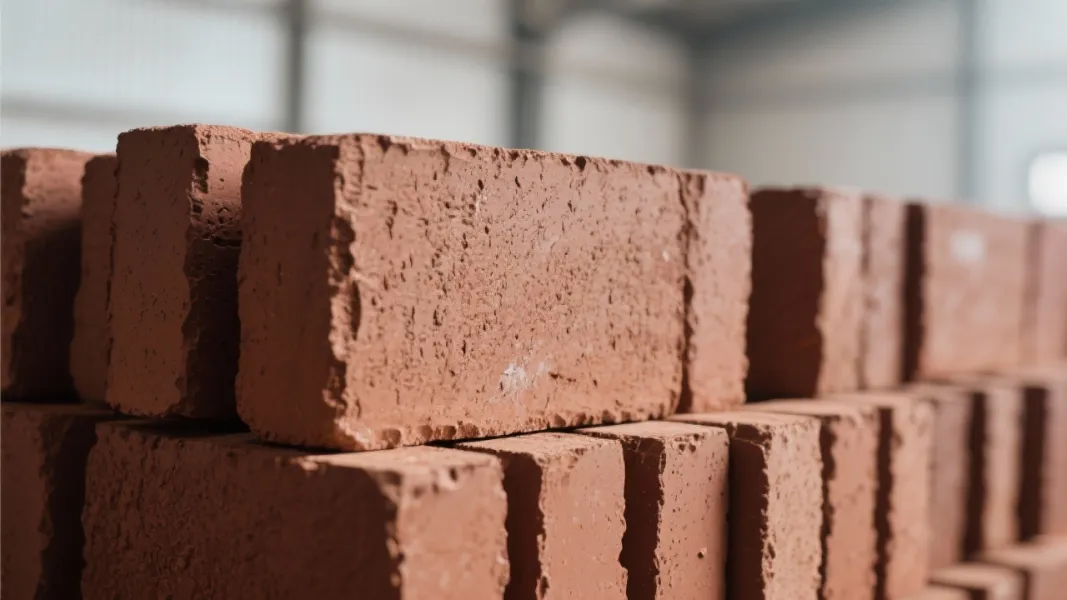
The secret behind these bricks lies in their carefully engineered composition: typically containing 45–75% alumina (Al₂O₃), with controlled levels of silica (SiO₂) and iron oxide (Fe₂O₃). This balance ensures both high refractoriness (>1700°C) and low thermal expansion—a critical factor when temperature fluctuations are frequent.
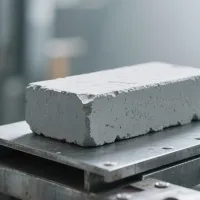
A key differentiator? The use of advanced mechanical cutting instead of traditional molding. This process achieves a tolerance of ±0.5 mm per brick—far tighter than standard methods—and results in smoother joints, reducing air leakage and heat loss by up to 12%, according to field studies from European steel plants.
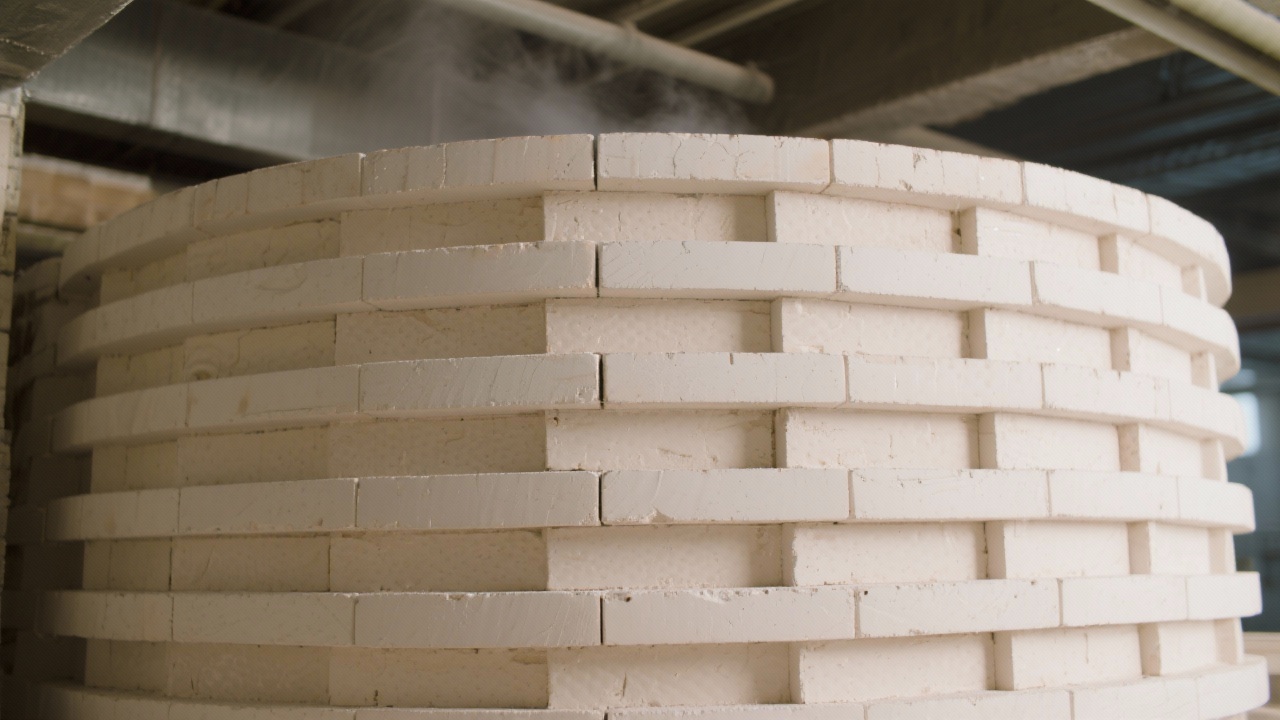
These bricks aren’t just durable—they’re smart. With a thermal conductivity of approximately 1.2 W/m·K at 1000°C, they significantly reduce energy consumption compared to lower-grade alternatives (typically 1.8–2.5 W/m·K). Combined with a Mohs hardness rating of ~6.5, they resist abrasion from molten metal or slag, extending lining life from 12 months to over 24 in many cases.
Moreover, their chemical stability makes them ideal for corrosive environments like glass furnaces where alkali vapors can degrade less-refractory materials. Field data from a Middle Eastern glass manufacturer shows a 30% reduction in maintenance downtime after switching to high alumina bricks.
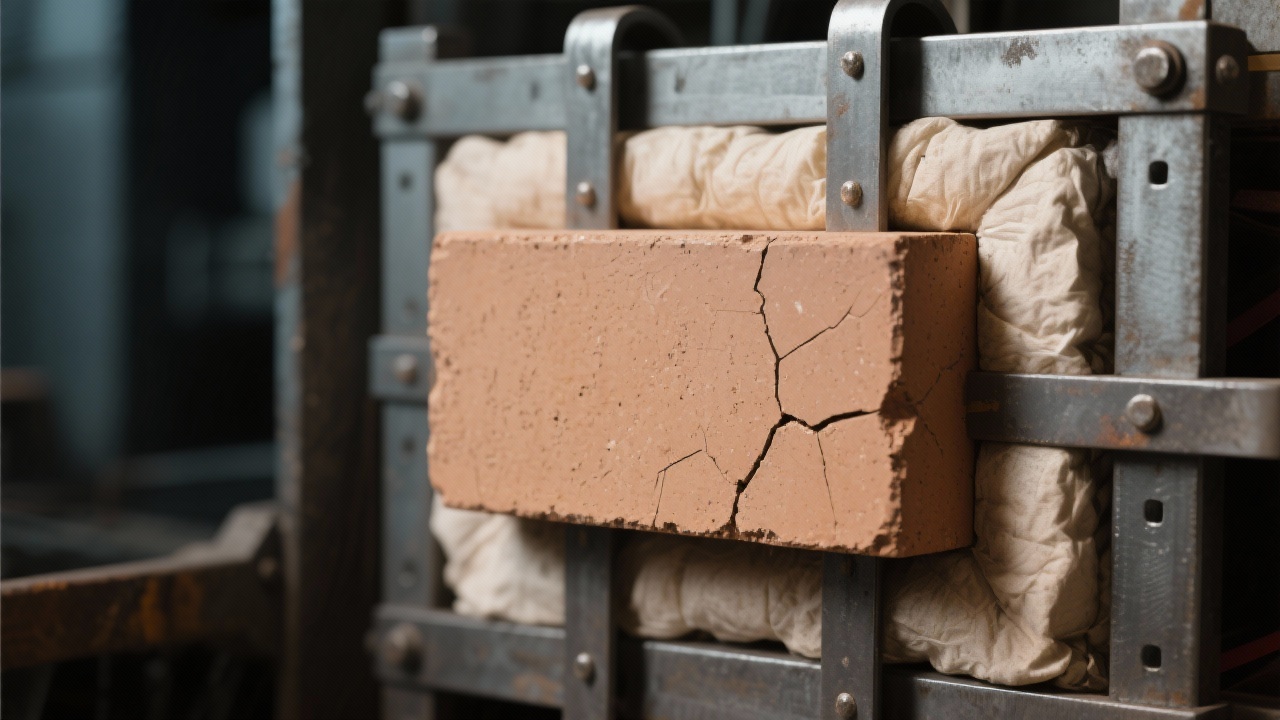
Steel mills prioritize bricks with high load-bearing capacity (>10 MPa at 1500°C); glass manufacturers need superior resistance to alkali attack; while hot blast stoves demand rapid thermal cycling capability without cracking. Our engineers work directly with clients to tailor compositions based on actual operating conditions—not just generic specs.
In one case study, we helped a U.S.-based foundry resolve recurring spalling issues in their preheater zone by adjusting the alumina content from 60% to 70% and optimizing firing temperature—resulting in zero failures over 18 months.
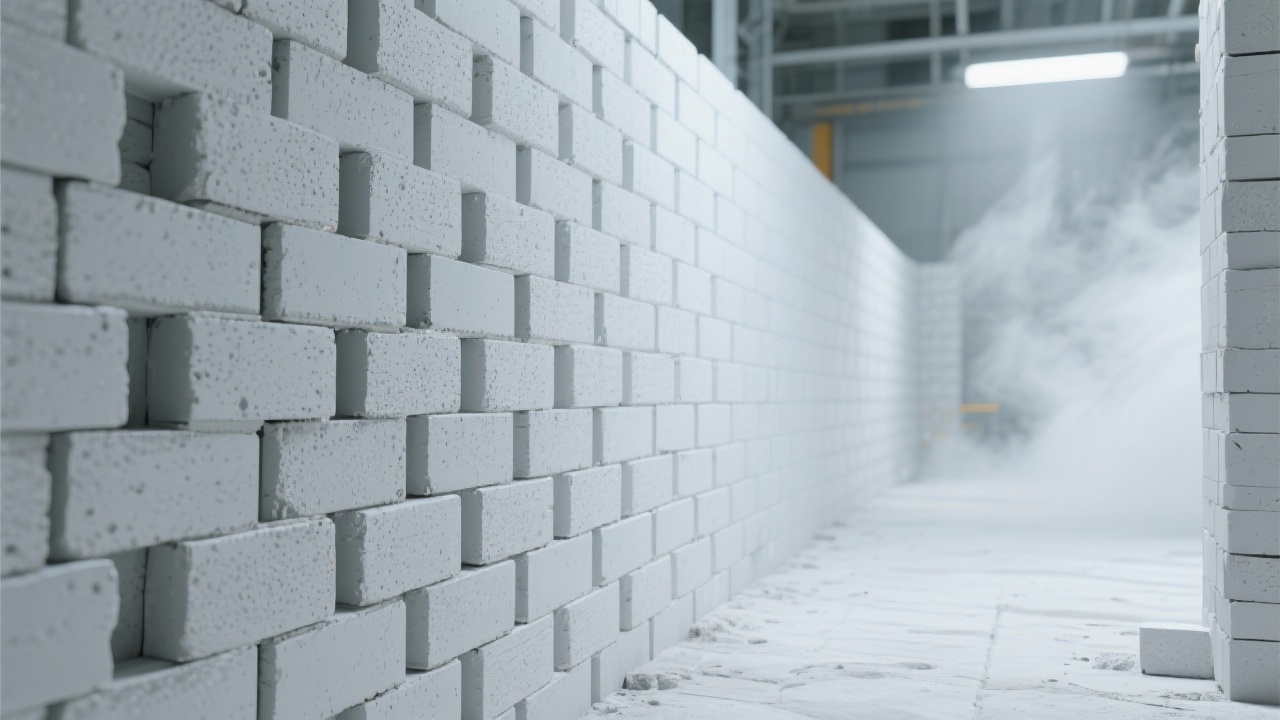
“What sets us apart isn't just what we sell—it's how we help you think differently about your furnace design.”
Get personalized support—from material selection to installation guidance—for your specific application. Let’s build a more efficient, longer-lasting furnace lining together.
Contact Us for Customized High Alumina Fire Clay Brick Solutions & Technical Support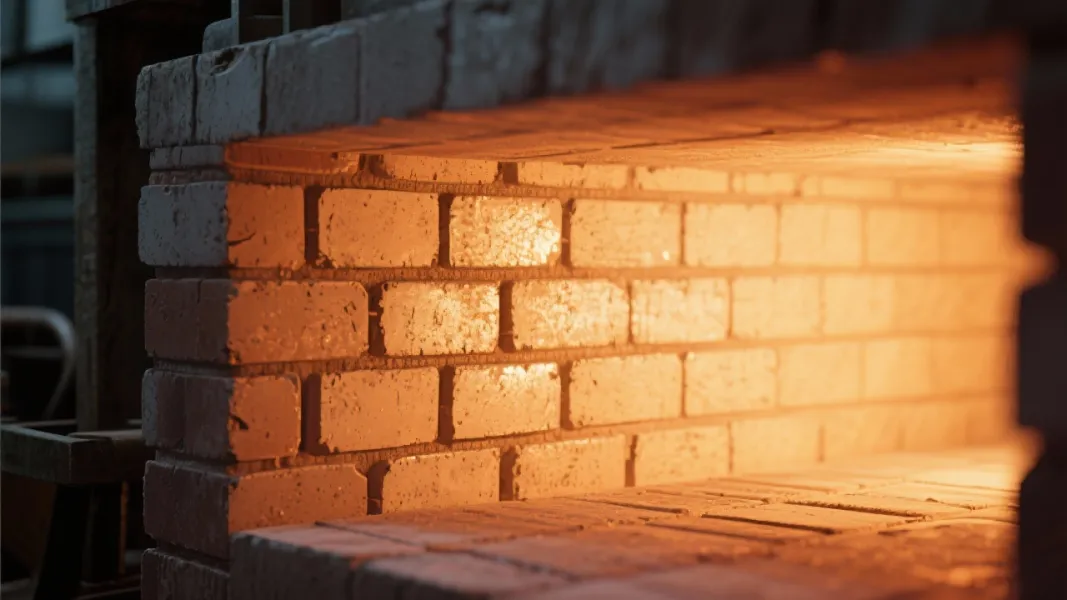
 451
|
451
|
 high alumina fire clay brick
industrial furnace lining
thermal shock resistance
custom refractory brick
low thermal conductivity refractory
high alumina fire clay brick
industrial furnace lining
thermal shock resistance
custom refractory brick
low thermal conductivity refractory
 141
|
Corundum refractory bricks
High alumina content
Refractoriness of 1700°C
Wear resistance
Sintering and melting processes
141
|
Corundum refractory bricks
High alumina content
Refractoriness of 1700°C
Wear resistance
Sintering and melting processes
 115
|
corundum refractory bricks
sintered vs fused process
refractory materials performance comparison
high-temperature corrosion resistance
refractory brick selection guide
246
|
corundum refractory bricks
sintered refractory materials
fused corundum bricks
high-temperature refractory performance
corrosion-resistant refractory bricks
115
|
corundum refractory bricks
sintered vs fused process
refractory materials performance comparison
high-temperature corrosion resistance
refractory brick selection guide
246
|
corundum refractory bricks
sintered refractory materials
fused corundum bricks
high-temperature refractory performance
corrosion-resistant refractory bricks
 372
|
High alumina refractory clay bricks
High-temperature industrial furnace refractory bricks
Refractory brick installation technology
Furnace lining refractory materials
Refractory brick performance analysis
372
|
High alumina refractory clay bricks
High-temperature industrial furnace refractory bricks
Refractory brick installation technology
Furnace lining refractory materials
Refractory brick performance analysis