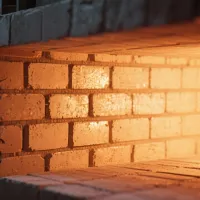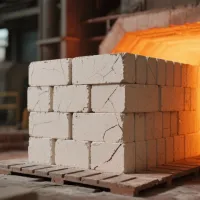
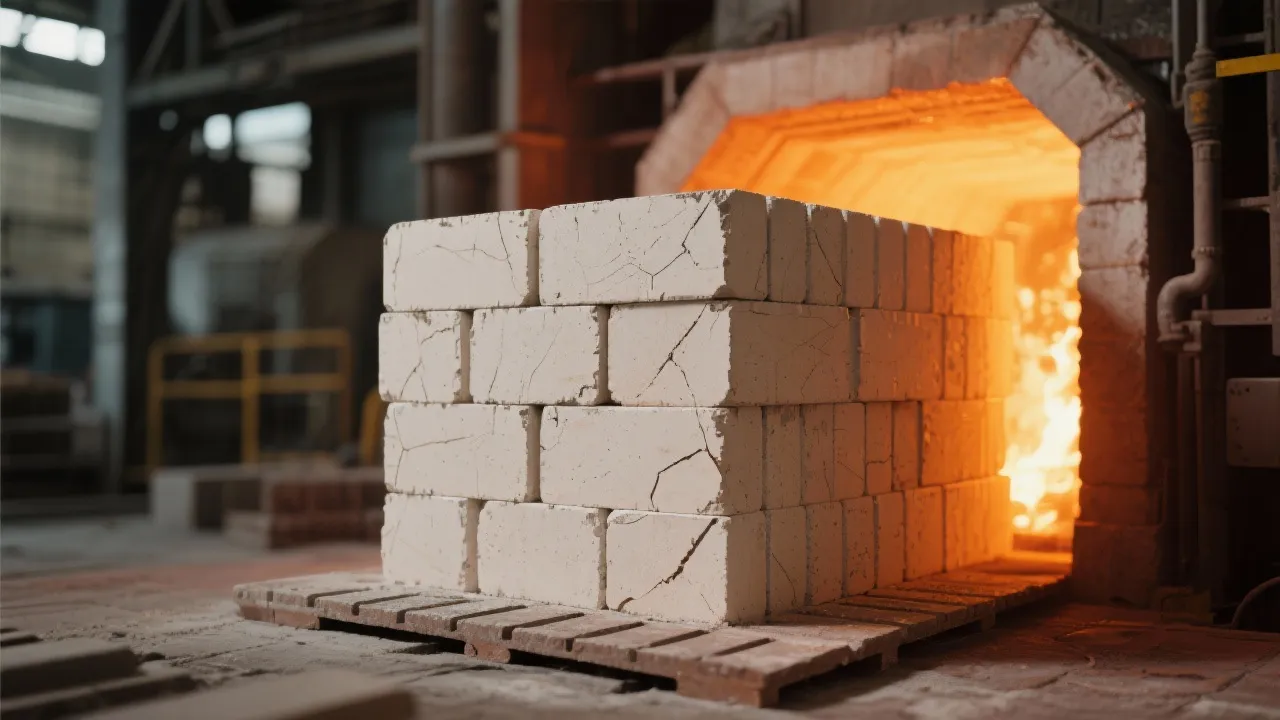
In high-temperature industrial applications such as steelmaking and construction materials manufacturing, the choice of refractory bricks plays a pivotal role in ensuring furnace longevity and operational safety. High alumina refractory bricks, engineered primarily with Al₂O₃ (aluminum oxide), offer outstanding thermal stability, mechanical strength, and resistance to thermal shock. However, their performance is intricately linked to selecting the appropriate Al₂O₃ content grade in accordance with the furnace’s working temperature and atmosphere. This guide provides a scientifically grounded approach to high alumina refractory brick selection, focusing on Al₂O₃ content classification, load softening temperature, and practical construction considerations.
The aluminum oxide content within a refractory brick profoundly influences its structural integrity at elevated temperatures. Typically, high alumina refractory bricks are categorized by their Al₂O₃ content into four main grades:
| Grade | Al₂O₃ Content (%) | Typical Load Softening Temperature (℃) | Application Range |
|---|---|---|---|
| Grade A | 48-55% | ~1450 | Low-temperature zones, general lining |
| Grade B | 55-65% | ~1550 | Medium temperature zones, steel ladles |
| Grade C | 65-75% | ~1600 | High temperature zones, blast furnace hearth |
| Grade D | 75-85% | ~1700 | Extremely high temperature zones, glass tank furnaces |
As the Al₂O₃ content increases, the refractory brick exhibits greater resistance to deformation and softening under load at elevated temperatures. This is due to the formation of stable phases like mullite which confer excellent mechanical strength and chemical stability.
A critical parameter in selecting a high alumina brick grade is the load softening temperature—the temperature at which the brick’s strength begins to degrade under mechanical load. To ensure structural reliability, the operating temperature of the furnace must remain safely below this threshold. As a best practice, a minimum safety margin of 50-100℃ below the load softening temperature is recommended. This ensures protection against thermal spikes and reduces risk of premature failure.
Additionally, the furnace’s atmospheric environment substantially affects material performance. For example:
Selecting the right refractory brick grade is only the first step; proper installation is equally critical to maximize lifespan:
Proper curing and gradual temperature ramp-up protocols further improve refractory brick bonding and reduce thermal stress.
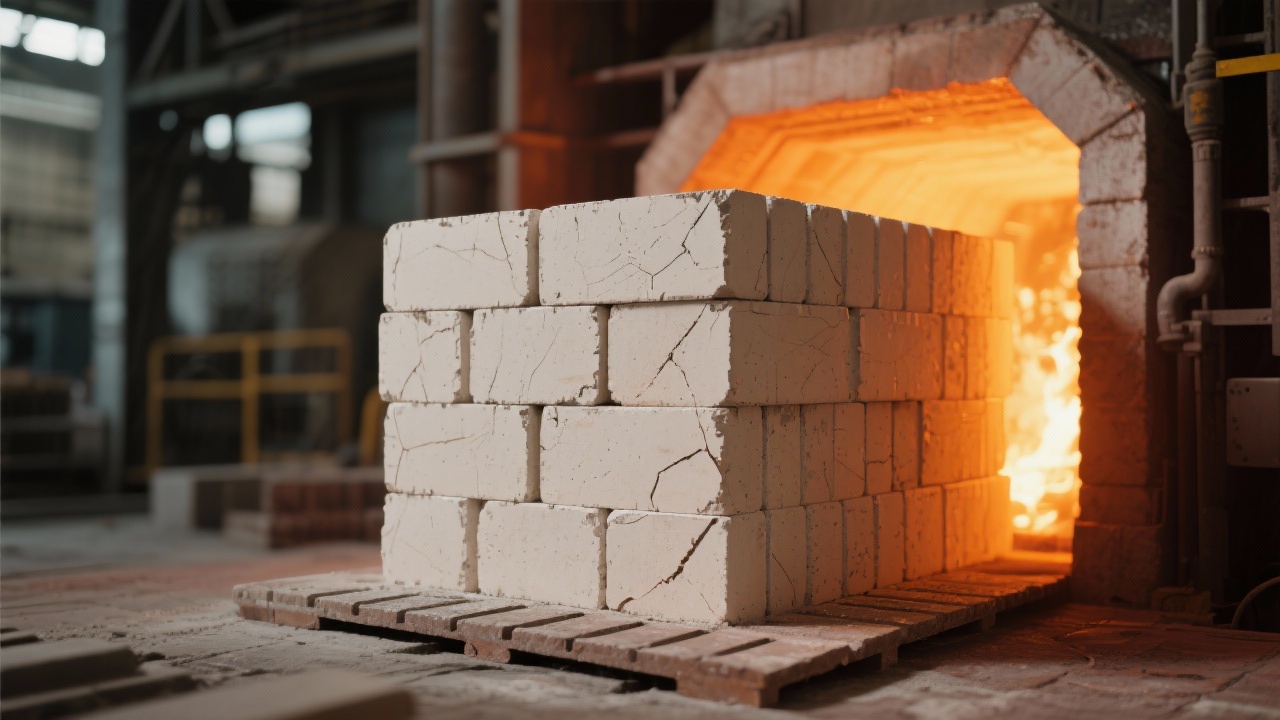
Despite robust design and material selection, refractory bricks may exhibit failure modes that undermine furnace integrity. Common failure types include:
Proactive inspection and timely maintenance can extend refractory service life significantly. Regular monitoring for hot spots using infrared thermography and scheduled replacement of compromised bricks is recommended. Additionally, applying protective coatings or impregnations improves resistance to corrosive environments.
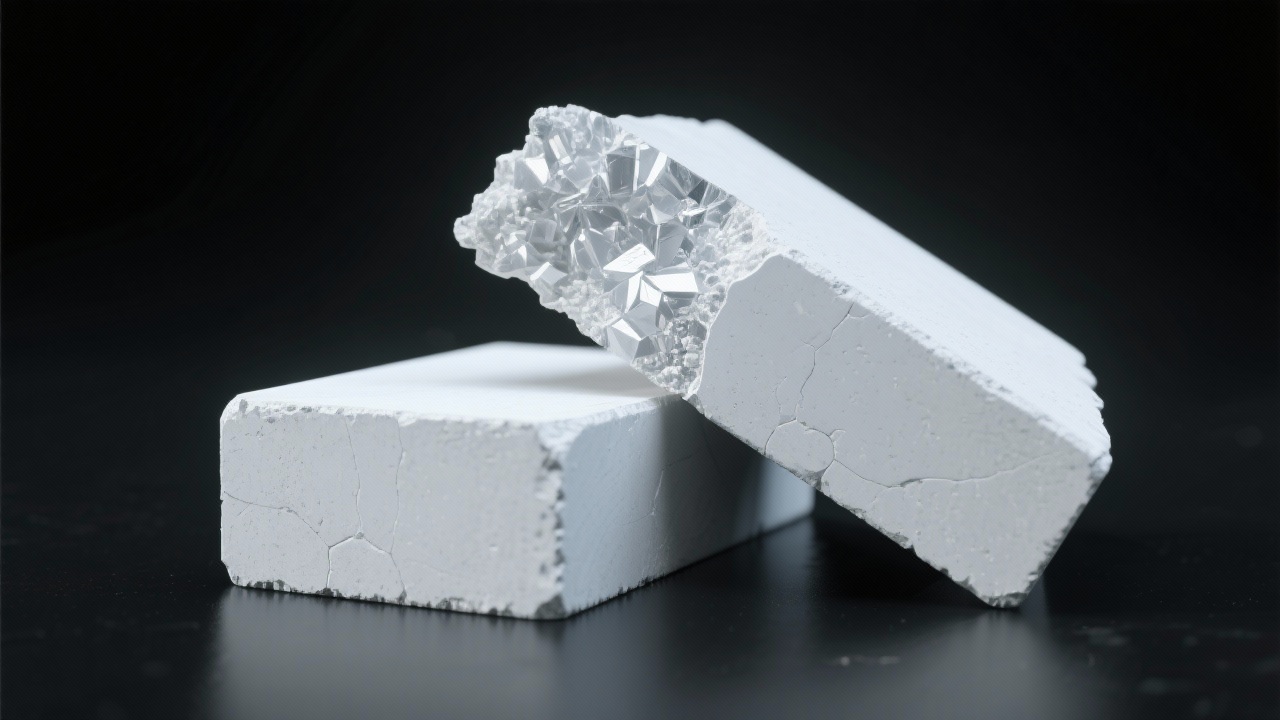
A leading steel producer faced premature furnace lining deterioration, causing costly downtimes. Through detailed analysis, they adjusted their refractory strategy by:
Result: Furnace lining lifespan improved by 30%, thermal shock resistance increased, and maintenance intervals extended, achieving substantial cost savings and operation stability.
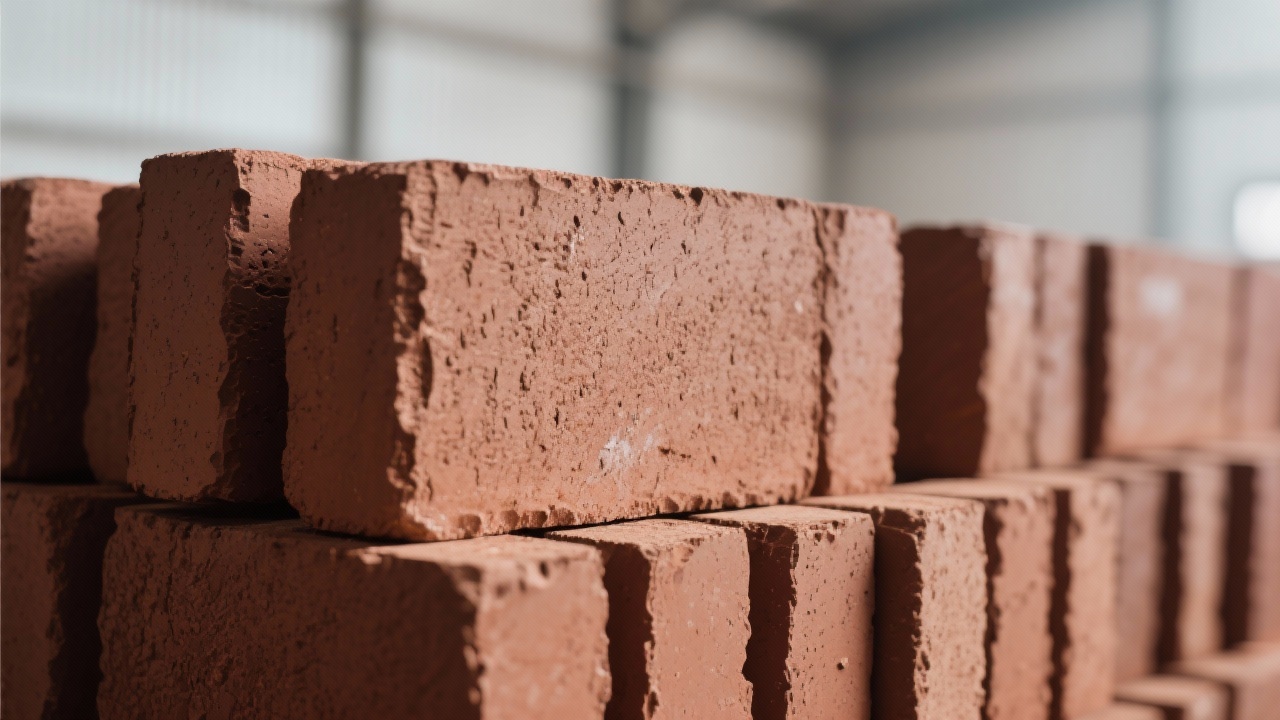
Selecting the optimal high alumina refractory brick demands a comprehensive understanding of material properties, service conditions, and construction best practices. Brands like Huanai High Temperature specialize in developing tailored refractory solutions with precise Al₂O₃ grading, ensuring high thermal stability and resistance fitting your unique industrial operating parameters.
 392
|
392
|
 steelmaking furnace magnesium carbon brick installation
refractory material installation guidelines
furnace lining lifespan extension
magnesium carbon brick heating curve
metallurgical furnace maintenance
steelmaking furnace magnesium carbon brick installation
refractory material installation guidelines
furnace lining lifespan extension
magnesium carbon brick heating curve
metallurgical furnace maintenance
 408
|
blast furnace refractory brick maintenance
low porosity refractory bricks
3 checks 2 controls
refractory brick service life extension
thermocouple overheating monitoring
408
|
blast furnace refractory brick maintenance
low porosity refractory bricks
3 checks 2 controls
refractory brick service life extension
thermocouple overheating monitoring
 480
|
high-temperature industrial furnace refractory lining
sintered magnesia-carbon brick
refractory material optimization
furnace lining design strategy
electric arc furnace refractory brick
480
|
high-temperature industrial furnace refractory lining
sintered magnesia-carbon brick
refractory material optimization
furnace lining design strategy
electric arc furnace refractory brick
 224
|
chrome corundum refractory bricks
copper smelting refractories
flash smelting refractory selection
converter furnace refractory materials
refractory failure analysis
224
|
chrome corundum refractory bricks
copper smelting refractories
flash smelting refractory selection
converter furnace refractory materials
refractory failure analysis
 79
|
steelmaking furnace magnesia carbon brick installation
magnesia carbon brick spalling
magnesia carbon brick bulging treatment
refractory lining lifespan extension
furnace baking curve optimization
79
|
steelmaking furnace magnesia carbon brick installation
magnesia carbon brick spalling
magnesia carbon brick bulging treatment
refractory lining lifespan extension
furnace baking curve optimization