Are you struggling with frequent refractory lining failures in your steelmaking or glass melting furnace? You're not alone. Many industrial operators face unexpected downtime and rising energy costs due to poor thermal insulation and inadequate heat shock resistance. The good news? Advanced high-alumina refractory bricks—engineered for ultra-low thermal conductivity and superior anti-thermal-shock performance—are transforming furnace efficiency across global industries.
Modern furnaces operate at temperatures exceeding 1,400°C. Traditional bricks often have thermal conductivity values above 1.2 W/m·K, leading to significant heat loss. Our latest high-alumina bricks reduce this to just 0.65–0.85 W/m·K, which translates to up to 18% lower fuel consumption (based on real-world case studies from European steel plants).
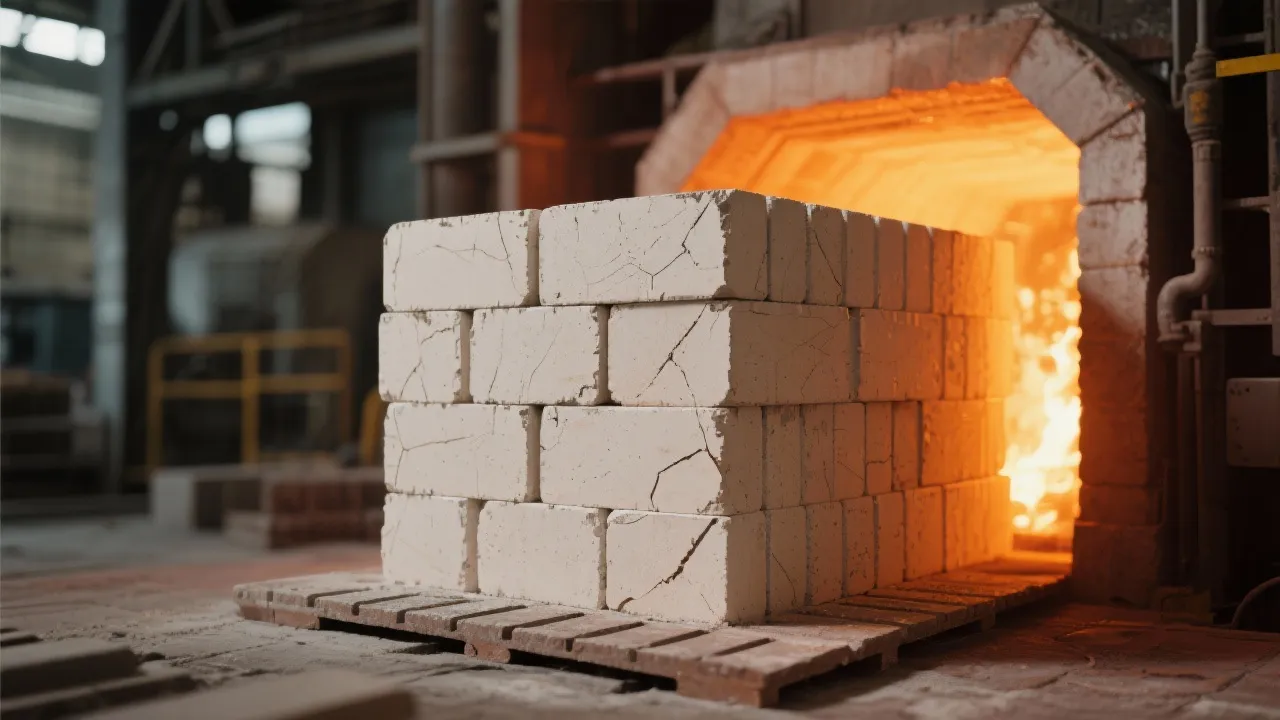
This isn’t just about saving energy—it’s about protecting the structural integrity of your furnace. With improved thermal stability, these bricks resist cracking during rapid temperature changes, a common cause of premature failure in hot-blast stoves and glass tanks.
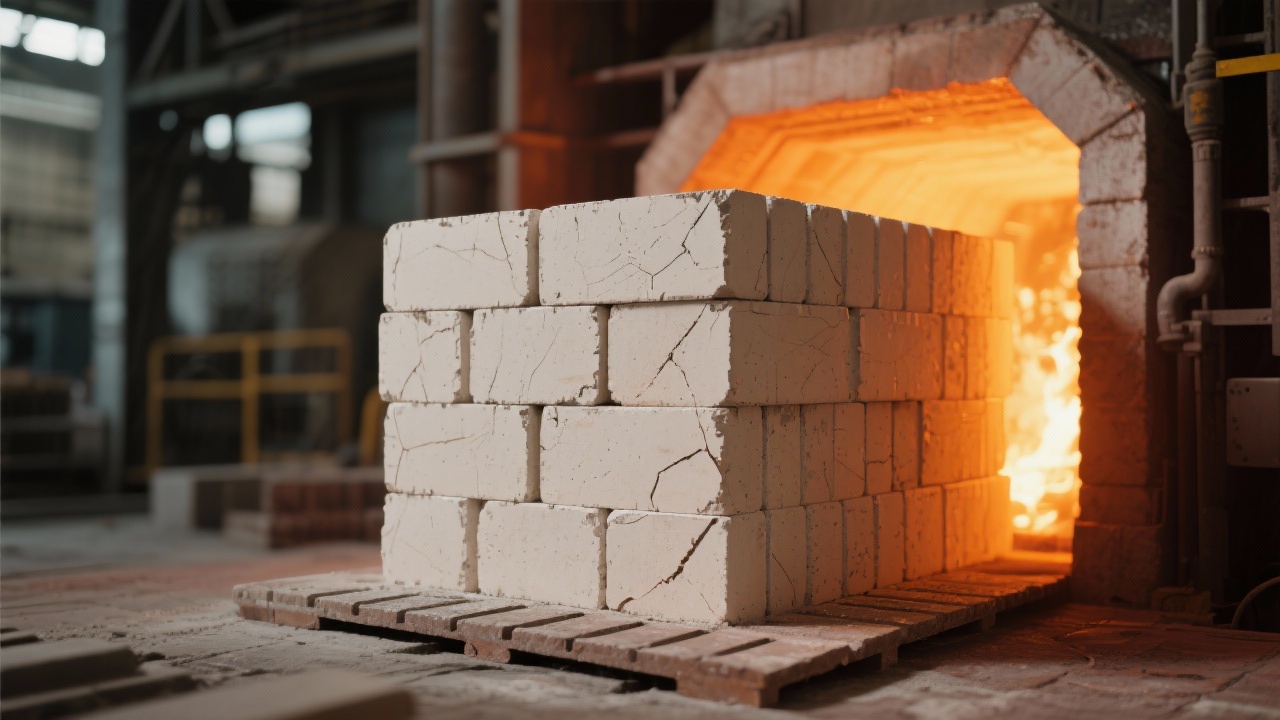
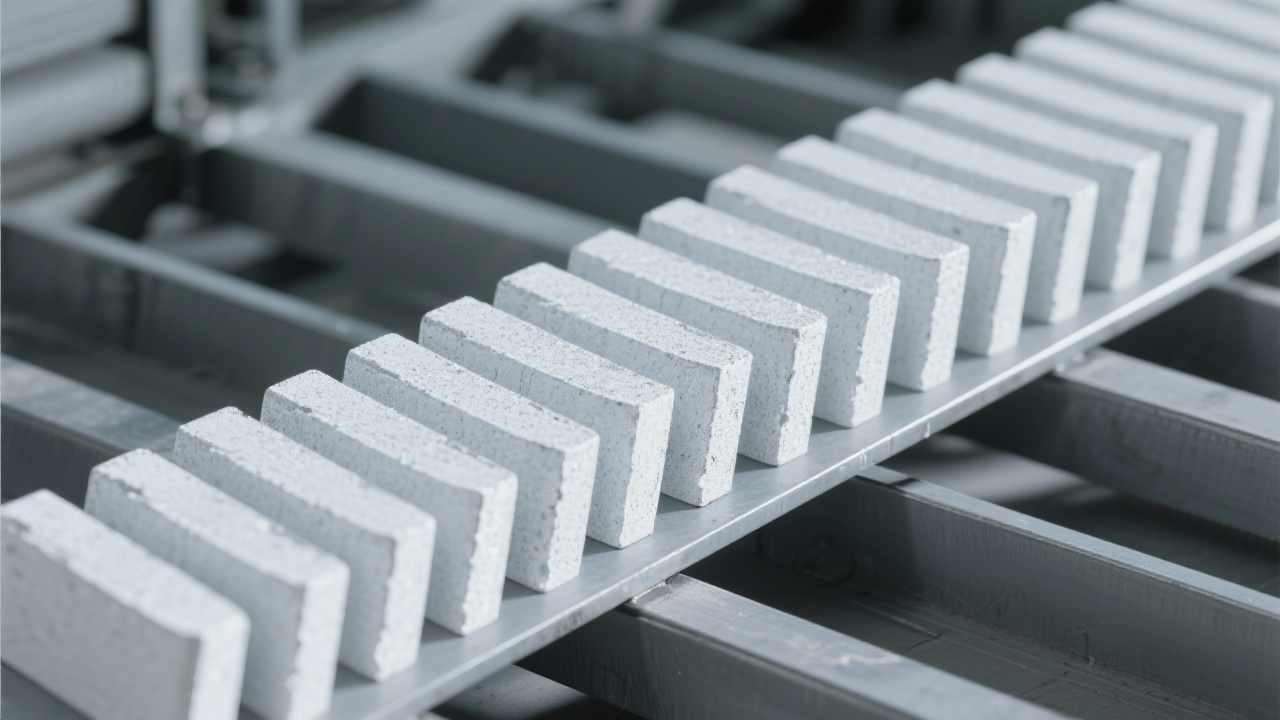
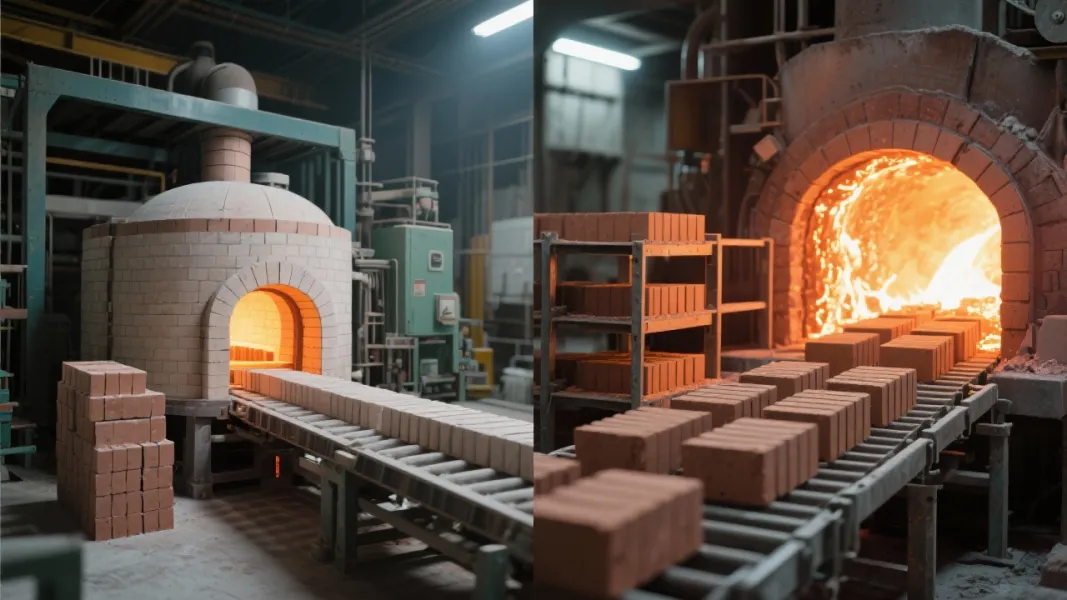
What makes our bricks stand out? It starts with a patented spherical pore structure that minimizes heat transfer while maintaining mechanical strength. Combined with precision mechanical cutting (±0.5mm tolerance), these bricks ensure tight joints and uniform installation—critical for preventing hot spots and gas leaks.
In a recent project at a Middle Eastern glass manufacturer, replacing standard bricks with our low-conductivity version reduced furnace wall surface temperature by 75°C, resulting in safer working conditions and extended lining life from 12 months to over 24 months.
“We saw immediate improvements in both energy use and operational safety after switching to these bricks. The installers even commented on how easy they were to handle.” — Ahmed Khalifa, Plant Manager, UAE Glass Co.
Not all furnaces are created equal. For example:
Whether it's a new build or a retrofit, understanding your specific operating environment is key. We recommend a site assessment before selection—especially when dealing with irregular heating profiles or aggressive chemical atmospheres.
Even the best material fails if installed incorrectly. Watch out for:
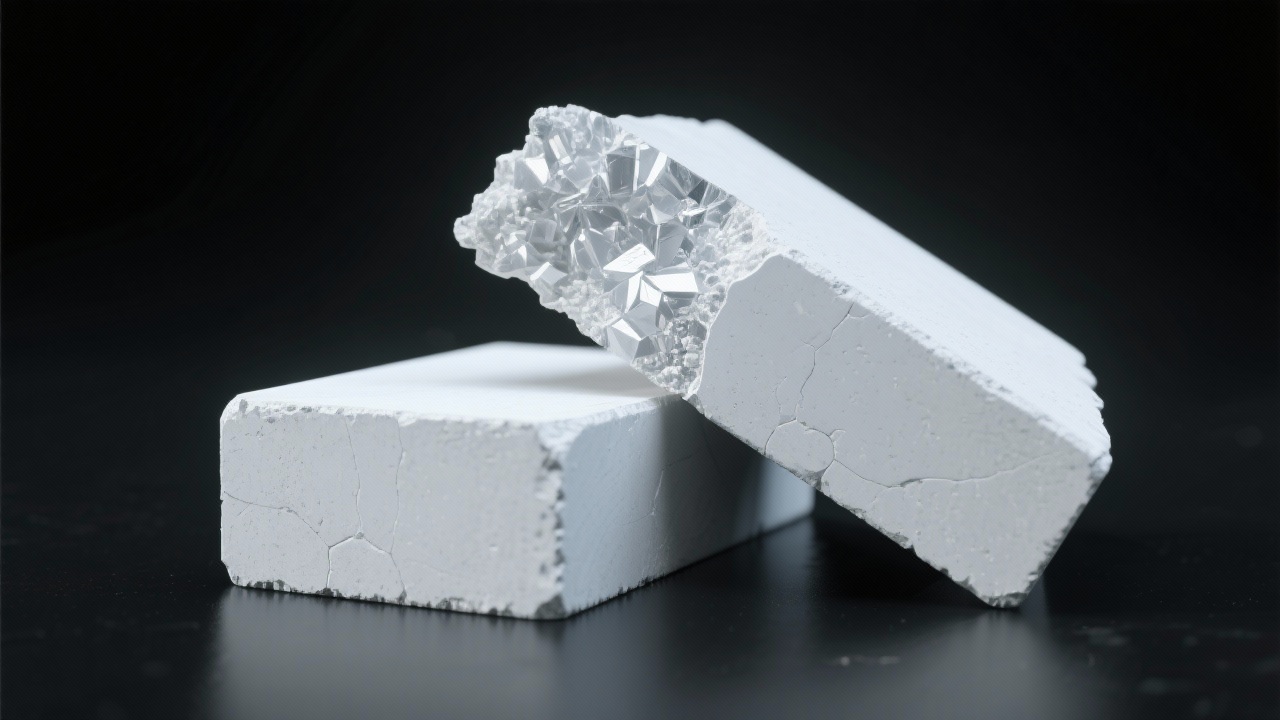
Proper maintenance matters too. Schedule regular inspections every 6 months—even small cracks can escalate quickly under high heat.
Get expert guidance tailored to your application—from material selection to installation support.
Apply for Free Sample Test & Technical Consultation
 295
|
295
|
 high-alumina refractory bricks
glass furnace refractories
refractory brick wear resistance testing
corrosion resistant refractory bricks
industrial furnace lining solutions
high-alumina refractory bricks
glass furnace refractories
refractory brick wear resistance testing
corrosion resistant refractory bricks
industrial furnace lining solutions
 141
|
Corundum refractory bricks
High alumina content
Refractoriness of 1700°C
Wear resistance
Sintering and melting processes
141
|
Corundum refractory bricks
High alumina content
Refractoriness of 1700°C
Wear resistance
Sintering and melting processes
 356
|
corundum refractory bricks performance
alumina content >90%
high temperature refractory bricks
sintering vs fusion corundum bricks
refractory bricks for metallurgy
356
|
corundum refractory bricks performance
alumina content >90%
high temperature refractory bricks
sintering vs fusion corundum bricks
refractory bricks for metallurgy
 133
|
Corundum refractory bricks
High - temperature corrosion protection
Refractory material applications
Sintered corundum bricks
Fused corundum bricks
175
|
corundum refractory brick
high-alumina refractory materials
refractory brick service life improvement
refractory material applications
alumina content over 90%
133
|
Corundum refractory bricks
High - temperature corrosion protection
Refractory material applications
Sintered corundum bricks
Fused corundum bricks
175
|
corundum refractory brick
high-alumina refractory materials
refractory brick service life improvement
refractory material applications
alumina content over 90%