In cement production, the rotary kiln’s calcining zone operates under extreme high-temperature and chemically aggressive conditions. Selecting the right refractory material in this critical area directly impacts kiln longevity, operational stability, and overall plant efficiency. Among available options, high-alumina refractory bricks stand out due to their superior chemical stability, load-bearing capacity, and thermal shock resistance compared to traditional fireclay bricks. This article provides a technical exploration into why high-alumina bricks have become the preferred choice in the cement rotary kiln industry, supported by empirical data and real-world case studies.
The calcining zone exposes bricks to harsh, oxidizing atmospheres with abundant alkali compounds in the cement clinker. The core chemical challenge is combating the infiltration and corrosion effects caused by these alkalis. High-alumina bricks, typically containing 50-80% Al₂O₃ (alumina), possess a robust crystal structure that imparts exceptional chemical inertness and resistance to alkali penetration.
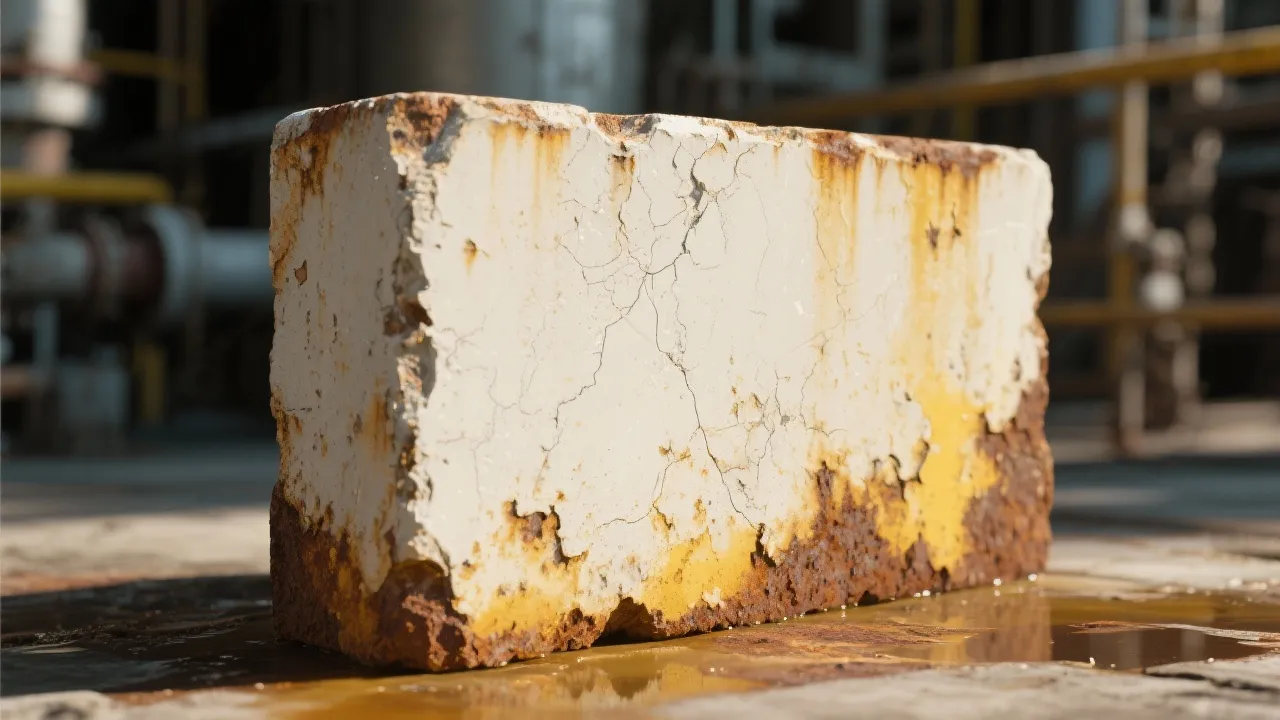
By contrast, conventional fireclay bricks contain lower alumina content, around 30-40%, and higher silica and fluxing agents, which react unfavorably with alkaline vapors and slags. This results in accelerated degradation, internal swelling, and premature spalling.
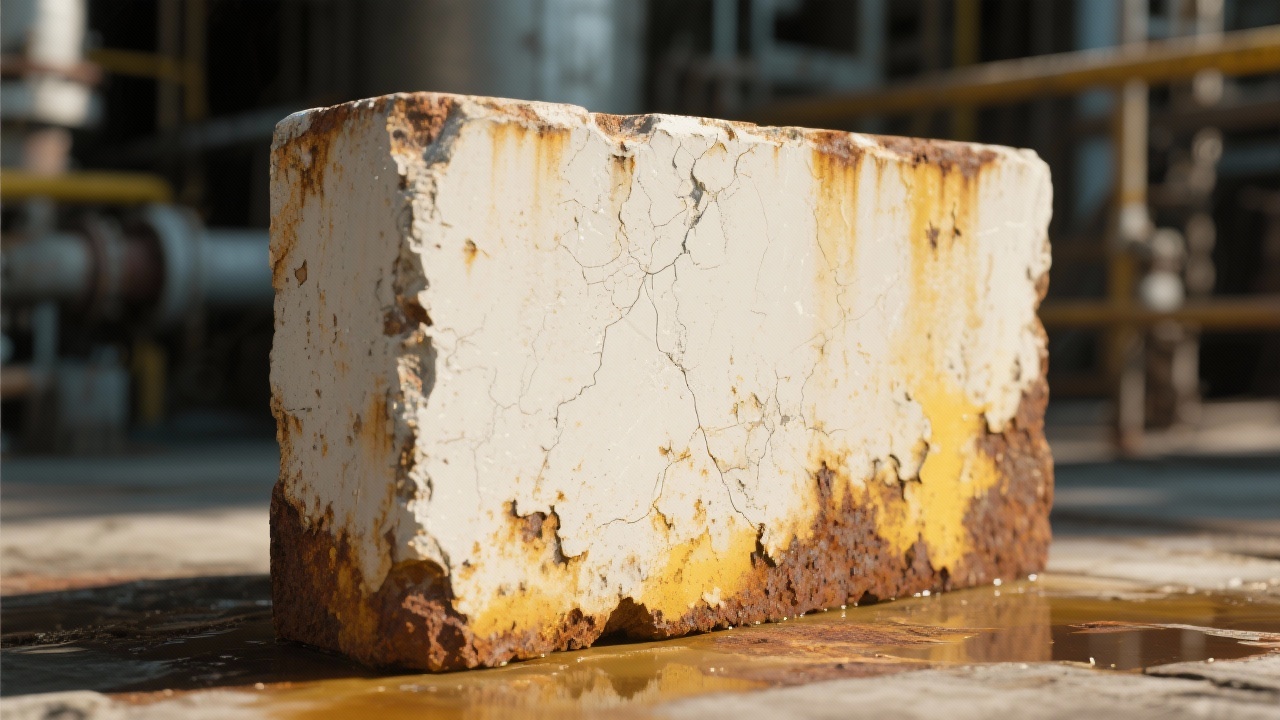
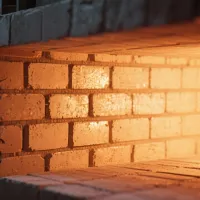
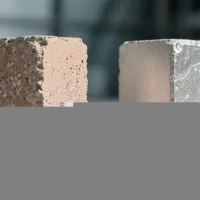
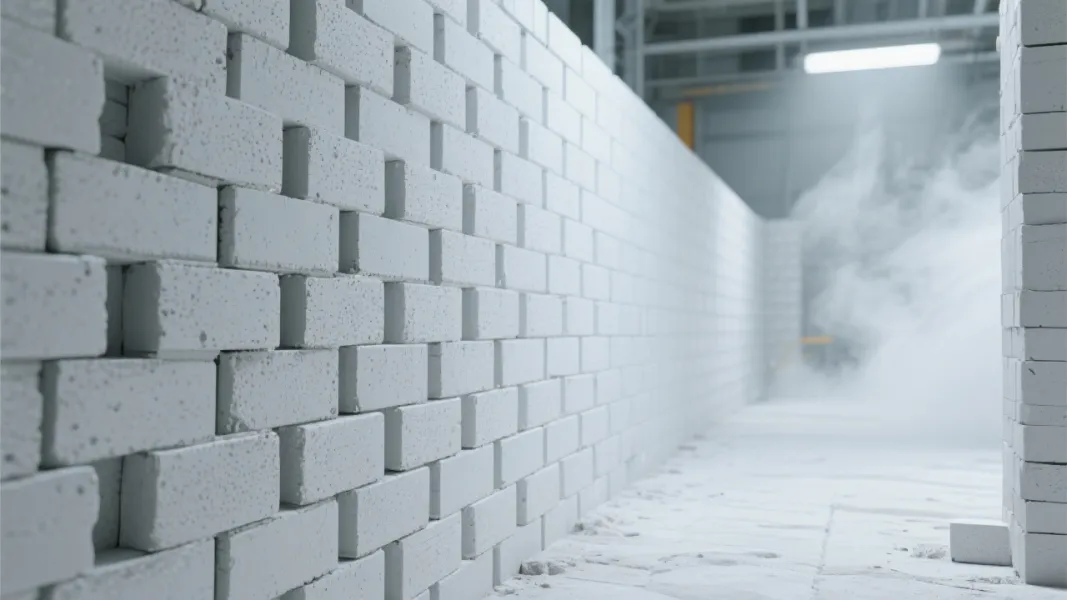
Figure 1: Alkali resistance test revealing less surface corrosion on high-alumina bricks compared to fireclay counterparts after 1000 hours at 1400°C.
This enhanced resistance reduces the frequency of repair cycles and ensures the kiln maintains its structural integrity under the prolonged chemical attack typical in the calcining zone.
Load or creep deformation under high temperatures is another decisive factor in refractory brick selection. The ability of a brick to withstand mechanical load without significant deformation—measured by the load softening temperature—is crucial for kiln lining durability.
High-alumina refractory bricks generally exhibit load softening temperatures upwards of 1600°C. This high load-bearing capacity is attributed to their dense microstructure and stable phases of mullite and corundum.
Fireclay bricks usually soften and deform at temperatures around 1400-1500°C, making them unsuitable for bearing the mechanical and thermal stresses in the hottest kiln zones.
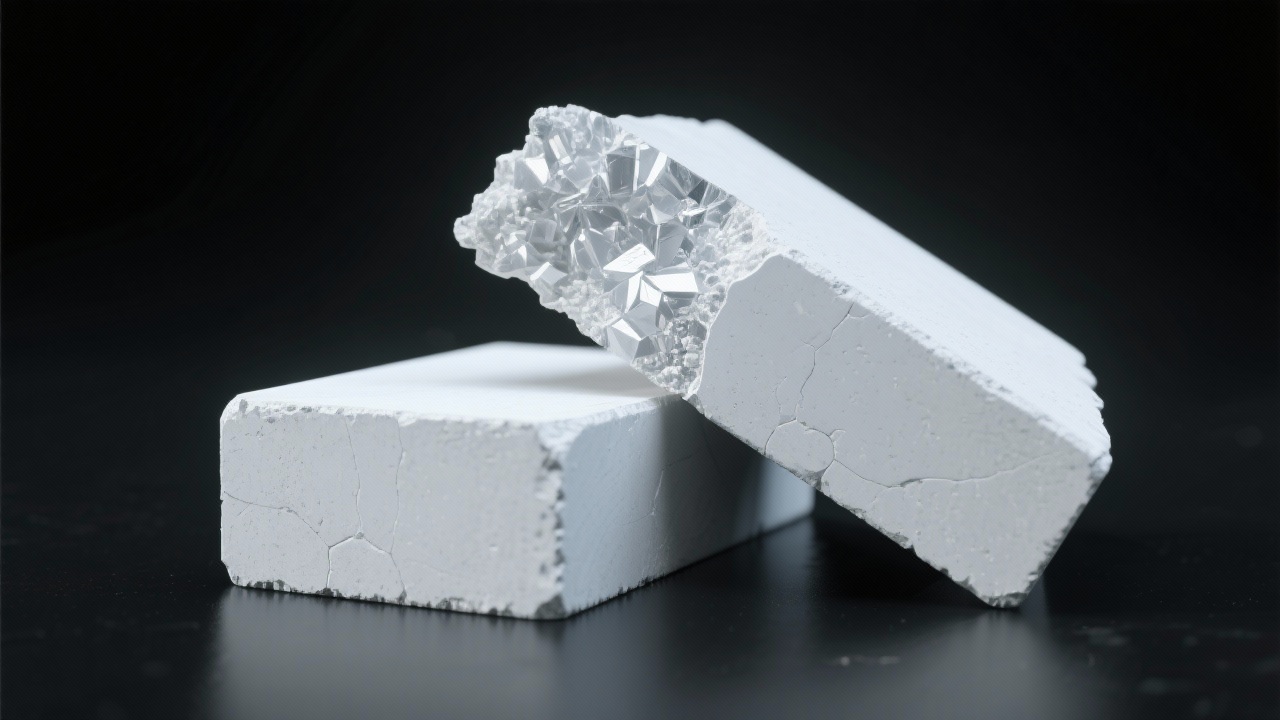
Figure 2: Load softening temperature curve demonstrates superior mechanical performance of high-alumina bricks at temperatures exceeding 1600°C.
This property mitigates risks of lining collapse or dimensional instability during kiln operation, especially under heavy clinker loads and thermal gradients.
The calcining zone experiences frequent rapid temperature fluctuations due to process variations and start-stop cycles, which induce thermal stresses and potential cracking.
High-alumina bricks demonstrate a favorable balance between low thermal expansion coefficients and high tensile strength, enhancing their ability to withstand rapid heating and cooling without crack formation.
Fireclay bricks, with relatively higher linear expansion and lower tensile strength, are prone to early cracking and spalling under thermal shock conditions, compromising the kiln lining’s protective function.
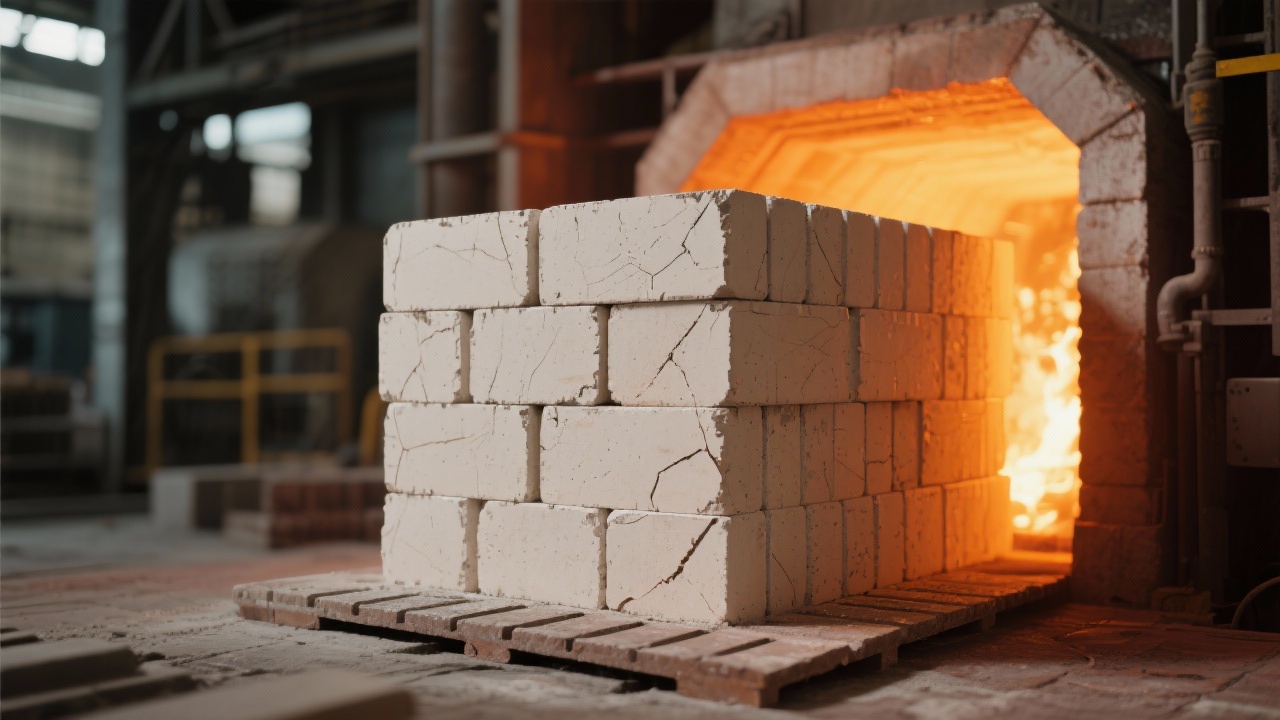
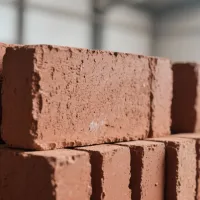
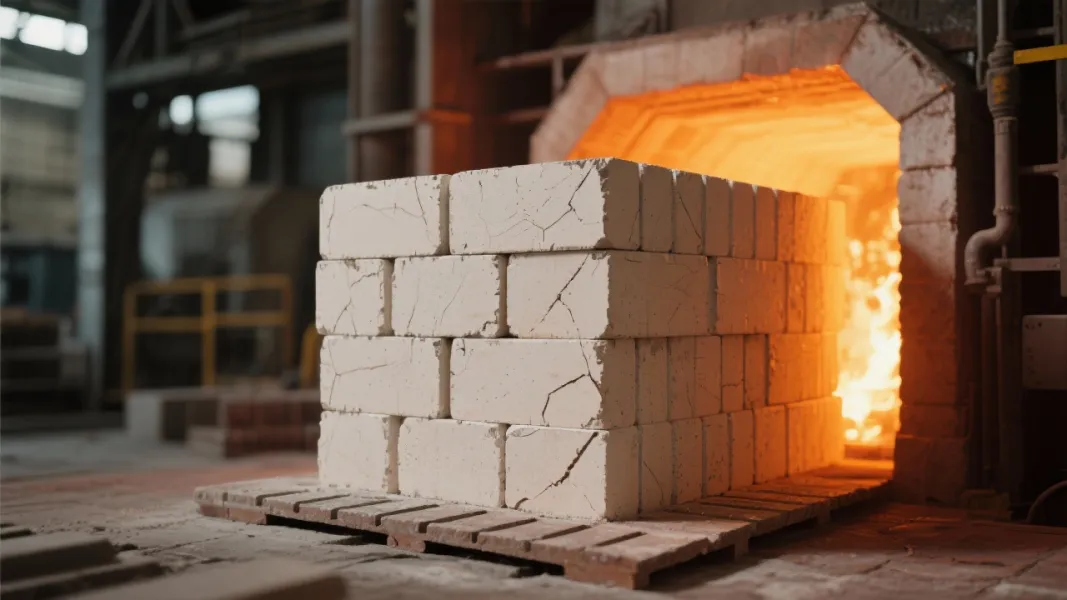
Figure 3: Thermal shock test cycle indicating fewer cracks and longer service life of high-alumina bricks compared to fireclay bricks after 50 rapid cooling-heating cycles.
The superior thermal shock resistance helps maintain brick integrity and minimize maintenance downtime.
Beyond material properties, practical brick selection must integrate clinker composition (alkali and sulphur content), fuel type, kiln speed, and operational environment. Cement rotary kilns with higher alkali clinker or alternative fossil fuels generate more aggressive conditions, intensifying corrosion and requiring higher-grade refractory bricks.
For instance, fast kiln speeds result in shorter residence times but increased thermal gradients, demanding bricks with enhanced thermal shock resistance. Familiarity with process parameters enables procurement and technical teams to optimize brick grades and installation zones accordingly.
Field cases evidencing premature failure often trace back to substituting fireclay bricks in the calcining zone to cut upfront costs. Such bricks exhibit early cracking, severe chemical erosion, and reduced mechanical strength, causing costly unplanned shutdowns.
For example, a Chinese cement plant faced kiln lining failure within 6 months due to using 35% alumina bricks instead of the recommended 60%+ grade, resulting in thermal shock-induced spalling and alkali penetration.
Conversely, switching to properly specified high-alumina bricks extended lining life beyond 2 years with significantly lower maintenance expenditure.
Making the informed choice of high-alumina refractory bricks in the calcining zone is not just a technical preference but an operational necessity. Understanding the interplay of chemical stability, thermal-mechanical properties, and process-specific factors ensures resilient kiln linings that optimize uptime and product quality.
华耐高温’s commitment to advanced refractory products underscores the value of investing in durable, scientifically validated materials tailored to your rotary kiln’s unique demands.
 73
|
73
|
 Refractory brick thermal shock testing
Water quenching vs air cooling
Alumina refractory performance
Thermal shock resistance standards
Low porosity refractory bricks
Refractory brick thermal shock testing
Water quenching vs air cooling
Alumina refractory performance
Thermal shock resistance standards
Low porosity refractory bricks
 392
|
steelmaking furnace magnesium carbon brick installation
refractory material installation guidelines
furnace lining lifespan extension
magnesium carbon brick heating curve
metallurgical furnace maintenance
392
|
steelmaking furnace magnesium carbon brick installation
refractory material installation guidelines
furnace lining lifespan extension
magnesium carbon brick heating curve
metallurgical furnace maintenance
 201
|
refractory brick thermal shock testing
water quenching vs air cooling
aluminum oxide refractory performance
low porosity refractory bricks
ISO ASTM refractory standards
210
|
refractory brick thermal shock testing
water quenching refractory test
air cooling refractory test
alumina refractory performance
refractory thermal shock resistance
201
|
refractory brick thermal shock testing
water quenching vs air cooling
aluminum oxide refractory performance
low porosity refractory bricks
ISO ASTM refractory standards
210
|
refractory brick thermal shock testing
water quenching refractory test
air cooling refractory test
alumina refractory performance
refractory thermal shock resistance
 446
|
chrome corundum bricks
copper smelting furnace life extension
refractory corrosion resistance
high-temperature refractory materials
furnace maintenance optimization
446
|
chrome corundum bricks
copper smelting furnace life extension
refractory corrosion resistance
high-temperature refractory materials
furnace maintenance optimization