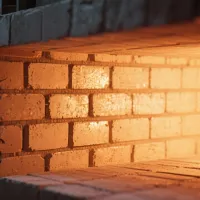
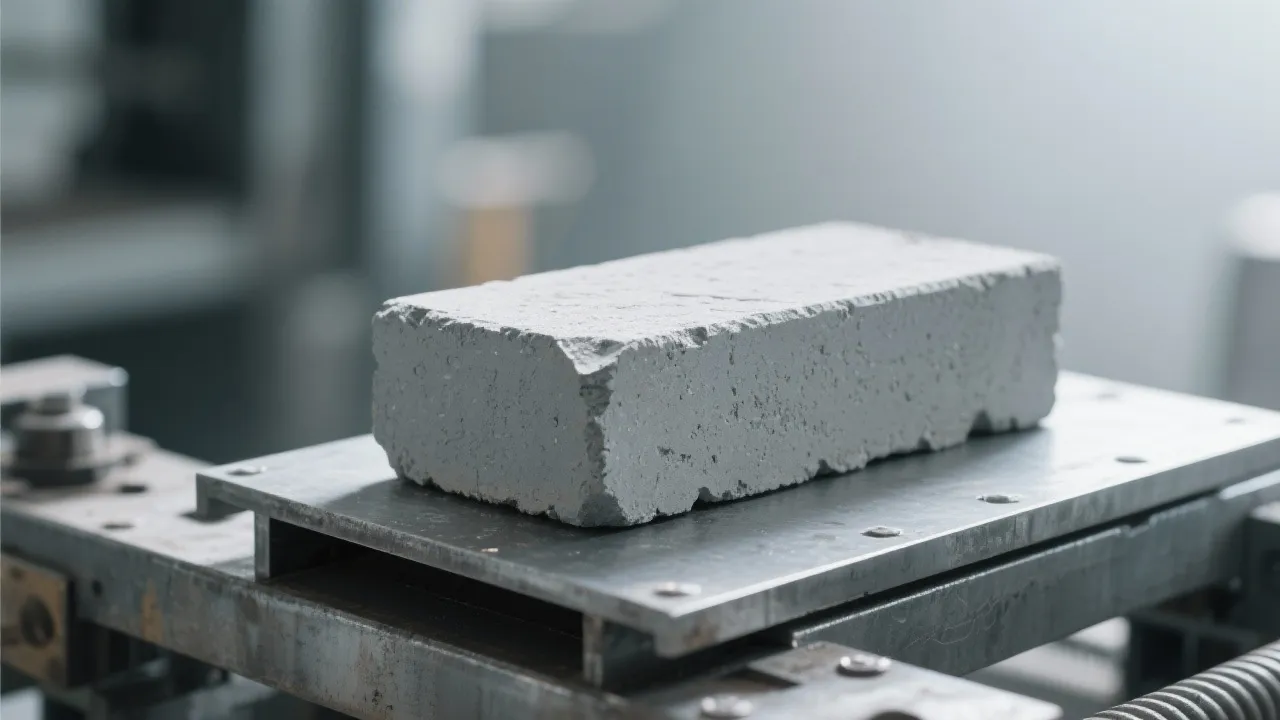
High alumina refractory clay bricks play a crucial role in the lining of high - temperature industrial furnaces. The material composition of these bricks is mainly composed of high - quality alumina and clay minerals. The unique spherical pore structure and mechanical cutting process are two key features. The spherical pore structure gives the bricks a high density. In general, through this structure, the bulk density of the bricks can reach about 2.5 - 2.8 g/cm³, which is significantly higher compared to ordinary refractory bricks.
The mechanical cutting process ensures precise dimensions. The dimensional tolerance can be controlled within ±0.5mm, providing a tight fit during installation and reducing the risk of heat leakage at the joints. 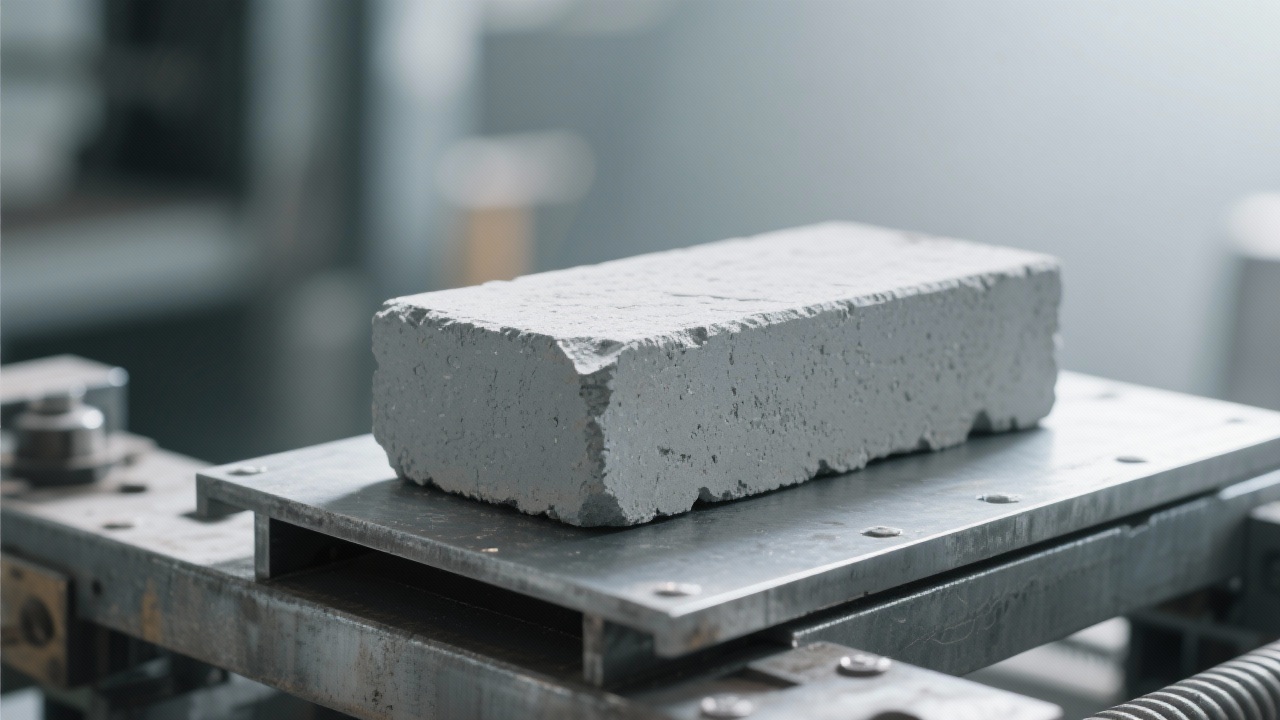
The low thermal conductivity is a remarkable characteristic of high alumina refractory clay bricks. At a high temperature of around 1000°C, the thermal conductivity can be as low as 1.5 - 2.0 W/(m·K). This property greatly reduces heat loss from the furnace lining, leading to more efficient energy utilization and lower operating costs.
In high - temperature industrial environments, the inner lining of the furnace is subject to severe wear and corrosion. High alumina refractory clay bricks have excellent wear resistance and corrosion resistance. In a glass melting furnace, for example, the bricks can withstand the erosion of high - temperature molten glass and corrosive gases for a long time, and the service life can be extended by about 2 - 3 times compared to general refractory materials.
Industrial furnaces often experience rapid temperature changes during operation. High alumina refractory clay bricks have good thermal shock resistance and can withstand temperature changes of up to 800 - 1000°C without significant cracking or spalling. This performance effectively extends the service life of the furnace lining and ensures the continuous and stable operation of the industrial furnace. 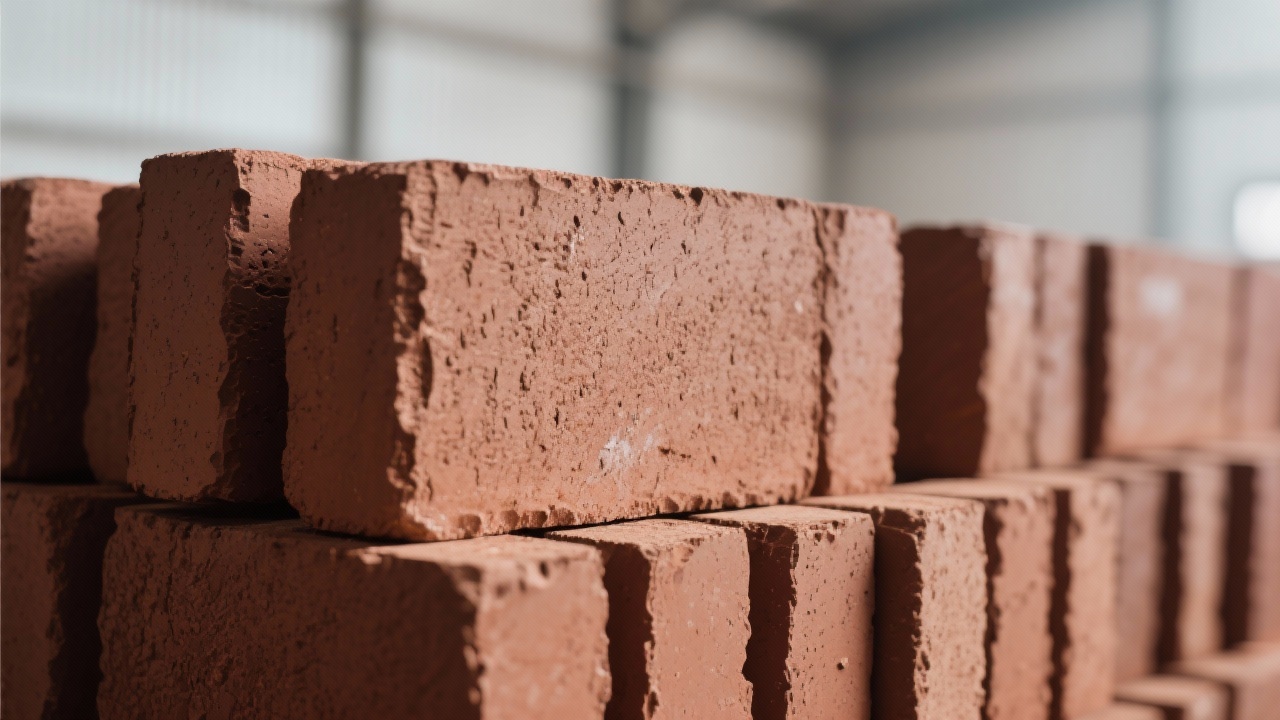
High alumina refractory clay bricks are widely used in various high - temperature industrial furnaces, such as blast furnaces, hot blast stoves, glass melting furnaces, and waste incinerators. In blast furnaces, due to the extremely high - temperature and high - pressure environment, high - strength and high - temperature - resistant high alumina refractory clay bricks are required. For glass melting furnaces, in addition to high - temperature resistance, the bricks need to have good corrosion resistance to molten glass.
Each application scenario has specific technical requirements. For example, in waste incinerators, the bricks need to resist the corrosion of acidic gases generated during waste incineration. Therefore, special chemical compositions and surface treatments are often used to improve the performance of the bricks.
When selecting high alumina refractory clay bricks, factors such as the furnace temperature, atmosphere, and load should be considered. For high - temperature furnaces above 1500°C, bricks with a high alumina content (over 80%) should be selected.
The installation process is also crucial. The bricks should be installed according to a scientific layout to ensure the overall stability and tightness of the furnace lining. For example, the use of appropriate mortar and correct joint treatment can effectively prevent heat leakage and improve the service life of the furnace lining. 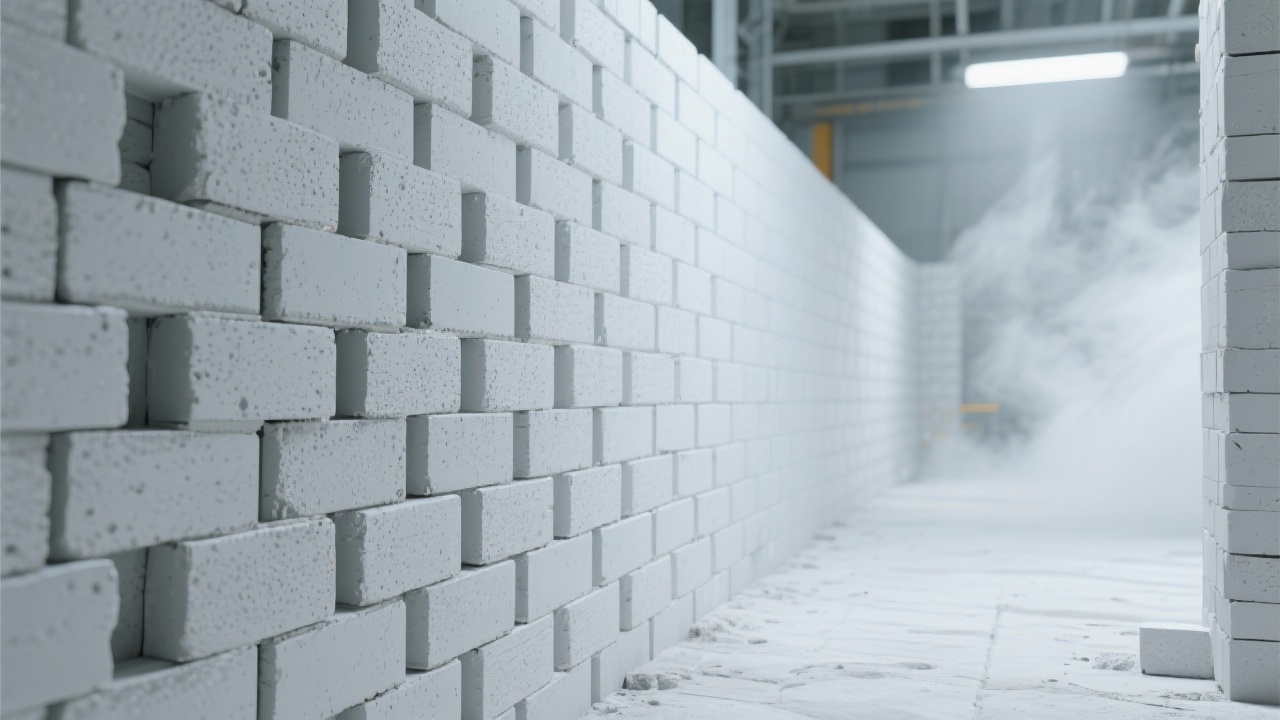
In a steel plant, after replacing the original refractory bricks with high alumina refractory clay bricks in the blast furnace, the furnace lining's service life was extended from 2 years to 5 years, and the energy consumption was reduced by about 15%. This case fully demonstrates the excellent performance of high alumina refractory clay bricks.
During the use of the furnace, regular inspections and maintenance are necessary. For minor damages, timely repairs can be carried out, while for severe damages, the bricks should be replaced in time to ensure the normal operation of the furnace.

 77
|
77
|
 corundum refractory brick
high alumina brick comparison
refractory material performance
metallurgical furnace lining
alumina content above 90%
corundum refractory brick
high alumina brick comparison
refractory material performance
metallurgical furnace lining
alumina content above 90%
 115
|
corundum refractory bricks
sintered vs fused process
refractory materials performance comparison
high-temperature corrosion resistance
refractory brick selection guide
244
|
corundum refractory bricks
high temperature corrosion resistant materials
alumina refractory bricks
refractory brick manufacturing process
refractory brick applications
115
|
corundum refractory bricks
sintered vs fused process
refractory materials performance comparison
high-temperature corrosion resistance
refractory brick selection guide
244
|
corundum refractory bricks
high temperature corrosion resistant materials
alumina refractory bricks
refractory brick manufacturing process
refractory brick applications
 356
|
corundum refractory bricks performance
alumina content >90%
high temperature refractory bricks
sintering vs fusion corundum bricks
refractory bricks for metallurgy
284
|
corundum refractory bricks
refractoriness 1700°C
sintered corundum bricks
fused corundum bricks
refractory material performance
356
|
corundum refractory bricks performance
alumina content >90%
high temperature refractory bricks
sintering vs fusion corundum bricks
refractory bricks for metallurgy
284
|
corundum refractory bricks
refractoriness 1700°C
sintered corundum bricks
fused corundum bricks
refractory material performance