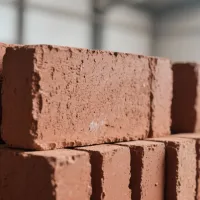
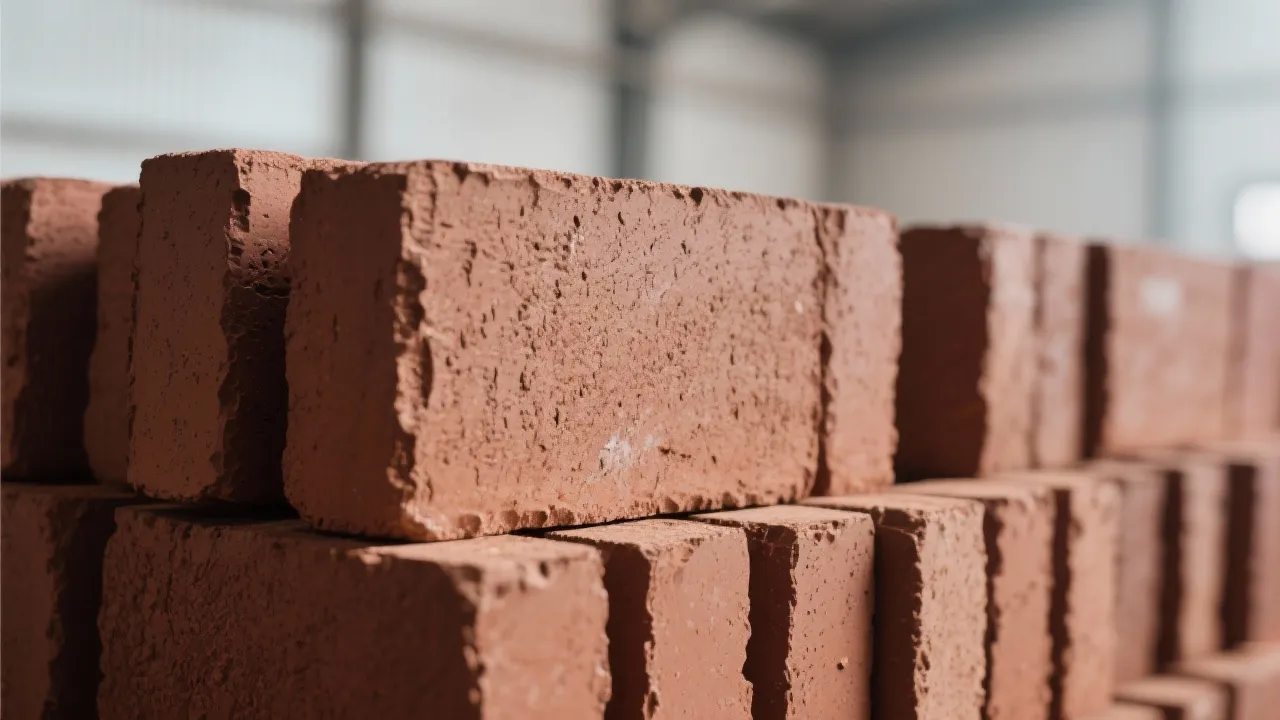
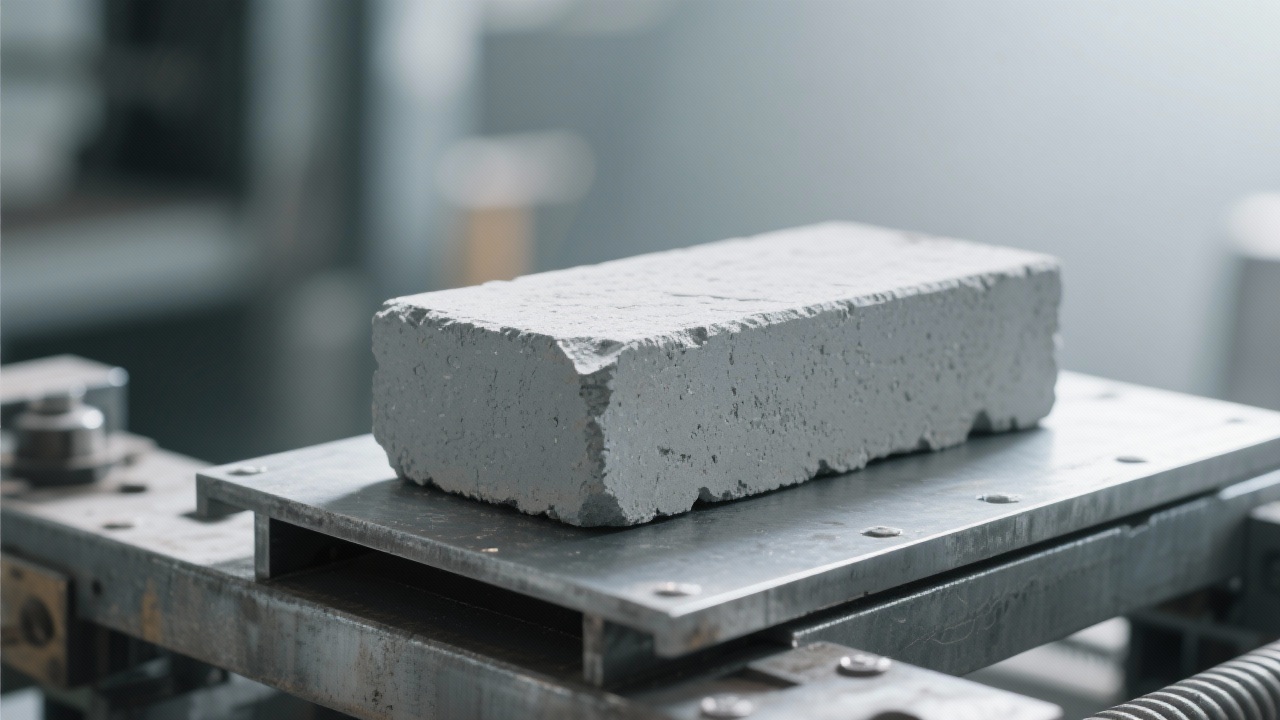
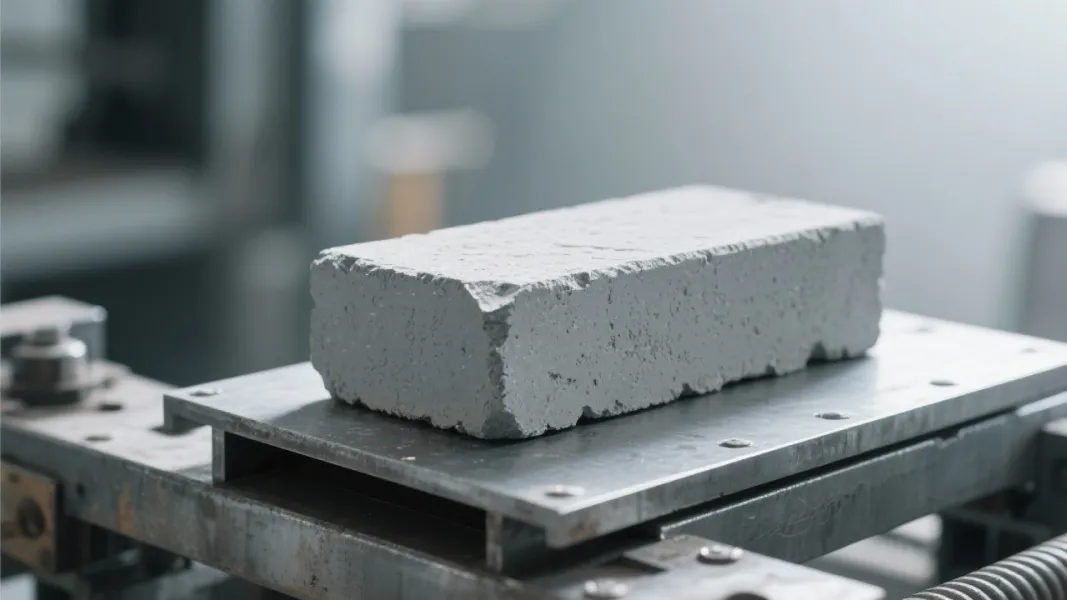
High alumina refractory clay bricks play a crucial role in the linings of high - temperature industrial furnaces such as those in the steel industry. Their unique material composition and mechanical cutting spherical pore structure are the keys to ensuring high density and dimensional accuracy, which are essential for a stable installation.
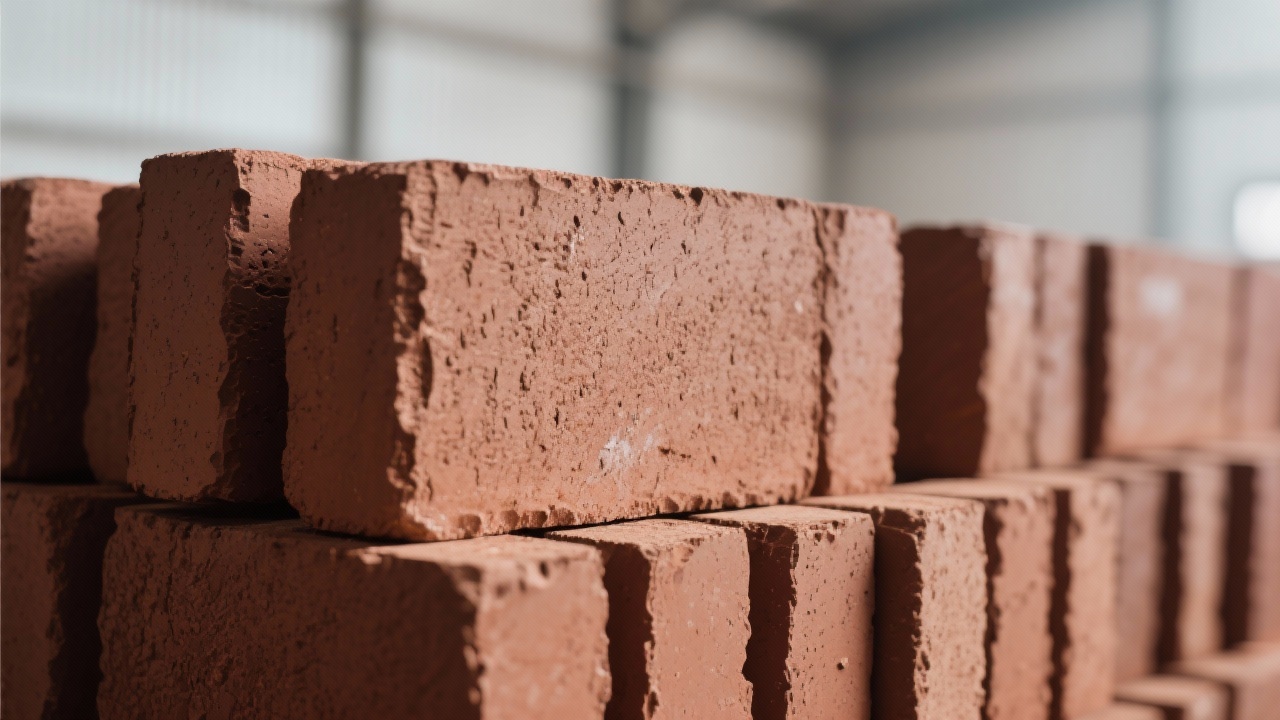
The special material formula of high alumina refractory clay bricks contains a high proportion of alumina, which endows them with excellent high - temperature resistance. The mechanical cutting spherical pore structure not only reduces the weight of the bricks but also improves their heat insulation performance. With a density of up to 2.5 - 3.0 g/cm³, these bricks can maintain stable physical properties at high temperatures, ensuring a long - term stable installation in the furnace lining.
One of the most prominent features of high alumina refractory clay bricks is their ultra - low thermal conductivity, which can be as low as 0.5 - 1.0 W/(m·K). This significantly reduces heat loss in the furnace, improving energy efficiency. In addition, their excellent wear resistance and corrosion resistance can withstand the erosion of high - temperature molten metal and chemical substances, effectively extending the service life of the furnace lining. For example, in a steel blast furnace, using high alumina refractory clay bricks can extend the furnace lining life by 2 - 3 years compared with ordinary refractory materials.
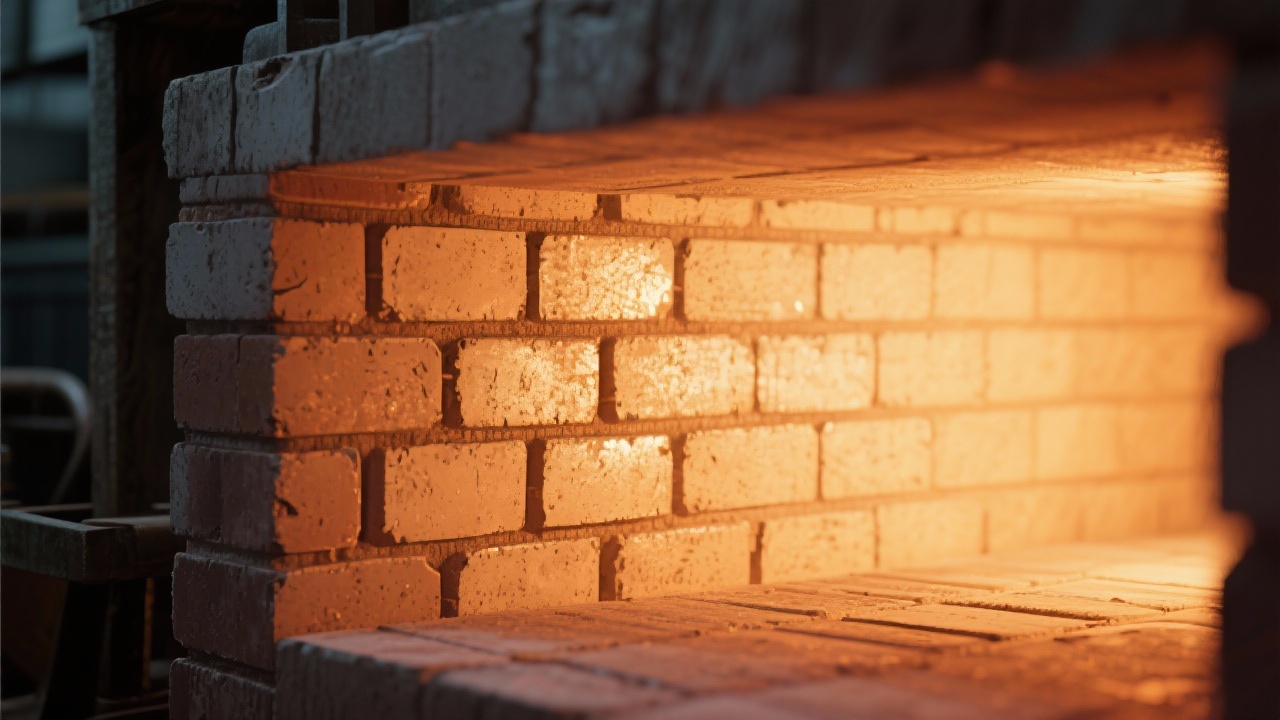
In different high - temperature industrial furnaces, such as steel blast furnaces, hot blast stoves, and glass melting furnaces, the selection of high alumina refractory clay bricks needs to be based on specific working conditions. In steel blast furnaces, bricks with high alumina content and high strength are required to withstand the high - temperature and high - pressure environment. In hot blast stoves, bricks with good thermal shock resistance are preferred to adapt to the frequent temperature changes. In glass melting furnaces, bricks with excellent corrosion resistance are needed to resist the erosion of glass melt.
During the installation process, some common problems may occur, such as brick cracking and poor joint sealing. For brick cracking, it is necessary to ensure that the bricks are not subjected to excessive stress during transportation and installation. For poor joint sealing, high - quality refractory mortar should be used, and the joint width should be strictly controlled within 2 - 3 mm. By following strict construction processes and maintenance techniques, the stability and safety of the furnace lining can be effectively guaranteed.
In conclusion, high alumina refractory clay bricks are an ideal choice for high - temperature industrial furnace linings. With their excellent performance and reliable installation technology, they can bring significant economic benefits to enterprises. If you are looking for high - quality refractory materials and professional technical support, we are here to help. Our company provides customized services and one - stop technical support to meet your specific needs.
Get Your Customized High Alumina Refractory Clay Bricks Now!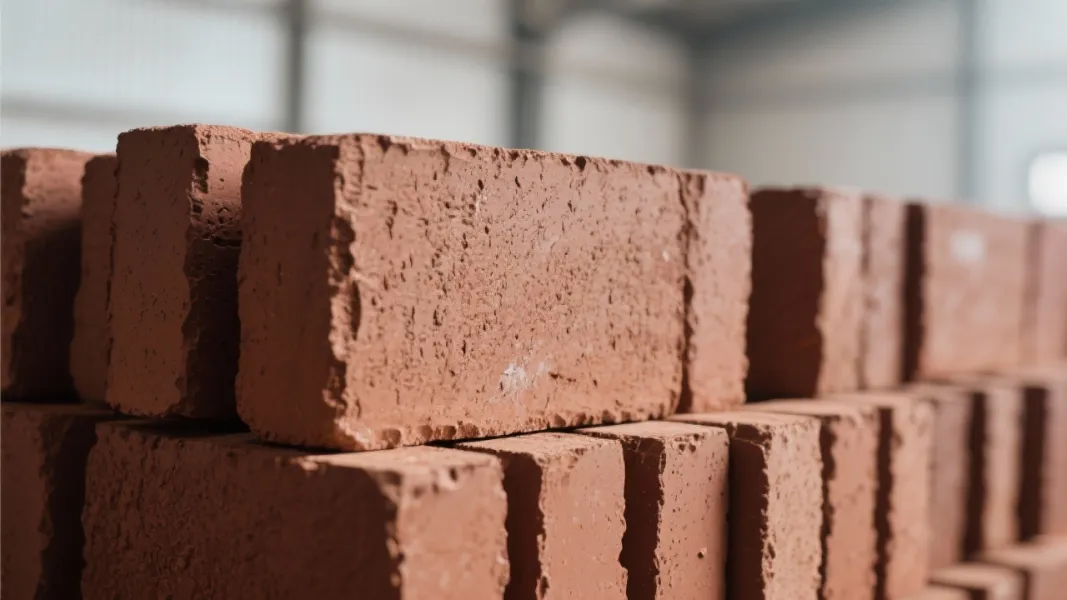
 389
|
389
|
 high alumina fireclay brick
mechanical cutting process
spherical pore structure
industrial furnace refractory
refractory brick manufacturing
high alumina fireclay brick
mechanical cutting process
spherical pore structure
industrial furnace refractory
refractory brick manufacturing
 358
|
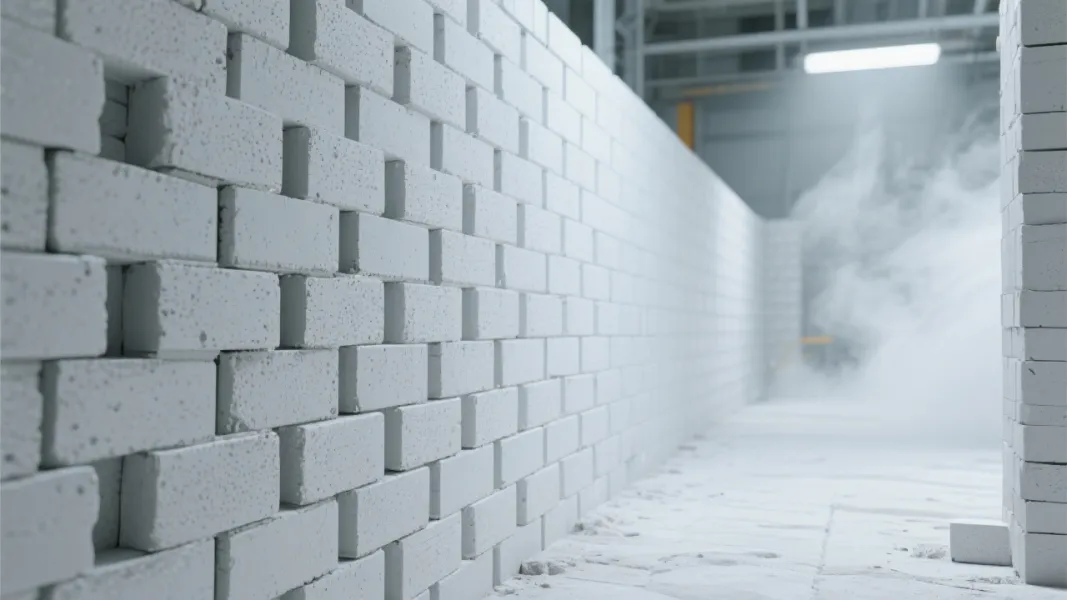
alumina refractory bricks
high temperature refractory materials
wear resistant耐火砖
fused alumina brick
kiln lining solutions
358
|
alumina refractory bricks
high temperature refractory materials
wear resistant耐火砖
fused alumina brick
kiln lining solutions
 115
|
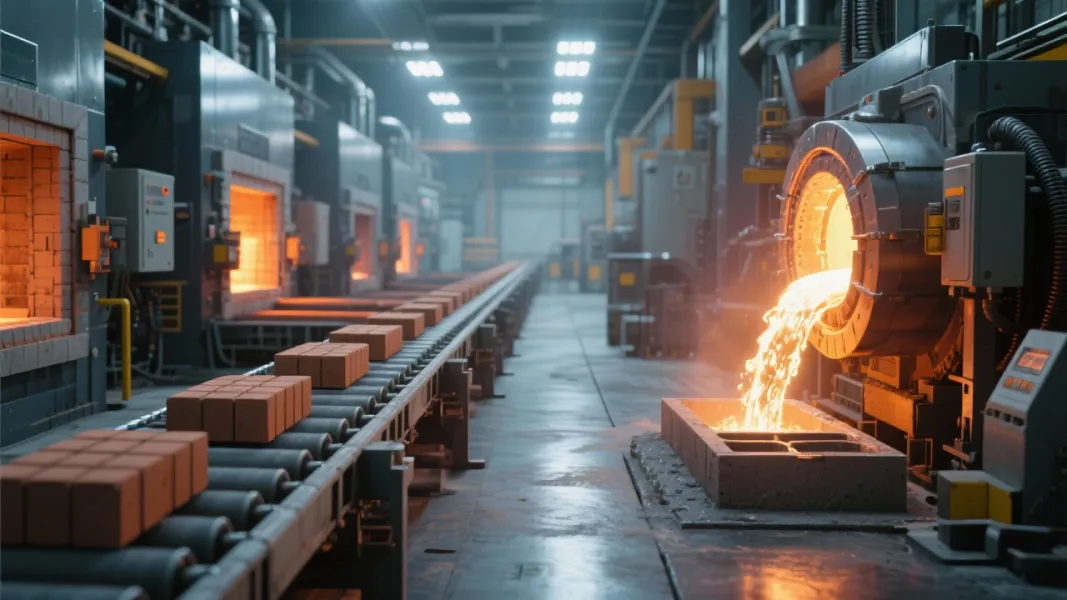
corundum refractory bricks
sintered vs fused process
refractory materials performance comparison
high-temperature corrosion resistance
refractory brick selection guide
115
|
corundum refractory bricks
sintered vs fused process
refractory materials performance comparison
high-temperature corrosion resistance
refractory brick selection guide
 244
|
corundum refractory bricks
high temperature corrosion resistant materials
alumina refractory bricks
refractory brick manufacturing process
refractory brick applications
244
|
corundum refractory bricks
high temperature corrosion resistant materials
alumina refractory bricks
refractory brick manufacturing process
refractory brick applications
 332
|
alumina refractory brick
high alumina refractory
refractory brick wear resistance
high temperature refractory
fused versus sintered refractory
332
|
alumina refractory brick
high alumina refractory
refractory brick wear resistance
high temperature refractory
fused versus sintered refractory