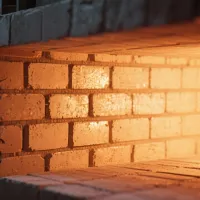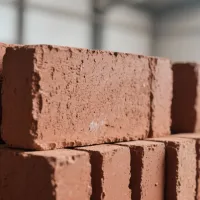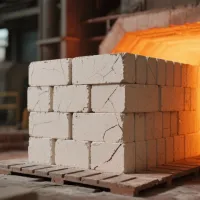
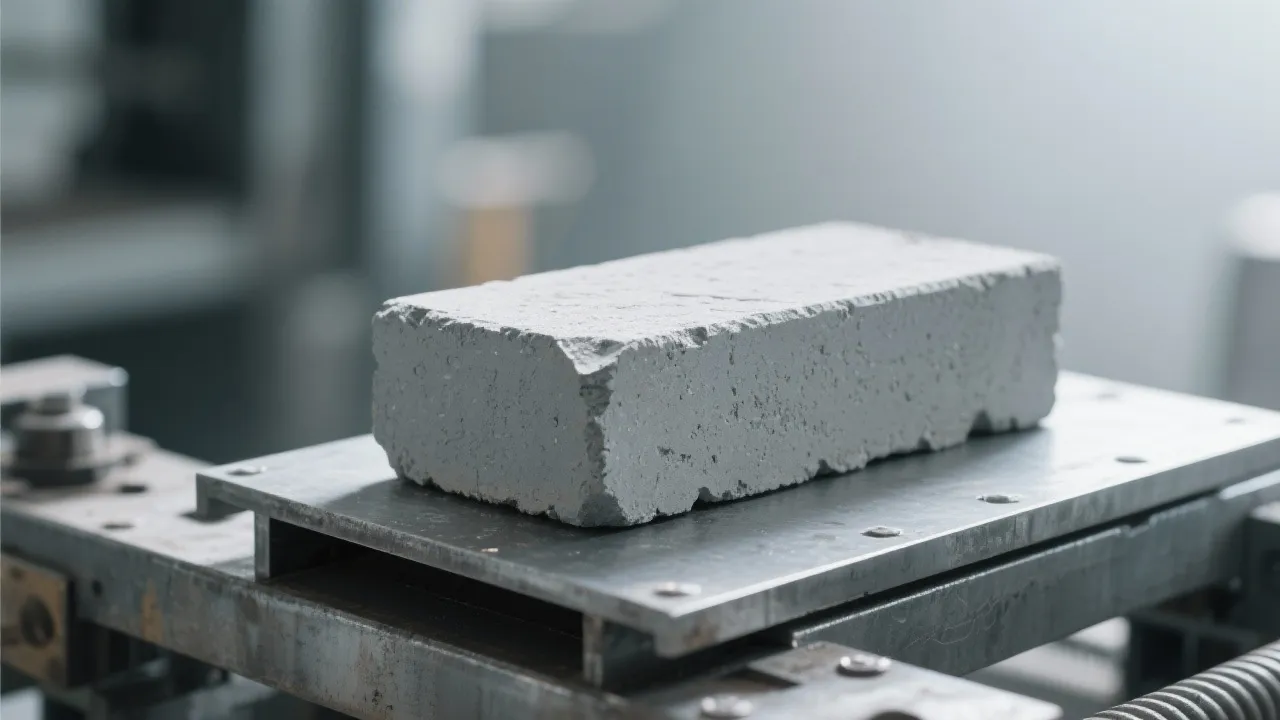
In the demanding environment of high-temperature industrial furnaces, where operating temperatures often exceed 1600°C and chemical corrosion is a constant threat, the performance of refractory linings directly impacts operational efficiency, safety, and maintenance costs. Recent industry studies indicate that optimized refractory solutions can extend furnace lining lifespan by 30-40% while reducing maintenance downtime by up to 25%. This comprehensive guide explores the material science and engineering principles behind sintered magnesia-carbon (MgO-C) bricks, offering practical insights for engineers and technical decision-makers seeking to enhance furnace performance.
According to a 2023 survey by the Refractory Materials Association, 68% of industrial furnace failures stem from improper lining design or material selection, resulting in average annual losses exceeding $2.4 million per facility due to unscheduled downtime and replacement costs.
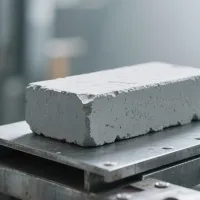
Sintered magnesia-carbon bricks represent the pinnacle of refractory technology for extreme temperature applications, combining exceptional thermal stability with remarkable chemical resistance. These advanced composites typically consist of 70-90% high-purity magnesia (MgO) aggregates, 5-20% carbon (usually graphite), and 2-5% phenolic resin binders. The unique synergy between these components results in a material that maintains structural integrity even under thermal cycling between ambient temperatures and 1800°C.
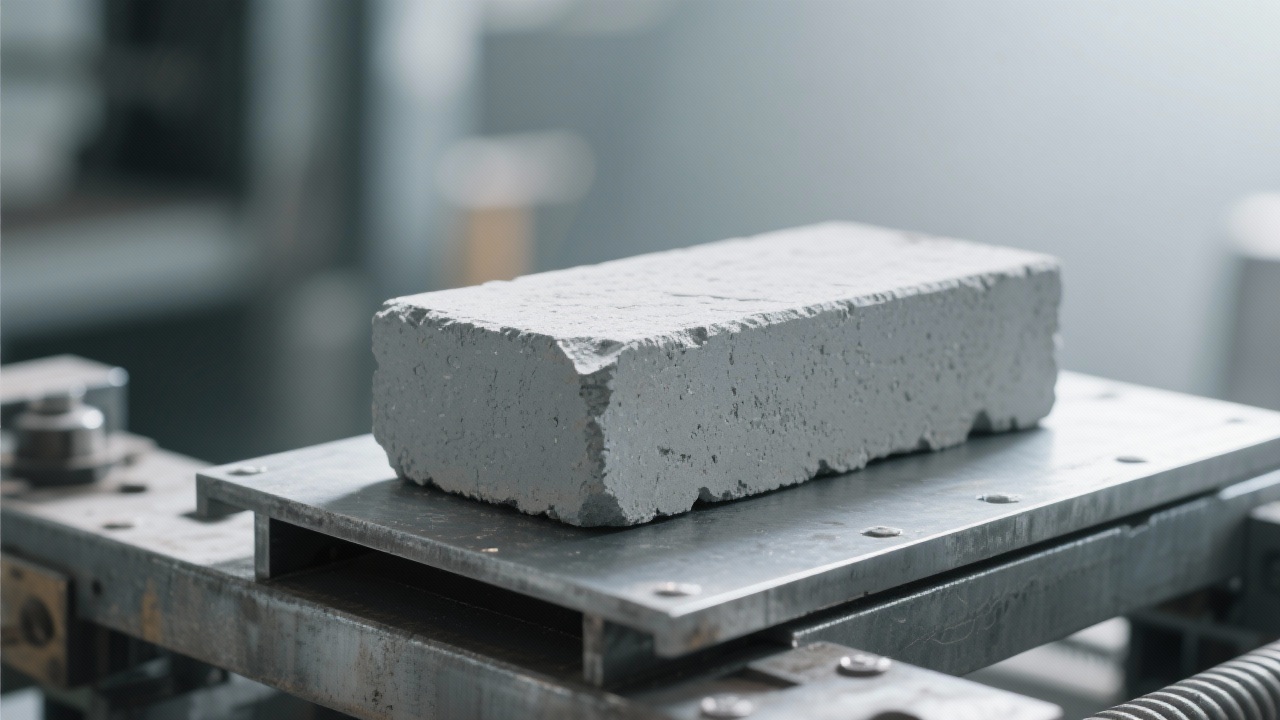
Controlling thermal conductivity is critical for energy efficiency and temperature management. By adjusting graphite content between 8-15%, engineers can tailor thermal conductivity values from 15 to 35 W/(m·K). This customization allows for precise heat retention or dissipation based on specific furnace zones. Recent innovations in graphitization processes have improved thermal shock resistance by 22% compared to conventional production methods.
Alkaline slag penetration remains one of the primary failure mechanisms in refractory linings. Through controlled addition of 3-5% antioxidants such as aluminum or silicon, the formation of protective oxide layers can be promoted, reducing slag infiltration by up to 40%. Laboratory testing has demonstrated that properly formulated MgO-C bricks can withstand continuous exposure to CaO/SiO₂ ratios exceeding 3.0 without significant degradation.
A leading steel manufacturer implemented optimized MgO-C linings in their 150-ton electric arc furnace following our three-step selection methodology. The results were impressive:
Our field-proven selection process eliminates guesswork and ensures optimal material performance:
Conduct a comprehensive assessment of operating parameters including maximum temperature (±50°C accuracy), thermal cycling frequency, slag composition, and mechanical stress factors. This data forms the foundation for material specification.
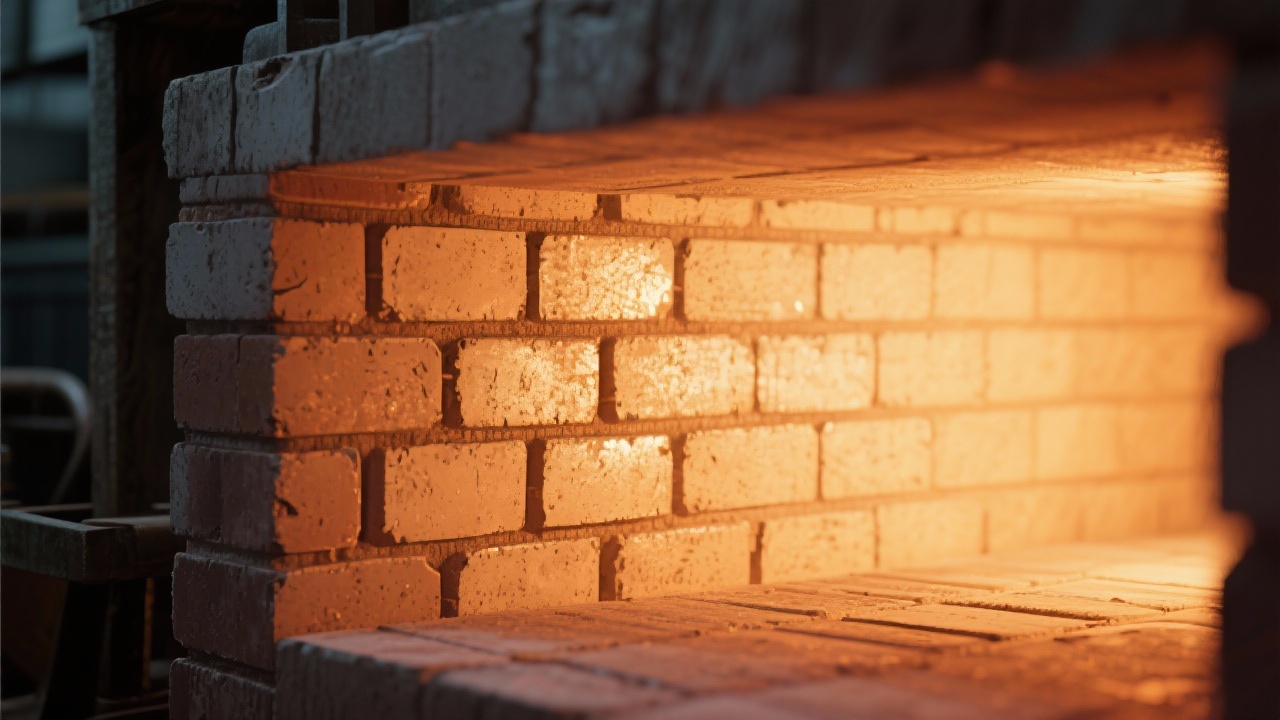
Translate operational data into specific material performance criteria, establishing minimum requirements for cold crushing strength (>60 MPa), apparent porosity (<12%), and thermal shock resistance (>30 cycles at 1100°C water quench).
Select base composition and modify additives to address specific challenges. For example, in highly reducing environments, increase carbon content to 14-16% and add 2% silicon carbide to enhance wear resistance.
Even with high-quality materials, improper design can lead to premature failure. Based on our analysis of over 120 furnace lining failures, the most frequent issues include:
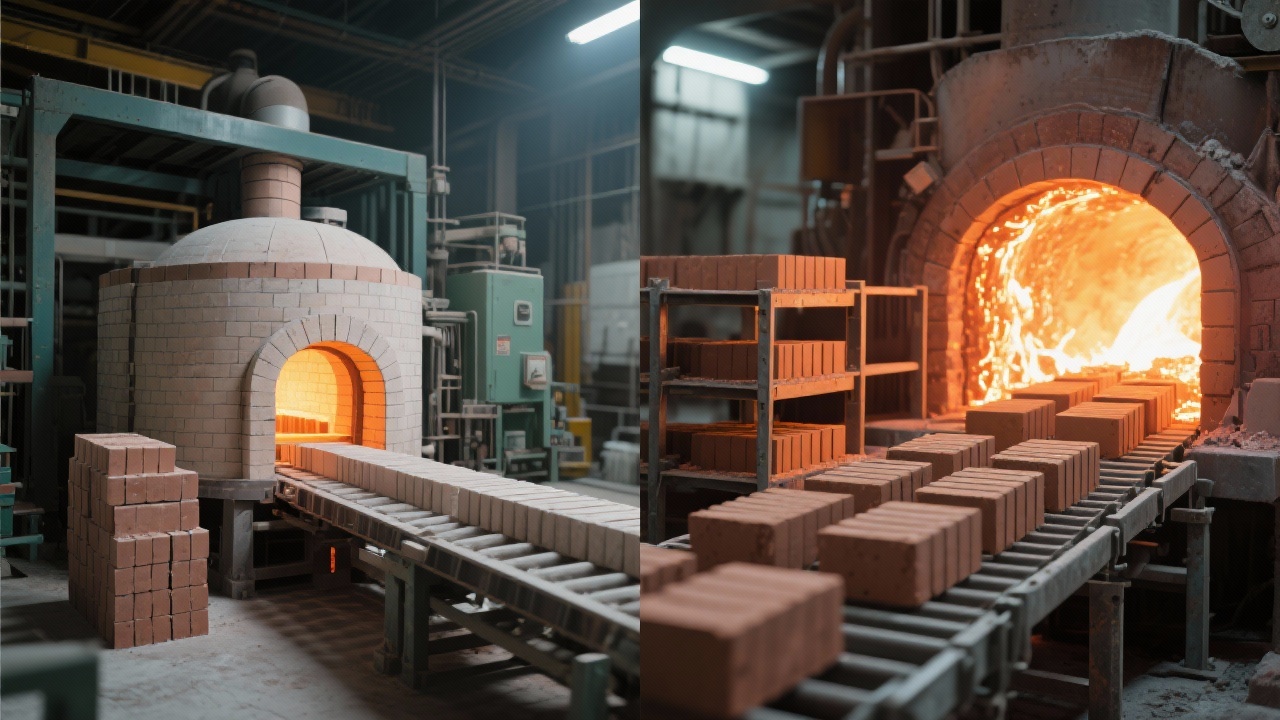
Access our exclusive resources to enhance your furnace performance:
No obligation - instant download
As industrial processes continue to push temperature limits and production demands increase, the importance of proper refractory lining design becomes ever more critical. By implementing the material science principles and selection methodologies outlined in this guide, engineers can significantly improve furnace reliability, reduce operational costs, and enhance workplace safety. The key lies in recognizing that refractory linings are not merely passive components but engineered systems that require careful consideration of operational conditions, material properties, and installation quality.
Whether you're operating electric arc furnaces, ladle furnaces, or other high-temperature equipment, the insights provided here offer a foundation for optimizing your refractory solutions. The most successful operations are those that view refractory management as an ongoing process of monitoring, analysis, and continuous improvement rather than a one-time specification decision.
 81
|
81
|
 magnesia chrome refractory brick selection
high temperature converter refractory
refractory brick抗渣能力
converter lining material
silicate bonded refractory brick
magnesia chrome refractory brick selection
high temperature converter refractory
refractory brick抗渣能力
converter lining material
silicate bonded refractory brick
 244
|
corundum refractory bricks
high temperature corrosion resistant materials
alumina refractory bricks
refractory brick manufacturing process
refractory brick applications
244
|
corundum refractory bricks
high temperature corrosion resistant materials
alumina refractory bricks
refractory brick manufacturing process
refractory brick applications
 356
|
corundum refractory bricks performance
alumina content >90%
high temperature refractory bricks
sintering vs fusion corundum bricks
refractory bricks for metallurgy
246
|
corundum refractory bricks
sintered refractory materials
fused corundum bricks
high-temperature refractory performance
corrosion-resistant refractory bricks
356
|
corundum refractory bricks performance
alumina content >90%
high temperature refractory bricks
sintering vs fusion corundum bricks
refractory bricks for metallurgy
246
|
corundum refractory bricks
sintered refractory materials
fused corundum bricks
high-temperature refractory performance
corrosion-resistant refractory bricks
 133
|
Corundum refractory bricks
High - temperature corrosion protection
Refractory material applications
Sintered corundum bricks
Fused corundum bricks
133
|
Corundum refractory bricks
High - temperature corrosion protection
Refractory material applications
Sintered corundum bricks
Fused corundum bricks