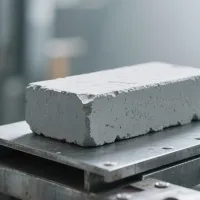
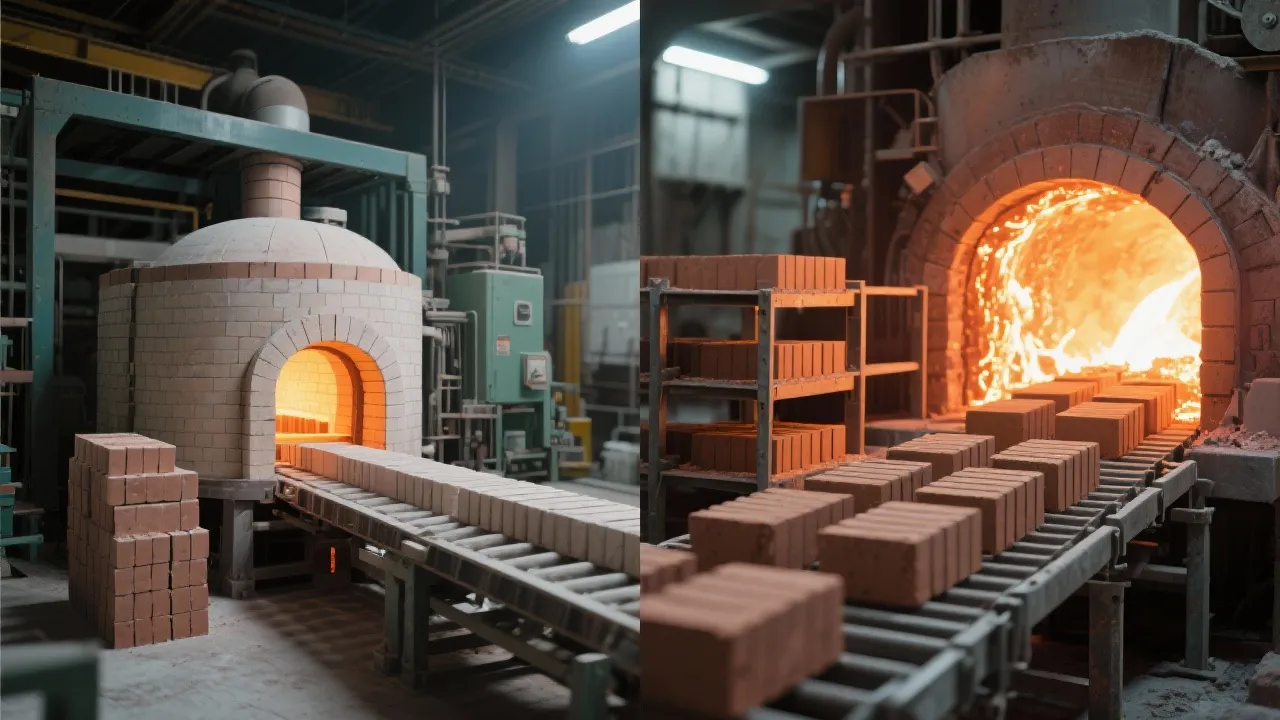
This article is tailored to the needs of procurement and technical personnel in steelmaking enterprises. It delves into the scientific selection of magnesium-chromium refractory bricks for high-temperature applications in converter linings. The key performance parameters and their on - site performance are thoroughly analyzed.
When it comes to high - temperature environments above 1550°C, several key performance parameters of magnesium - chromium refractory bricks need to be carefully considered. The refractory temperature is of utmost importance. Generally, for a working environment above 1550°C, the refractory temperature of magnesium - chromium refractory bricks should be at least 1700°C to ensure long - term stability. According to industry standards such as ISO 1005 - 1, the refractory temperature is a crucial indicator for evaluating the heat - resistance of refractory materials.
Volume stability is another vital parameter. During the high - temperature operation of the converter, bricks with poor volume stability may crack or deform, which can lead to safety hazards. A good magnesium - chromium refractory brick should have a volume change rate of less than 1% after being heated at 1600°C for 3 hours.
The thermal expansion coefficient also plays a significant role. A lower thermal expansion coefficient means that the brick is less likely to crack due to temperature changes. For magnesium - chromium refractory bricks used in high - temperature converters, the linear thermal expansion coefficient at 1000 - 1600°C should be within 0.8 - 1.2%.
Resistance to slag is essential as well. In the converter, the slag can corrode the refractory lining. High - quality magnesium - chromium refractory bricks should have a slag corrosion rate of less than 5% after being in contact with slag at 1600°C for 5 hours.
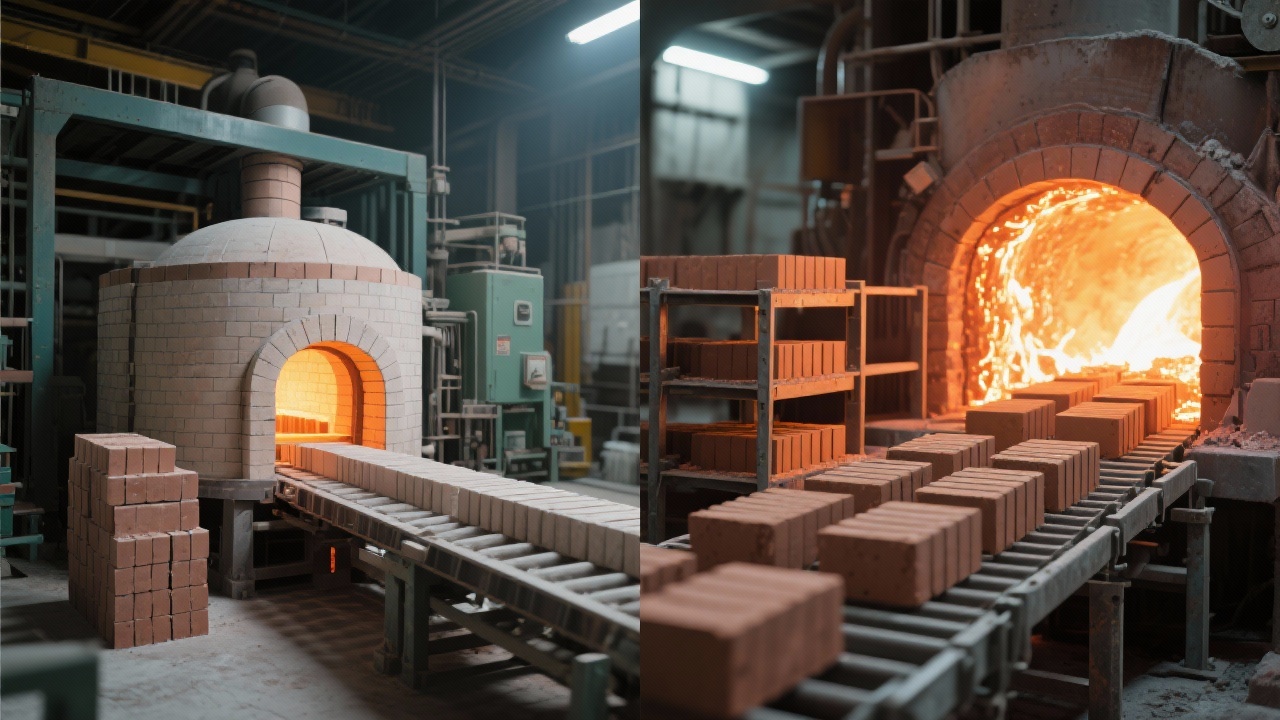
The silicate bonding process significantly enhances the comprehensive performance of magnesium - chromium refractory bricks. This process can improve the strength and density of the bricks. By forming a stable silicate bond between the particles, the bricks become more resistant to high - temperature erosion and mechanical wear. Compared with traditional bonding processes, the silicate - bonded magnesium - chromium refractory bricks have a 20% higher compressive strength and a 15% lower porosity.
| Parameter | Standard Requirement | Field Test Method |
|---|---|---|
| Refractory Temperature | ≥1700°C | Use a high - temperature furnace to heat a sample and observe the melting state |
| Volume Stability | Volume change rate ≤1% at 1600°C for 3 hours | Measure the volume before and after heating in a high - temperature environment |
| Thermal Expansion Coefficient | 0.8 - 1.2% at 1000 - 1600°C | Use a dilatometer to measure the length change during heating |
| Resistance to Slag | Slag corrosion rate ≤5% at 1600°C for 5 hours | Immerse the sample in slag at high temperature and measure the weight loss |
A steelmaking enterprise in Europe once faced the problem of short furnace lining life. After using our recommended magnesium - chromium refractory bricks with the silicate bonding process, the furnace lining life was extended from 800 heats to 1200 heats, which significantly improved the production efficiency and reduced the maintenance cost. This case clearly shows the effectiveness of proper material selection.
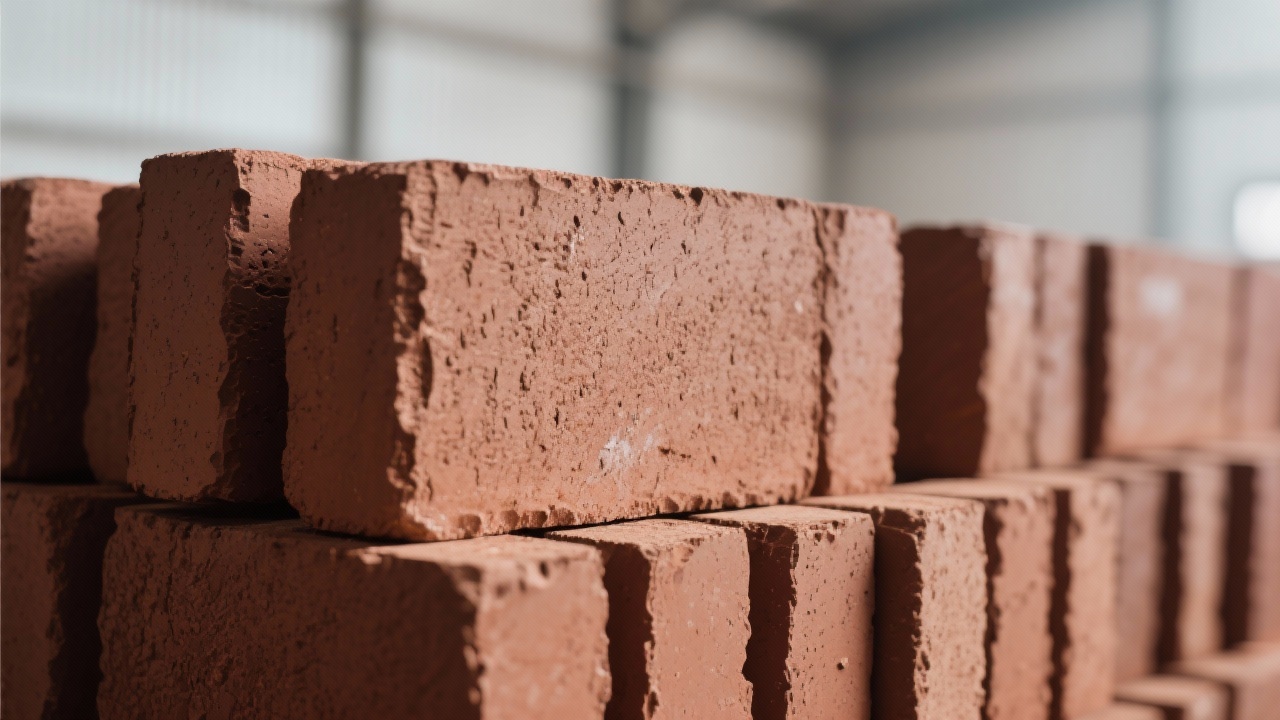
In conclusion, for steelmaking enterprises, choosing the right magnesium - chromium refractory bricks for high - temperature converter linings is crucial for achieving economic, efficient, and safe operation. By carefully considering the key performance parameters, taking advantage of the silicate bonding process, and referring to the selection checklist and case studies, procurement and technical personnel can make more scientific decisions.
Explore High - Quality Magnesium - Chromium Refractory Bricks Now!
 326
|
326
|
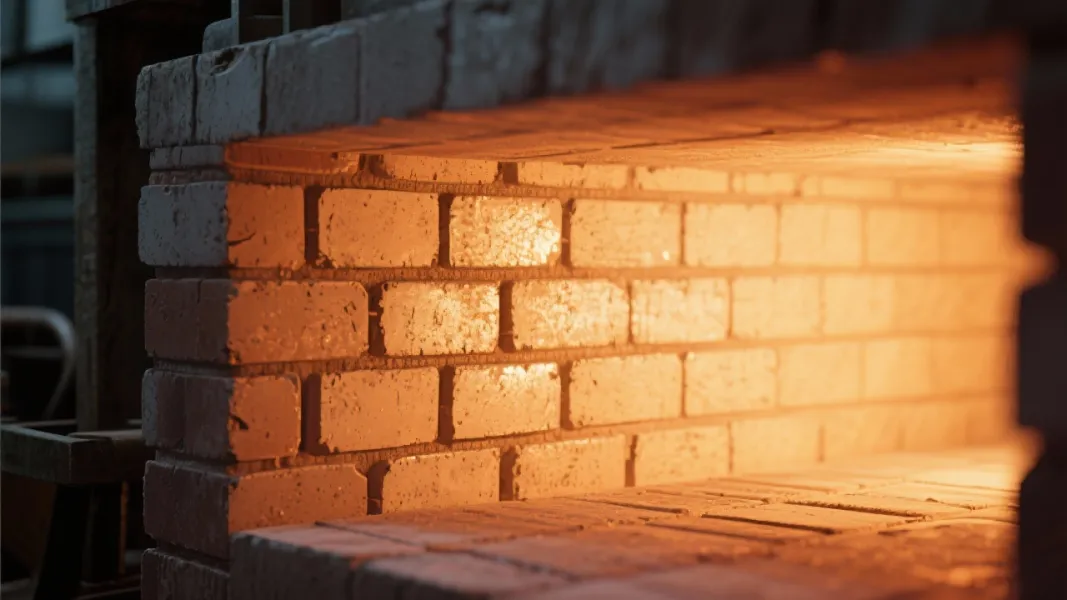
 Corundum refractory bricks
High alumina content
Wear resistance
Refractoriness of 1700°C
Metallurgical furnace refractory materials
Corundum refractory bricks
High alumina content
Wear resistance
Refractoriness of 1700°C
Metallurgical furnace refractory materials
 298
|
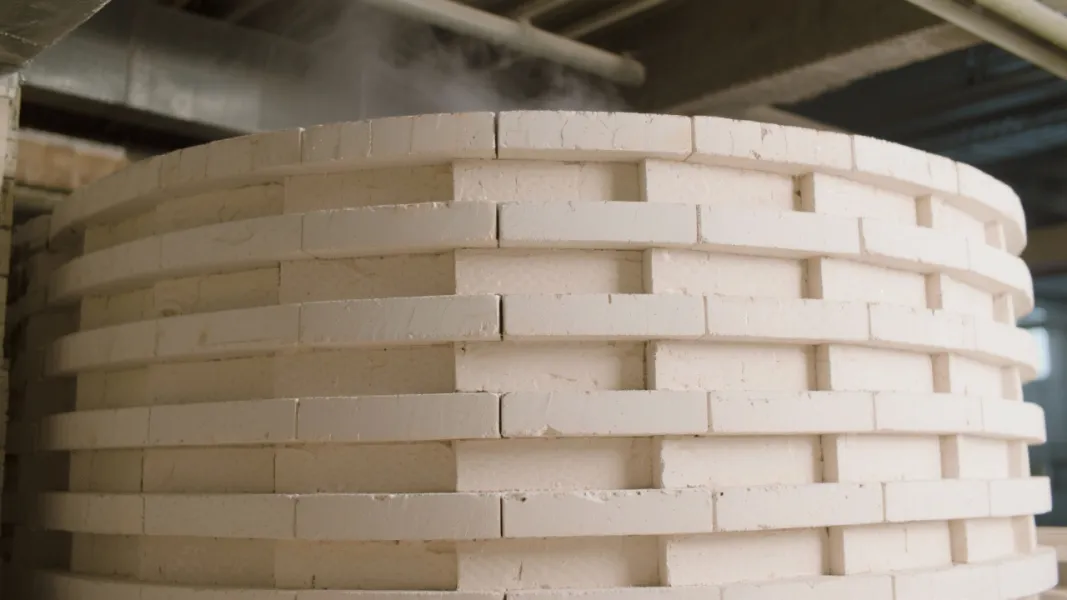
high alumina fireclay brick
refractory lining technology
industrial furnace耐火材料
mechanical cutting process for refractory bricks
thermal shock resistant brick
298
|
high alumina fireclay brick
refractory lining technology
industrial furnace耐火材料
mechanical cutting process for refractory bricks
thermal shock resistant brick
 314
|
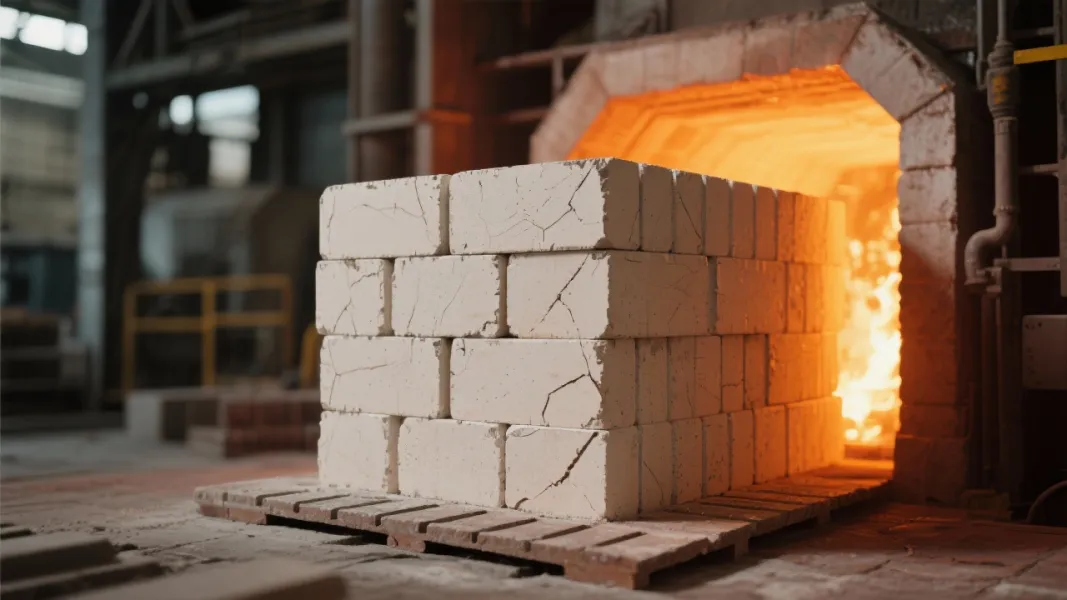
High - alumina refractory bricks
Hot blast stove lining
Thermal shock resistance
Low thermal conductivity
Refractory material application
314
|
High - alumina refractory bricks
Hot blast stove lining
Thermal shock resistance
Low thermal conductivity
Refractory material application
 192
|
high-alumina refractory bricks
industrial furnace lining solutions
refractory material selection guide
spherical pore structure refractory bricks
thermal shock resistant refractory materials
410
|
High - alumina refractory clay bricks
Low thermal conductivity
Thermal shock resistance
Glass furnace lining
Wear - and corrosion - resistant refractory bricks
192
|
high-alumina refractory bricks
industrial furnace lining solutions
refractory material selection guide
spherical pore structure refractory bricks
thermal shock resistant refractory materials
410
|
High - alumina refractory clay bricks
Low thermal conductivity
Thermal shock resistance
Glass furnace lining
Wear - and corrosion - resistant refractory bricks