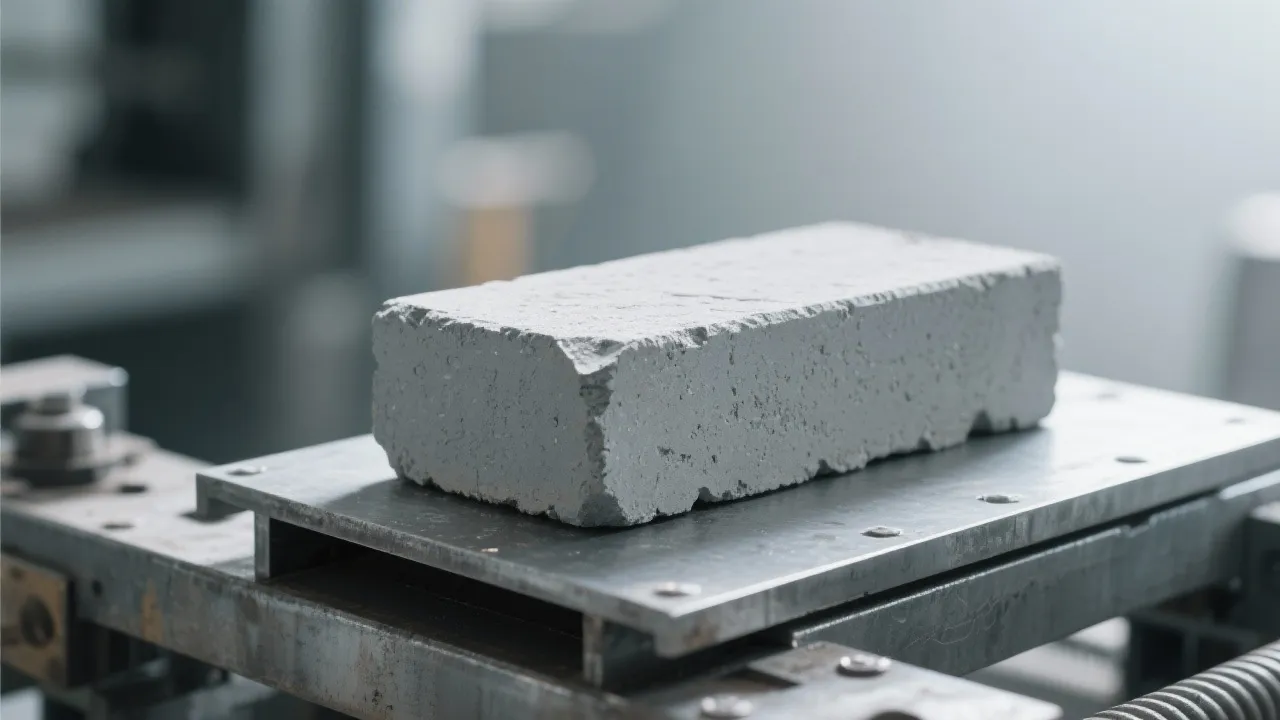
In the realm of high-temperature industrial furnaces, the design of refractory linings is a critical aspect that directly impacts furnace performance, longevity, and overall efficiency. This article delves deep into the design strategies of refractory linings, with a particular focus on the outstanding corrosion resistance and thermal conductivity characteristics of sintered magnesia-carbon bricks in strong alkali environments.
Sintered magnesia-carbon bricks are primarily composed of high-purity magnesia and carbonaceous materials. The high-purity magnesia provides excellent high-temperature stability and resistance to basic slag corrosion. Typically, the magnesia content can reach up to 80% - 90%. The carbonaceous materials, such as graphite, enhance the thermal shock resistance and improve the overall strength of the bricks. The optimal proportion of carbon is generally around 5% - 20%, which has been proven by extensive practical applications.
The unique combination of these materials endows sintered magnesia-carbon bricks with superior performance in high-temperature and strong alkali environments. For example, compared with traditional refractory materials, the corrosion rate of sintered magnesia-carbon bricks in strong alkali slag can be reduced by up to 50%.
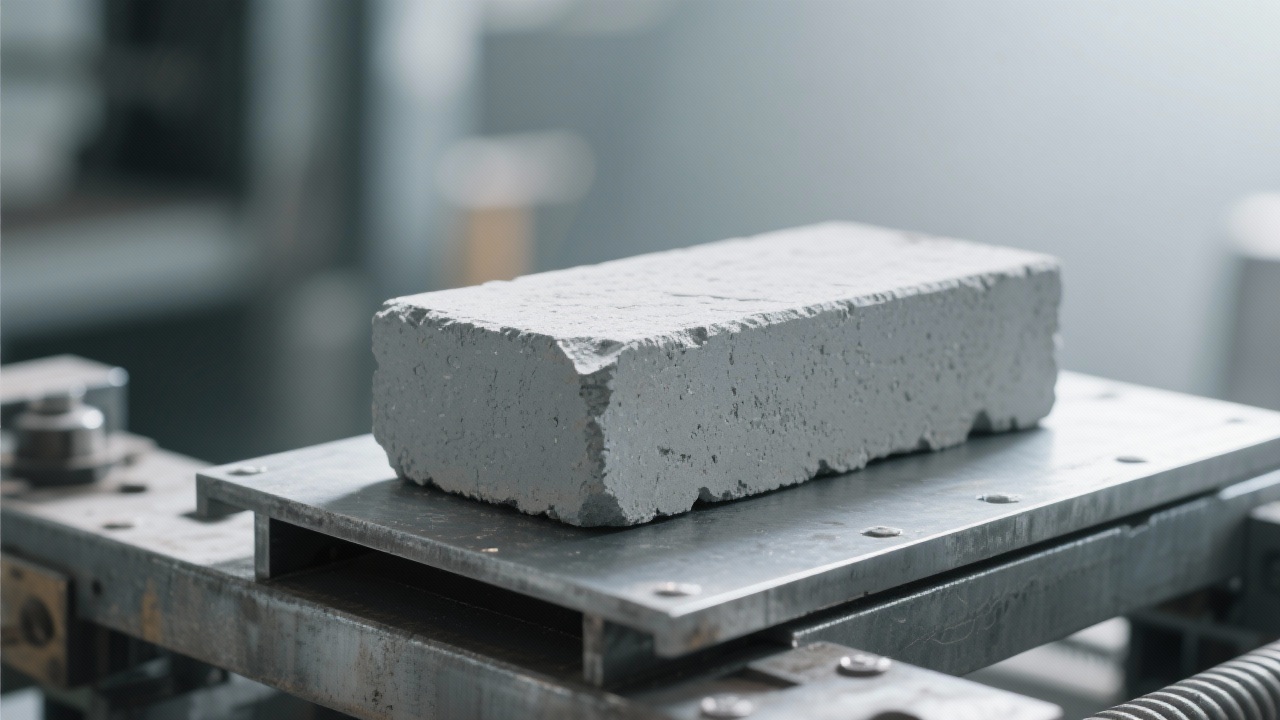
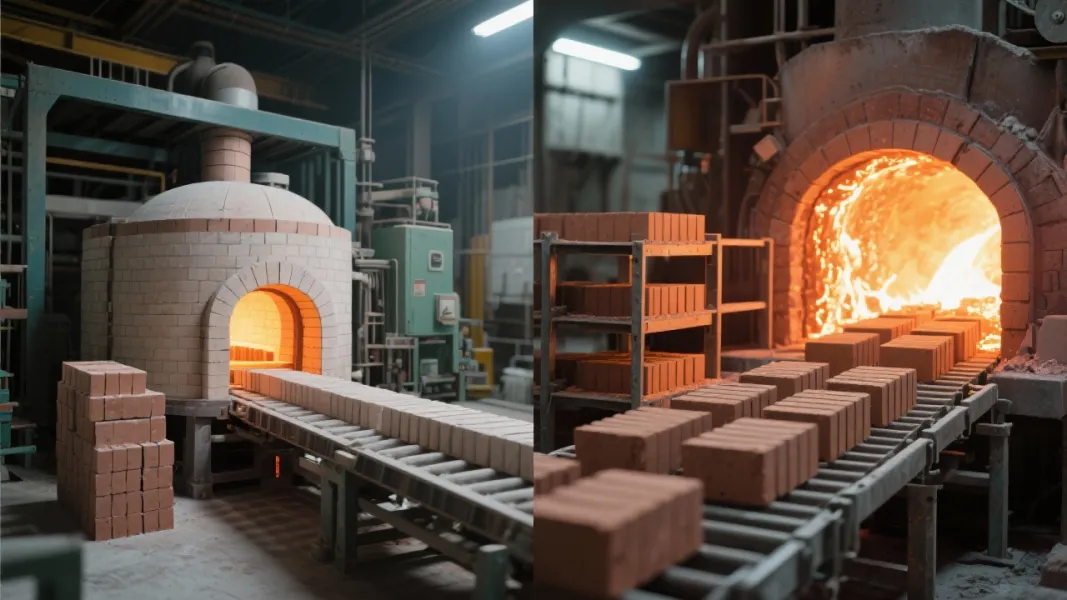
The preparation process of sintered magnesia-carbon bricks includes raw material mixing, molding, and high-temperature sintering. Precise control of each step is crucial for the final performance of the bricks. During the raw material mixing process, the particle size distribution and mixing uniformity of the materials will affect the density and strength of the bricks. For example, using a specific particle grading can increase the bulk density of the bricks by about 10%.
The molding pressure also plays a significant role. A higher molding pressure can improve the compactness of the green body, which is beneficial for the subsequent sintering and performance improvement. Finally, high-temperature sintering at a temperature of around 1600 - 1800°C can further enhance the crystal structure and strength of the bricks, making them more resistant to high temperatures and corrosion.
In terms of corrosion resistance, sintered magnesia-carbon bricks can form a stable protective layer on the surface when exposed to strong alkali environments. This protective layer effectively prevents the penetration of alkali substances and reduces the corrosion rate. Research shows that in a high-temperature strong alkali environment, the service life of furnaces lined with sintered magnesia-carbon bricks can be extended by 2 - 3 times compared with ordinary refractory linings.
Regarding thermal conductivity, the carbon in the bricks provides good thermal conductivity, which helps to evenly distribute heat in the furnace and improve thermal efficiency. The thermal conductivity of sintered magnesia-carbon bricks is generally 2 - 3 times higher than that of some traditional refractory materials, which is very beneficial for energy conservation and emission reduction in industrial furnaces.
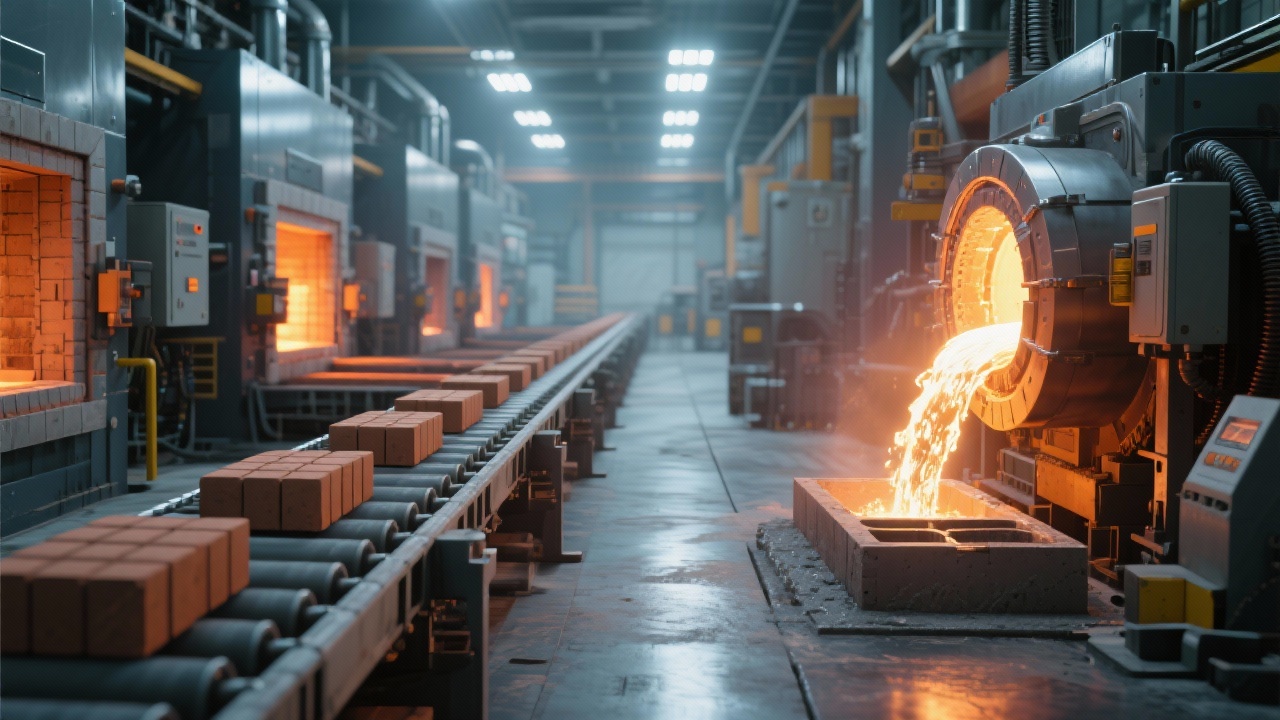
In the steelmaking industry, sintered magnesia-carbon bricks have been widely used in arc furnace tapping holes and converter slag lines. In arc furnaces, the high thermal shock resistance and corrosion resistance of sintered magnesia-carbon bricks ensure the stable operation of the tapping holes, reducing the frequency of repairs and replacements. For example, in a large-scale steel plant, after using sintered magnesia-carbon bricks in the arc furnace tapping hole, the repair interval has been extended from 10 - 15 heats to 30 - 40 heats.
In converter slag lines, the severe corrosion environment requires refractory materials with excellent corrosion resistance. Sintered magnesia-carbon bricks can well meet this requirement, effectively protecting the furnace lining. The use of these bricks has increased the number of converter heats from 1500 - 2000 to 3000 - 4000, greatly improving production efficiency.
When selecting refractory materials, engineers can follow a three-step material selection method. First, understand the specific working environment of the furnace, including temperature, corrosive medium, and thermal shock conditions. Second, evaluate the performance parameters of different materials, such as corrosion resistance, thermal conductivity, and mechanical strength. Third, consider the cost and supply stability of the materials.
Common mistakes in furnace lining design include ignoring the compatibility between different refractory materials, improper installation procedures, and lack of regular maintenance. Avoiding these mistakes can significantly improve the service life and performance of the furnace lining.
We encourage you to share your experiences and questions about the design of high-temperature industrial furnace refractory linings and the application of sintered magnesia-carbon bricks. Do you have any unique insights or challenges in your actual work? Let's discuss together and find better solutions.
Are you looking for high-quality sintered magnesia-carbon bricks to improve your furnace performance? Click here to learn more!
 398
|
398
|
 high-alumina fireclay bricks
industrial furnace lining materials
refractory brick selection
thermal shock resistant bricks
furnace installation guide
high-alumina fireclay bricks
industrial furnace lining materials
refractory brick selection
thermal shock resistant bricks
furnace installation guide
 38
|
high alumina fire clay brick
industrial furnace lining
refractory material technology
thermal shock resistant brick
custom refractory solution
38
|
high alumina fire clay brick
industrial furnace lining
refractory material technology
thermal shock resistant brick
custom refractory solution
 141
|
Corundum refractory bricks
High alumina content
Refractoriness of 1700°C
Wear resistance
Sintering and melting processes
141
|
Corundum refractory bricks
High alumina content
Refractoriness of 1700°C
Wear resistance
Sintering and melting processes
 253
|
Magnesia-chrome refractory bricks
Converter lining selection
High-temperature converter refractories
Thermal shock resistance
Slag resistance of refractory bricks
253
|
Magnesia-chrome refractory bricks
Converter lining selection
High-temperature converter refractories
Thermal shock resistance
Slag resistance of refractory bricks
 461
|
high alumina refractory brick
low thermal conductivity refractory
corrosion resistant firebrick
industrial furnace lining
hot blast stove refractory
461
|
high alumina refractory brick
low thermal conductivity refractory
corrosion resistant firebrick
industrial furnace lining
hot blast stove refractory