In the high - temperature industrial furnace industry, the lining refractory bricks play a crucial role. However, traditional high - alumina clay bricks often face issues such as high thermal conductivity and insufficient thermal shock resistance. This article will take Huanai high - alumina refractory bricks as an example to provide in - depth analysis and practical solutions.
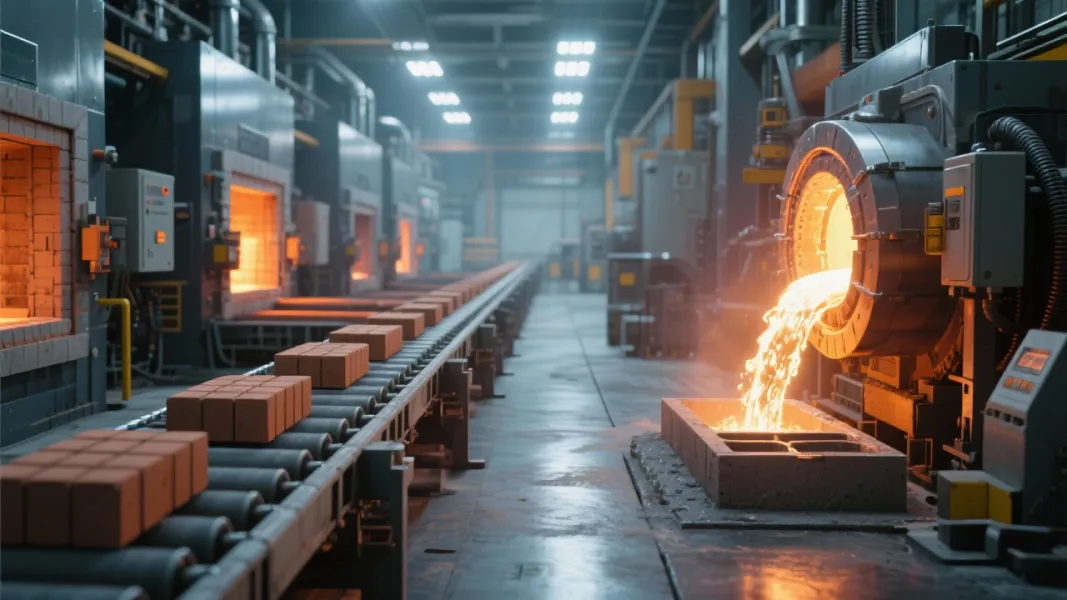
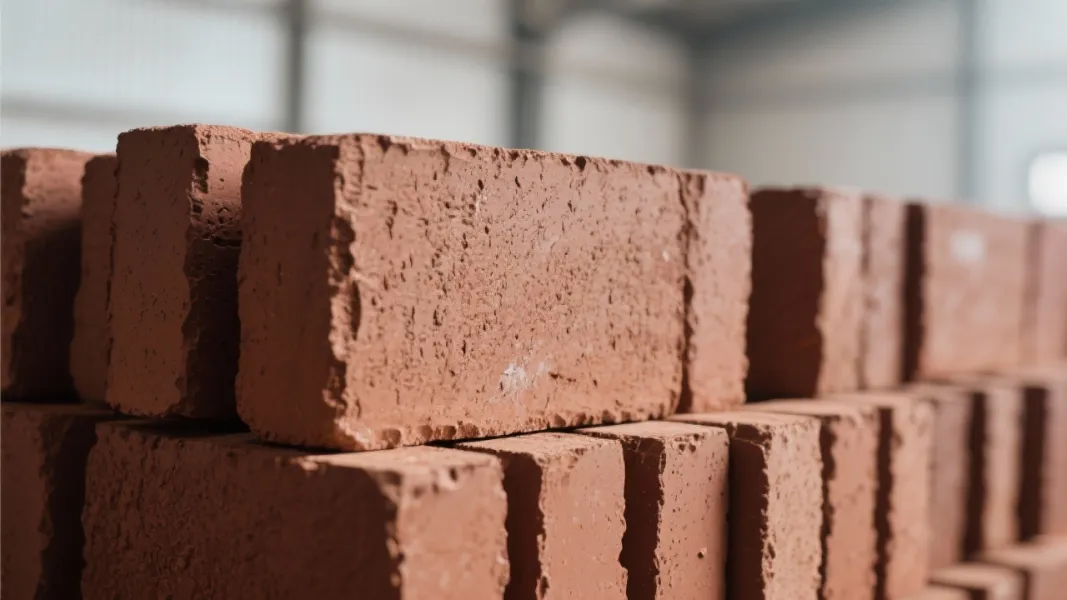
High - alumina refractory clay bricks in high - temperature industrial furnaces may experience various failure scenarios. The material composition is a key factor. For instance, improper proportions of alumina and other components can lead to changes in the physical and chemical properties of the bricks. The microscopic structure design is also significant. The unique spherical pore structure of Huanai high - alumina refractory bricks can effectively improve their performance. Meanwhile, the mechanical cutting process affects the dimensional accuracy. Deviations in size can lead to installation problems and reduced overall performance of the furnace lining.
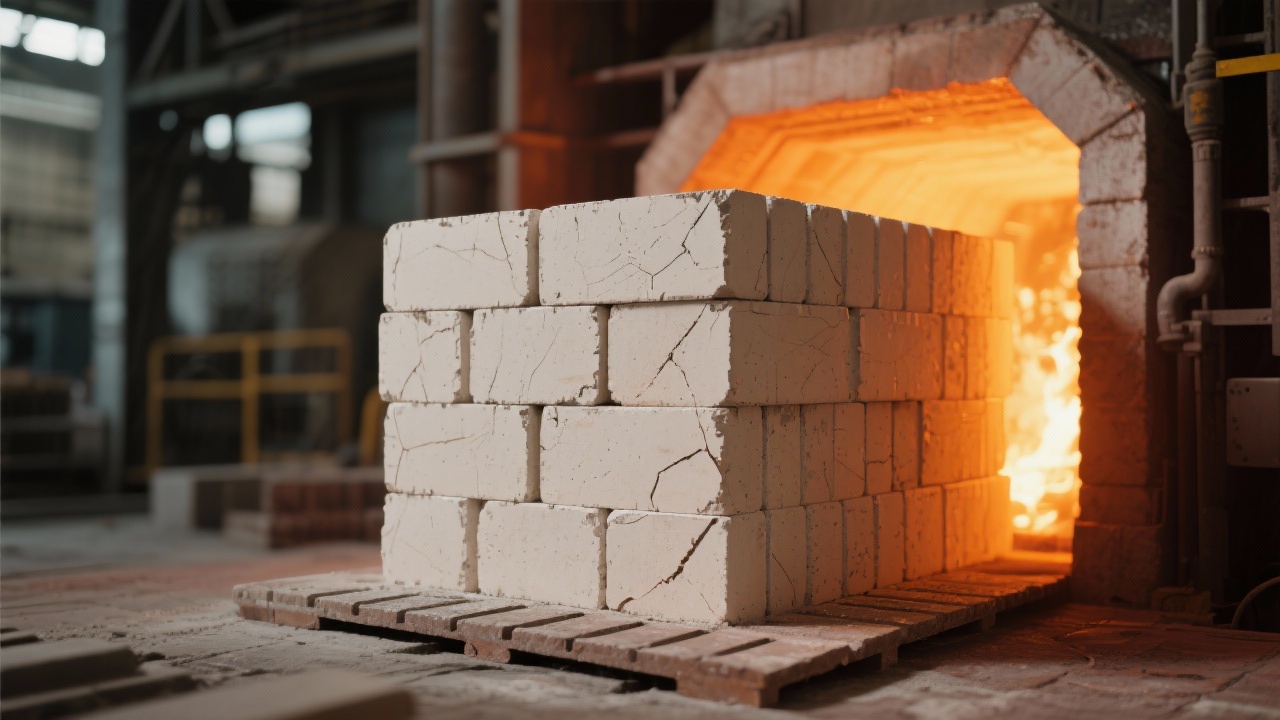
The low thermal conductivity of Huanai high - alumina refractory bricks is one of their core advantages. According to experimental data, their thermal conductivity is ≤0.8 W/m·K. This low thermal conductivity greatly reduces heat loss in the furnace. In a steel plant, the use of these bricks can save a significant amount of energy. The following is a table showing the heat loss comparison between traditional bricks and Huanai bricks:
| Brick Type | Thermal Conductivity (W/m·K) | Heat Loss (kW) |
|---|---|---|
| Traditional High - Alumina Clay Bricks | 1.5 - 2.0 | 15 - 20 |
| Huanai High - Alumina Refractory Bricks | ≤0.8 | 5 - 8 |
Moreover, the high density and wear resistance of these bricks can significantly extend their service life. In a high - temperature environment of 1100℃, the thermal shock stability test shows that Huanai bricks can withstand water - cooling cycles of ≥50 times without cracking.
Different working conditions, such as hot blast stoves and glass melting furnaces, require different types of refractory bricks. For hot blast stoves with high - temperature and high - pressure conditions, Huanai high - alumina refractory bricks with excellent thermal shock resistance are recommended. When it comes to glass melting furnaces, bricks with better chemical stability should be selected. During construction, attention should be paid to controlling installation errors and optimizing the masonry process. In a real - world project for a steel plant, by adjusting the installation process, the accuracy error was controlled within ±1mm, which effectively improved the quality of the furnace lining.
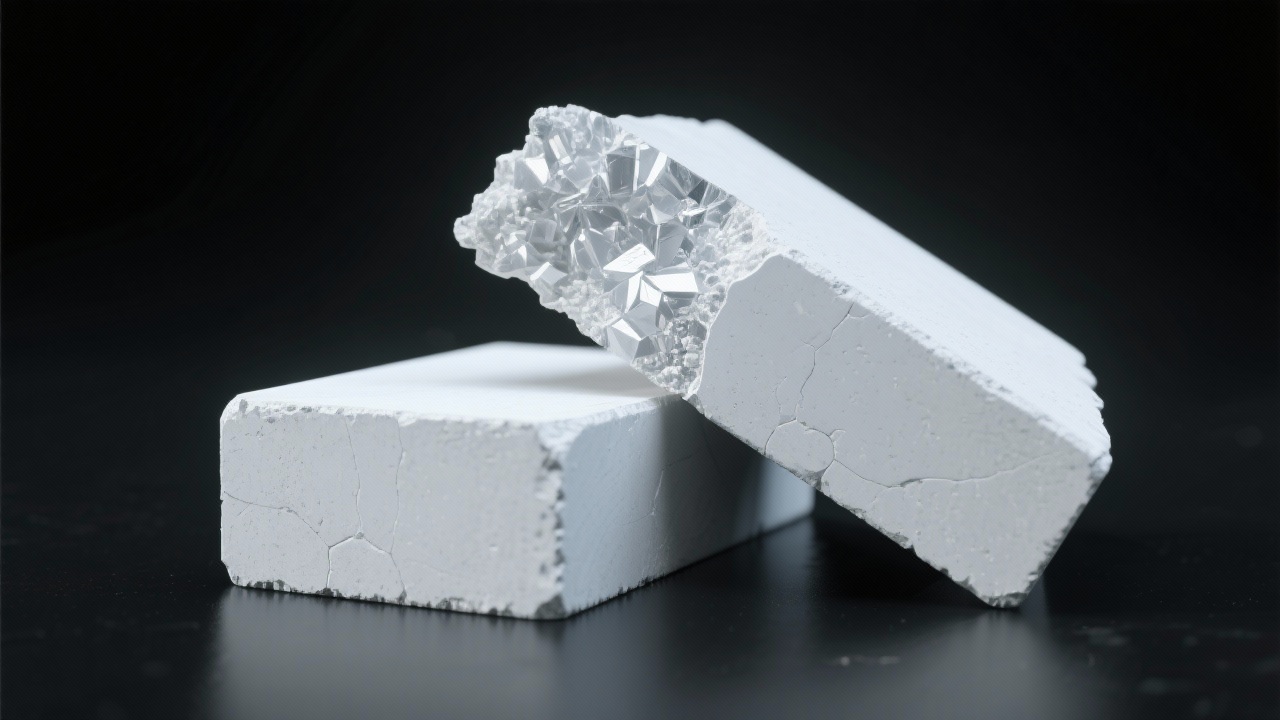
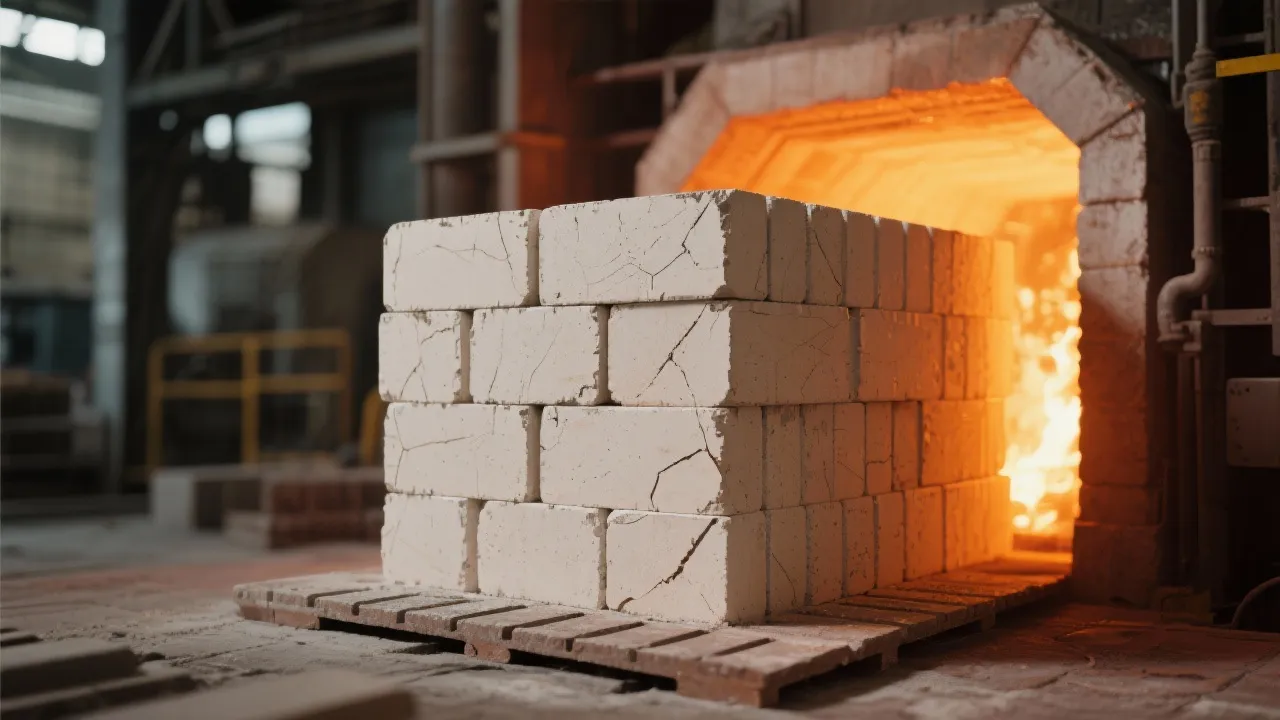
In practical applications, problems such as cracking and spalling of refractory bricks often occur. Cracking may be caused by thermal stress concentration, while spalling can result from chemical corrosion and mechanical impact. Based on real - world project cases, this article provides systematic solutions. For example, by improving the material formula and optimizing the heat treatment process, the thermal shock resistance of the bricks can be enhanced, reducing the occurrence of cracking. In a glass factory project, after implementing these solutions, the occurrence of cracking and spalling problems was reduced by 40%, and the service life of the furnace lining was increased by more than 30%.
We understand that each customer has unique needs. That's why we offer technical support and customized services. Our professional technical team can provide on - site guidance during installation and construction, ensuring the best performance of the refractory bricks. A customer feedback quote: "With the help of their technical team, our furnace lining problems were effectively solved, and the energy consumption was significantly reduced."
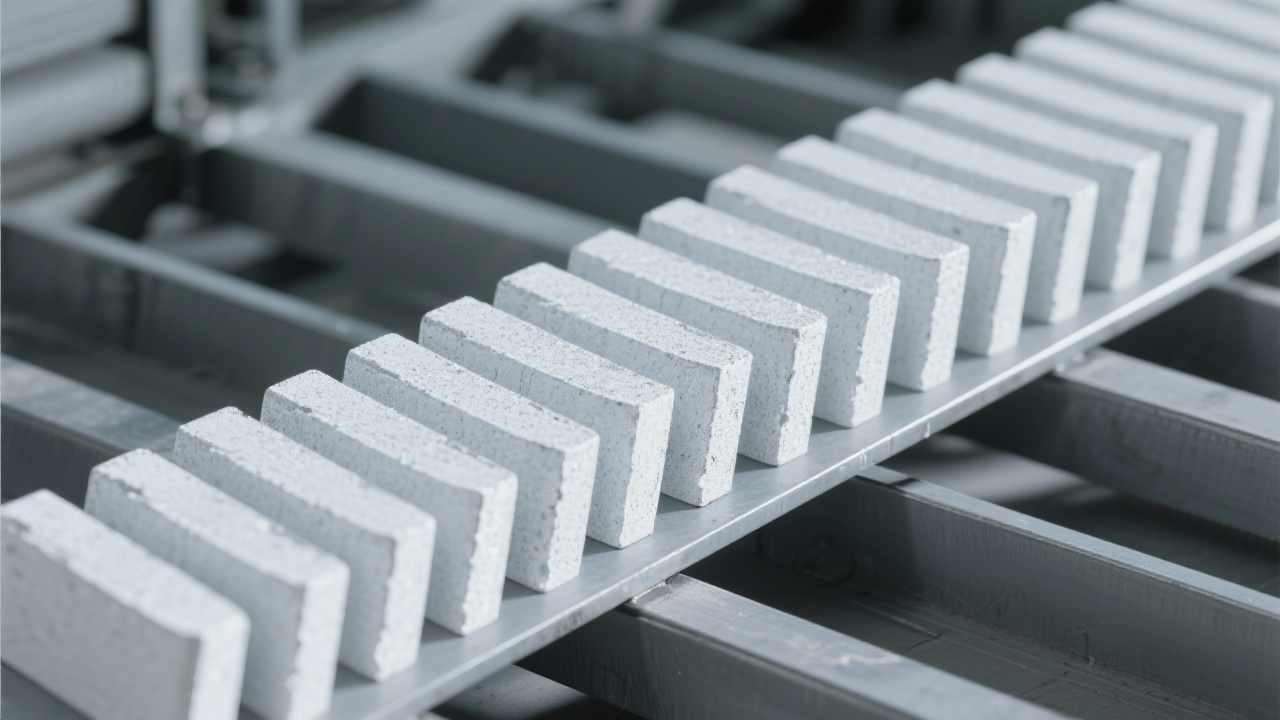
If you are facing problems with high - temperature industrial furnace linings or want to optimize your furnace performance, immediately contact our technical team at CTA - URL to get a customized solution for your specific furnace type.
 286
|
286
|
 high-alumina fireclay bricks
refractory brick composition
spherical pore structure
mechanical cutting process
high-temperature furnace lining
high-alumina fireclay bricks
refractory brick composition
spherical pore structure
mechanical cutting process
high-temperature furnace lining
 389
|
high alumina fireclay brick
mechanical cutting process
spherical pore structure
industrial furnace refractory
refractory brick manufacturing
115
|
corundum refractory bricks
sintered vs fused process
refractory materials performance comparison
high-temperature corrosion resistance
refractory brick selection guide
389
|
high alumina fireclay brick
mechanical cutting process
spherical pore structure
industrial furnace refractory
refractory brick manufacturing
115
|
corundum refractory bricks
sintered vs fused process
refractory materials performance comparison
high-temperature corrosion resistance
refractory brick selection guide
 284
|
corundum refractory bricks
refractoriness 1700°C
sintered corundum bricks
fused corundum bricks
refractory material performance
284
|
corundum refractory bricks
refractoriness 1700°C
sintered corundum bricks
fused corundum bricks
refractory material performance
 175
|
corundum refractory brick
high-alumina refractory materials
refractory brick service life improvement
refractory material applications
alumina content over 90%
175
|
corundum refractory brick
high-alumina refractory materials
refractory brick service life improvement
refractory material applications
alumina content over 90%