

Corundum refractory bricks are widely used in various high - temperature industries such as metallurgy and glass. Selecting the appropriate manufacturing process is crucial for ensuring the quality of export projects. This article delves deep into the sintering and melting processes of corundum refractory bricks, aiming to help technical decision - makers in export projects accurately grasp the key points of product quality assurance.
Corundum refractory bricks are characterized by high - purity alumina components, excellent cold - crushing strength, wear resistance, and high - temperature refractory performance. With an alumina content of up to 90% or more, they can withstand extremely high temperatures. For example, in some high - end applications, their cold - crushing strength can reach over 300 MPa, which is far higher than ordinary refractory materials.
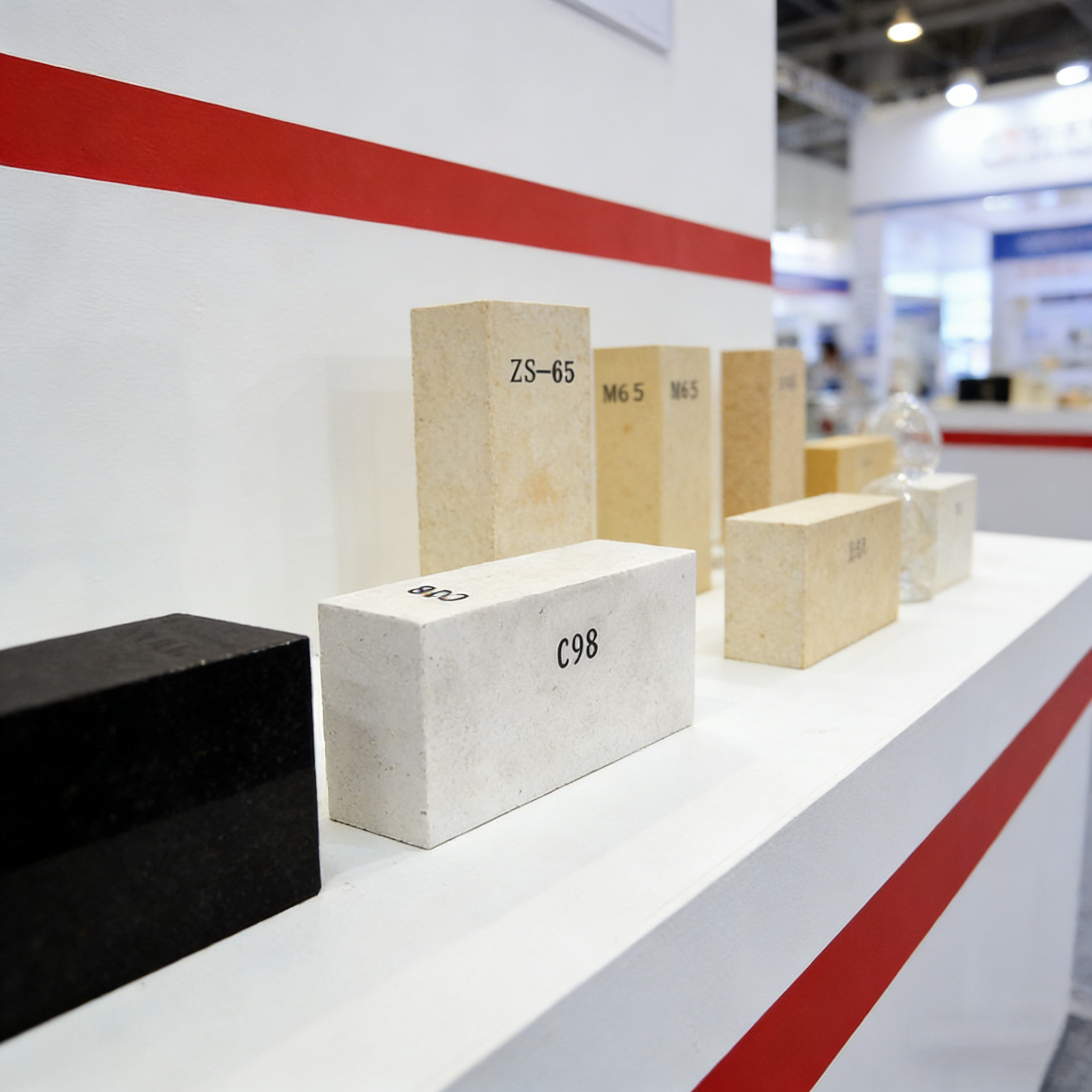
The sintering process involves compacting raw materials and then heating them at high temperatures to form a dense structure. In contrast, the melting process melts the raw materials and then solidifies them. These two processes have different impacts on the durability and performance stability of the products. The sintered corundum refractory bricks generally have better porosity control, which can improve the insulation performance. On the other hand, the molten ones usually have higher density and better wear resistance.
In the metallurgical industry, corundum refractory bricks are exposed to high - temperature and corrosive environments. The high - purity alumina composition enables them to resist acid and alkali corrosion. For instance, in a steel - making furnace, the use of corundum refractory bricks can reduce the maintenance frequency from once every three months to once every six months, significantly reducing the maintenance cost. In the glass industry, their excellent wear resistance can ensure the long - term stability of the melting furnace, improving the quality of glass products.
To enhance the professional persuasion of this article, we provide the following data table:
| Process | Alumina Content (%) | Cold - Crushing Strength (MPa) | Wear Resistance (cm³) |
|---|---|---|---|
| Sintering | 90 - 95 | 250 - 350 | 0.5 - 1.0 |
| Melting | 92 - 97 | 300 - 400 | 0.3 - 0.8 |
This table clearly shows the differences between the two processes in terms of product performance.
By understanding the differences between the sintering and melting processes of corundum refractory bricks, technical and procurement decision - makers can make more scientific material selection strategies for export projects. If you want to learn more about the selection guide of corundum refractory bricks and obtain our technical white paper, please click here. Our professional team is ready to assist you in making the best choice for your project.
 295
|
295
|
 high-alumina refractory bricks
glass furnace refractories
refractory brick wear resistance testing
corrosion resistant refractory bricks
industrial furnace lining solutions
high-alumina refractory bricks
glass furnace refractories
refractory brick wear resistance testing
corrosion resistant refractory bricks
industrial furnace lining solutions
 119
|
converter lining selection
magnesia chrome brick performance
refractory brick slag resistance
high temperature converter refractories
magnesia chrome brick application
119
|
converter lining selection
magnesia chrome brick performance
refractory brick slag resistance
high temperature converter refractories
magnesia chrome brick application
 242
|
corundum refractory bricks
high temperature corrosion resistant materials
alumina refractory bricks
refractory brick manufacturing process
refractory brick applications
188
|
corundum refractory brick
high alumina refractory
fused vs sintered refractory
wear resistant refractory
ceramic industry refractory
175
|
corundum refractory brick
high-alumina refractory materials
refractory brick service life improvement
refractory material applications
alumina content over 90%
242
|
corundum refractory bricks
high temperature corrosion resistant materials
alumina refractory bricks
refractory brick manufacturing process
refractory brick applications
188
|
corundum refractory brick
high alumina refractory
fused vs sintered refractory
wear resistant refractory
ceramic industry refractory
175
|
corundum refractory brick
high-alumina refractory materials
refractory brick service life improvement
refractory material applications
alumina content over 90%


