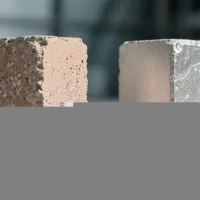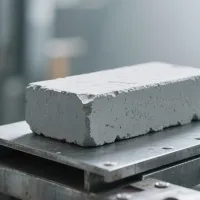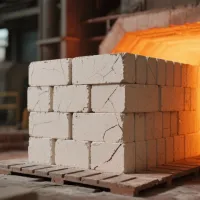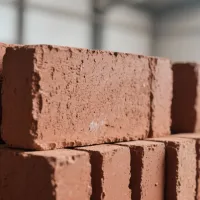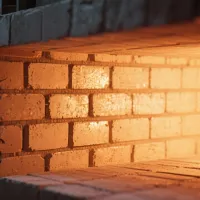
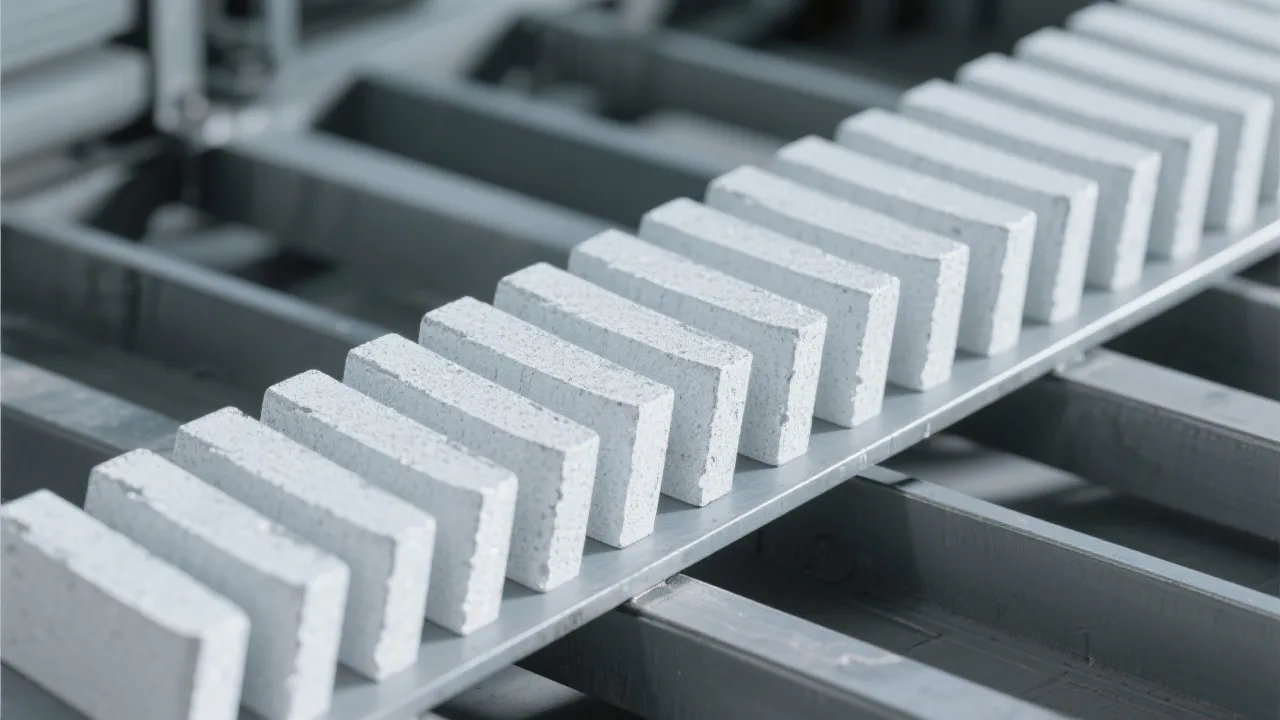
Selecting the right refractory bricks for your industrial furnace isn't just about matching temperature ratings—it's about ensuring operational stability, maximizing furnace lining lifespan, and minimizing downtime costs. In high-temperature environments ranging from 1580°C to 1770°C, material selection directly impacts your bottom line through energy efficiency, maintenance frequency, and overall safety.
"Refractory brick porosity directly correlates with thermal shock resistance—reducing porosity by just 5% can extend furnace lining life by 30-40% in continuous high-temperature operations." — International Refractory Materials Association, 2023
When operating industrial furnaces at temperatures exceeding 1600°C, traditional refractory materials often fail prematurely due to thermal cycling stress and chemical corrosion. The key differentiator in modern refractory technology lies in porosity control—low porosity refractory bricks (typically with porosity levels below 18%) offer three distinct advantages:
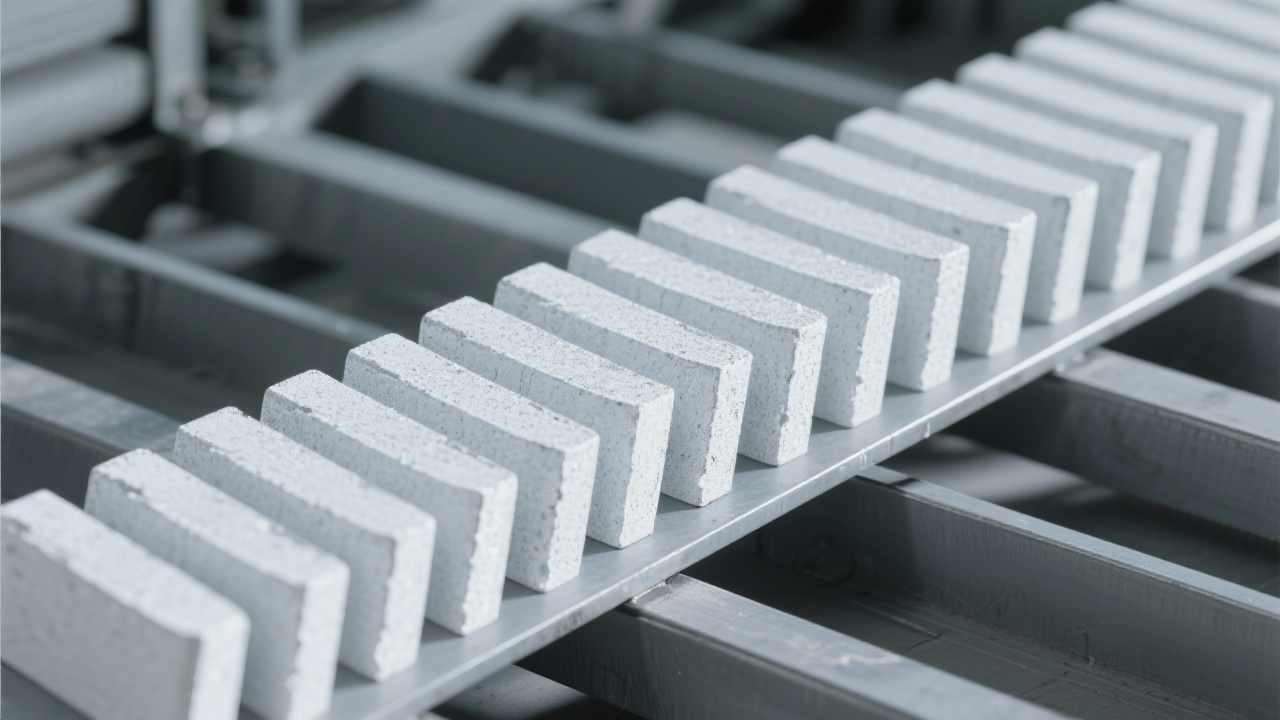
Selecting refractory bricks requires a systematic analysis of your specific operating conditions. The following parameters should guide your decision-making process:
| Parameter | Impact on Material Selection | Optimal Range for Low Porosity Bricks |
|---|---|---|
| Operating Temperature | Determines material composition and maximum service temperature | 1580°C - 1770°C |
| Atmosphere Environment | Oxidizing, reducing, or neutral conditions affect chemical resistance requirements | pH 3-11 resistance, low reactivity with common industrial gases |
| Thermal Cycling Frequency | Affects thermal shock resistance requirements | Up to 1500 cycles without significant degradation |
| Mechanical Load | Determines compressive strength requirements | Minimum 80 MPa at operating temperature |
In a recent case study with a steel reheat furnace operator, switching to low porosity refractory bricks resulted in measurable operational improvements:
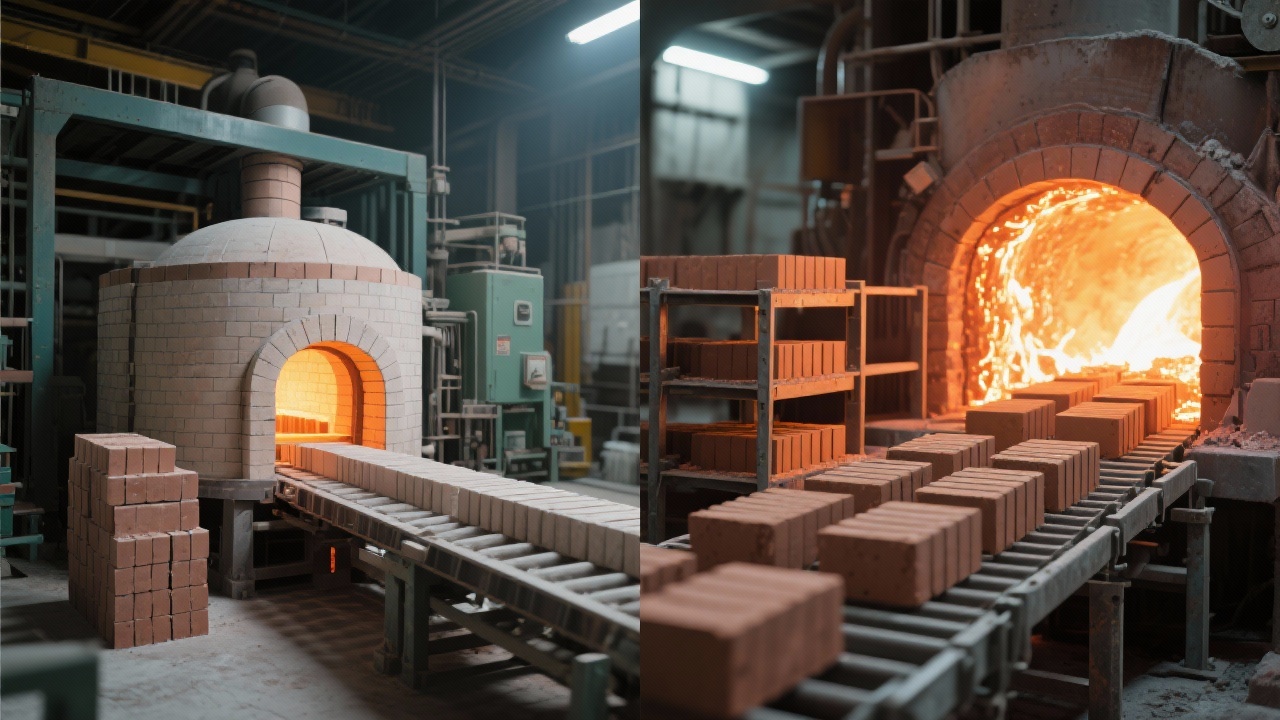
The industrial furnace industry is rife with misconceptions that lead to suboptimal material selection. Let's address the most prevalent myths:
While maximum temperature rating is important, it's not the sole determining factor. A brick rated for 1800°C but with 25% porosity will often fail faster than a 1750°C brick with 15% porosity in cyclic temperature applications.
Porosity alone doesn't guarantee performance. Our premium carbonized corundum refractory bricks, with alumina content ranging from 30% to 46%, offer superior structural integrity compared to competitors with similar porosity levels but lower-quality raw materials.
While low porosity refractory bricks typically have a 15-20% higher initial cost, the extended lifespan and reduced maintenance requirements result in a 30-50% lower total cost of ownership over a 5-year period.

When planning your next furnace relining or upgrade, consider the following implementation steps to maximize return on investment:
Discover how our carbonized corundum low porosity refractory bricks can transform your high-temperature operations with unmatched stability and durability.
Request Your Custom Refractory AnalysisRemember, in industrial furnace operations, your refractory lining is both your first line of defense and your most critical asset. Making informed material selections based on scientific data rather than assumptions will ensure optimal performance, safety, and profitability for your operations.
 106
|
106
|
 converter lining refractory selection
magnesium-chrome refractory bricks
thermal shock resistance bricks
slag resistance in refractory
silicate bonded refractory bricks
converter lining refractory selection
magnesium-chrome refractory bricks
thermal shock resistance bricks
slag resistance in refractory
silicate bonded refractory bricks
 224
|
magnesia chrome refractory brick
converter lining refractory
high temperature refractory material
refractory brick slag resistance
silicate bonded refractory
480
|
high-temperature industrial furnace refractory lining
sintered magnesia-carbon brick
refractory material optimization
furnace lining design strategy
electric arc furnace refractory brick
224
|
magnesia chrome refractory brick
converter lining refractory
high temperature refractory material
refractory brick slag resistance
silicate bonded refractory
480
|
high-temperature industrial furnace refractory lining
sintered magnesia-carbon brick
refractory material optimization
furnace lining design strategy
electric arc furnace refractory brick
 141
|
Corundum refractory bricks
High alumina content
Refractoriness of 1700°C
Wear resistance
Sintering and melting processes
180
|
Corundum refractory bricks
Sintered corundum bricks
Fused corundum bricks
High - temperature refractory materials
Refractory brick selection
141
|
Corundum refractory bricks
High alumina content
Refractoriness of 1700°C
Wear resistance
Sintering and melting processes
180
|
Corundum refractory bricks
Sintered corundum bricks
Fused corundum bricks
High - temperature refractory materials
Refractory brick selection