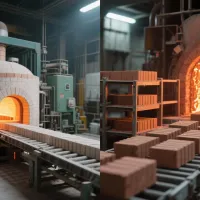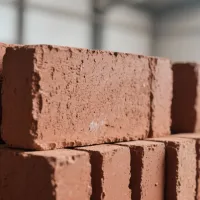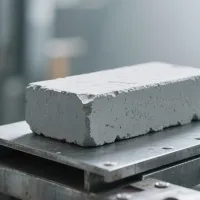
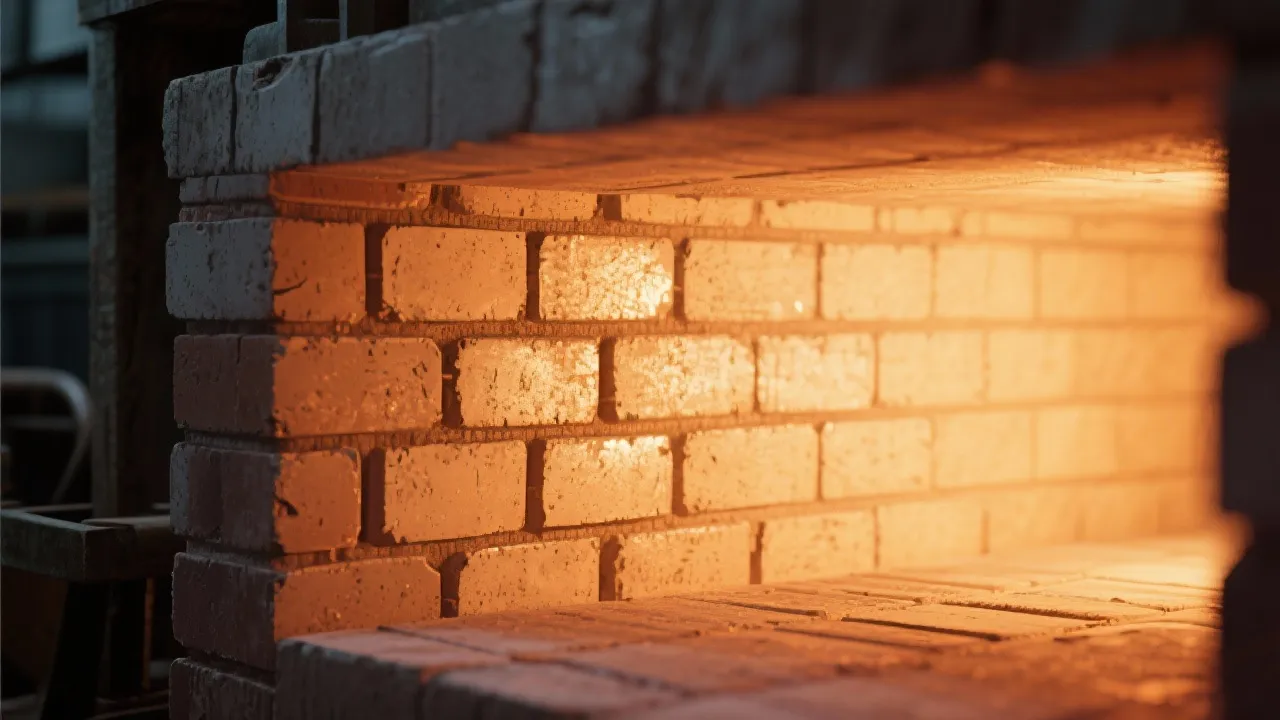
In industrial furnace operations, the choice of refractory bricks directly governs equipment longevity, operational safety, and energy efficiency. Selecting the right low porosity refractory brick material according to the furnace’s working temperature is a pivotal decision that dictates the thermal stability, corrosion resistance, and maintenance frequency of refractory linings. This comprehensive technical guide deciphers the performance characteristics of low porosity refractory bricks across temperature ranges—especially from 1580℃ to 1770℃—and offers an in-depth framework for decision-makers striving to optimize furnace lifespan and minimize costly downtime.
The temperature at which refractory bricks operate fundamentally influences their physical and chemical behavior. Bricks formulated for service above 1580℃ usually contain high alumina content (typically between 30% and 46%), providing enhanced heat resistance and structural integrity. Low porosity—generally below 15%—ensures reduced thermal expansion, limits flux penetration, and improves resistance to thermal shock.
Key indicators such as hot modulus of rupture (HMOR), thermal conductivity, and chemical inertness vary significantly with temperature, making it imperative to match the brick’s specifications precisely to the furnace working environment. For example, at temperatures approaching 1770℃, refractory bricks with optimized microstructures maintain HMOR values exceeding 15 MPa and exhibit thermal conductivity ranging from 1.2 to 2.0 W/m·K, critical for energy retention and structural durability.
The microstructure of refractory bricks—especially their porosity, pore size distribution, and grain bonding—plays a deterministic role in thermal performance. Low porosity bricks resist the infiltration of molten slags and corrosive gases, significantly reducing spalling and premature degradation.
Mechanically, denser microstructures improve cold crushing strength (CCS), often achieving values above 50 MPa, supporting the furnace lining under cyclic thermal loads and mechanical stresses. Moreover, the reduced pore volume enhances thermal shock resistance, mitigating crack propagation during rapid temperature fluctuations common in industrial furnace cycles.
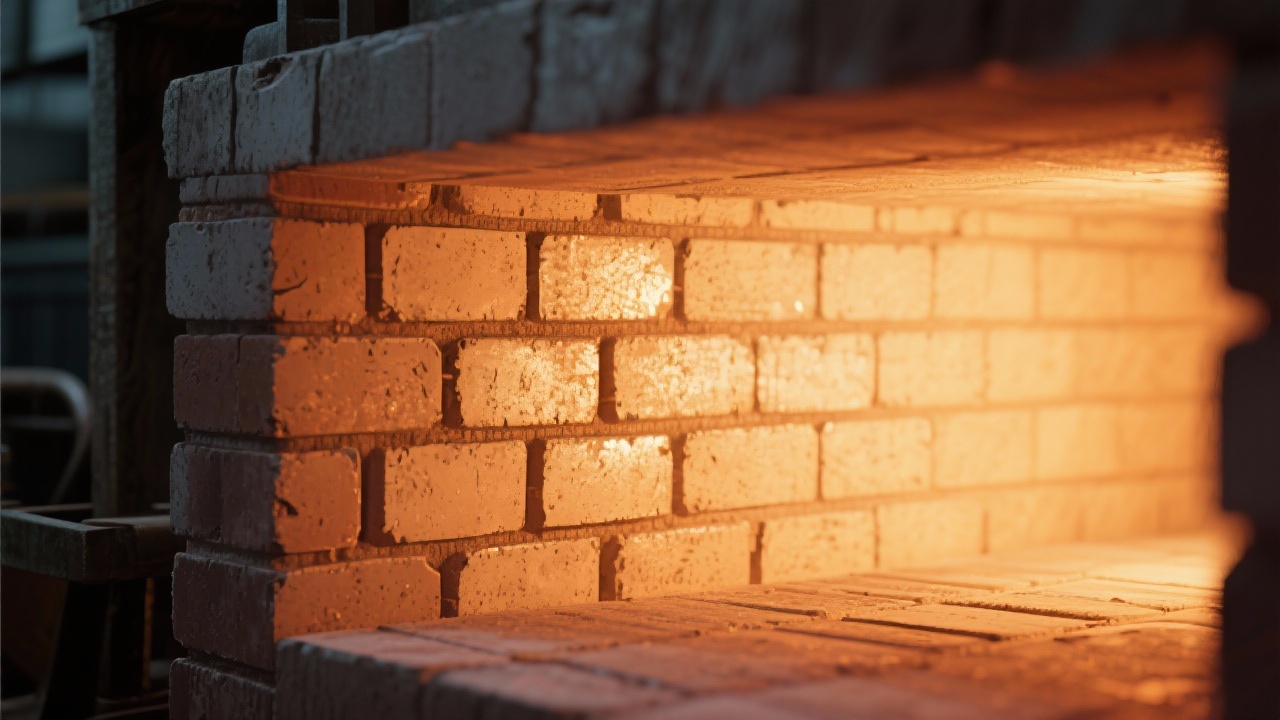
Industries such as metallurgy and glass manufacturing benefit profoundly from the correct selection of low porosity refractory bricks. For instance, a leading metallurgical plant reported a 20% reduction in refractory consumption and a 15% decrease in fuel costs after upgrading to alumina bricks optimized for their 1650℃ operating atmosphere. Corresponding furnace downtime reduced by 30%, markedly improving throughput and operational safety.
In glass melting furnaces operating near 1700℃, adopting low porosity alumina bricks has demonstrated extended lining life by over 25%, directly correlating to fewer maintenance shutdowns and better product quality due to stable temperature zones.
Careful consideration of the following key factors ensures optimal refractory brick selection:
Applying this logic systematically reduces the risk of operational failures caused by improper material selection.
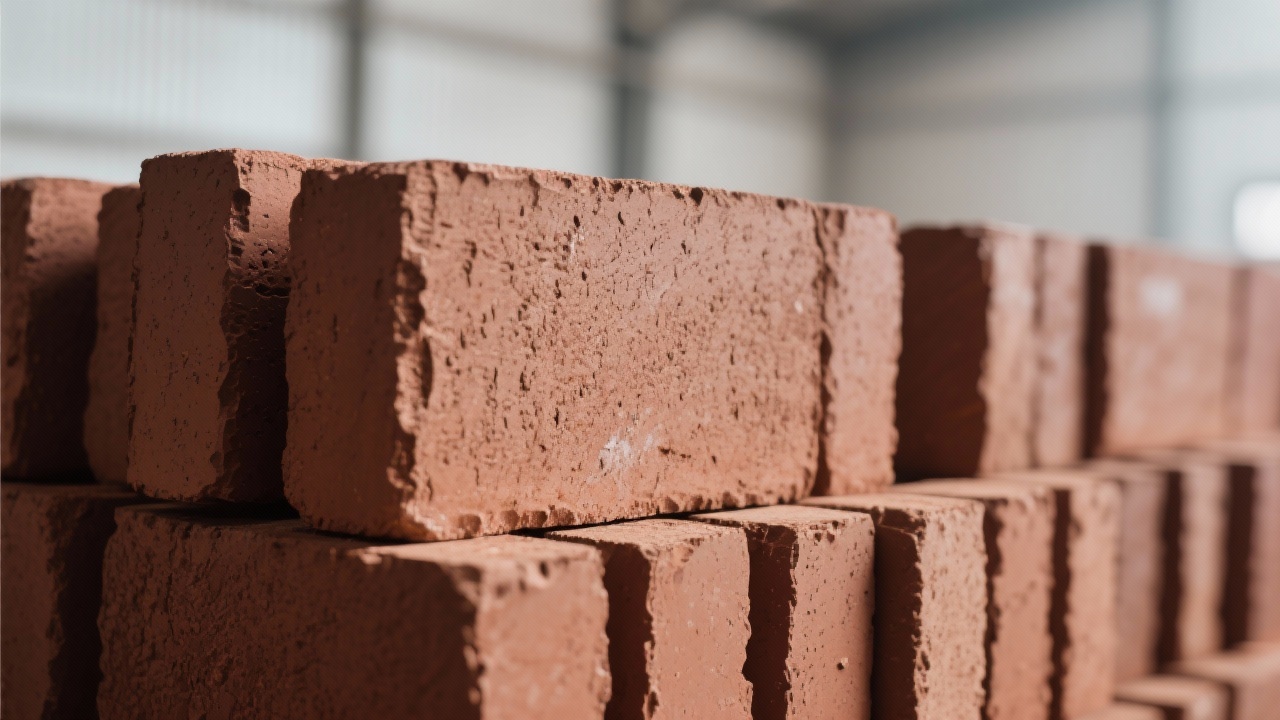
Several selection errors frequently undermine furnace performance:
Adopting a data-driven material specification approach, supported by lab testing results and thermal cycling simulations, significantly enhances decision confidence and long-term efficiency.

Developing a scientific mindset in material selection—anchored in operational data, microscopic material analysis, and application-specific demands—enables industrial operators to drastically improve furnace reliability and energy efficiency. This, in turn, reduces maintenance costs and environmental impact while maximizing productivity. Investing the time in rigorous material evaluation will yield dividends through extended lining service life and lower overall operational risks.
 451
|
451
|
 High alumina refractory clay bricks
Industrial furnace lining
High - temperature refractory materials
Wear - and corrosion - resistant refractory bricks
Furnace lining installation techniques
High alumina refractory clay bricks
Industrial furnace lining
High - temperature refractory materials
Wear - and corrosion - resistant refractory bricks
Furnace lining installation techniques
 287
|
high-alumina fireclay bricks
refractory brick composition
spherical pore structure
mechanical cutting process
high-temperature furnace lining
287
|
high-alumina fireclay bricks
refractory brick composition
spherical pore structure
mechanical cutting process
high-temperature furnace lining
 180
|
Corundum refractory bricks
Sintered corundum bricks
Fused corundum bricks
High - temperature refractory materials
Refractory brick selection
180
|
Corundum refractory bricks
Sintered corundum bricks
Fused corundum bricks
High - temperature refractory materials
Refractory brick selection
 414
|
arc furnace magnesium carbon brick
alkaline slag resistance
sintered magnesia carbon brick
refractory material optimization
furnace lining life extension
332
|
alumina refractory brick
high alumina refractory
refractory brick wear resistance
high temperature refractory
fused versus sintered refractory
414
|
arc furnace magnesium carbon brick
alkaline slag resistance
sintered magnesia carbon brick
refractory material optimization
furnace lining life extension
332
|
alumina refractory brick
high alumina refractory
refractory brick wear resistance
high temperature refractory
fused versus sintered refractory