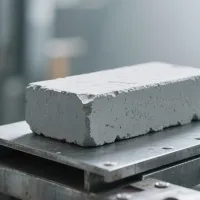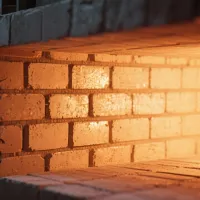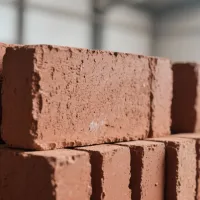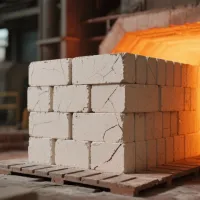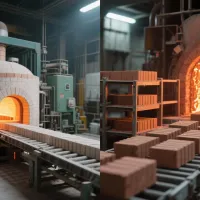
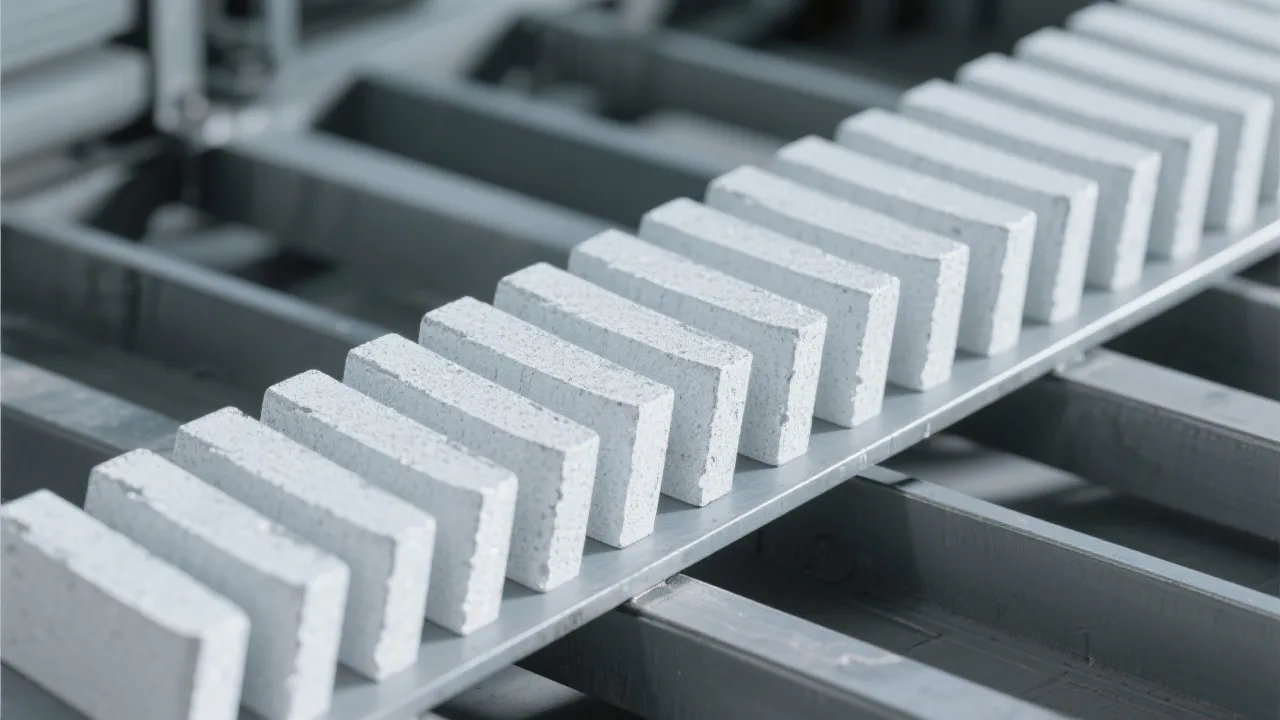
In high-temperature industrial furnace applications, selecting the right refractory bricks is critical to ensuring operational efficiency, furnace longevity, and safety. Low porosity refractory materials play a pivotal role in maintaining thermal stability, resisting corrosion, and minimizing thermal shock in extreme environments ranging from 1580℃ to 1770℃. This comprehensive guide examines the selection criteria for low porosity refractory bricks according to their performance attributes and the specific operating conditions of industrial furnaces.
Porosity directly affects the mechanical strength, thermal conductivity, and chemical resistance of refractory bricks. Low porosity bricks (typically < 10%) offer enhanced thermal insulation and significantly greater resistance to slag infiltration and chemical attacks caused by aggressive furnace atmospheres. These bricks reduce thermal losses and contribute to steady temperature maintenance, a decisive factor in improving energy efficiency and reducing downtime caused by brick failure.
When operating at temperatures between 1580℃ and 1770℃, refractory bricks must exhibit excellent crystalline phase stability to avoid deformation and volume changes that lead to cracking. Low porosity fireclay and alumina-silicate-based bricks have been scientifically proven to maintain structural integrity due to minimized pore-induced stress points.
Chemical corrosion caused by aggressive gases (CO, SO₂, alkalis) and molten slag is a principal cause of refractory degradation. Low porosity reduces permeation paths for corrosive agents, enhancing brick lifespan. Additionally, low porosity improves thermal shock resistance by limiting microcrack initiation sites, which are common in high void-content materials.
Advanced high alumina bricks and silicon carbide formulations further boost resistance by forming protective oxide layers at the surface during furnace operation, which, combined with densified microstructures, effectively mitigate corrosion and mechanical stresses.
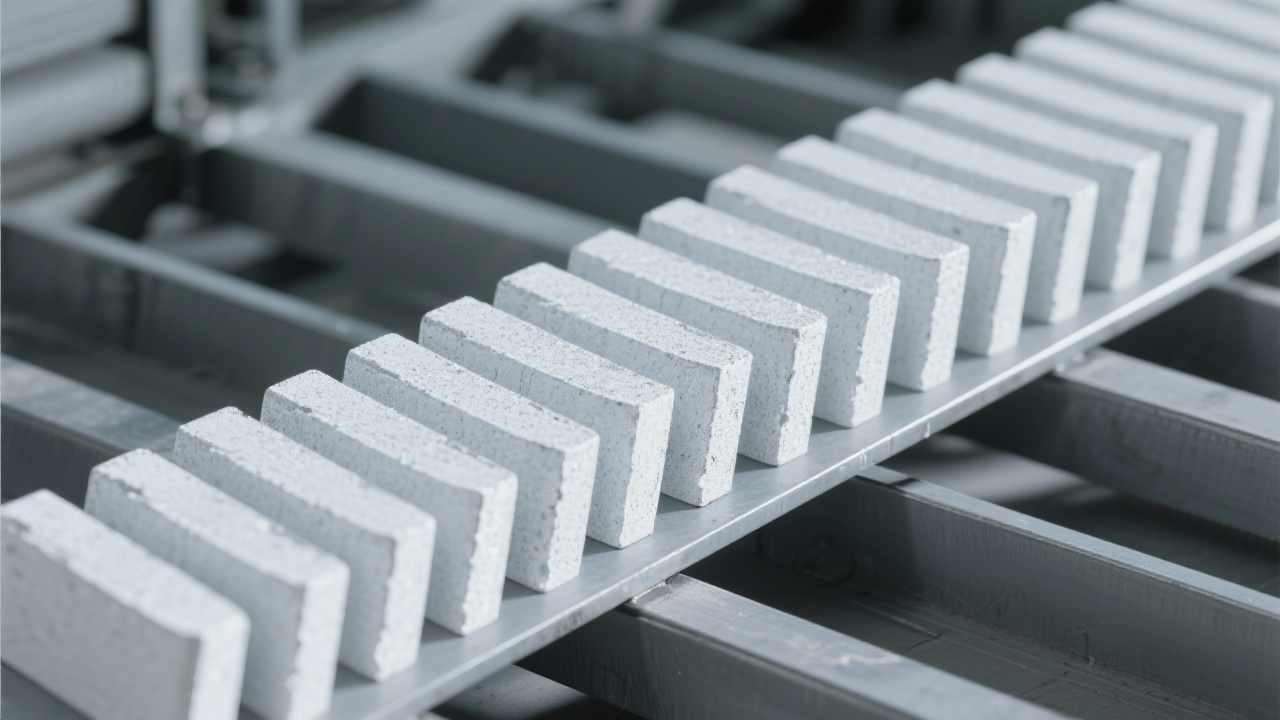
1. Operating Temperature: For 1580℃–1650℃, fireclay-based low porosity bricks with moderate alumina content (around 40–50%) are cost-effective, while for 1650℃–1770℃ applications, high alumina (≥ 60%) or silicon carbide reinforced bricks are recommended due to greater refractory performance.
2. Furnace Atmosphere: Oxidizing environments require bricks with excellent oxidation resistance (silicon carbide blends), whereas reducing atmospheres prioritize thermal expansion compatibility to avoid spalling.
3. Operation Cycles: Furnaces with frequent thermal cycling benefit from bricks with superior thermal shock resistance, often achieved by minimizing porosity and incorporating additives like zirconia or silicon carbide.
A steel forging plant reported a 35% reduction in maintenance downtime and an extension of refractory lifespan by over 20% after upgrading from traditional porous bricks to low porosity, high alumina refractory bricks operating at temperatures near 1700℃. The upgrade resulted in improved thermal insulation, reducing fuel consumption by approximately 8% annually.
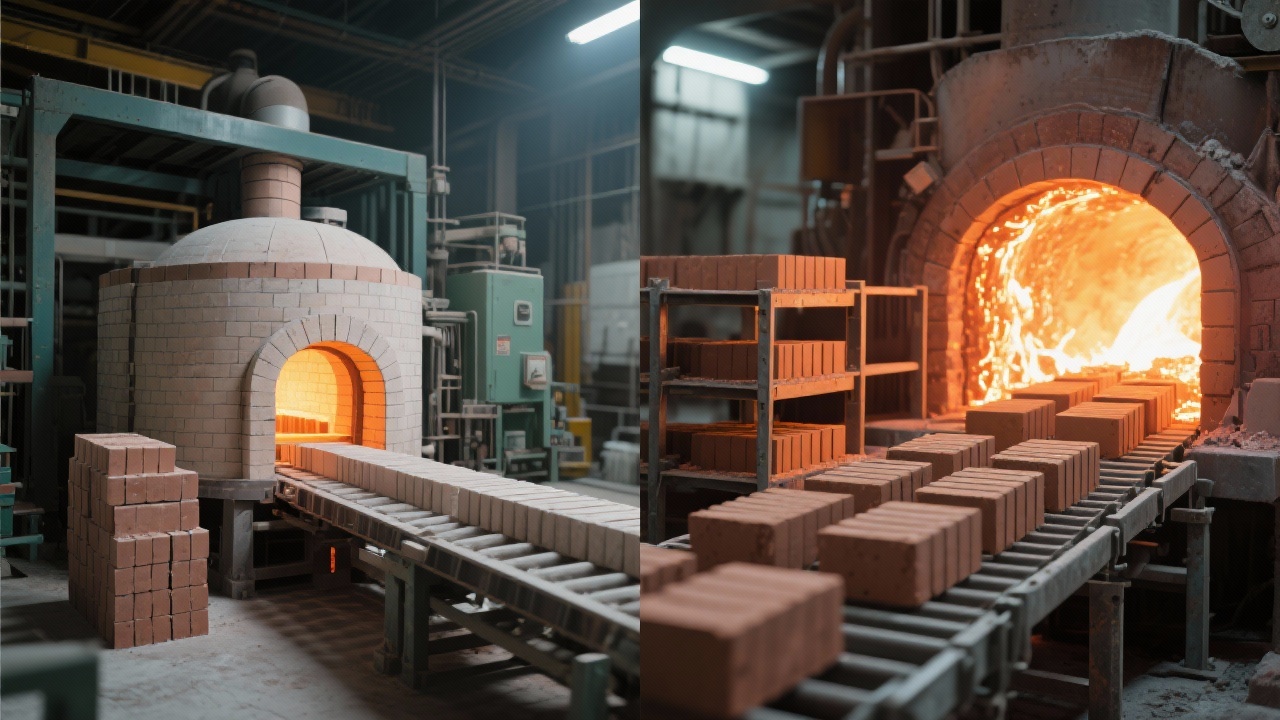
Misconception #1: “Higher alumina content always means better refractory life.” While alumina enhances temperature resistance, if porosity is not adequately controlled, bricks still fail prematurely.
Misconception #2: “All low porosity bricks perform equally under different atmospheres.” Material chemistry must align with the operating gas composition to prevent corrosion.
Misconception #3: “Initial purchase cost should dictate brick selection.” Opting for lower-cost bricks with higher porosity often leads to increased downtime and maintenance costs later.
 224
|
224
|
 magnesia chrome refractory brick
converter lining refractory
high temperature refractory material
refractory brick slag resistance
silicate bonded refractory
magnesia chrome refractory brick
converter lining refractory
high temperature refractory material
refractory brick slag resistance
silicate bonded refractory
 426
|
Sintered magnesia-carbon bricks
High-temperature industrial furnace refractory lining
Strong alkali environment corrosion
Furnace lining design
High-temperature refractory materials
426
|
Sintered magnesia-carbon bricks
High-temperature industrial furnace refractory lining
Strong alkali environment corrosion
Furnace lining design
High-temperature refractory materials
 361
|
EAF magnesia carbon brick alkali resistance
sintered magnesia carbon brick technology
refractory chemical stability
EAF lining maintenance
high temperature industrial furnace refractories
361
|
EAF magnesia carbon brick alkali resistance
sintered magnesia carbon brick technology
refractory chemical stability
EAF lining maintenance
high temperature industrial furnace refractories
 378
|
Corundum refractory bricks
High alumina refractory materials
Metallurgy industry refractory bricks
Glass industry refractory bricks
Refractory brick selection
175
|
corundum refractory brick
high-alumina refractory materials
refractory brick service life improvement
refractory material applications
alumina content over 90%
378
|
Corundum refractory bricks
High alumina refractory materials
Metallurgy industry refractory bricks
Glass industry refractory bricks
Refractory brick selection
175
|
corundum refractory brick
high-alumina refractory materials
refractory brick service life improvement
refractory material applications
alumina content over 90%