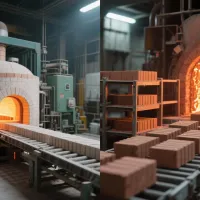
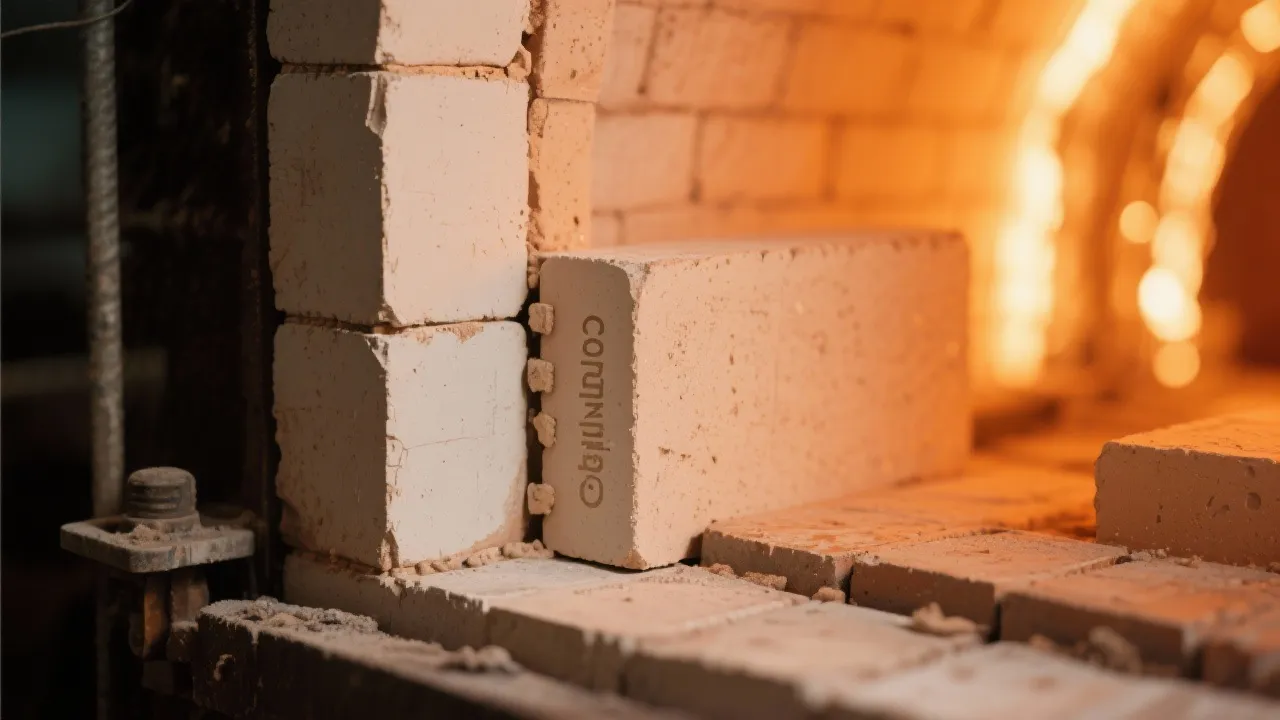
High-alumina refractory clay bricks are a crucial component in high-temperature industrial furnace linings. Their performance is closely related to their material composition. Generally, high-alumina refractory clay bricks contain a high proportion of aluminum oxide (Al₂O₃), usually above 48%. This high content of Al₂O₃ endows the bricks with excellent high-temperature resistance. For example, in a steel blast furnace where the temperature can reach up to 1600°C, high-alumina refractory clay bricks can maintain their structural integrity and performance.
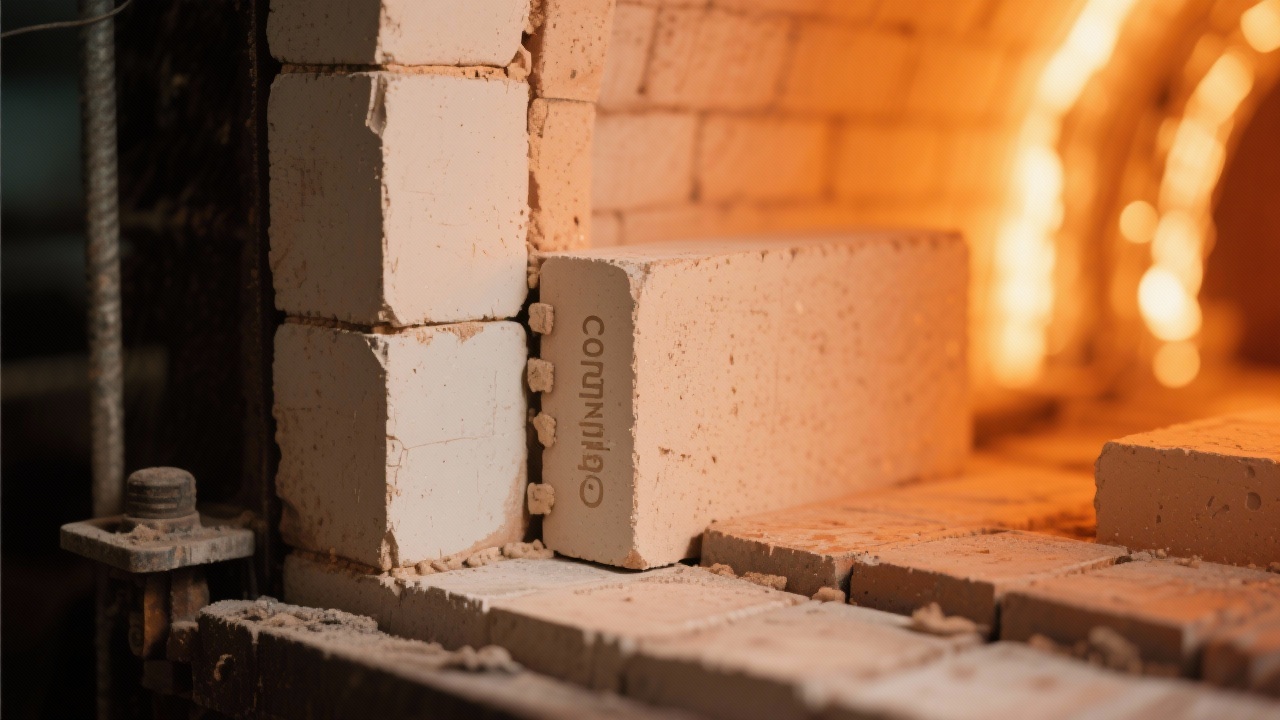
In addition to Al₂O₃, other components such as silica (SiO₂), iron oxide (Fe₂O₃), and titanium dioxide (TiO₂) also have an impact on the performance of high-alumina refractory clay bricks. SiO₂ can improve the refractoriness and thermal shock resistance of the bricks, while the presence of too much Fe₂O₃ may reduce the high-temperature performance of the bricks. A reasonable ratio of various components is the key to ensuring the excellent performance of high-alumina refractory clay bricks.
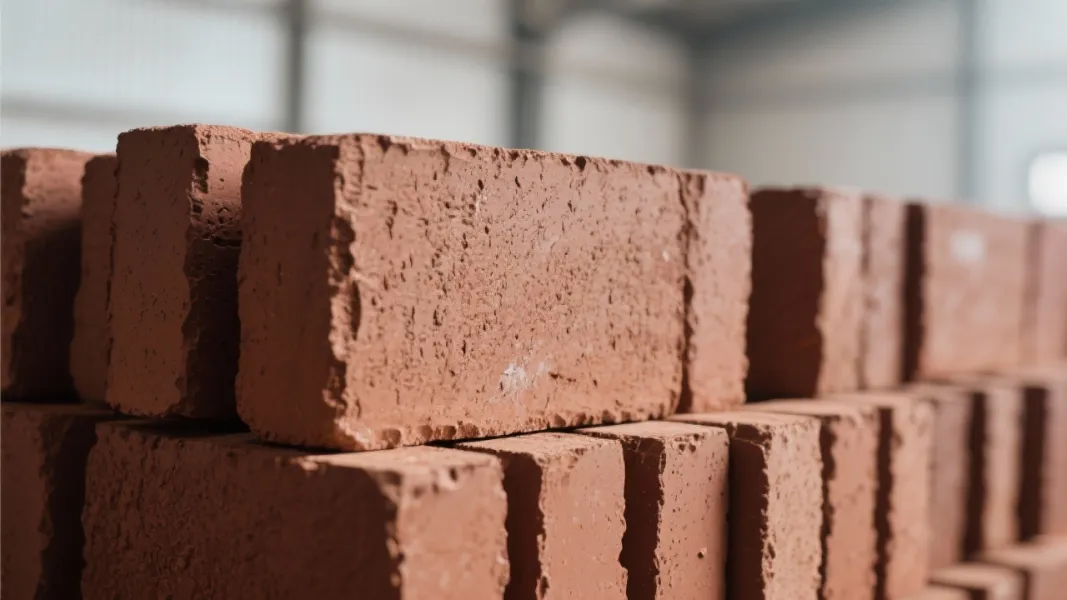
The spherical pore structure is one of the important features of high-alumina refractory clay bricks. The design principle of the spherical pore structure is based on maximizing the packing density of particles and minimizing the space between particles. By optimizing the particle size distribution and the molding process, spherical pores can be formed inside the bricks.
Firstly, the spherical pore structure can significantly increase the density of the bricks. Compared with ordinary refractory bricks, the density of high-alumina refractory clay bricks with spherical pore structure can be increased by about 10-15%. This higher density means better mechanical strength and thermal stability of the bricks. Secondly, the spherical pores can effectively reduce the thermal conductivity of the bricks. The thermal conductivity of high-alumina refractory clay bricks with spherical pore structure can be reduced by 15-20% compared with traditional bricks, which helps to save energy in industrial furnaces.
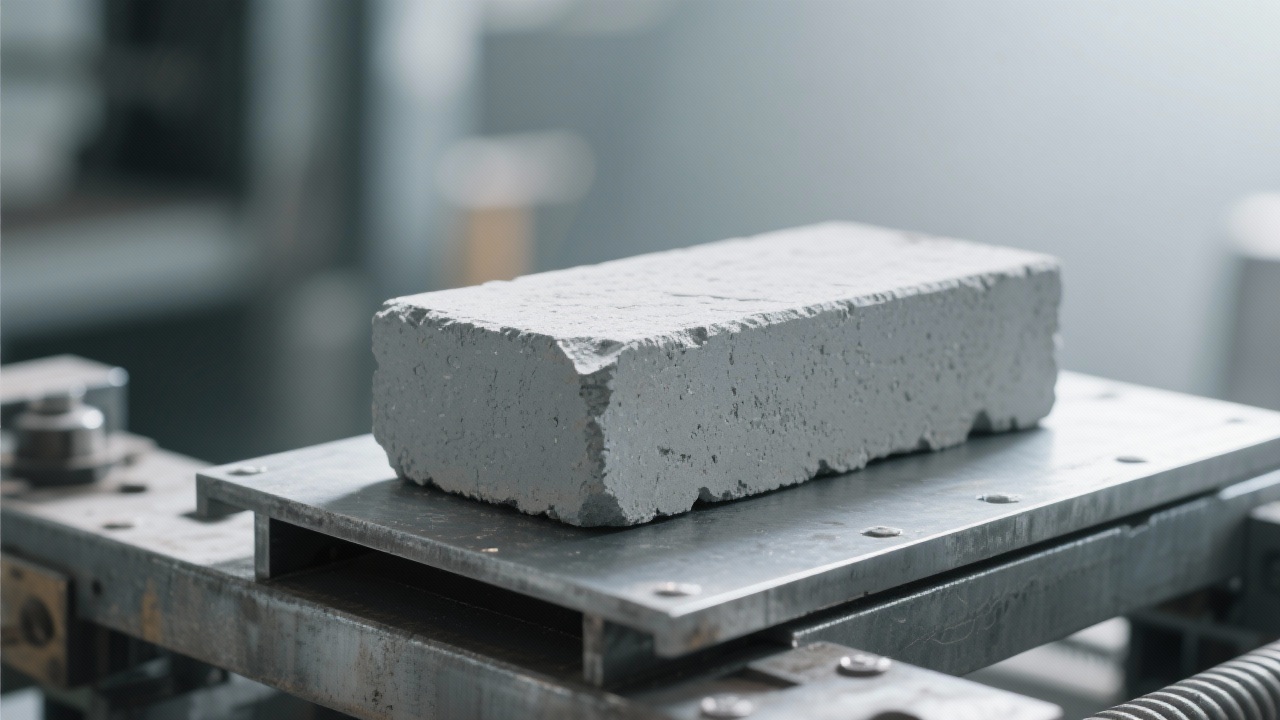
The mechanical cutting process is an important step in ensuring the dimensional accuracy of high-alumina refractory clay bricks. Through precise mechanical cutting equipment and advanced cutting technology, the dimensional accuracy of refractory bricks can be controlled within ±0.5mm. This high dimensional accuracy is crucial for the installation stability of refractory bricks in industrial furnaces.
During installation, refractory bricks with high dimensional accuracy can fit tightly together, reducing gaps and preventing hot gas leakage. This not only improves the thermal efficiency of the furnace but also prolongs the service life of the furnace lining. In addition, the mechanical cutting process can also improve the surface smoothness of the bricks, which is beneficial for the bonding between the bricks and the coating material.
The low thermal conductivity of high-alumina refractory clay bricks is mainly due to their unique pore structure and material composition. As mentioned above, the spherical pore structure can effectively reduce the heat transfer path, while the high content of Al₂O₃ and other refractory components can also inhibit the heat transfer. The thermal conductivity of high-alumina refractory clay bricks is generally between 0.8-1.2 W/(m·K), which is much lower than that of ordinary refractory materials.
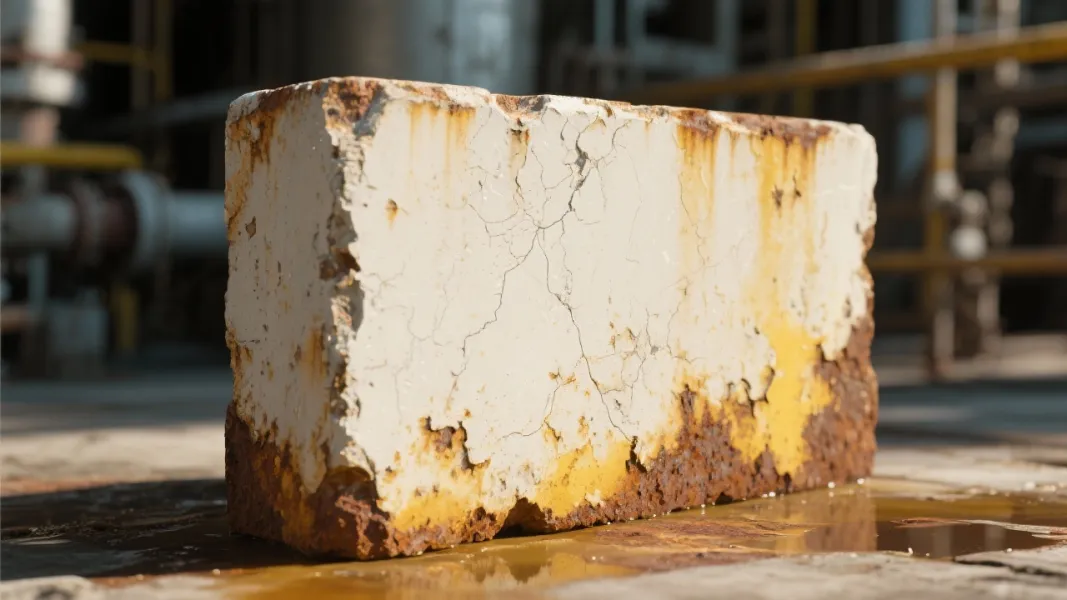
High wear resistance is achieved through the high hardness and strength of the material. The high content of Al₂O₃ makes the bricks have high hardness, which can resist the erosion and wear of high-speed airflow and solid particles in the furnace. The corrosion resistance is mainly related to the chemical stability of the material. High-alumina refractory clay bricks can resist the corrosion of various acids, alkalis and molten metals at high temperatures.
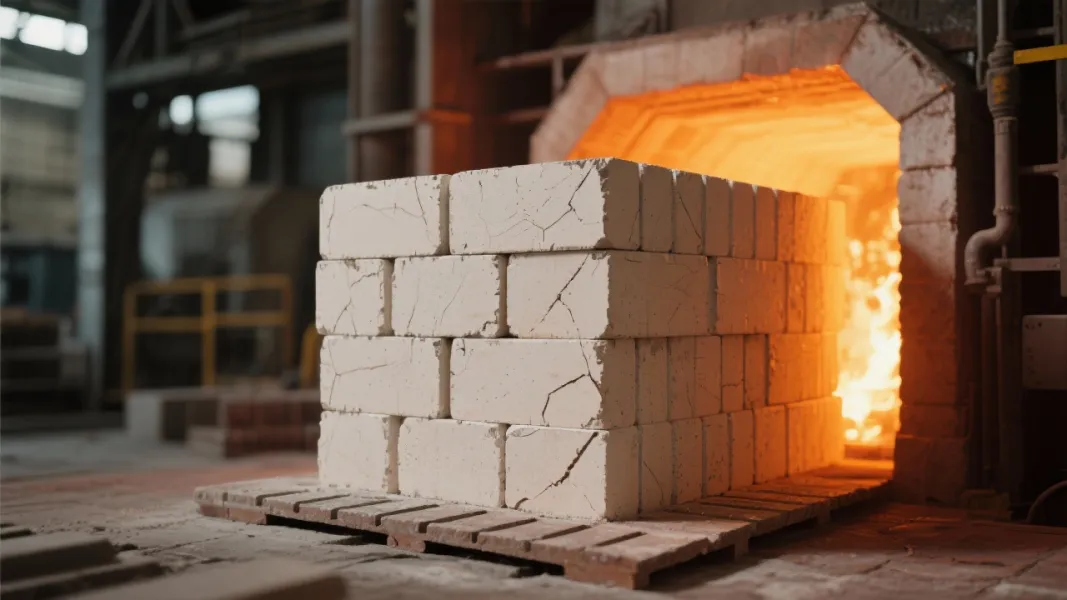
The excellent thermal shock resistance is due to the low coefficient of thermal expansion and good toughness of the bricks. When the temperature changes rapidly, the bricks can withstand the stress caused by the temperature difference without cracking or spalling. In practical applications, high-alumina refractory clay bricks can withstand temperature changes of up to 1000°C without significant damage.
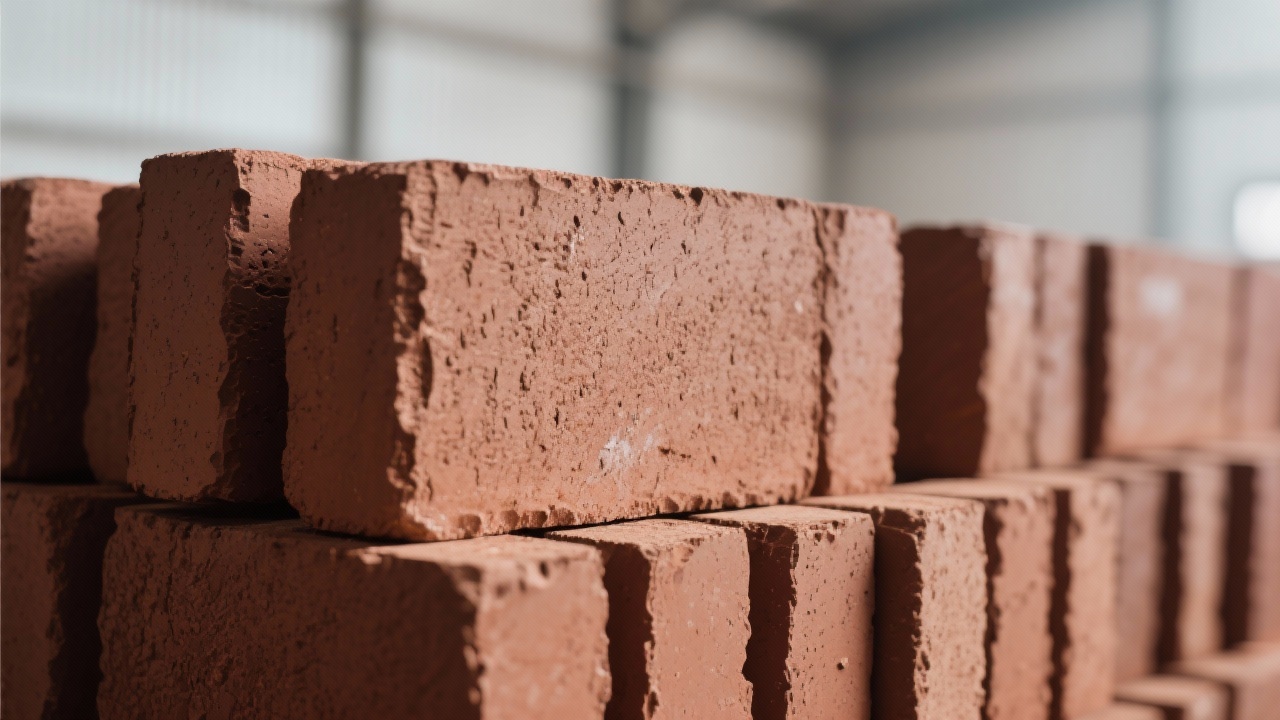
In steel blast furnaces, high-alumina refractory clay bricks are widely used in the hearth, bosh and stack areas. For example, in a large steel blast furnace with a volume of 4000 m³, high-alumina refractory clay bricks with excellent performance can ensure the normal operation of the furnace for more than 10 years. In glass melting furnaces, high-alumina refractory clay bricks are used in the melting tank and the throat area. Their high corrosion resistance and thermal stability can effectively prevent the erosion of molten glass and ensure the quality of glass products.
In hot blast stoves, high-alumina refractory clay bricks are used in the combustion chamber and the regenerator. Their high thermal storage capacity and low thermal conductivity can improve the heat exchange efficiency of the hot blast stove and ensure the stable supply of hot air.
For different types of industrial furnaces, the selection of high-alumina refractory clay bricks should be based on factors such as furnace temperature, atmosphere, and the type of medium. For example, in a high-temperature steelmaking furnace, high-alumina refractory clay bricks with high Al₂O₃ content and excellent thermal shock resistance should be selected. In a glass melting furnace, bricks with good corrosion resistance to molten glass should be chosen.
During the installation process, it is necessary to ensure the flatness and verticality of the furnace wall, and the bricks should be laid tightly and evenly. At the same time, appropriate bonding materials should be used to ensure the bonding strength between the bricks.
Common installation problems include uneven brick laying, large gaps between bricks, and poor bonding strength. To solve these problems, it is necessary to strengthen the quality control of the installation process, use professional installation tools and techniques, and ensure that the installation personnel are well-trained.
In terms of maintenance, regular inspection of the furnace lining, cleaning of the surface of the bricks, and timely repair of damaged parts are necessary. By mastering these practical operation skills, the service life of the furnace lining can be effectively prolonged.
Are you looking for high-quality high-alumina refractory clay bricks for your industrial furnace? Our company offers a wide range of high-alumina refractory clay bricks with excellent performance and customized solutions. Click here to learn more and get professional technical support!
 483
|
483
|
 fused alumina brick
sintered alumina brick
glass melting furnace refractory
refractory brick selection
high-temperature refractory material
fused alumina brick
sintered alumina brick
glass melting furnace refractory
refractory brick selection
high-temperature refractory material
 402
|
alumina refractory bricks
glass melting furnace lining
high temperature耐火材料
fused alumina brick
sintered alumina brick
402
|
alumina refractory bricks
glass melting furnace lining
high temperature耐火材料
fused alumina brick
sintered alumina brick
 314
|
High - alumina refractory bricks
Hot blast stove lining
Thermal shock resistance
Low thermal conductivity
Refractory material application
314
|
High - alumina refractory bricks
Hot blast stove lining
Thermal shock resistance
Low thermal conductivity
Refractory material application
 372
|
High alumina refractory clay bricks
High-temperature industrial furnace refractory bricks
Refractory brick installation technology
Furnace lining refractory materials
Refractory brick performance analysis
175
|
corundum refractory brick
high-alumina refractory materials
refractory brick service life improvement
refractory material applications
alumina content over 90%
372
|
High alumina refractory clay bricks
High-temperature industrial furnace refractory bricks
Refractory brick installation technology
Furnace lining refractory materials
Refractory brick performance analysis
175
|
corundum refractory brick
high-alumina refractory materials
refractory brick service life improvement
refractory material applications
alumina content over 90%