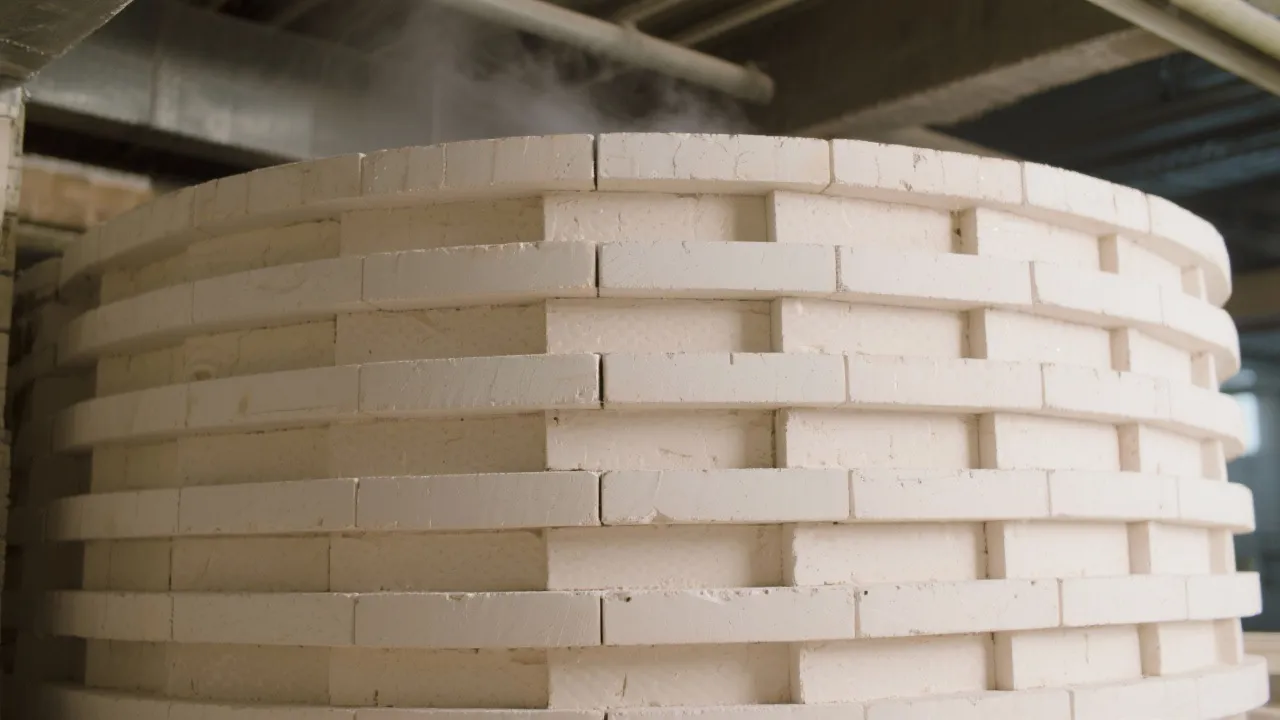
Magnesium-chrome refractory bricks have become indispensable in industries subject to extreme thermal cycling. Their remarkable thermal shock resistance ensures durability under extreme temperature fluctuations, enhancing safety and efficiency in high-temperature applications. This article delves into the core principles behind their thermal shock resistance, with a focus on the crucial roles played by optimized magnesium-chrome ratio and silicate binders.
Achieving an ideal MgO-Cr2O3 ratio is critical to balancing mechanical strength and thermal stability in refractory bricks. Research indicates that maintaining MgO content between 50% to 60% alongside carefully controlled chromium oxide levels enhances the brick’s toughness and resistance to high-temperature spalling. This precise composition improves crack deflection mechanisms, mitigating thermal stress accumulation during rapid heating and cooling cycles.
The intricate microstructure formed by this ratio ensures optimal crystal boundary distribution, which in turn facilitates effective stress redistribution across the brick matrix. Such metallurgical engineering results in a material that withstands thousands of thermal cycles with minimal degradation.
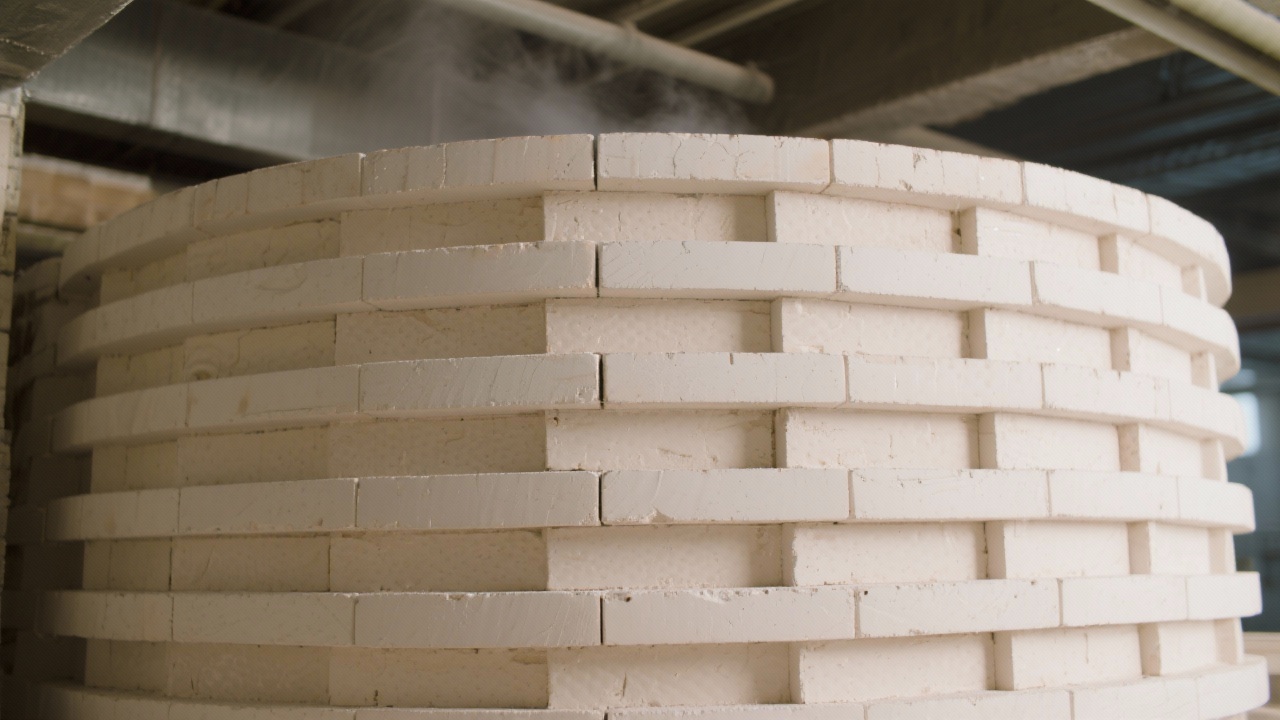
Silicate-based binders play a pivotal role in imparting the necessary toughness and flexibility to the refractory system. Their chemical compatibility with magnesium-chrome aggregates enables improved bonding strength and supports the formation of resilient interfaces. As the temperature fluctuates, silicate binders accommodate slight expansions and contractions, seamlessly reducing micro-crack propagation.
Additionally, these binders contribute to microcrack self-healing during high-temperature exposure. Research demonstrates that silicate phases undergo structural rearrangements that effectively close microcracks, restoring integrity without external intervention. This property significantly prolongs the brick’s functional lifecycle and reduces maintenance costs.
Apart from compositional balance, internal structural uniformity is essential. Matching the bricks' thermal expansion coefficient closely with operating environments minimizes internal stresses caused by uneven thermal strain. Typical magnesium-chrome refractory bricks exhibit a thermal expansion coefficient of approximately 8.5 × 10⁻⁶ K–1, aligning well with steel and other industrial furnace components.
The micro-level distribution of crystal boundaries guides crack propagation paths, encouraging deflection and branching rather than catastrophic fracture. This controlled damage mechanism improves tolerance against thermal shock.
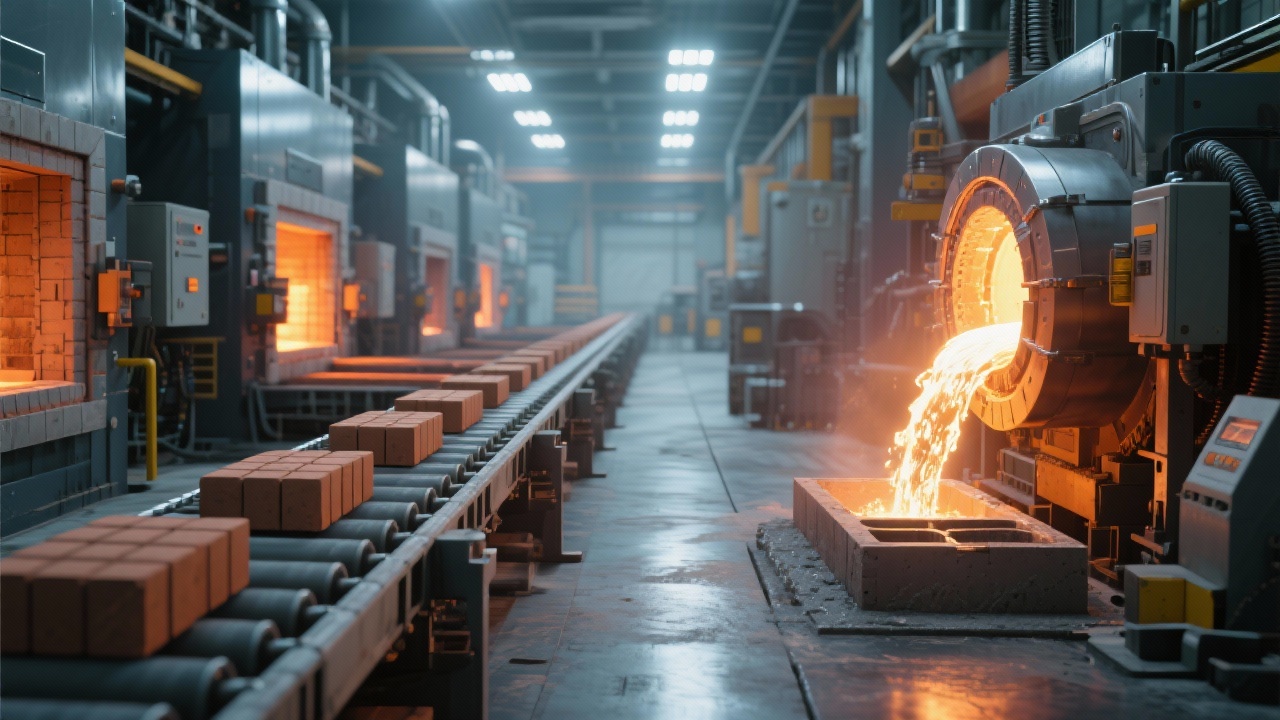
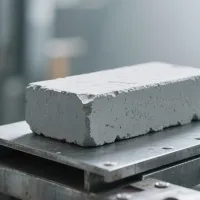
Industrial users benefit from simple yet effective evaluation methods such as the water-cooling and air-rapid cooling tests to verify thermal shock resistance on-site:
Consistent testing using these methods enables process engineers to monitor product quality and optimize replacement intervals scientifically, thus reducing unplanned downtime and energy losses.
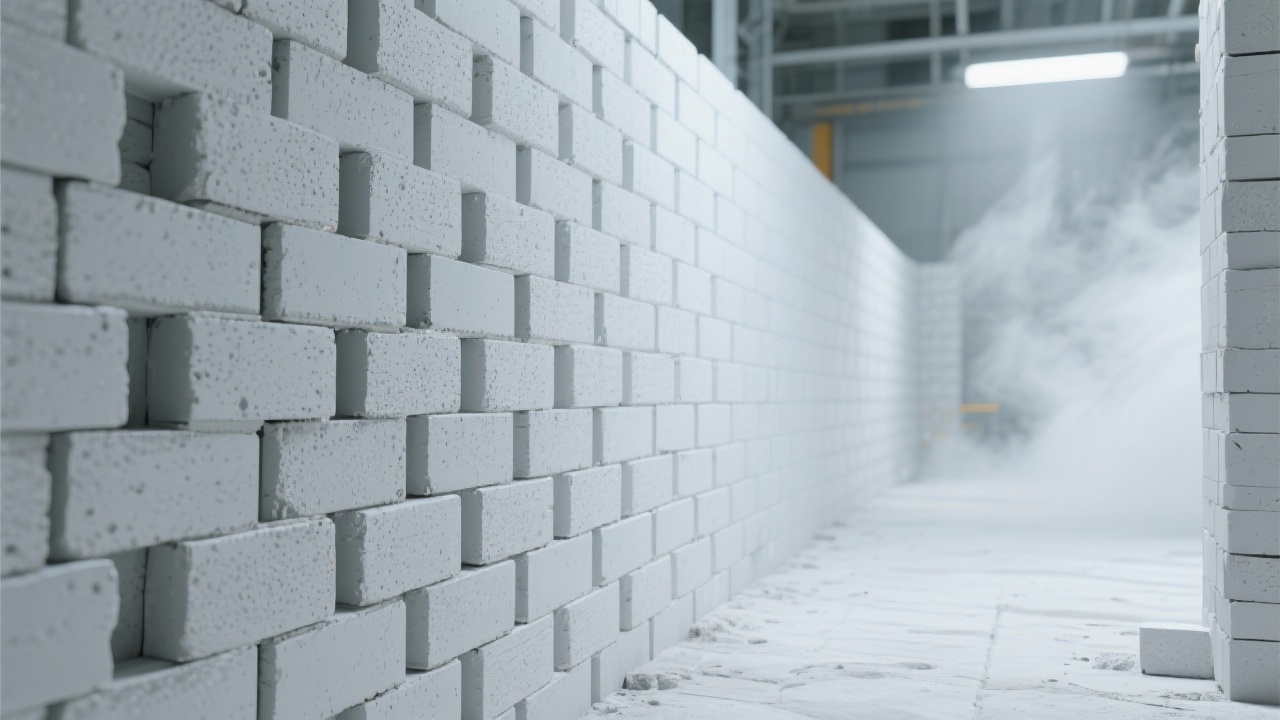
Different thermal cycling frequencies call for targeted application strategies to maximize the lifespan and energy efficiency of refractory bricks:
Such tailored selection ensures enterprises achieve energy savings while minimizing safety risks linked to refractory material degradation.
 201
|
201
|
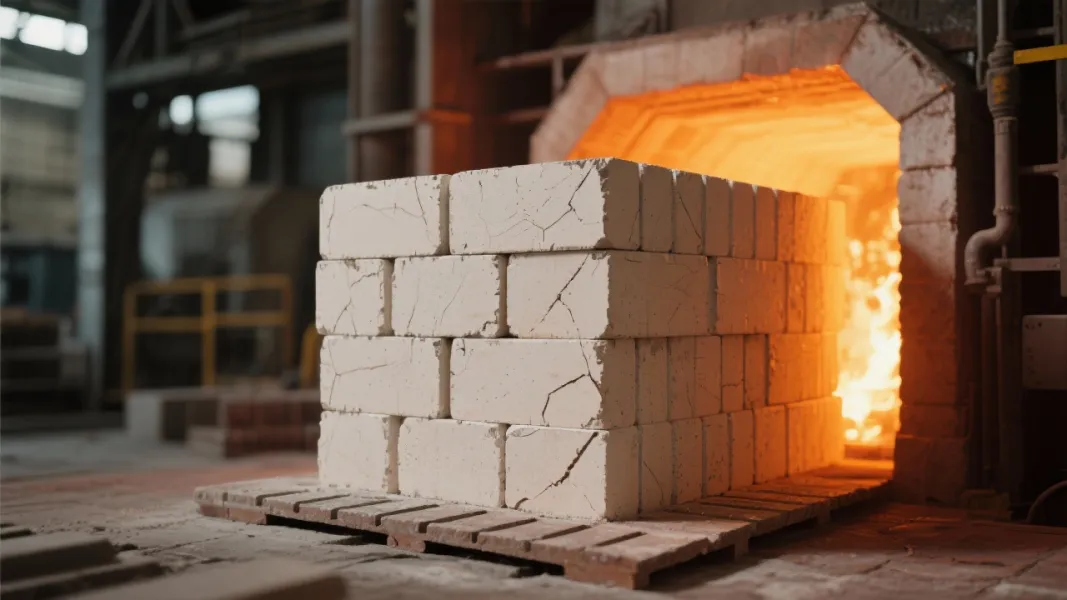
 refractory brick thermal shock testing
water quenching vs air cooling
aluminum oxide refractory performance
low porosity refractory bricks
ISO ASTM refractory standards
refractory brick thermal shock testing
water quenching vs air cooling
aluminum oxide refractory performance
low porosity refractory bricks
ISO ASTM refractory standards
 265
|
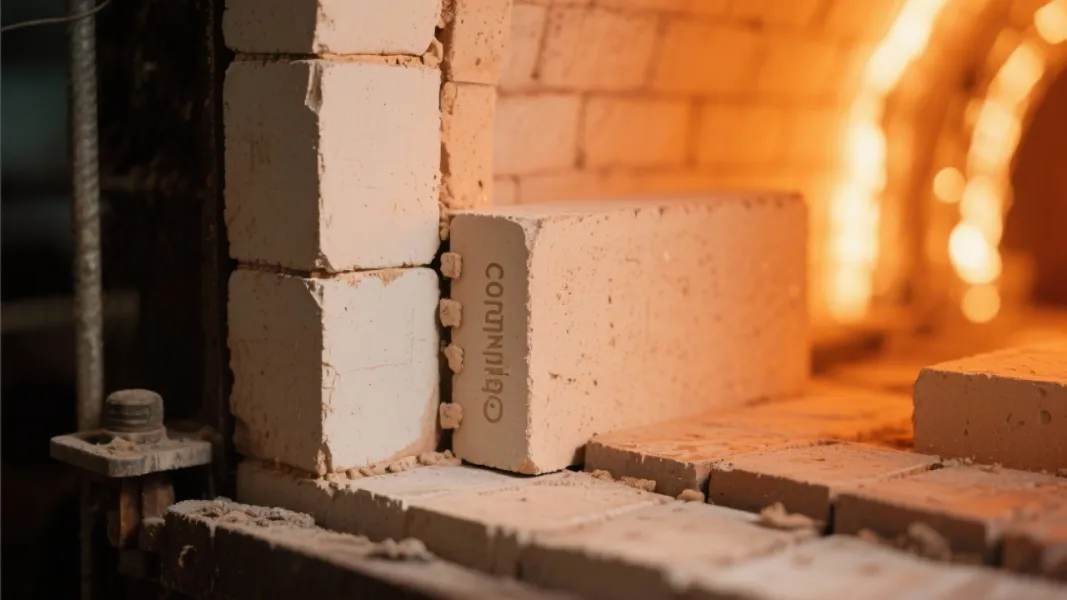
High - alumina refractory clay bricks
Spherical pore structure
Mechanical cutting process
High - temperature industrial furnace lining
Refractory brick dimensional accuracy
265
|
High - alumina refractory clay bricks
Spherical pore structure
Mechanical cutting process
High - temperature industrial furnace lining
Refractory brick dimensional accuracy
 248
|
industrial furnace refractory brick selection
low porosity refractory bricks
1580–1770°C refractory lining
high alumina refractory bricks
thermal shock and corrosion resistant refractories
314
|
High - alumina refractory bricks
Hot blast stove lining
Thermal shock resistance
Low thermal conductivity
Refractory material application
248
|
industrial furnace refractory brick selection
low porosity refractory bricks
1580–1770°C refractory lining
high alumina refractory bricks
thermal shock and corrosion resistant refractories
314
|
High - alumina refractory bricks
Hot blast stove lining
Thermal shock resistance
Low thermal conductivity
Refractory material application
 115
|
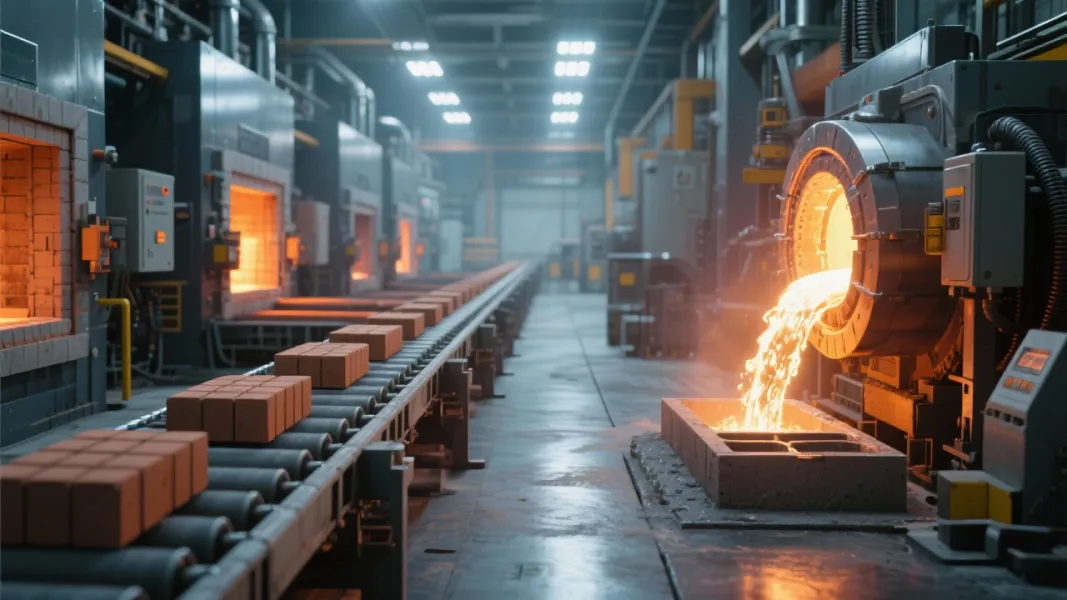
corundum refractory bricks
sintered vs fused process
refractory materials performance comparison
high-temperature corrosion resistance
refractory brick selection guide
115
|
corundum refractory bricks
sintered vs fused process
refractory materials performance comparison
high-temperature corrosion resistance
refractory brick selection guide