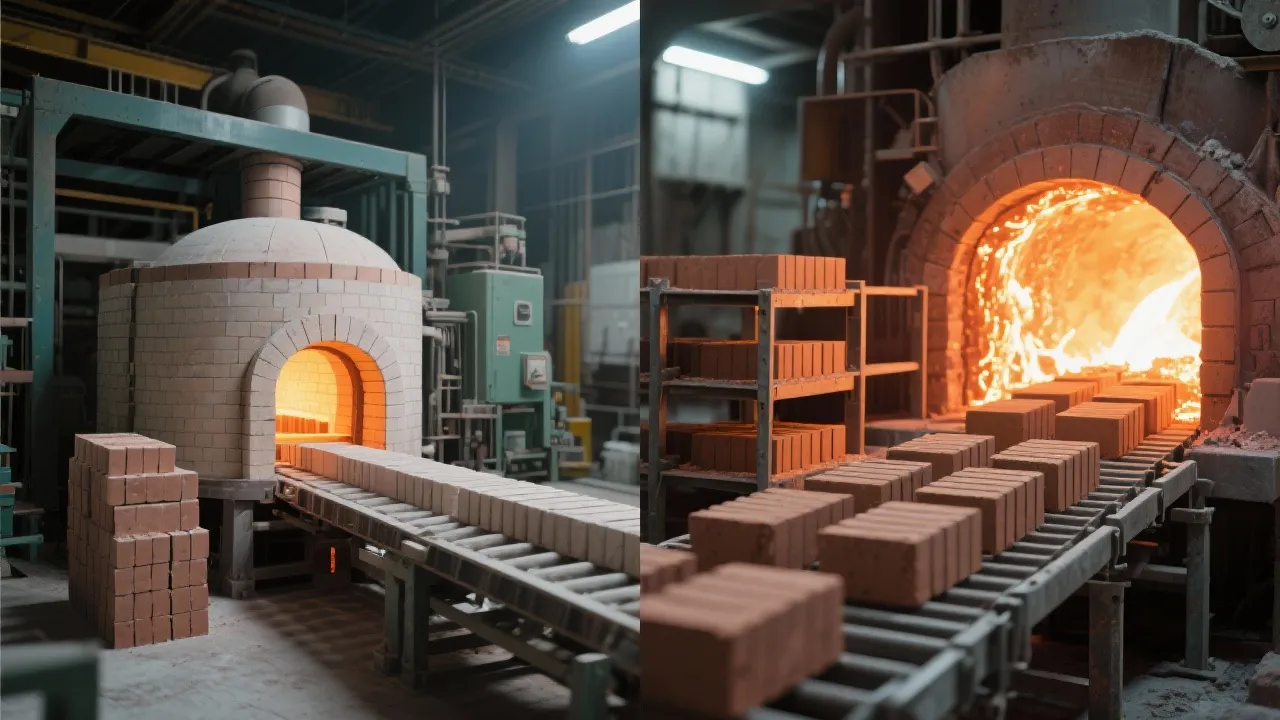
The correct installation of magnesium-carbon bricks in steelmaking furnaces plays a crucial role in optimizing operational efficiency and furnace longevity. Improper construction not only shortens the refractory lifespan but also substantially increases risks such as brick explosions and premature failures. Leveraging detailed procedural knowledge, engineers and technicians can improve furnace lining durability by over 30%, enabling more cost-effective and reliable steel production.
Missteps in Mg-Cr brick laying often include inadequate substrate cleaning, excessive joint widths, improper anchor placement, and insufficient baking processes. Each of these errors can lead to issues such as localized spalling, bulging, and bonding failure, which ultimately compromise the furnace's heat containment and operational safety.
| Common Errors | Recommended Correct Practices |
|---|---|
| Substrate debris left uncleared | Thorough cleaning ensuring a contaminant-free and roughened surface for optimal adhesion |
| Brick joint widths exceeding 3 mm | Maintain mortar joints at or below 3 mm to ensure minimal thermal stress pathways |
| Random or sparse anchoring | Strategic and dense placement of anchors for structural stability and crack prevention |
| Overlooking staged baking schedules | Implement segmented heating curves tailored to brick dimensions and ambient conditions |
The installation process comprises several critical stages, each demanding precision and adherence to technical standards:
Discerning the root causes of common defects enables proactive maintenance:
Empower your construction teams with attention to these key operational points:
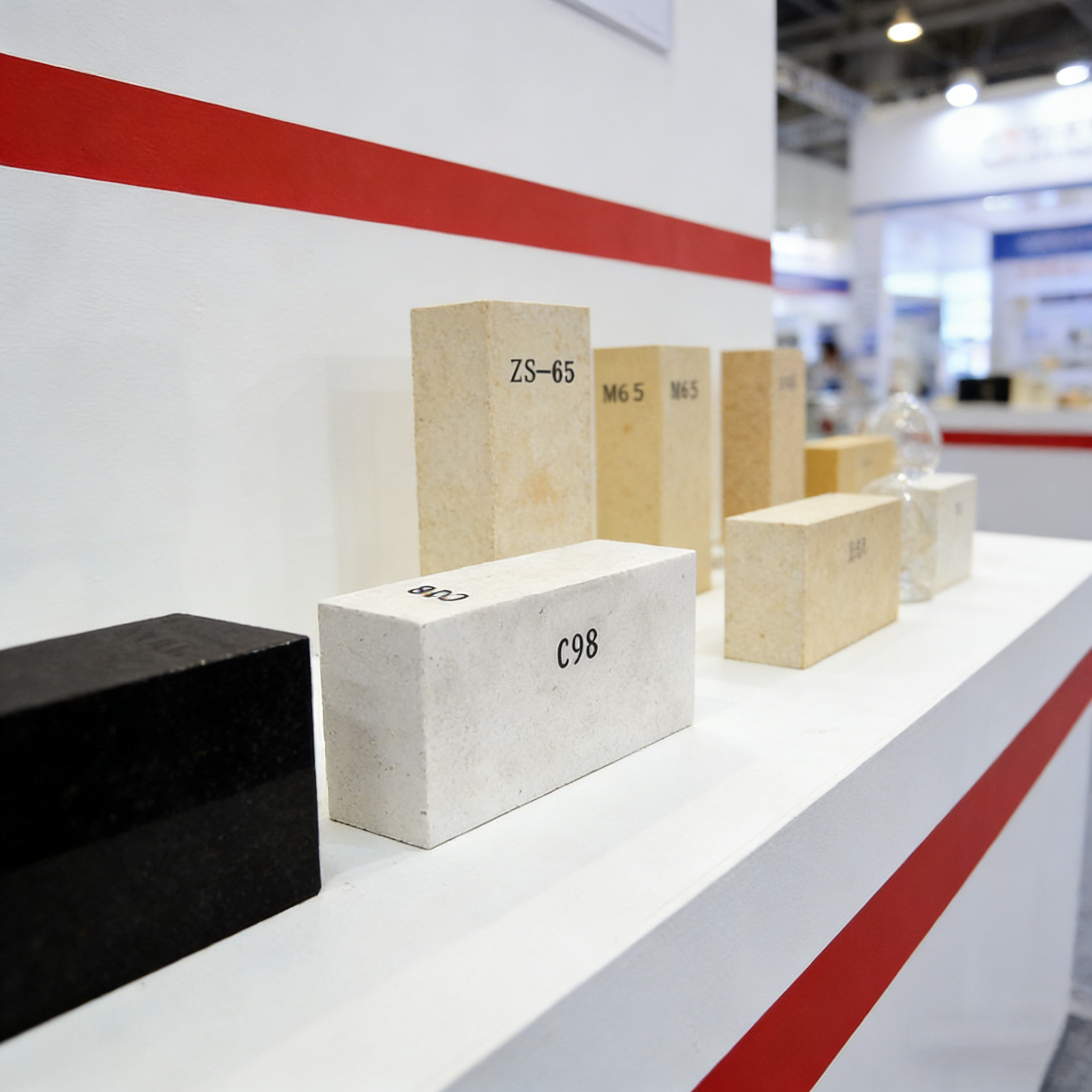
Studies and field data from the Huanai High Temperature brand have shown that strict adherence to these installation protocols extends furnace lining service life by approximately 30% compared to conventional methods. This improvement translates into reduced downtime and fewer emergency repairs, ultimately lowering overall production costs.


 361
|
361
|
 EAF magnesia carbon brick alkali resistance
sintered magnesia carbon brick technology
refractory chemical stability
EAF lining maintenance
high temperature industrial furnace refractories
EAF magnesia carbon brick alkali resistance
sintered magnesia carbon brick technology
refractory chemical stability
EAF lining maintenance
high temperature industrial furnace refractories
 448
|
magnesia
carbon
bricks
thermal
shock
stability
resin
binder
graphite
content
nano
carbon
fibers
448
|
magnesia
carbon
bricks
thermal
shock
stability
resin
binder
graphite
content
nano
carbon
fibers
 126
|
magnesia-chrome refractory bricks
heat shock resistance technology
high-temperature refractory materials
thermal expansion coefficient
microcrack self-healing
381
|
Copper smelting furnace life extension
Chrome corundum brick corrosion resistance
High-temperature refractory stability
Furnace maintenance technology
Metallurgical refractory solutions
126
|
magnesia-chrome refractory bricks
heat shock resistance technology
high-temperature refractory materials
thermal expansion coefficient
microcrack self-healing
381
|
Copper smelting furnace life extension
Chrome corundum brick corrosion resistance
High-temperature refractory stability
Furnace maintenance technology
Metallurgical refractory solutions
 65
|
chrome corundum refractory bricks
copper smelting refractory materials
flash smelting refractory selection
converter refining refractory performance
high-temperature corrosion resistant bricks
65
|
chrome corundum refractory bricks
copper smelting refractory materials
flash smelting refractory selection
converter refining refractory performance
high-temperature corrosion resistant bricks