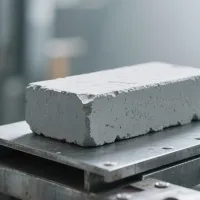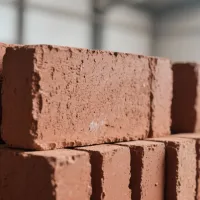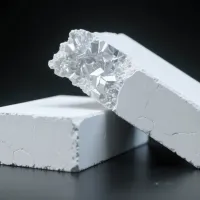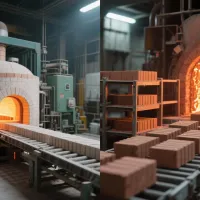
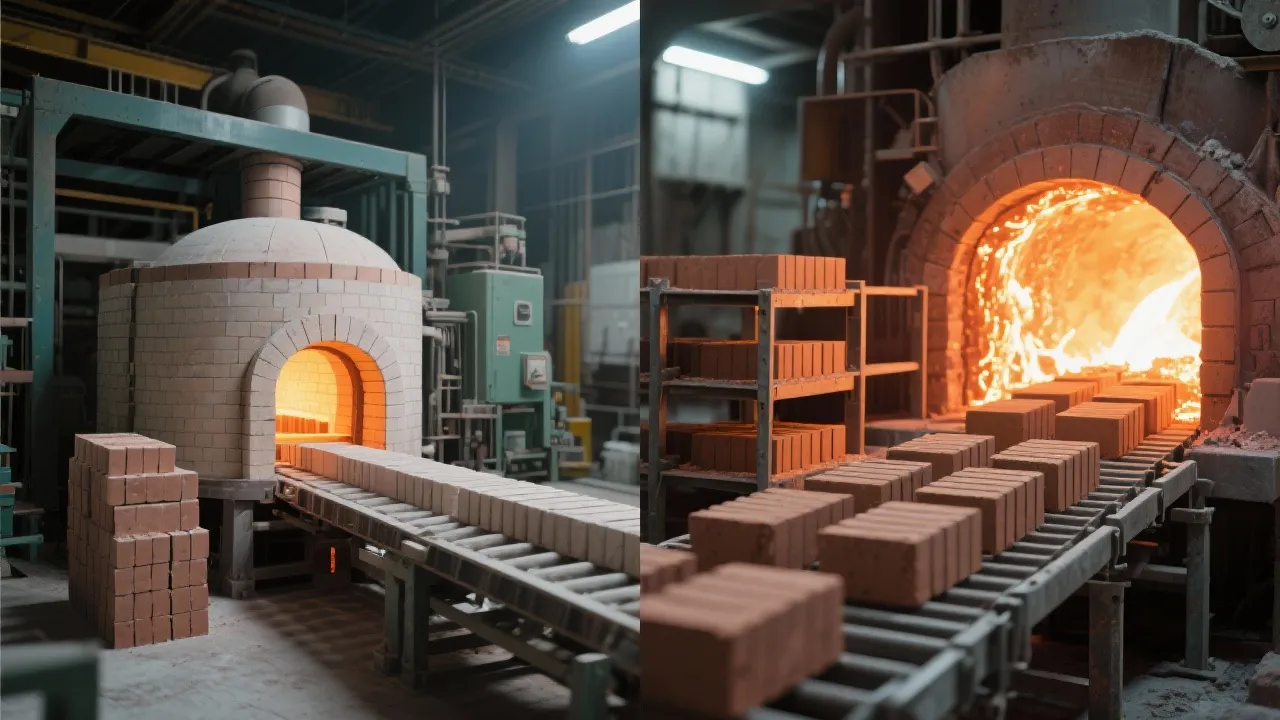
Magnesia carbon bricks remain a cornerstone in high-temperature industrial furnaces, especially in the steel and cement industries. However, they face severe corrosion risk from alkali slags, which aggressively attack refractory linings, compromising furnace longevity and operational efficiency. This article explores how advanced sintered magnesia-carbon bricks produced by Huana High Temperature leverage high-purity raw materials combined with innovative antioxidants to substantially enhance alkali slag resistance, reducing maintenance frequency and optimizing furnace uptime.
Alkali slags, predominantly composed of sodium and potassium compounds, become highly aggressive corrosive agents when molten at furnace operating temperatures above 1600°C. These slags penetrate and chemically interact with refractory materials, initiating mechanisms such as fluxing of magnesia phases and carbon depletion, accelerating material degradation. Studies show that in typical steel or cement rotary kilns, alkali slag erosion can reduce refractory lifespan by 30%-50%, leading to significant unplanned shutdowns and increased repair costs.
The cornerstone of improved alkali slag resistance lies in using ultra-high purity sintered magnesia (>98% MgO) combined with natural flake graphite. This composite achieves superior chemical stability and thermal conductivity. High-purity magnesia minimizes deleterious impurity phases which typically react with alkali components. Natural graphite serves as a carbon skeleton, providing crack resistance under thermal cycling. The synergy between these raw materials leads to a denser microstructure with reduced slag infiltration pathways.
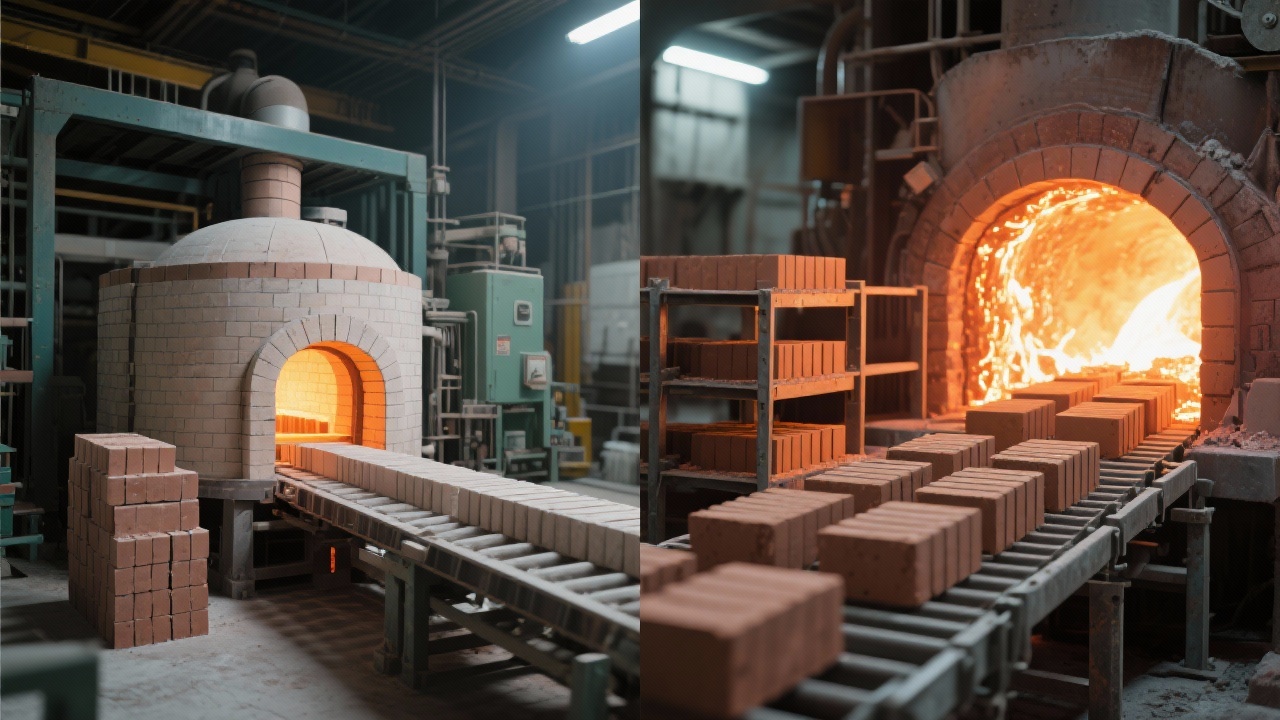
Antioxidants such as metal aluminum and silicon powders are incorporated to combat oxidative degradation prevalent in high-temperature operations. Upon exposure, these additives facilitate in-situ formation of a dense, protective carbonaceous layer on the graphite skeleton. This layer markedly reduces oxygen and slag permeability. Experimental data reveal that bricks with optimized antioxidant content show up to a 40% improvement in oxidation resistance compared to bricks without these additives. This carbon layer acts as a dynamic shield, continuously replenishing despite thermal shocks.
Advanced microscopy and thermal analysis techniques have mapped the protective carbon layer’s evolution. Initially, metal powders oxidize to form a metal oxide film, prompting carbon redistribution that seals micro-cracks and blocks slag intrusion paths. This regeneration capability enhances resistance to thermal shock cycles, typically exceeding 150 cycles without significant weight loss or structural failure in lab simulations.
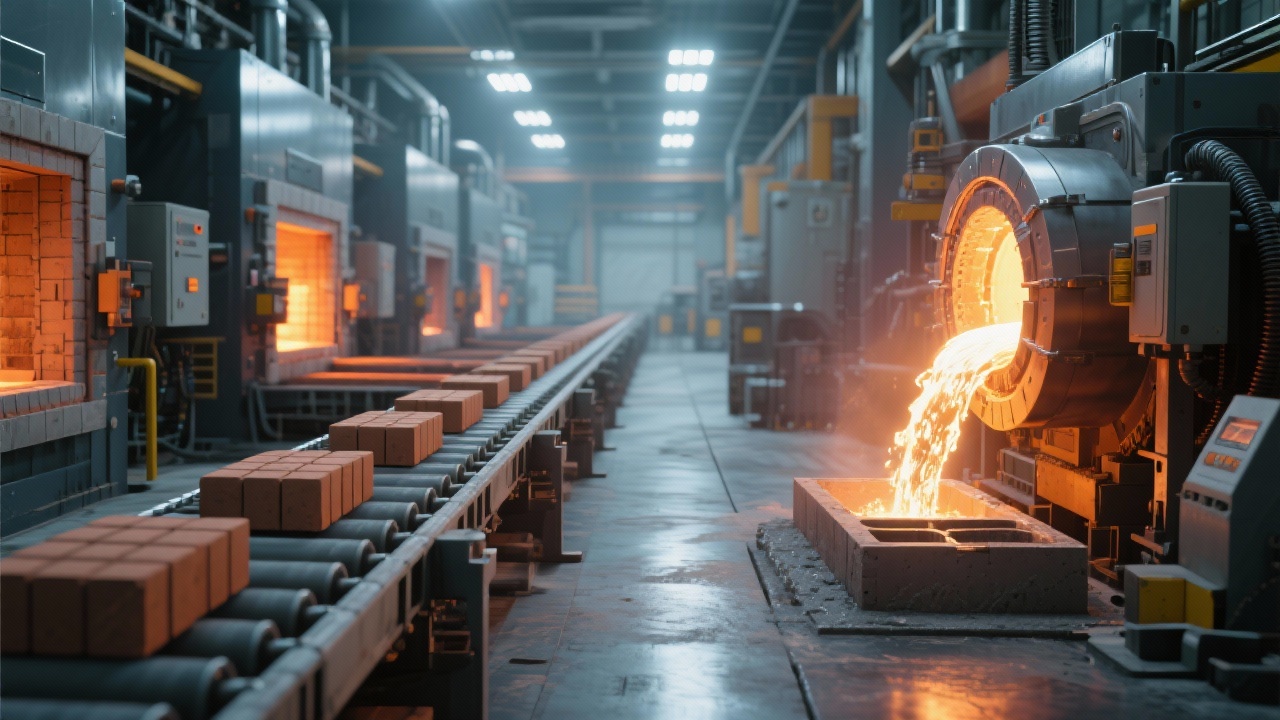
Field trials conducted in multiple steel mills and cement plants demonstrated that Huana High Temperature’s magnesia carbon bricks outperform conventional variants in corrosion resistance and service life. For instance, steel plants reported a 25% increase in campaign length, translating into reduced downtime and maintenance overheads. Similarly, cement rotary kilns observed a decrease in lining repair frequency by approximately 30%. These improvements directly boost operational economics by lowering material and labor costs.
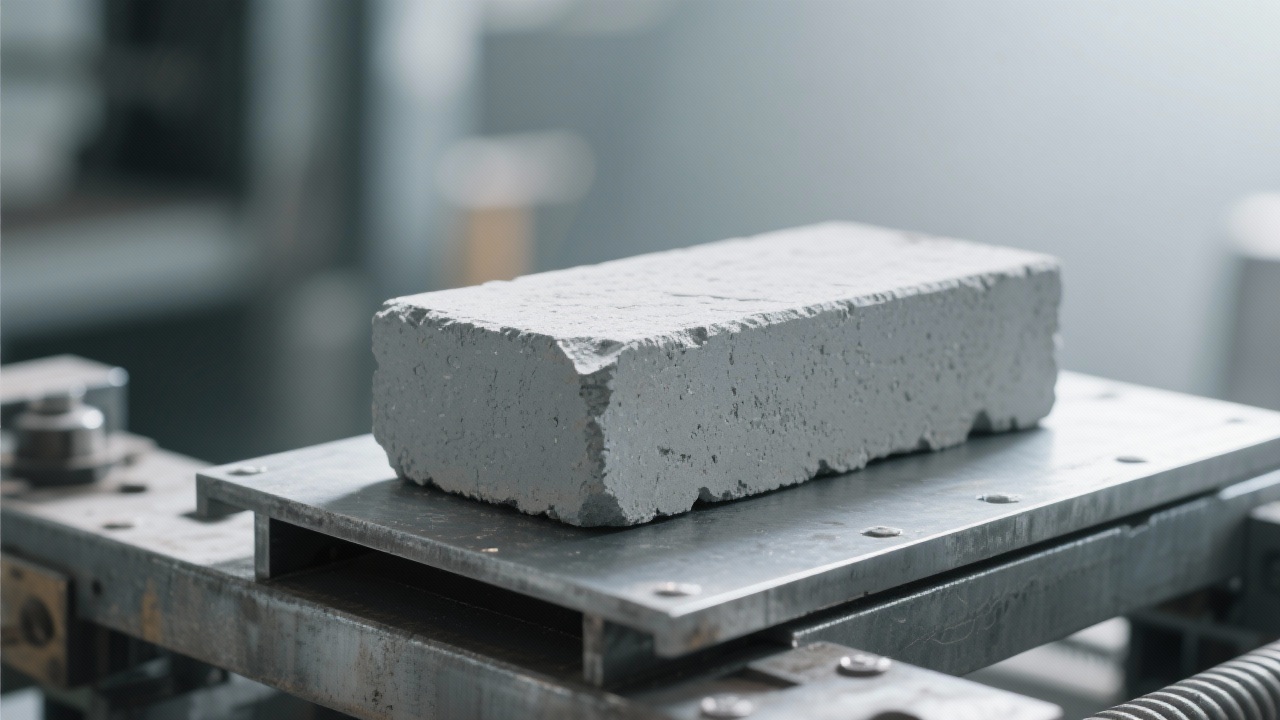
The integrated approach of using high-purity magnesia, natural flake graphite, and carefully optimized antioxidant additives equips refractory linings to resist alkali slag attack and oxidative challenges more effectively. This breakthrough not only prolongs furnace linings’ functional lives but also yields measurable benefits by minimizing furnace downtime, lowering maintenance costs, and reducing energy consumption thanks to improved thermal insulation stability.
 201
|
201
|
 refractory brick thermal shock testing
water quenching vs air cooling
aluminum oxide refractory performance
low porosity refractory bricks
ISO ASTM refractory standards
refractory brick thermal shock testing
water quenching vs air cooling
aluminum oxide refractory performance
low porosity refractory bricks
ISO ASTM refractory standards
 446
|
chrome corundum bricks
copper smelting furnace life extension
refractory corrosion resistance
high-temperature refractory materials
furnace maintenance optimization
446
|
chrome corundum bricks
copper smelting furnace life extension
refractory corrosion resistance
high-temperature refractory materials
furnace maintenance optimization
 279
|
Corundum refractory bricks
High alumina refractory materials
High temperature and corrosion resistant refractory bricks
Sintering and melting processes
Refractory brick application cases
279
|
Corundum refractory bricks
High alumina refractory materials
High temperature and corrosion resistant refractory bricks
Sintering and melting processes
Refractory brick application cases
 65
|
chrome corundum refractory bricks
copper smelting refractory materials
flash smelting refractory selection
converter refining refractory performance
high-temperature corrosion resistant bricks
65
|
chrome corundum refractory bricks
copper smelting refractory materials
flash smelting refractory selection
converter refining refractory performance
high-temperature corrosion resistant bricks
 353
|
chromia corundum refractory bricks
copper smelting refractory materials
refractory brick performance
thermal shock resistant bricks
refractory failure analysis
353
|
chromia corundum refractory bricks
copper smelting refractory materials
refractory brick performance
thermal shock resistant bricks
refractory failure analysis