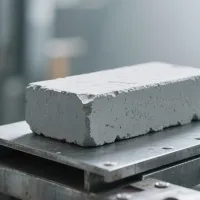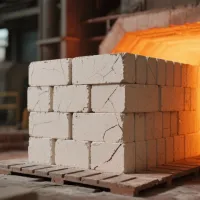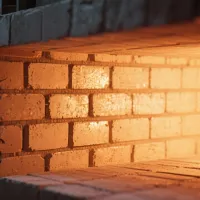
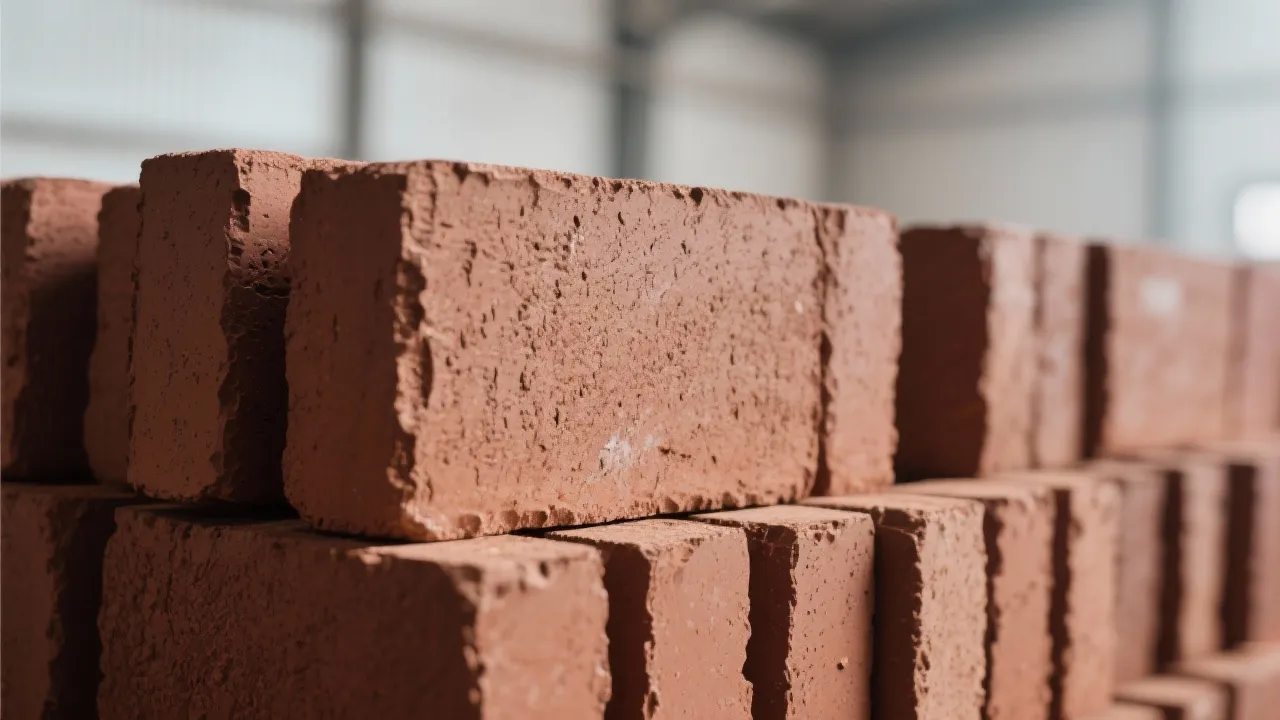
In high-temperature industrial furnaces used across steel, cement, and related industries, the durability of refractory linings against alkali slag corrosion remains a critical challenge. 华耐高温 (Huanei High Temperature) has made significant strides in improving the alkali slag resistance of sintered magnesia-carbon bricks, leveraging optimized raw material purity and innovative antioxidant technologies. This article delves into the microstructural mechanisms and real-world performance enhancements that this advancement brings to furnace operational reliability.
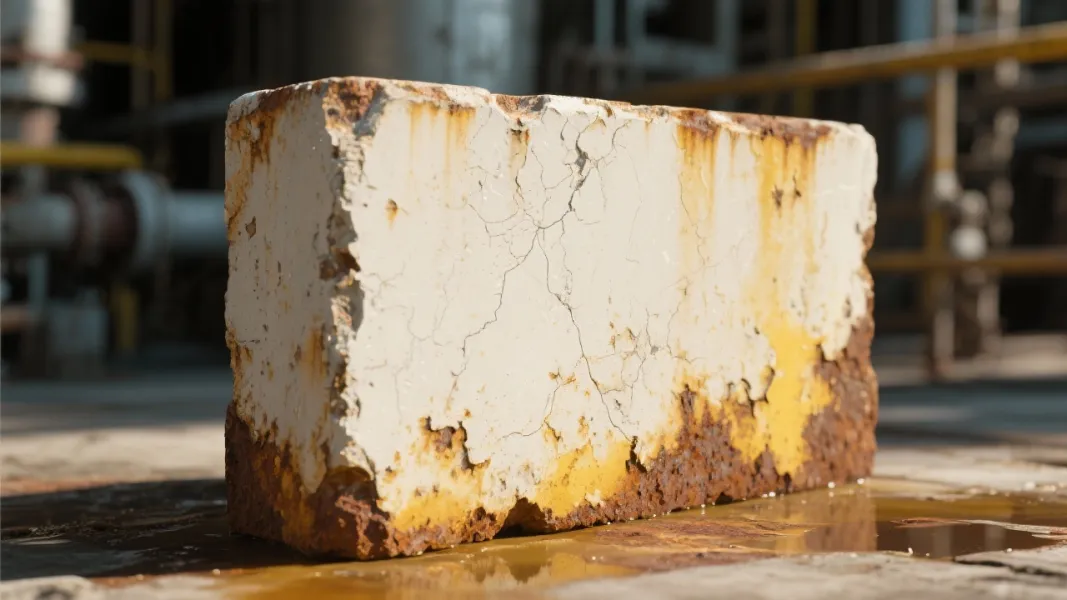
Alkali slags, formed from sodium and potassium compounds, aggressively attack furnace linings at temperatures exceeding 1500°C. Conventional magnesia-carbon bricks, despite their thermal shock resistance and mechanical strength, can suffer from slag infiltration resulting in premature lining failure. Prolonged exposure leads to material degradation, reduced furnace uptime, and increased maintenance costs. Addressing these issues requires both material innovation and process optimization.
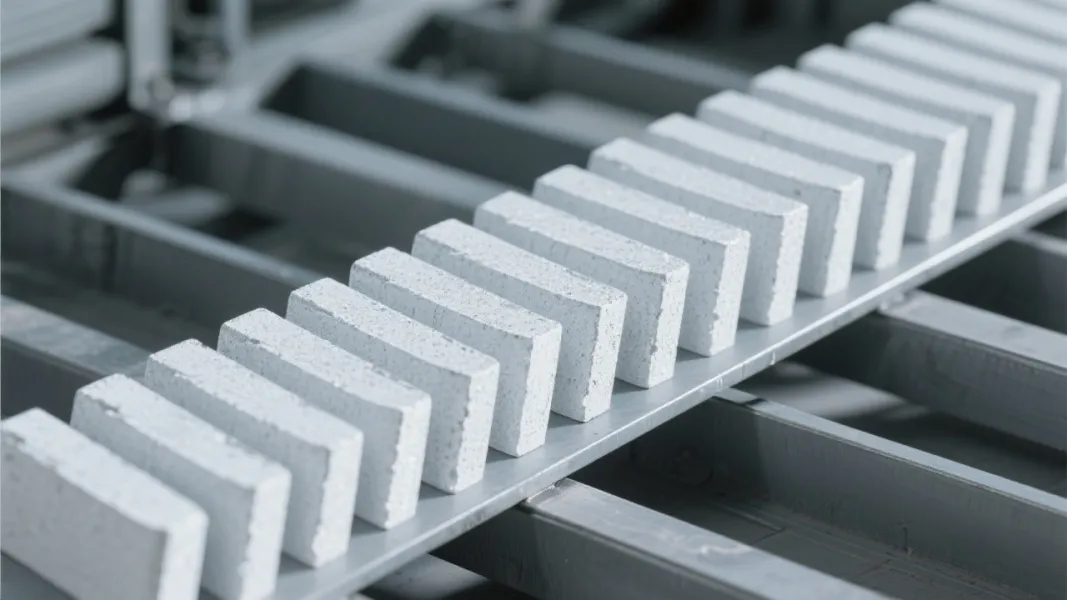
A key to enhanced alkali slag resistance lies in the selection and precise formulation of raw materials. 华耐高温 employs high-purity sintered magnesia (MgO) with purity levels above 95%, minimizing impurities that catalyze slag penetration. Combined with a well-engineered graphite skeleton, this composition achieves an optimal balance of thermal conductivity, mechanical strength, and chemical stability. The graphite matrix's laminar structure provides crack deflection and self-healing carbon deposition, vitally slowing slag ingress.
Antioxidants are indispensable additives that retard the oxidation of graphite at elevated temperatures. The specially formulated antioxidants in 华耐高温’s magnesia-carbon bricks facilitate the in-situ generation of a dense, protective carbon layer on the brick surface. This carbon layer acts as a barrier, not only impeding oxygen diffusion but also limiting the penetration of aggressive alkali species. Common antioxidants utilized include ferrochromium, silicon metal powder, and aluminum powder, each contributing unique oxidative resilience and microstructural benefits.
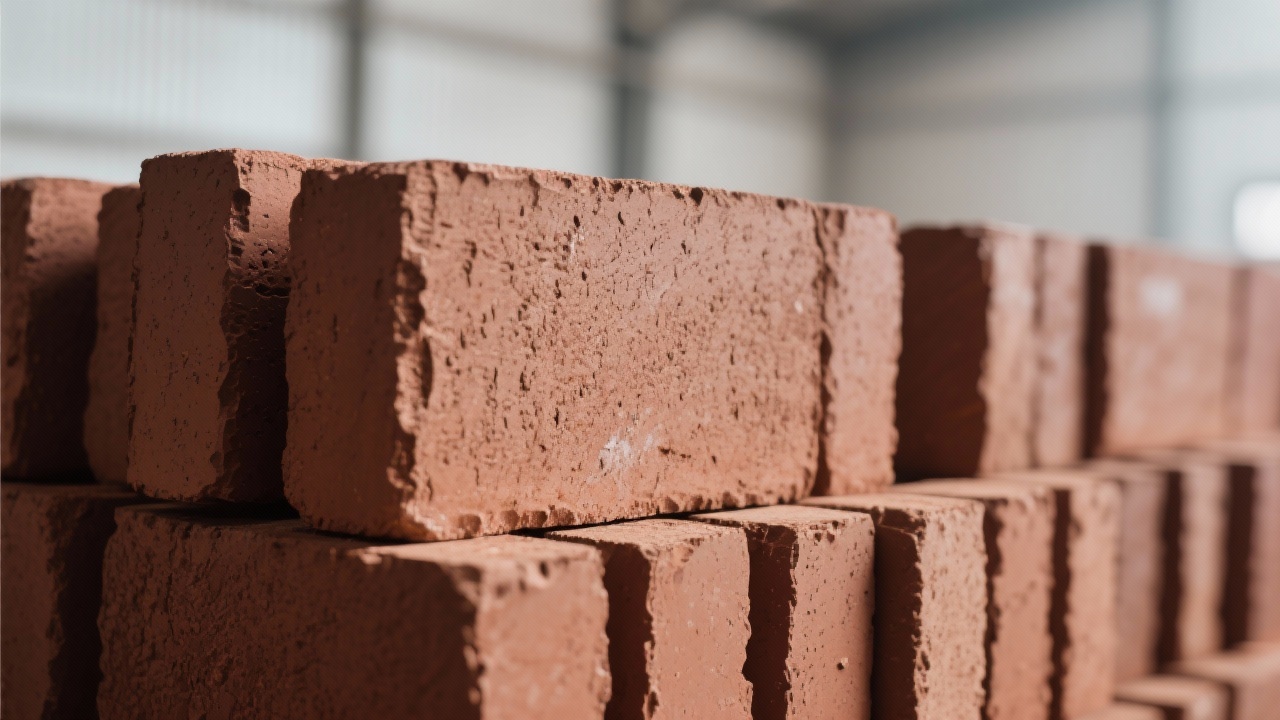
Scanning Electron Microscope (SEM) analyses reveal the homogeneous distribution of graphite and dense MgO grain packing, key factors in mechanical strength and slag resistance. Performance testing under simulated alkali slag conditions demonstrates up to a 30% improvement in penetration resistance compared to traditional formulations. Thermal conductivity remains robust, averaging 31 W/m·K at 1200°C, ensuring efficient heat transfer essential for furnace stability.
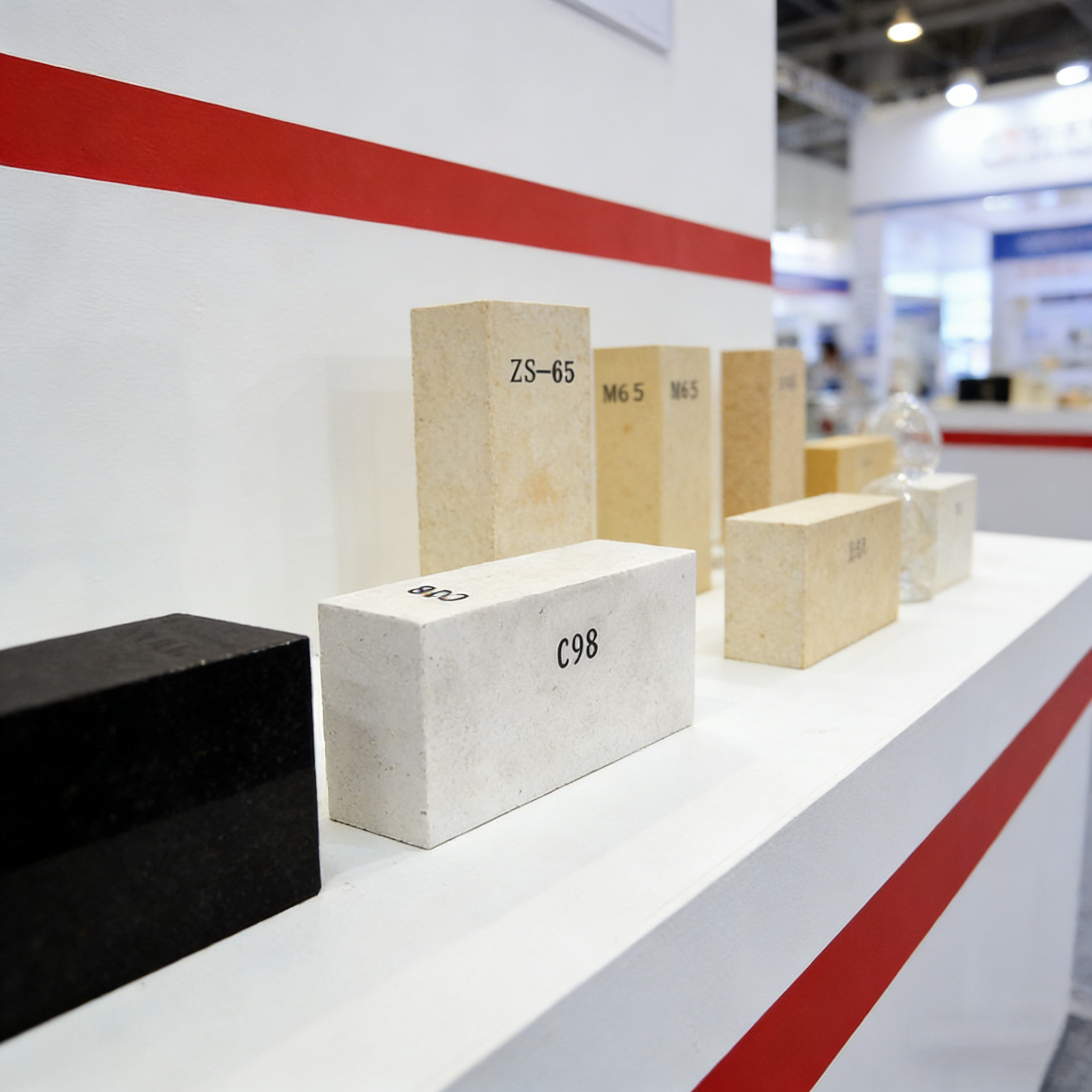
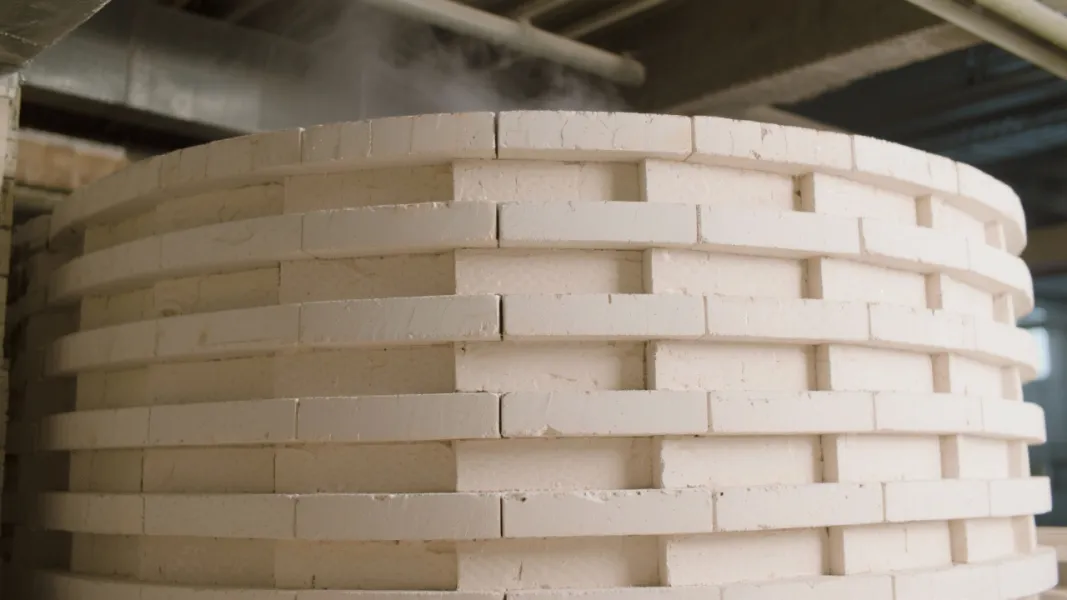
华耐高温 magnesia-carbon bricks have been successfully applied in steel converters, rotary cement kilns, and coke ovens, with documented lining lives extended by up to 25%. For instance, a major steel plant reported a reduction in unscheduled shutdowns and a 15% decrease in refractory consumption costs after switching to this advanced brick. The improved thermal stability contributes to energy savings by maintaining efficient furnace heat balance.

华耐高温 invites feedback from industry professionals to continually refine material performance through real-world insights. Engaging with user experiences enables advancement in both product development and service excellence.
 251
|
251
|
 high-temperature industrial furnace lining
magnesia carbon brick
refractory material optimization
furnace lining design
corrosion and heat resistance
high-temperature industrial furnace lining
magnesia carbon brick
refractory material optimization
furnace lining design
corrosion and heat resistance
 224
|
chrome corundum refractory bricks
copper smelting refractories
flash smelting refractory selection
converter furnace refractory materials
refractory failure analysis
378
|
Corundum refractory bricks
High alumina refractory materials
Metallurgy industry refractory bricks
Glass industry refractory bricks
Refractory brick selection
224
|
chrome corundum refractory bricks
copper smelting refractories
flash smelting refractory selection
converter furnace refractory materials
refractory failure analysis
378
|
Corundum refractory bricks
High alumina refractory materials
Metallurgy industry refractory bricks
Glass industry refractory bricks
Refractory brick selection
 201
|
chromia corundum refractory bricks
copper smelting refractory materials
wear-resistant refractory bricks
thermal shock resistant bricks
converter furnace refractory
201
|
chromia corundum refractory bricks
copper smelting refractory materials
wear-resistant refractory bricks
thermal shock resistant bricks
converter furnace refractory
 174
|
refractory brick thermal shock test
water quench thermal shock method
air cooling thermal shock method
ASTM C1259 thermal shock
ISO 18897 refractory testing
174
|
refractory brick thermal shock test
water quench thermal shock method
air cooling thermal shock method
ASTM C1259 thermal shock
ISO 18897 refractory testing