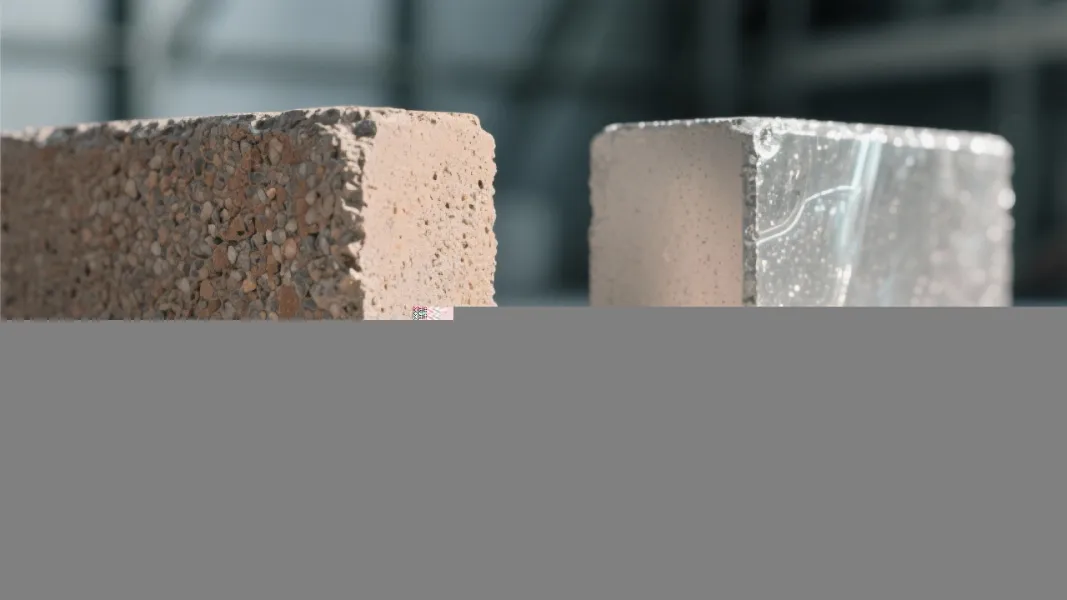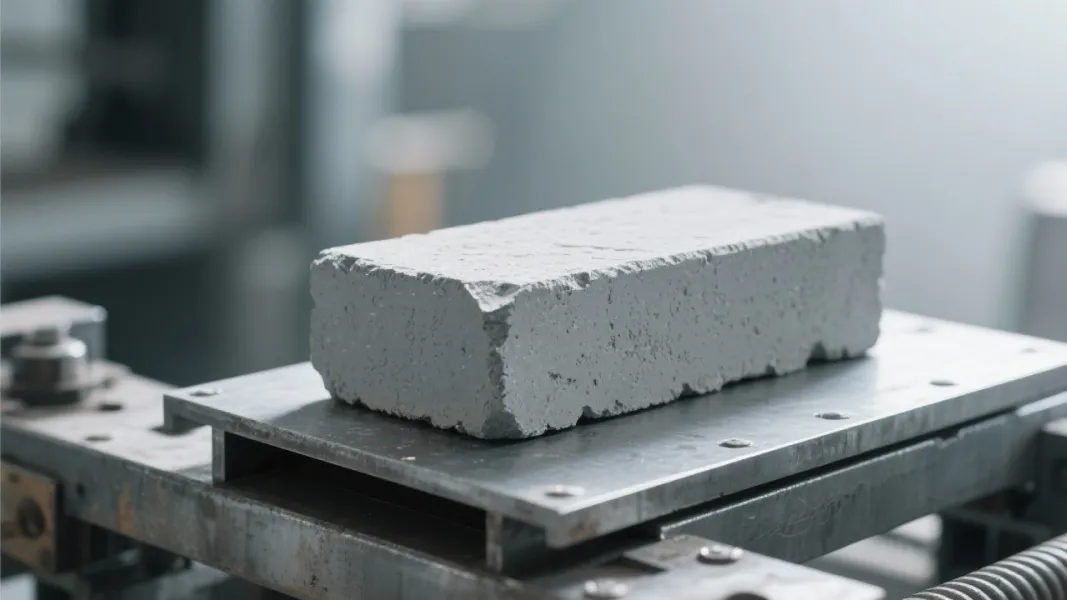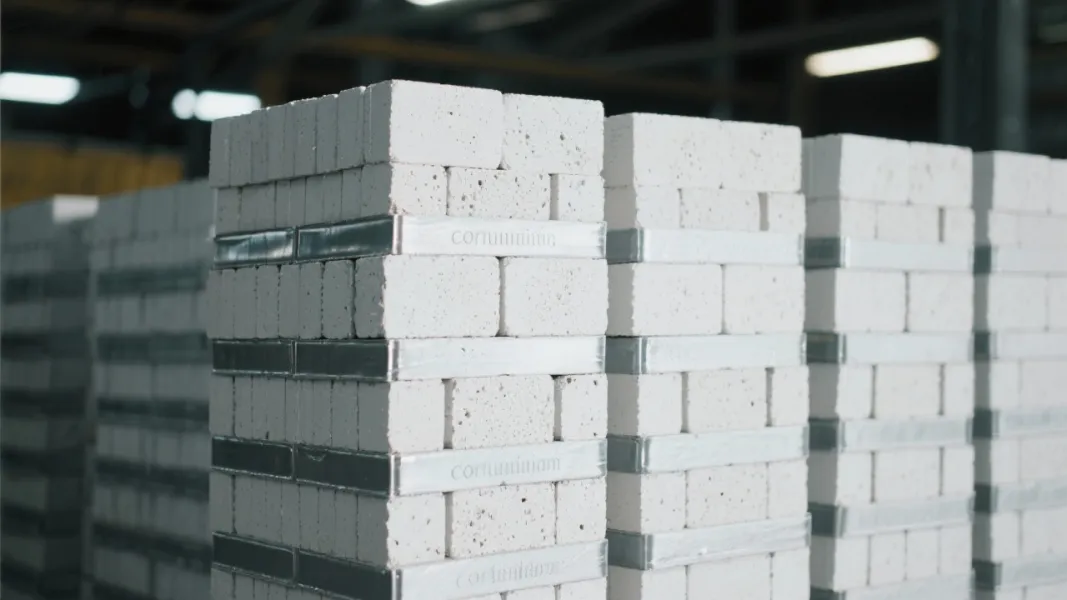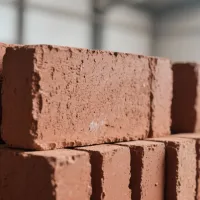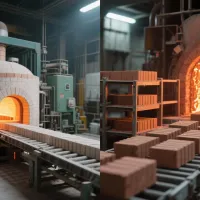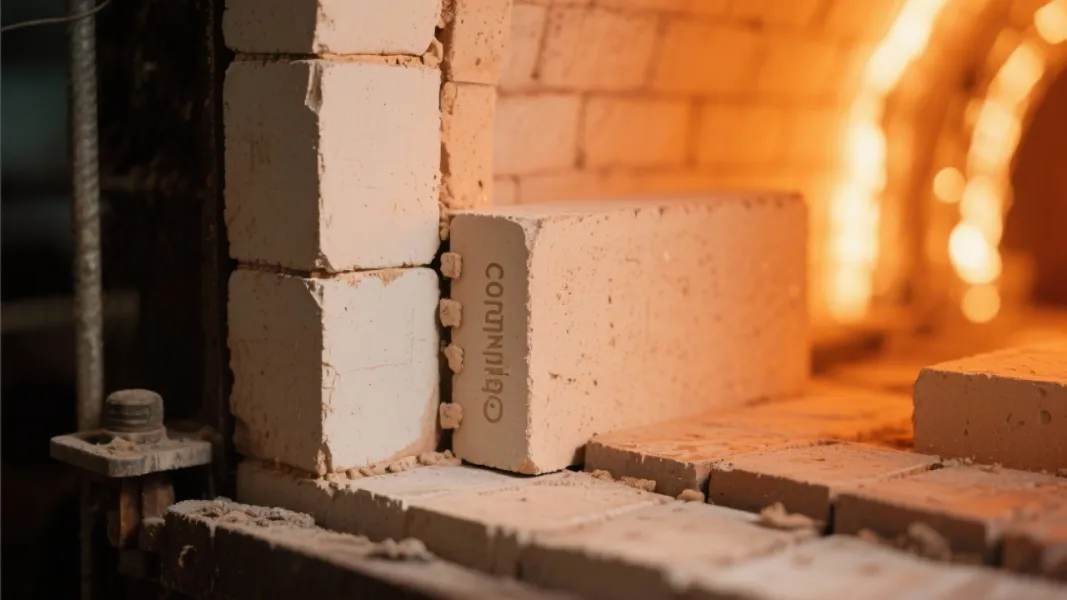
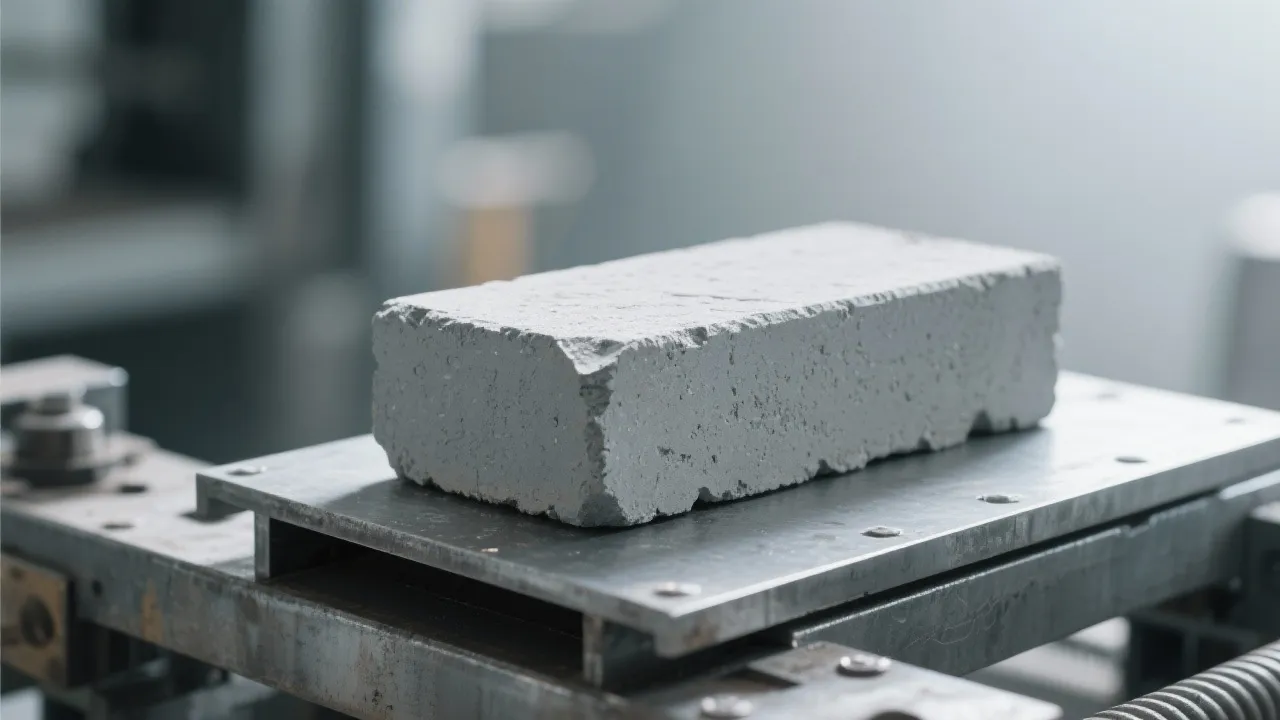
Magnesia-carbon bricks play an indispensable role in high-temperature industrial furnaces—especially within steel and cement sectors—where they must withstand aggressive alkali slag corrosion that threatens operational stability and equipment longevity. 华耐高温's premium sintered magnesia-carbon bricks exemplify innovation in this field, boasting superior alkali slag resistance through a combination of meticulous raw material selection and advanced microstructural engineering.
The foundation of enhanced anti-alkali slag performance lies in using high-purity sintered magnesia and natural flake graphite. Sintered magnesia with purity exceeding 97.5% ensures optimal refractory strength and low impurity content, which reduces unwanted chemical reactions under furnace conditions. Meanwhile, natural flake graphite enhances thermal conductivity and forms a carbon matrix that resists slag infiltration.
Integrating controlled amounts of metal aluminum powder and silicon powder as antioxidants markedly improves resistance to thermal shock and oxidative degradation. These agents react during high-temperature exposure to form protective aluminum oxide and silicon oxide layers. This antioxidant protection reduces carbon oxidation, sustaining the carbon layer integrity critical to resisting alkali slag erosion.
The synergistic effect between high-purity magnesia, graphite, and antioxidants culminates in the formation of a stable and dense protective carbonaceous layer during furnace operation. This layer acts as a physical barrier against the infiltration and chemical attack of alkaline slags.
Microstructural analysis reveals a uniform dispersion of graphite flakes embedded within the magnesia matrix, combined with minimal porosity ranging from 5-8%. This microstructure enhances mechanical integrity and thermal conductivity, essential for stable furnace lining performance under temperature gradients exceeding 1500°C.
Moreover, the microstructure facilitates the protective carbon layer’s regeneration during operation, a self-healing feature that extends service life beyond typical refractory grades by up to 30%. Additionally, the thermal conductivity typically reaches values around 12-14 W/m·K at operating temperatures, enabling efficient heat transfer and reducing thermal stress.
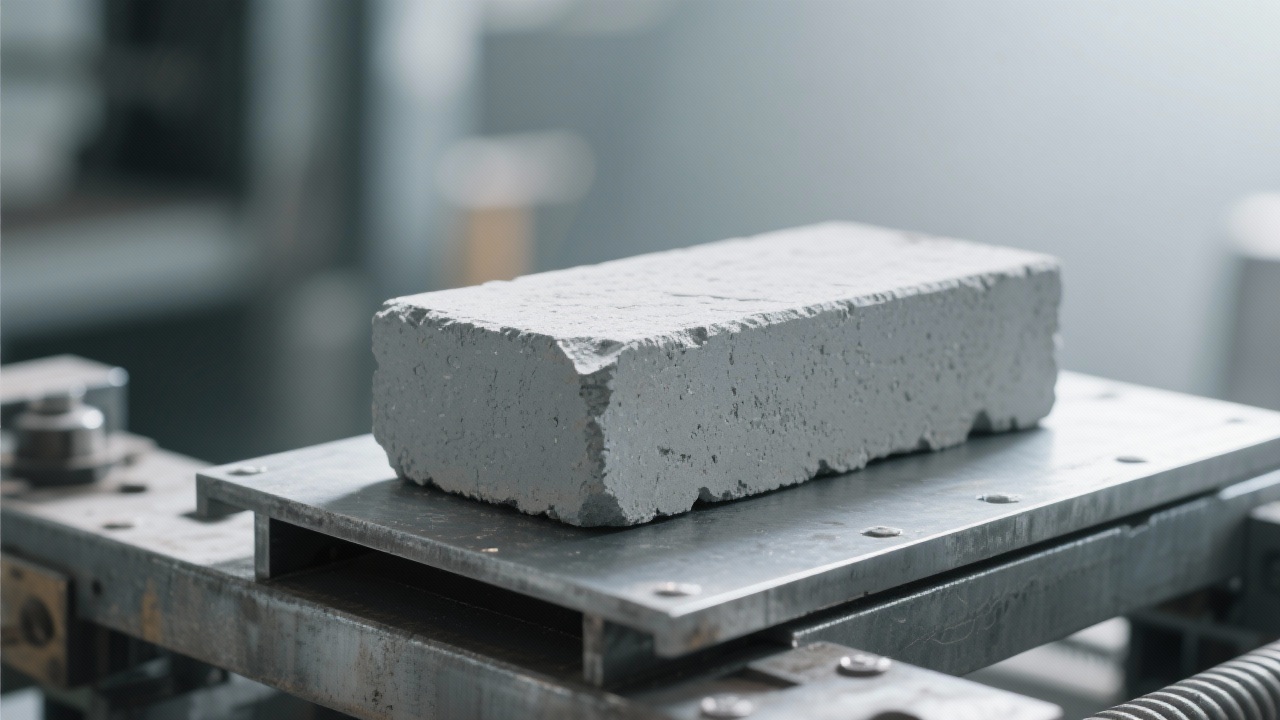
华耐高温's magnesia-carbon bricks have been field-tested in diverse industrial settings, particularly blast furnaces and rotary kilns. In steel manufacturing, these bricks demonstrate remarkable resistance to alkali slag infiltration during prolonged exposure to molten slag containing sodium and potassium compounds, reducing liner failures by approximately 25% compared to conventional magnesia bricks.
Cement kiln installations benefit from extended run times and fewer maintenance shutdowns, with reported increases in refractory lining lifespan from 8 to 11 months per campaign—translating into significant direct cost savings and enhanced production stability. In both sectors, the bricks’ physical integrity and thermal properties contribute to lower energy consumption by minimizing unwanted heat loss.
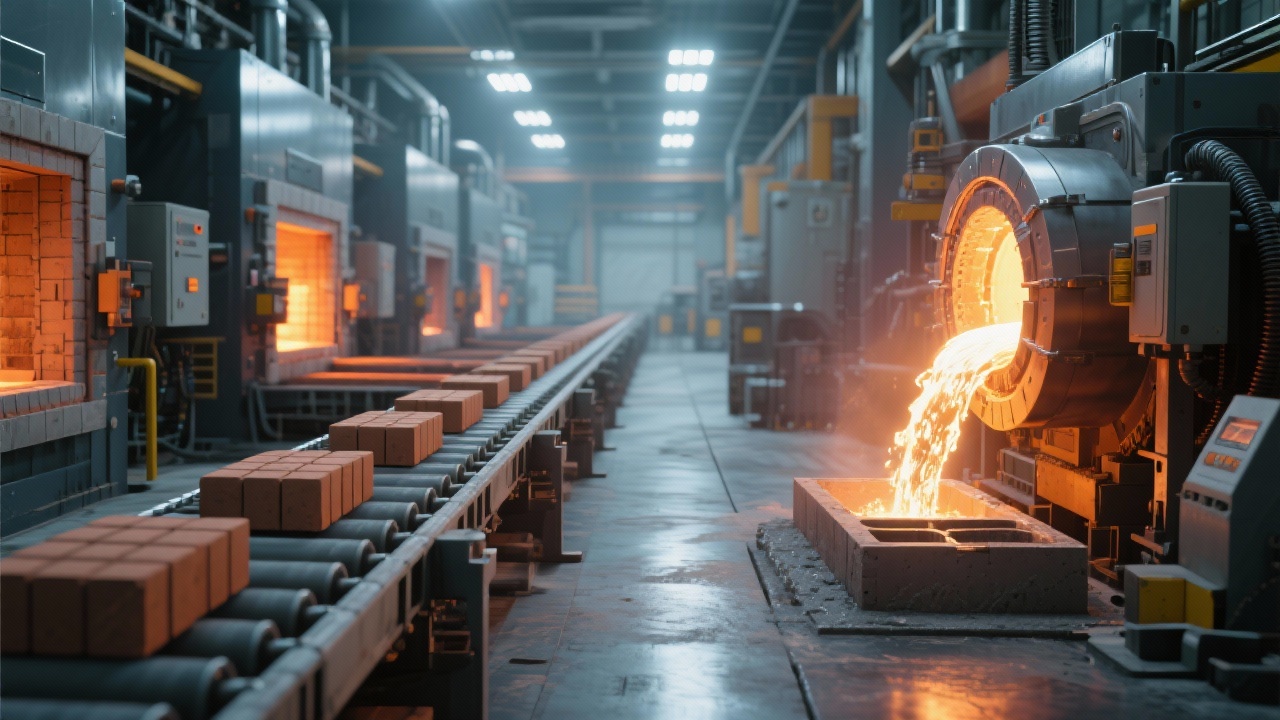
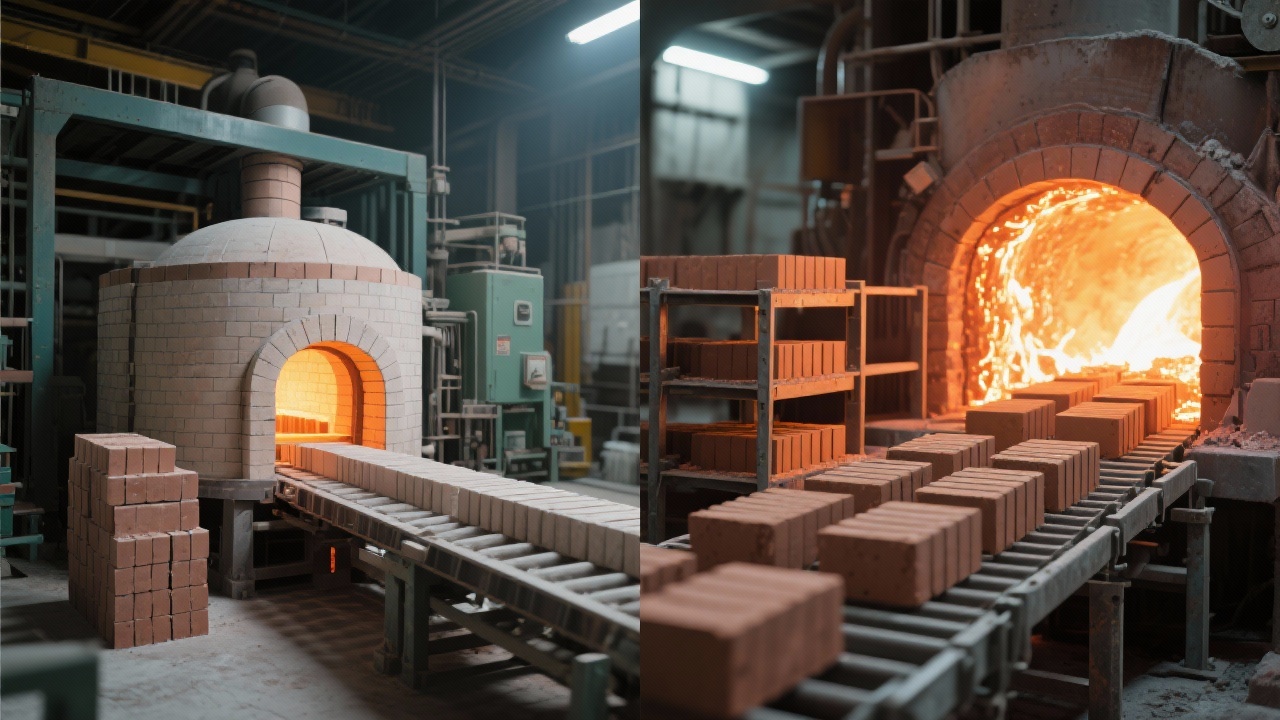
For industries aiming to maximize furnace lifespan and operational efficiency through advanced refractory technology, understanding the specific anti-alkali slag mechanisms of magnesia-carbon bricks is essential. 华耐高温 remains a trusted partner for clients seeking reliable, high-performance refractory solutions with expert technical support and consistent delivery reliability.