
Magnesia-carbon bricks are critical refractory materials widely used in high-temperature industrial furnaces, including converter steelmaking outlets and electric furnace bottoms. Their thermal shock stability directly affects operational reliability and service life. Understanding how to rigorously evaluate this property is essential for procurement specialists and technical engineers aiming to optimize furnace performance and cost-efficiency.
The thermal shock resistance of magnesia-carbon bricks is intricately linked to their internal structure. Specifically, the choice of resin binder significantly influences crack propagation behavior under rapid temperature change. Different resin types control the bonding strength and chemical stability during thermal cycles. Furthermore, the graphite content and its particle size distribution play a vital role in enhancing thermal conductivity and stress relief within the brick matrix. Uniform graphite dispersion optimizes heat transfer, thus minimizing thermal gradients that induce crack formation.
For instance, high-performance bricks typically contain 8-15% graphite with a bimodal particle size distribution to balance strength and toughness. Adding nano carbon fibers or metallic anti-oxidants has also shown promising effects in mitigating oxidative degradation and improving long-term stability.
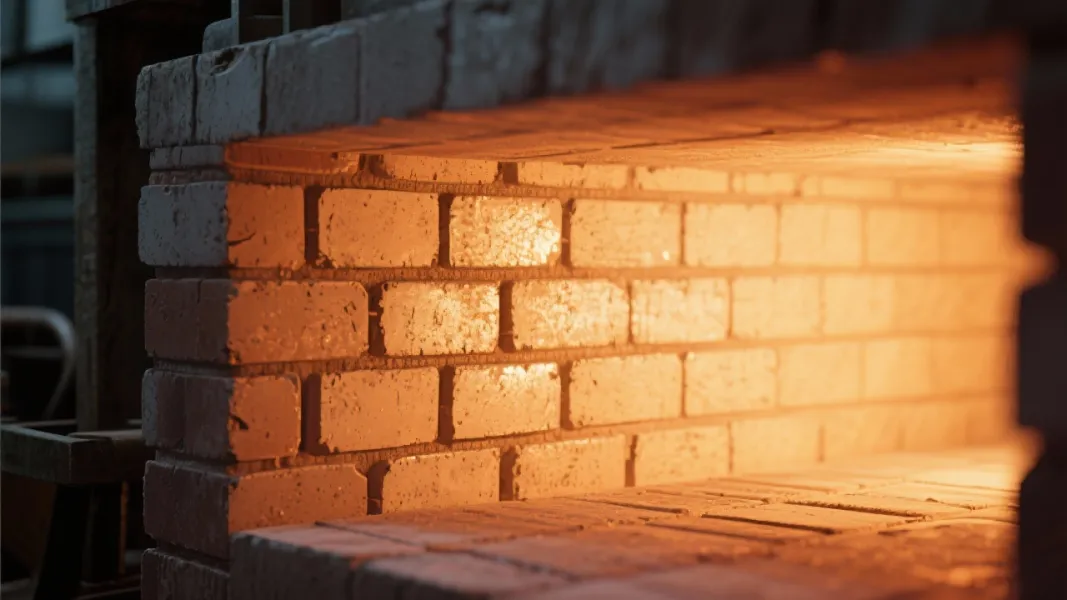
Among thermal shock evaluation techniques, the water cooling cycle test at 1100℃ is regarded as an industry benchmark. During this procedure, bricks are repeatedly heated to 1100℃ in a controlled furnace and then rapidly quenched in water, simulating real-world abrupt cooling conditions.
Key performance indicators include crack count, crack depth variation, and overall structural integrity after a defined number of cycles—commonly set at 50 full heat-cool repetitions. Standards typically demand less than 5% crack propagation rate to classify a brick as "high thermal shock resistant."
Crack propagation behavior during water cooling cycles is the most direct indicator of thermal shock resistance. Post-test analysis focuses on counting surface cracks and measuring their depth. Quantitative thresholds enable objective classification:
This approach aligns with global standards and empowers material engineers to make data-driven decisions.
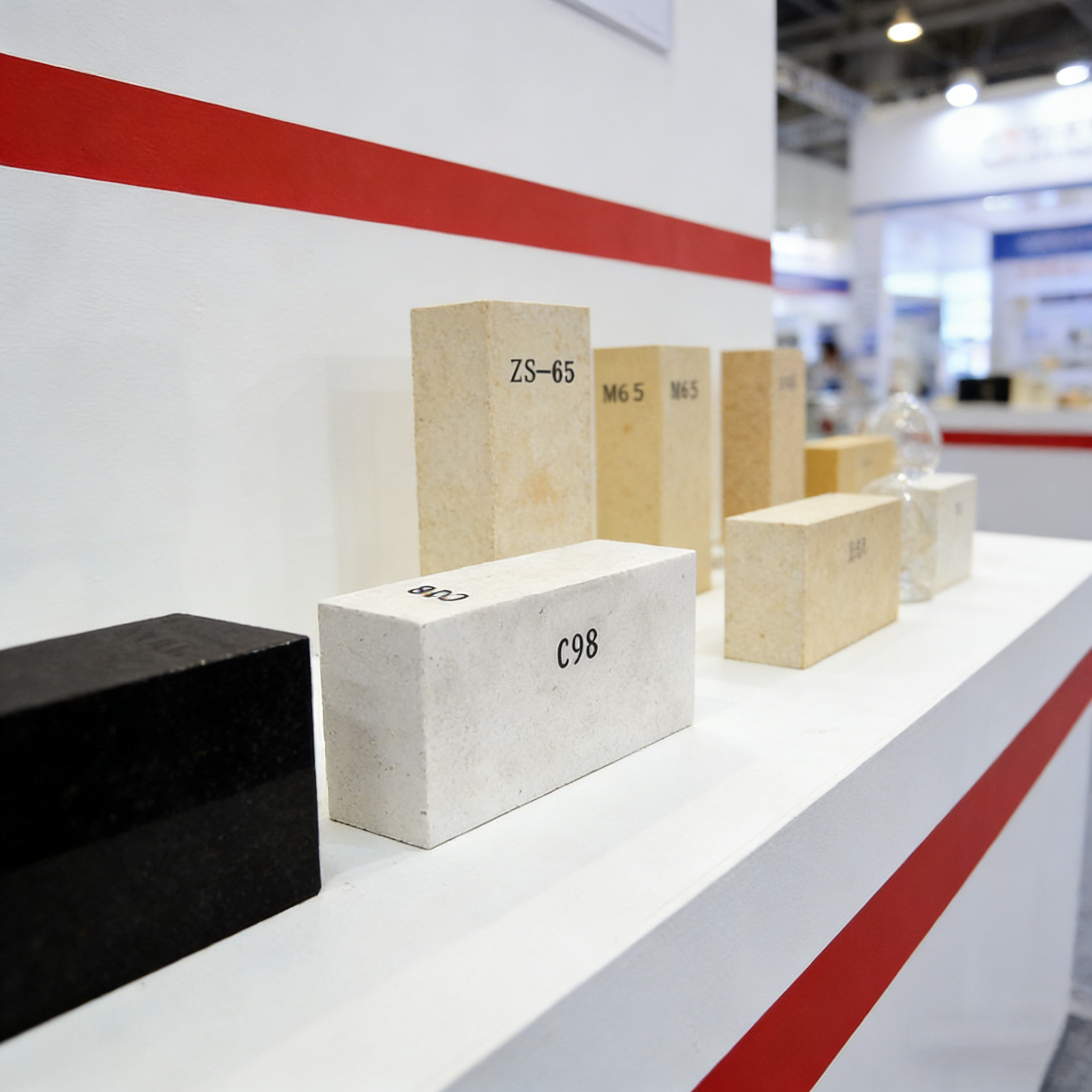
Different furnace zones experience varying thermal stresses. For example, converter steelmaking outlets encounter frequent, abrupt temperature changes during tapping, while electric furnace bottoms face intensive slag erosion alongside high thermal cycles. Understanding these nuances allows for tailored refractory selection:
Additionally, maintenance of bricks with periodic thermal imaging can help identify early signs of degradation, increasing operational safety and material lifespan.
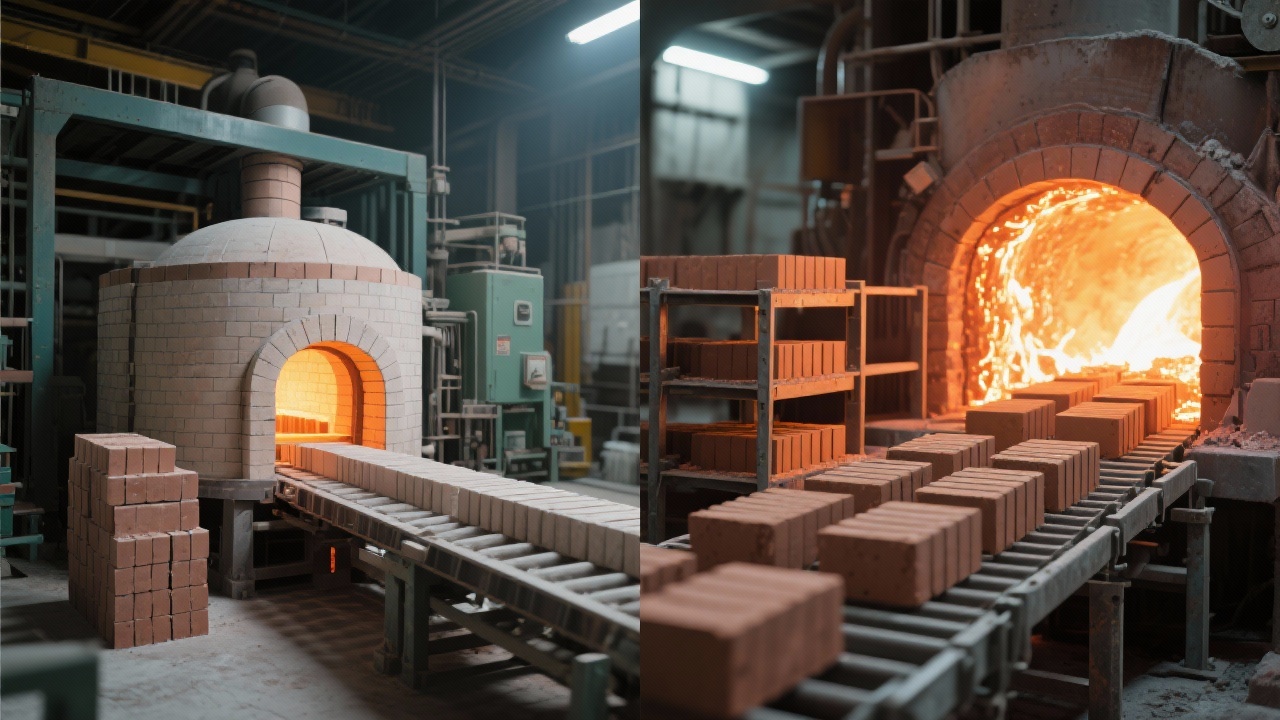
Industrial operators often encounter rapid cooling issues leading to frequent refractory failures. Reflect on your working environment:
"Is your magnesia-carbon refractory suffering from frequent cracking or early burnout? Are you struggling to balance cost and longevity?"
Scientific selection based on lab-validated thermal shock criteria could unlock significant savings and process stability.
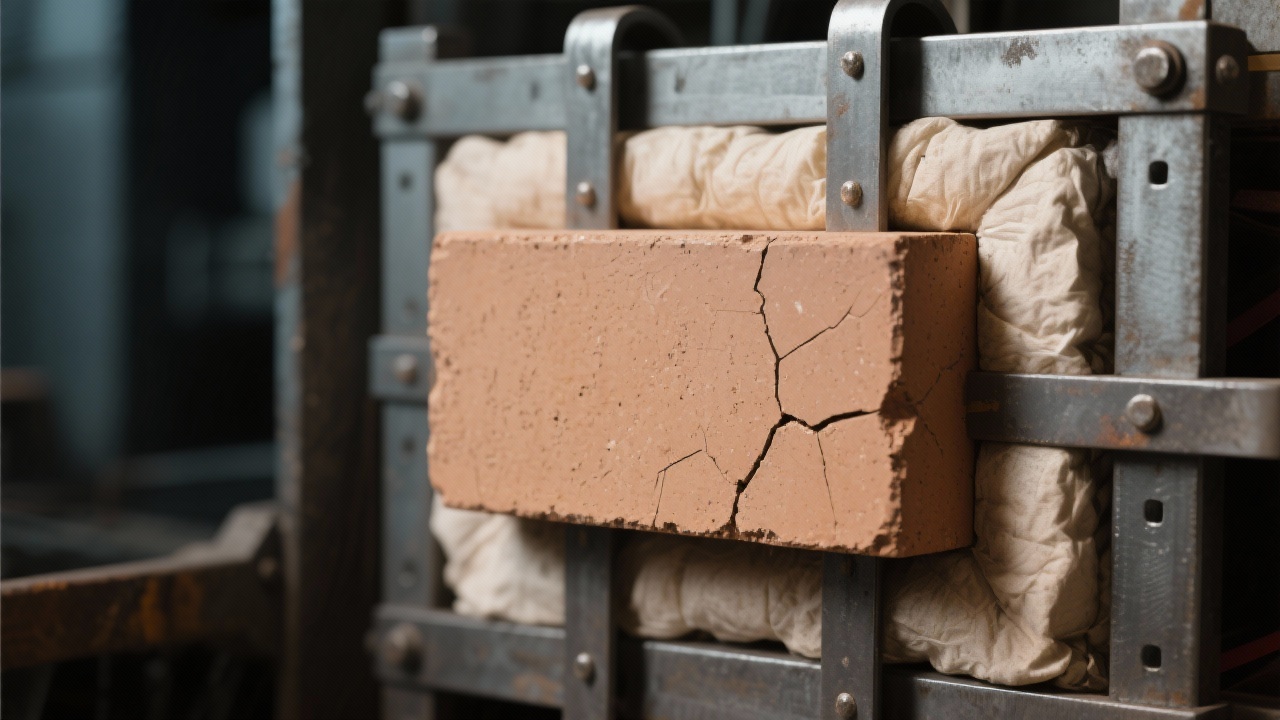

 361
|
361
|
 EAF magnesia carbon brick alkali resistance
sintered magnesia carbon brick technology
refractory chemical stability
EAF lining maintenance
high temperature industrial furnace refractories
EAF magnesia carbon brick alkali resistance
sintered magnesia carbon brick technology
refractory chemical stability
EAF lining maintenance
high temperature industrial furnace refractories
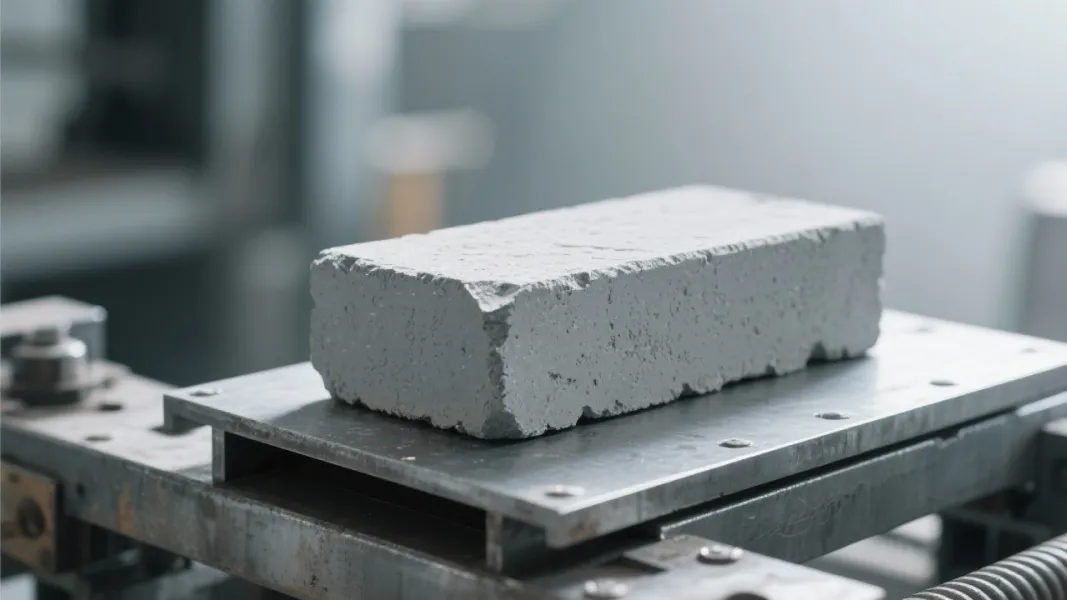 426
|
Sintered magnesia-carbon bricks
High-temperature industrial furnace refractory lining
Strong alkali environment corrosion
Furnace lining design
High-temperature refractory materials
426
|
Sintered magnesia-carbon bricks
High-temperature industrial furnace refractory lining
Strong alkali environment corrosion
Furnace lining design
High-temperature refractory materials
 448
|
magnesia
carbon
bricks
thermal
shock
stability
resin
binder
graphite
content
nano
carbon
fibers
448
|
magnesia
carbon
bricks
thermal
shock
stability
resin
binder
graphite
content
nano
carbon
fibers
 192
|
electric arc furnace refractories
sintered magnesia carbon brick performance
high refractory strength
alkali slag resistance technology
refractory delivery service
381
|
Copper smelting furnace life extension
Chrome corundum brick corrosion resistance
High-temperature refractory stability
Furnace maintenance technology
Metallurgical refractory solutions
192
|
electric arc furnace refractories
sintered magnesia carbon brick performance
high refractory strength
alkali slag resistance technology
refractory delivery service
381
|
Copper smelting furnace life extension
Chrome corundum brick corrosion resistance
High-temperature refractory stability
Furnace maintenance technology
Metallurgical refractory solutions